
LONDON PROPERTY CARE
Mould Remediation Archway
A recently decorated room can still develop mould if a relevant moisture question remains. For Archway properties, we review the work history and present finish, assess accessible evidence and explain treatment without assuming that new paint proves the wall beneath it is sound.
Fresh decoration is considered as history, not proof of resolution.
- Review the pre-decoration condition
- Assess the current finish and growth
- Connect removal with moisture checks
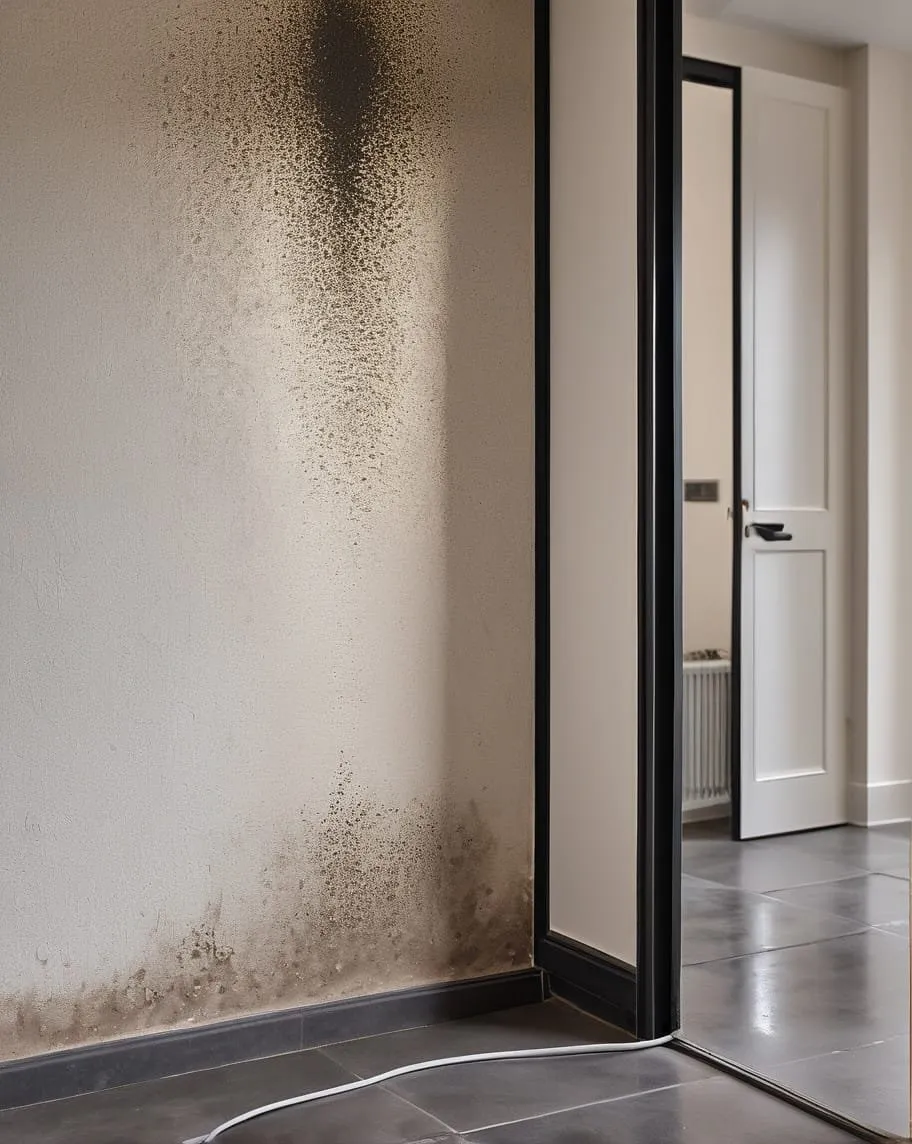
Assess the coating that is visible now
We consider growth, lifting paint and other accessible finish changes. Our wall treatment service is relevant to discussing the material and remediation scope. The current condition should lead the proposal rather than an assumption about the recent decorator’s work. We explain which tasks concern mould and which may involve repair or restoration, so the new finish is not treated as an all-purpose solution.
Select treatment for the affected accessible material
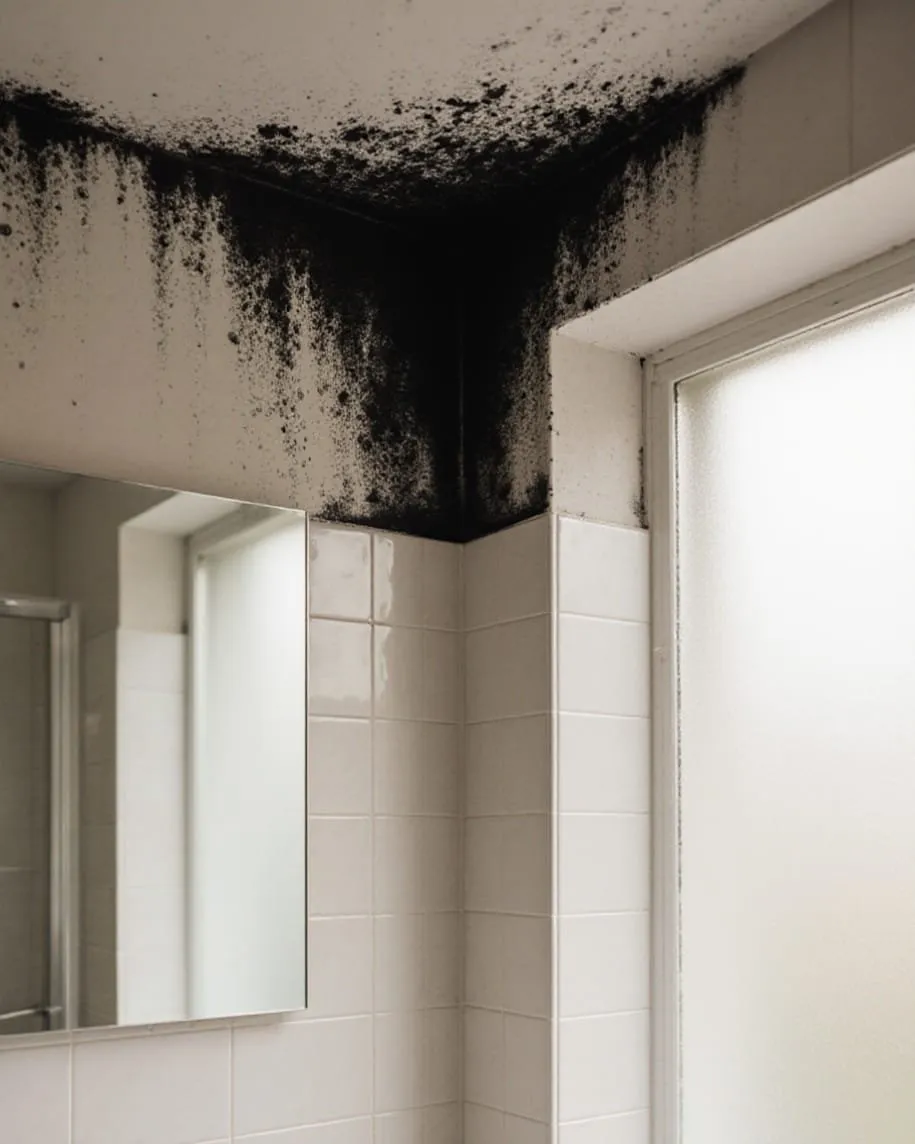
Remediation may include appropriate anti-fungal applications following assessment of the surface. Our black mould removal service explains the treatment enquiry. We describe the included area and its purpose, while separating any damaged finish that needs another task. Suitable application should not be mistaken for rebuilding the wall or resolving an ongoing moisture source outside the agreed removal work.
Establish when the finish changed
We ask when the room was painted or papered and what the surface looked like beforehand. Earlier photographs, repair notes and the position of renewed growth can help explain the sequence. We use that account to focus the enquiry, acknowledging gaps in the record. New decoration tells us something changed at the surface; it does not establish that every moisture concern was investigated before the coating went on.
Investigate the moisture question separately
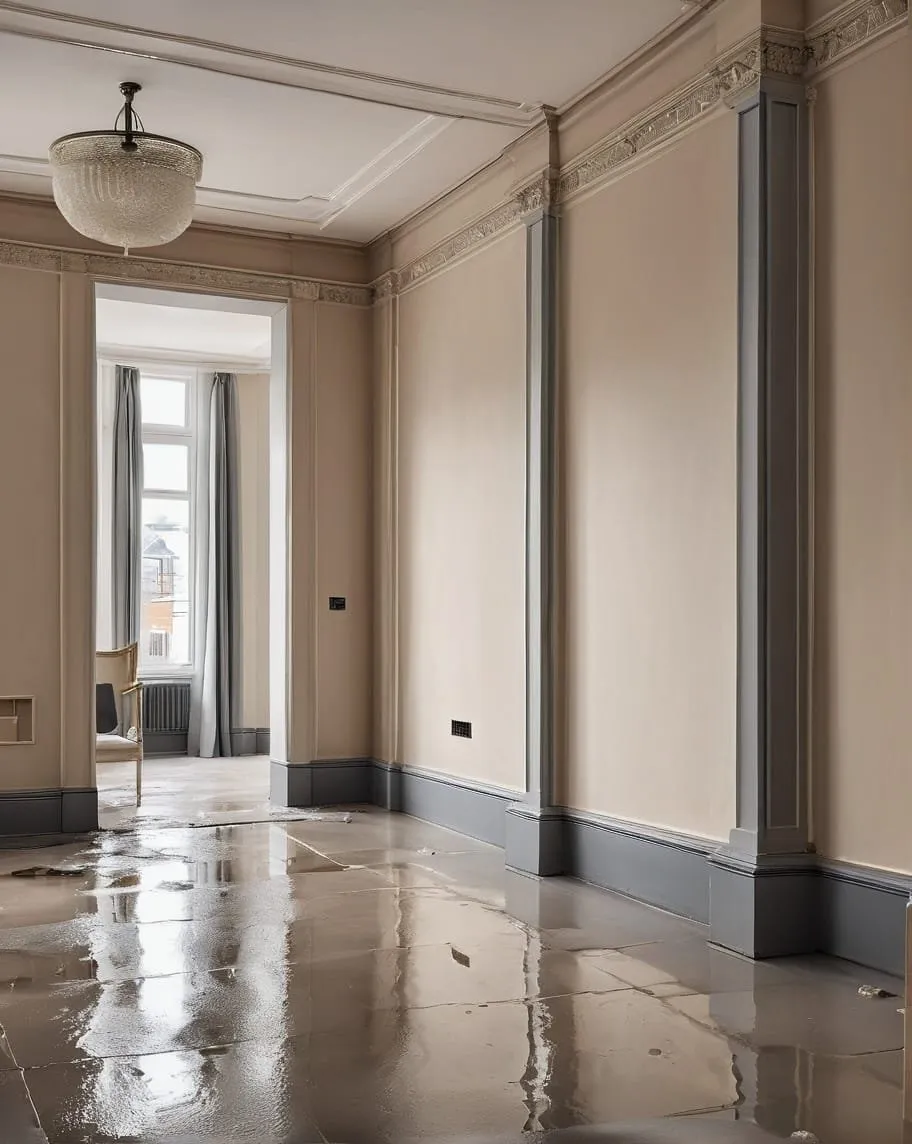
If the cause remains unclear, we discuss a damp and moisture inspection. Relevant readings and accessible observations can support assessment when interpreted with the room history. We ask about leaks and condensation without accepting either as certain from a patch location alone. Where new coverings limit what can be seen, that limitation belongs in the scope rather than being ignored.
Explain why the stages need to connect
We can discuss assessment, treatment and practical prevention within the same enquiry. That allows the recommendation to relate to the current evidence and earlier maintenance sequence. We explain what supports the proposed work and which repair questions remain open. This joined-up approach helps you plan the next stage from a clearer brief rather than repeat decoration simply because the marks have changed the room’s appearance again.
Compare the new marks with the earlier wall position
Earlier and current photographs are most useful when we know which part of the wall each image shows. Identify the room, nearby window or corner and approximate date. If the covering changed between the images, explain that too. We use the comparison to understand whether growth returned in the same position, extended into another area or became visible only after a finish was altered.
Keep the observation separate from the conclusion. A new mark beside an old stain does not, by itself, establish what is happening behind the coating. Where the original surface is now concealed, we explain the limits of what can be assessed and consider the current material with the history available. This gives the next visit a specific purpose: assess the present affected finish and relevant moisture evidence. You do not need to strip recent decoration simply to recreate an earlier photograph or supply a diagnosis before making the enquiry.
Nearby service enquiries
We also take enquiries in the surrounding areas. Call with the property’s address and affected rooms.
QUESTIONS FOR THIS VISIT
Before making arrangements
Does new paint mean mould has been properly treated?
It changes appearance but does not establish the assessment or treatment that preceded it. Share any available scope and repair details. We consider the current material and moisture evidence before discussing the appropriate next action, rather than assuming decoration describes the full earlier work.
Do you need photographs from before the room was painted?
They can help show the original pattern, especially if the new finish altered what is visible. Current views still matter. Identify dates and wall positions where possible so we can compare the history without treating an older image as proof of today’s surface condition.
Will you say the decorator caused the problem?
We focus on the property evidence and proposed service rather than make an unsupported judgement about earlier work. A renewed patch needs the moisture history and current surface considered. Responsibility for other contractors or payments is a separate matter from the remediation enquiry.
Should I strip the new covering before assessment?
Discuss its type, condition and the access first. Removing a finish is a separate task and may change the available evidence. We explain the relevant scope and any further access question before you disturb the surface simply to prepare for an initial enquiry.
Can treatment be planned before repainting again?
Yes. Explain the present concern and the proposed decoration date. We can discuss assessment and suitable remediation, with any remaining repairs kept visible. The next finish should follow an understood work plan rather than become the way to decide whether the moisture issue is resolved.
Review what happened before the new finish
Call about the Archway room with the decoration date and current mould position. We can discuss surface assessment, appropriate treatment and any moisture inspection needed, then explain the repair and restoration boundaries before another decorative stage is arranged.