LONDON PROPERTY SERVICES

Commercial Damp & Mould Services London

Damp and mould in a workplace need a clear scope and sensible coordination. We assess commercial premises, explain the moisture concerns and discuss remediation around the practical needs of the building.

Commercial interior with glazed walls and a tiled floor
  • Coordinate access and operations
  • Agree a property-specific scope
  • Discuss reporting before booking

ON THIS PAGE

Start with the space and how it is managed

An office, shop or managed commercial building can have very different access and maintenance arrangements from a home. A patch may be hidden in a store room, appear on a wall used by several occupants or sit beside equipment that cannot easily be moved. The building manager may also need to coordinate with a landlord or another tenant before work can be arranged.

Our commercial damp and mould service covers London premises affected by visible growth and moisture concerns. We begin by understanding the space, the affected areas and the people responsible for decisions. This helps turn an initial enquiry into an agreed assessment rather than assuming that one treatment plan will fit every workplace.

For an enquiry involving several business rooms, the Tottenham multi-room guide compares room histories, materials and access arrangements. Our Bermondsey maintenance-handover guide explains how to pass findings and outstanding repair questions from the commissioning contact to the person arranging maintenance.

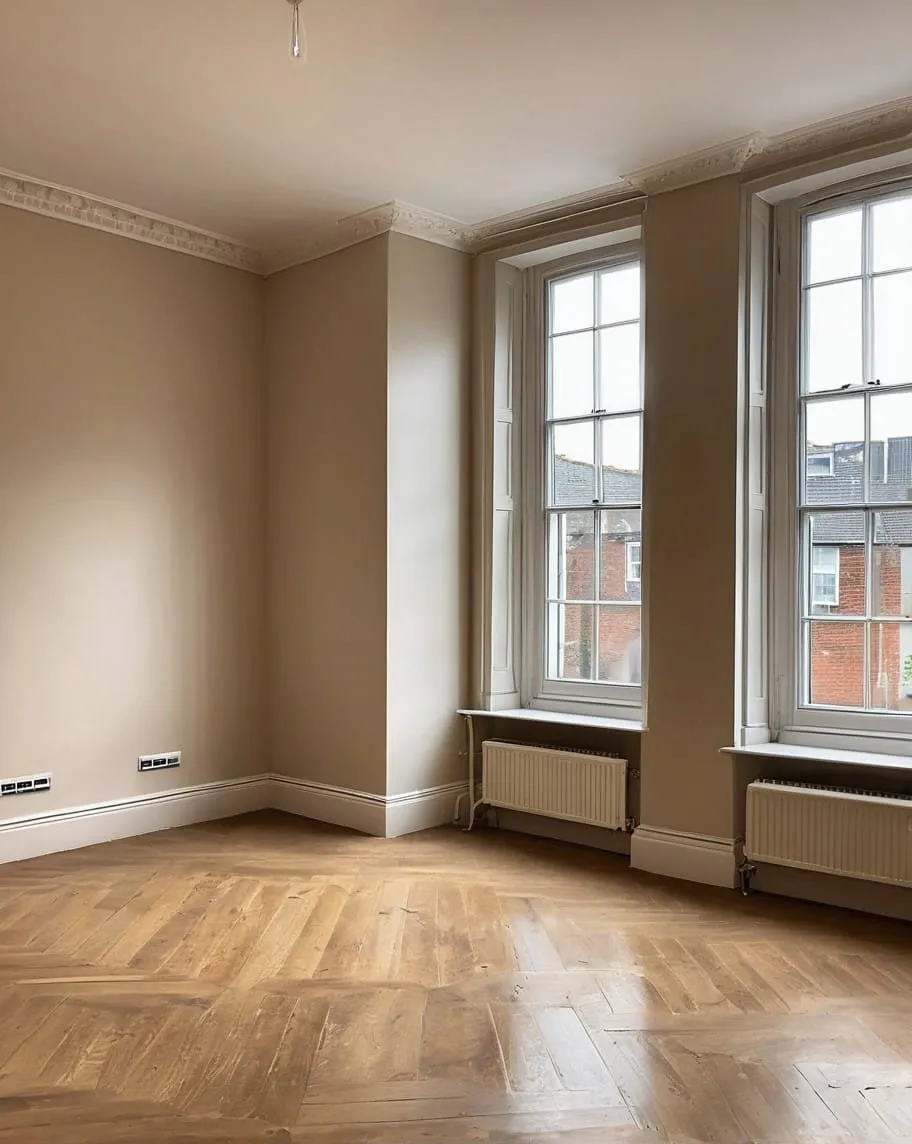
Interior room with tall windows and exposed painted walls

A useful brief for the assessment

Tell us the building type, the rooms affected and whether the problem has interrupted normal use. Describe any known leak, staining, odour or recurring growth. Include the history of previous treatment and repairs where it is available. For a managed property, photographs and maintenance records can help connect observations made by different people over time.

It is also important to explain the purpose of the visit. Do you need an initial moisture assessment, a treatment proposal or written findings for a property manager? These are related but distinct requirements. Agreeing the scope early helps ensure that access, reporting and the proposed work match what the organisation needs, rather than producing a visit with an unclear outcome.

Moisture sources in commercial premises

Condensation, leaks and building defects can affect commercial properties just as they affect homes. The room use, ventilation and materials may introduce different practical questions. A storage area, a staff bathroom and an occupied office may each show a different pattern. We consider the affected space rather than diagnose the building from a single close-up of mould.

Where the source is unclear, investigation may be needed before treatment. A visible patch can be some distance from the underlying concern, and shared building systems may require another party’s involvement. We explain what has been observed, what remains uncertain and whether a separate repair or specialist inspection should be arranged. This makes the next steps easier to coordinate across management responsibilities.

Large windows in an open commercial interior

THE PROPERTY IN CONTEXT

Look beyond the visible mark.

The affected material, the location and the history of moisture all help guide the next step. Tell us how the area has changed and what repairs have already been attempted.

Agreeing access and working arrangements

Opening hours, occupancy and equipment can affect the practical plan. Tell us when the affected room can be accessed and whether permissions are needed for communal or leased areas. A visit should not assume unrestricted entry to every part of the building. If a particular area cannot be inspected, that limit should be clear in the discussion of findings.

We also need to understand who is approving work and who will receive the explanation of the scope. For a building with several occupants, a named contact can help coordinate those conversations. Discuss operational requirements before booking. We do not promise that every treatment can take place without interruption; the arrangements depend on the work and the space involved.

Assess and treat the included commercial surfaces

We consider the affected material and visible growth in the areas available to assess. Suitable anti-fungal applications may form part of the agreed remediation where appropriate for those surfaces. We explain the included areas, preparation and material damage requiring separate attention. Access and operational requirements are agreed against that work; we do not assume every room can remain in normal use throughout the appointment. Any continuing source repair remains a separate task, with its relationship to treatment explained.

Surface work alone may not resolve recurring growth if the source remains. It can be more useful to coordinate a repair and a treatment plan than repeatedly arrange isolated cleaning. We discuss the building conditions so the organisation can understand which actions are linked. Clear scope is also helpful when comparing proposals, because two figures may refer to very different work.

Records and follow-up questions

Keep a record of where the problem was observed, when access was arranged and what repairs have been completed. Photographs showing the wider location help someone unfamiliar with the room understand the issue. If several people have reported concerns, gather their observations without replacing them with a guessed diagnosis.

After the assessment, ask whether the proposed findings meet your reporting needs. A general damp visit is not automatically an occupational health assessment, a structural survey or a compliance certificate. If a particular document is required, explain its intended use before booking. We discuss what the service can provide and any limits rather than imply that one report satisfies every business requirement.

Cost and the next step

Commercial work is scoped around the affected areas, materials, access and investigation needed. The size of a building alone does not explain the treatment requirement. A small concealed area may need more investigation than a larger accessible surface. Call with the property details so an appropriate starting point can be discussed.

If moisture has appeared suddenly, explain the urgency and whether the source is still active. Emergency moisture detection may be relevant once immediate building or plumbing issues are handled. If growth is visible but the cause is already understood, black mould removal may form part of the agreed plan. These routes help you choose a service based on the problem rather than the building label alone.

Commercial service questions

Can a visit be arranged around opening hours?

Tell us your access requirements when enquiring. Timing and any disruption depend on availability and the proposed work, so they need to be agreed rather than assumed.

Can the findings be shared with our property manager?

Discuss the reporting purpose and the responsible contact before booking. This helps align the scope with the record your organisation needs.

Does treatment include a compliance certificate?

Do not assume that. Explain any specific documentation requirement so its availability and limits can be discussed before work is agreed.

Discuss your London property

Call with your location, the affected rooms and the history of the concern. We’ll discuss the appropriate next step and the scope you need.