Black mould removal
Treatment for affected walls, ceilings and window areas. We consider the extent of growth and the surface condition rather than treating every patch as the same problem.

SPECIALIST TREATMENT & MOISTURE INVESTIGATION
Mould removal, damp investigation and practical prevention advice for London homes, rental properties and commercial spaces.
Tell us what you’re seeing. We’ll discuss where to start.

Illustrative view of mould being examined beside a window.
THE REASON WE START WITH AN ASSESSMENT
A mark on the wall can tell you where the problem is showing. It does not always tell you where the moisture begins.
Condensation, restricted ventilation, leaks and damp can create different patterns of growth. We consider the affected surfaces and the surrounding conditions before recommending mould remediation. That helps you understand what treatment can achieve and which moisture issues may need further attention.
The aim is a practical plan for your property: address visible mould, explain likely contributing factors and help reduce the conditions that allow it to return.
Homes & rental properties
Commercial premises
Greater London coverage
COMMON MOULD & DAMP PROBLEMS
Where mould appears, when it returns and how the surface feels all help shape the investigation. Tell us whether the issue is isolated or affecting several rooms.
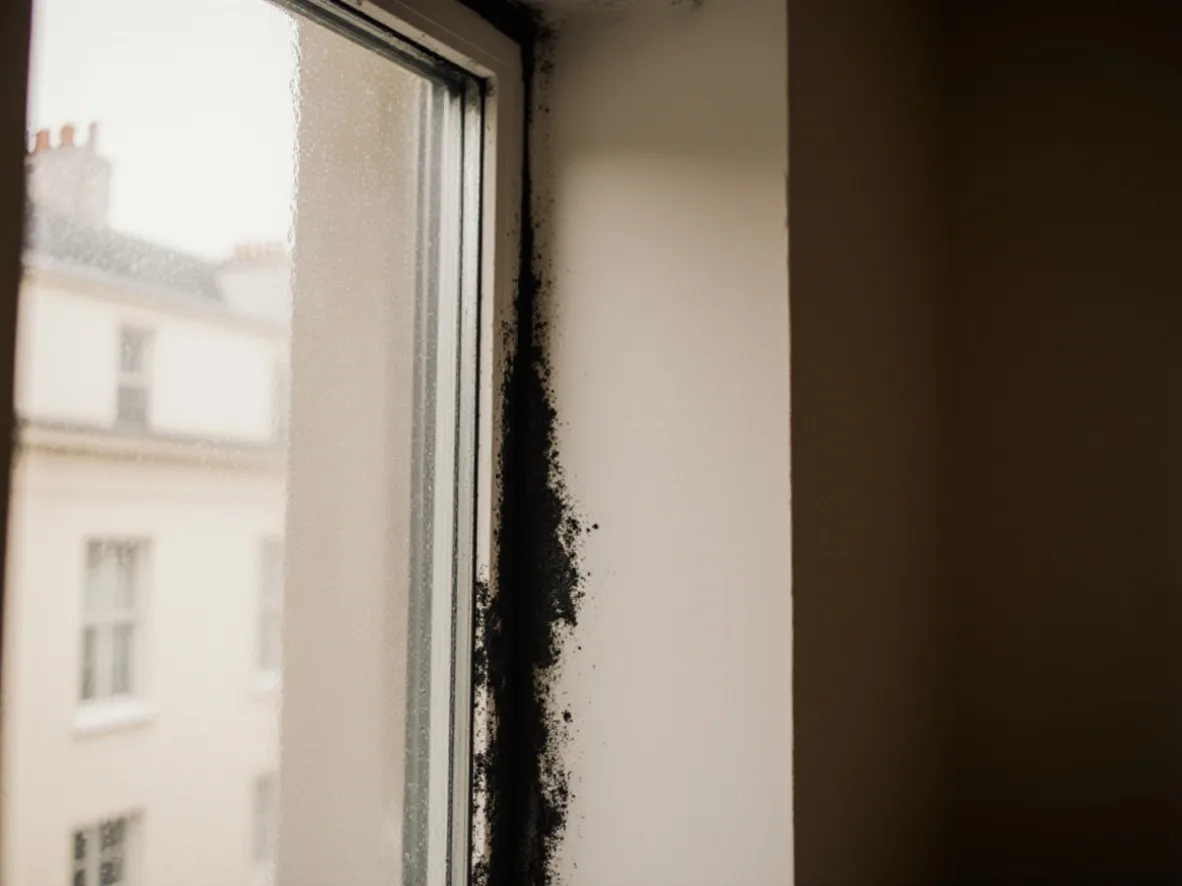
Mould on walls and cold surfaces
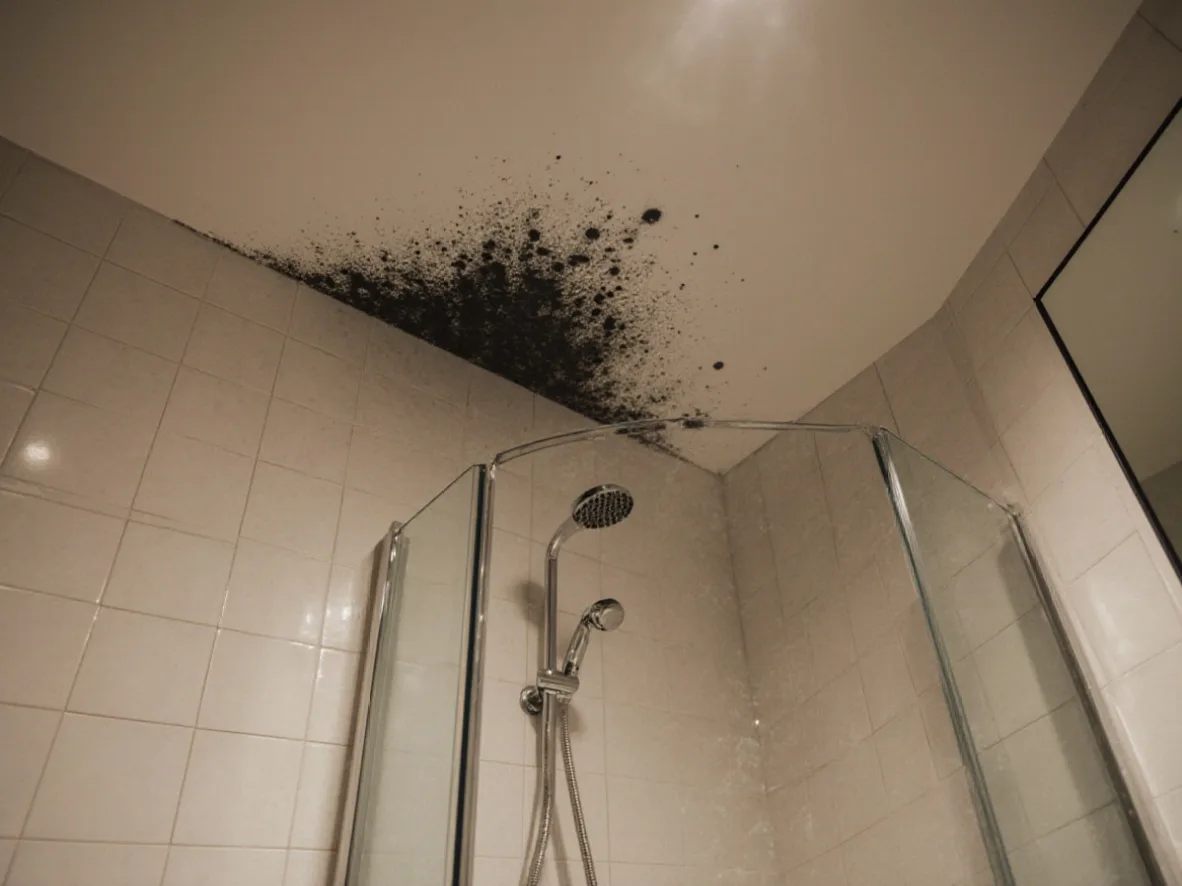
Bathroom and ceiling mould
Window reveals and nearby walls can be affected by condensation and cold surfaces. Recurring patches deserve a look at airflow and moisture conditions.
Growth behind furniture or on an external wall may have several contributing factors. Surface appearance alone does not establish the cause.
Moisture from everyday use can build up where extraction and ventilation are limited. We assess the affected finishes as well as the room conditions.
LOOK BEYOND THE PATCH
Good remediation starts with useful questions about the building.
How long has the mould been present? Does it worsen in colder months? Is there a known leak, staining or damage to the plaster? These details help establish what needs investigating.
We consider moisture levels, ventilation, affected materials and the pattern of growth. Where a separate repair or further damp investigation is needed, we explain how it relates to the proposed treatment.
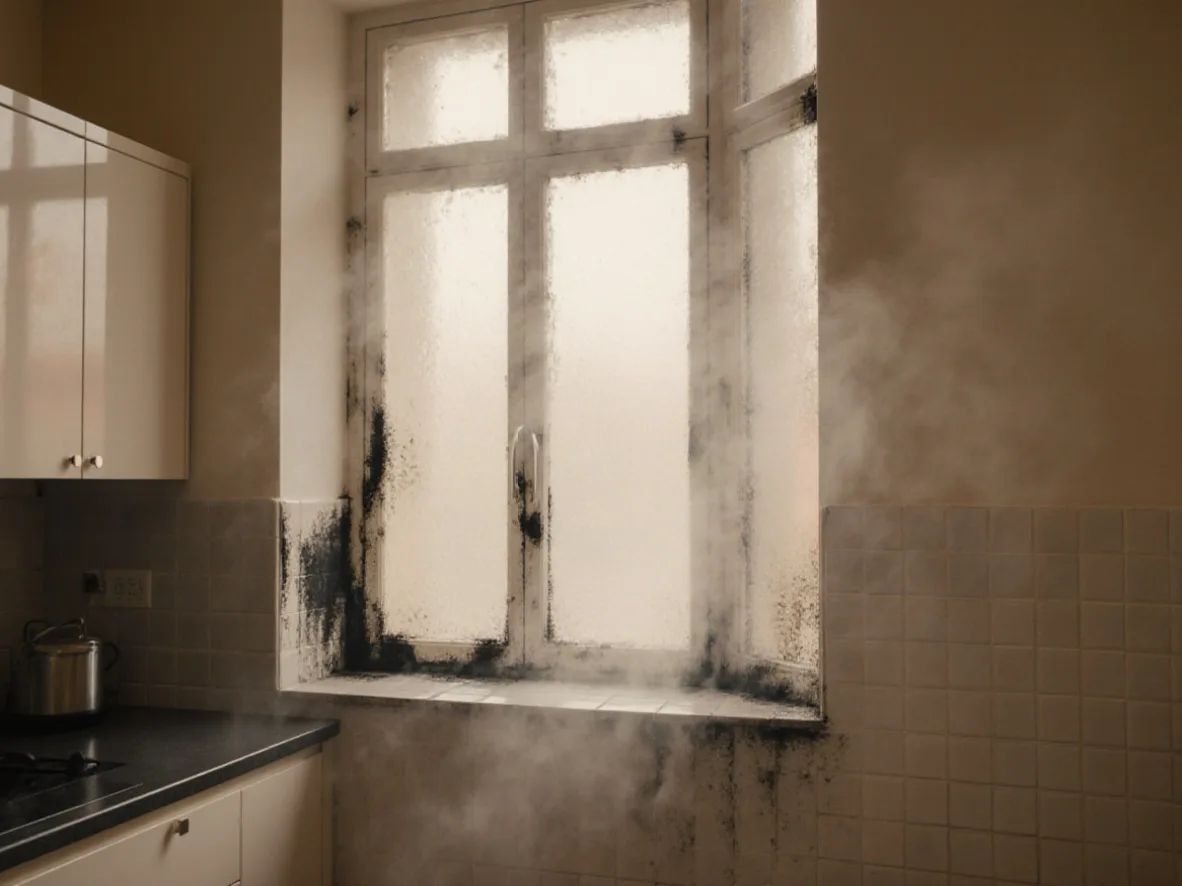
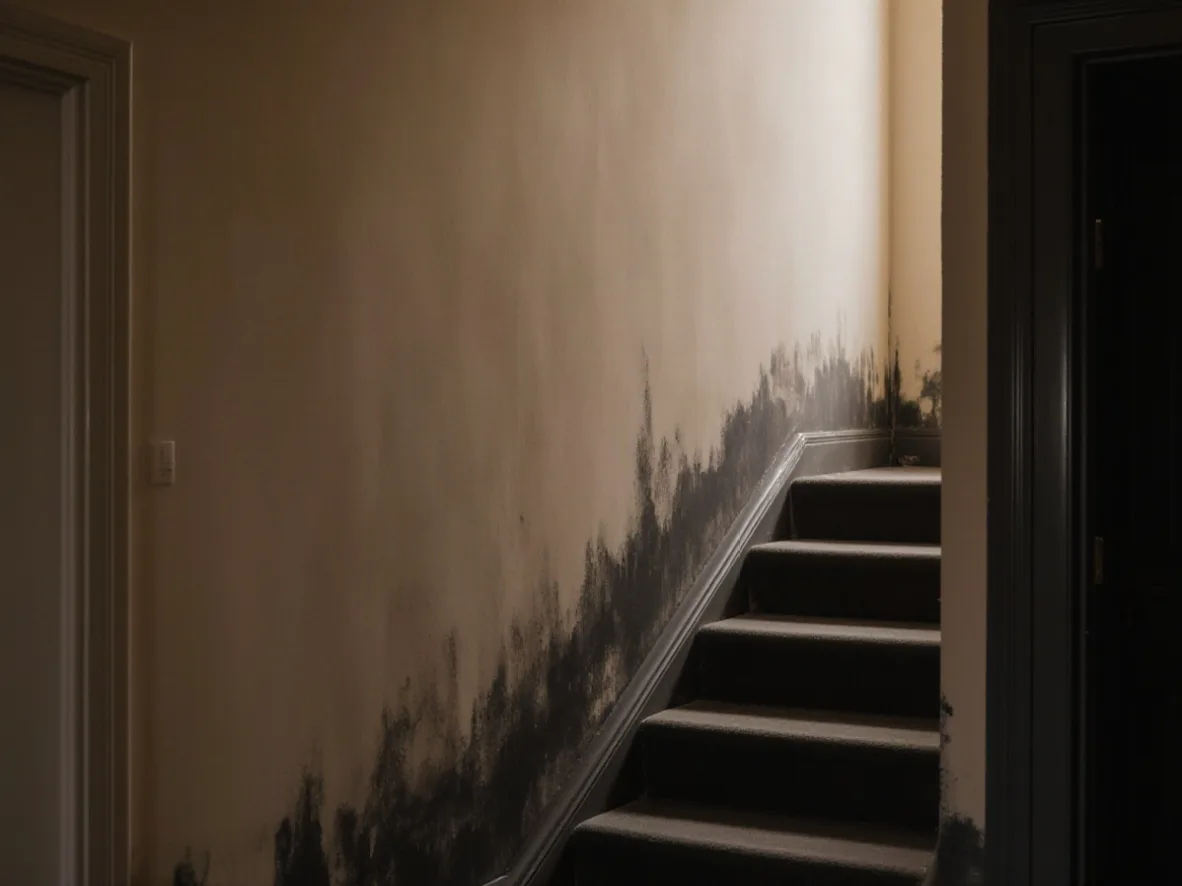
MOULD REMEDIATION SERVICES IN LONDON
From localised growth to recurring damp concerns, the right service depends on the condition of the property. We discuss what you need before recommending the next step.
Treatment for affected walls, ceilings and window areas. We consider the extent of growth and the surface condition rather than treating every patch as the same problem.
Assessment of moisture conditions and potential sources, including condensation, leaks and damp. The findings help guide treatment and any further investigation needed.
Remediation alongside practical advice on humidity, ventilation and cold surfaces. Ongoing moisture conditions matter when mould repeatedly returns.
Support for rental homes, managed properties and commercial premises. Clear explanations help owners and property managers understand the affected areas and proposed work.
BEFORE YOU CALL
Tell us which rooms are affected, when the marks appeared and whether there has been a leak or recurring condensation.
Useful details for your first conversation
Mention previous treatment and repairs, and who can arrange access. We can discuss whether assessment or surface treatment is the appropriate next step.
WHAT TO EXPECT
You should understand what we have found, what work is being proposed and which conditions may need attention afterwards.
Start with the affected rooms, how long the issue has been present and any known leaks or condensation. We discuss the appropriate next step and the information needed for an assessment.
We inspect affected surfaces and investigate moisture conditions. You receive an explanation of the findings and a recommendation suited to the property, with the scope discussed before work proceeds.
Remediation addresses the affected areas within the agreed scope. We also explain practical prevention measures and any related moisture or repair concerns that need further attention.
WHY OUR APPROACH MATTERS
A London flat, an older terraced house and a commercial space can present very different moisture conditions. We keep the property at the centre of the recommendation.
We consider likely moisture sources and the pattern of growth, helping distinguish treatment needs from conditions that may require a separate repair.
You receive practical advice on the proposed work and its limits. Mould can recur if ongoing moisture problems remain unresolved.
Ventilation, occupancy, heating patterns and the materials affected all provide context. That supports a more useful recommendation than a single standard solution.
BEFORE YOU BOOK
RECURRING GROWTH
Visible treatment may not resolve the moisture conditions behind the growth. If the same area repeatedly becomes affected, an assessment can help identify what else needs attention.
Note when it returns, whether condensation is visible and whether nearby surfaces feel damp. These observations are useful when you call.
ASSESSMENT
Describe the rooms, the size of the affected areas and how long the issue has been present. Mention known leaks, recent water damage, staining or recurring window condensation.
For rental or managed properties, clarify who is arranging access and who will discuss the proposed work.
SCOPE & COST
The affected area, severity, surface materials, accessibility and investigation needed all influence the scope. A small window reveal and several damaged rooms require different considerations.
Call to discuss the property. The recommendation should reflect the work needed, rather than a generic price attached to every mould problem.
MOULD REMEDIATION ACROSS GREATER LONDON
Support for homeowners, landlords and property managers across London.
We work with residential and commercial properties affected by mould, damp and condensation. From older houses to modern flats, the assessment considers the building and the way the space is used.
Tell us your location and describe the issue when you call, so we can discuss coverage and the appropriate next step.
North London
East London
South London
West London
Central London
MOULD REMEDIATION FAQ
Questions about recurring growth, treatment and arranging an assessment.
Cleaning addresses what is visible on a surface. A remediation approach also considers the affected materials and the moisture conditions contributing to the growth. The appropriate scope depends on the findings at the property.
Yes. If a leak, persistent condensation or another moisture condition remains unresolved, mould can return. Treatment and practical prevention advice should be considered together; no blanket promise of permanent removal is appropriate for every building.
Yes. Services include damp surveys, moisture investigation and condensation-related assessments. The aim is to understand likely contributing factors and explain how they affect the recommendation.
Yes. We work with landlords, property managers and rental properties. When you call, explain who manages the property and who can arrange access and approve the proposed scope of work.
Cost depends on the size and condition of the affected areas, access, surface materials and investigation required. Discuss the property with us so the proposed scope can be based on the issue rather than a one-size-fits-all estimate.
Make a note of affected rooms, when you first noticed the mould and whether it returns in particular conditions. Mention any known leaks or recent water damage, and discuss access arrangements when booking.
TALK TO A MOULD REMEDIATION SPECIALIST
Tell us about your London property, the affected areas and what you have noticed. We’ll discuss the appropriate next step.