LONDON PROPERTY SERVICES

Penetrating Damp Inspections London

A stain that changes after rain may need more than surface treatment. We assess the visible damage and accessible building details to investigate possible penetrating damp in your London property.

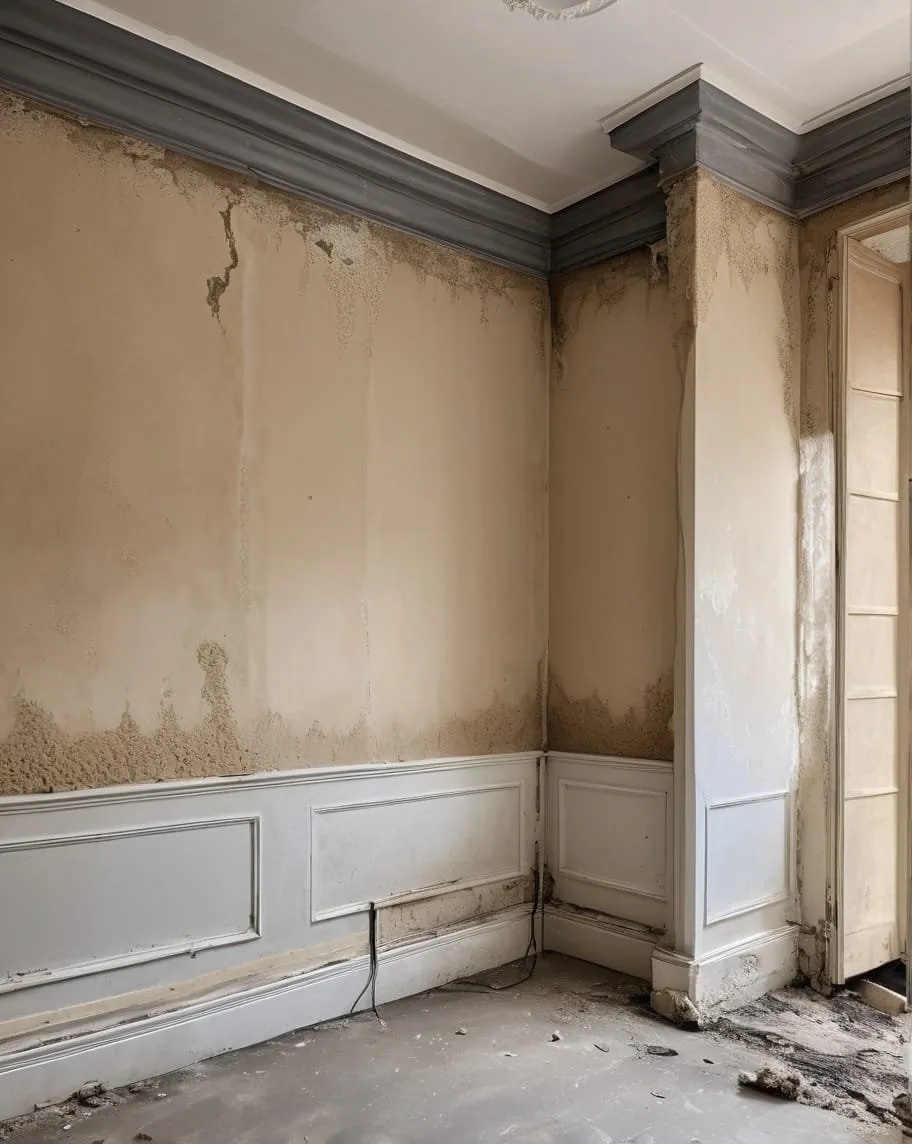
Staining and damaged finish on a painted wall
  • Record changes after rainfall
  • Clarify exterior access limits
  • Separate investigation from repair

ON THIS PAGE

Following the pattern of the damage

Penetrating damp concerns water entering through the building, rather than simply collecting on the inside of a cold surface. You may notice a patch near a window, a stain high on a wall or damage that becomes more apparent during wet weather. These observations are useful, but they are not enough to identify the exact entry point without an assessment.

Our penetrating damp inspections help London homeowners, landlords and property managers understand the concern before deciding on repairs. We consider the location and history of the damage alongside accessible details. The aim is to explain what the evidence suggests, what remains uncertain and which next steps may be appropriate.

When an exterior check is still pending, our Woodford exterior-check guide explains what an internal assessment can establish within its limits. The Kew repair-history guide helps distinguish exterior work that has only been proposed from work that has been completed.

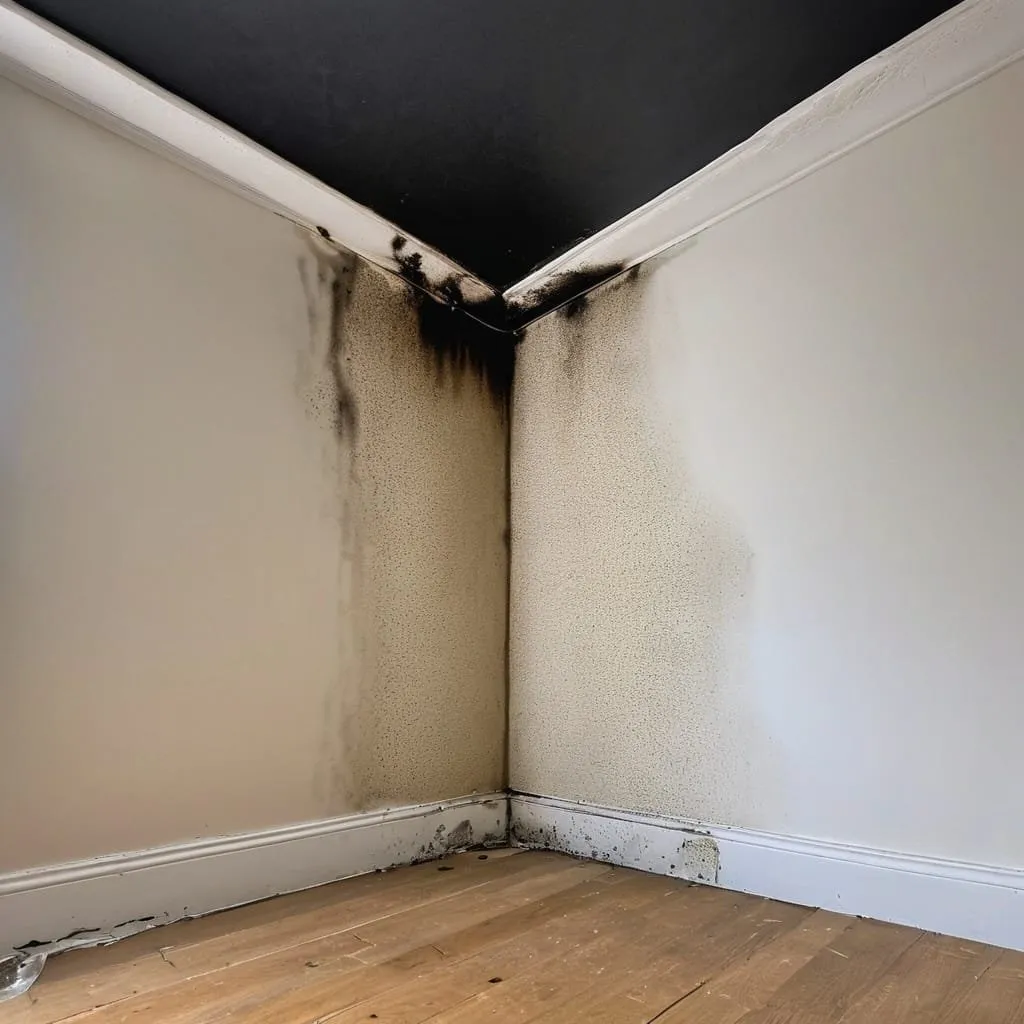
Dark mould on an upper wall corner beside ceiling trim

Rainfall can provide useful context

If the patch changes after rain, keep a note of when it happens. A photograph taken during a wet spell and another later can help show the pattern. Mention whether water appears quickly or whether the finish changes more gradually. It can also be useful to describe which wall is affected and whether nearby rooms show similar damage.

However, a weather connection does not automatically identify a faulty gutter, roof or window joint. Water can travel before becoming visible inside, and more than one condition may be involved. The inspection should follow the evidence rather than select a familiar repair simply because the mark sits near a particular feature. We explain any need for further access or a separate specialist investigation.

Accessible building details and limits

The scope depends partly on what can be inspected. An internal wall may be easy to view while the corresponding external area is high above ground or part of a shared building. Roofs, neighbouring properties and concealed spaces may require separate arrangements. Tell us about those constraints before booking so the visit is planned around realistic access.

We do not assume that an inaccessible roof or hidden cavity has been checked. A useful explanation distinguishes what was observed from what needs further investigation. If another trade is needed to inspect a particular feature, the recommendation should make that clear. This helps you avoid treating an initial finding as a complete survey of every possible water entry point.

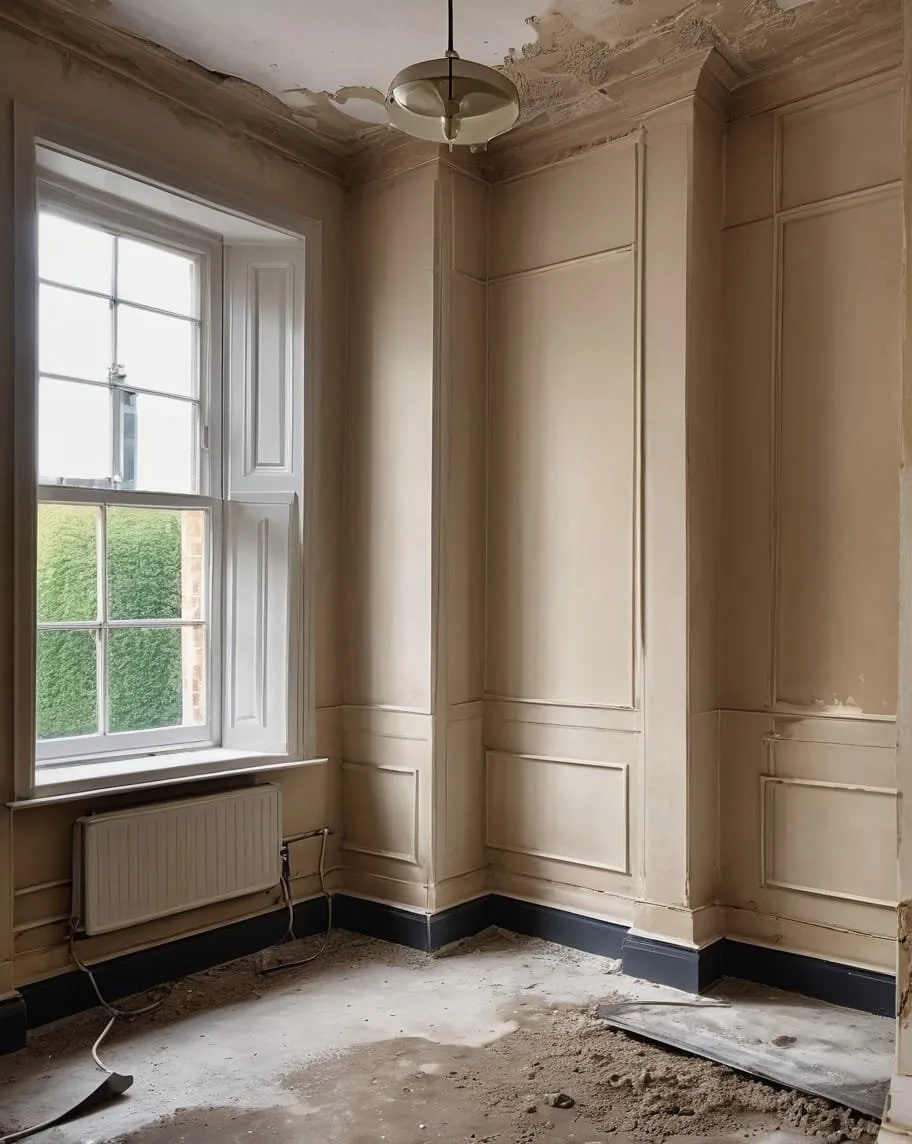
Interior wall surfaces beside a tall window

THE PROPERTY IN CONTEXT

Look beyond the visible mark.

The affected material, the location and the history of moisture all help guide the next step. Tell us how the area has changed and what repairs have already been attempted.

Interior damage and mould are related concerns

Moisture can affect paint, plaster and nearby materials. Mould may appear alongside the damage, but treating the growth does not stop water entering the building. The order of work matters. A separate repair may need to address the source before remediation and restoration of finishes can be planned with confidence.

We discuss the condition of the affected surfaces and how it relates to the proposed inspection. If you also need mould removal, explain that during the enquiry. Investigation, repair and surface treatment should each have a clear scope. It is better to understand those tasks than assume that one visit automatically includes fixing the exterior, treating mould and redecorating the room.

Information to bring to the conversation

Tell us when the stain first appeared, whether it is growing and what has already been done. Repairs to gutters, windows or the roof are relevant even if they did not resolve the problem. Previous survey notes can also help establish the history. Include any known internal leak, because not every moisture mark associated with wet weather has a single external cause.

For a flat, clarify who manages the roof, exterior and communal areas. Permission may be needed before further inspection or repairs. For commercial premises, explain which parts of the building you occupy and who controls maintenance. These arrangements affect what can happen after a finding and are worth discussing before the visit, rather than discovering the access limits when work is ready to proceed.

Making a sensible repair plan

After an inspection, ask what evidence supports the recommendation and whether the suspected source has been confirmed or still needs checking. A clear plan separates immediate observations from the next investigation and eventual repair. It should also explain any related interior treatment needs. That gives you a useful basis for speaking to other trades or the building manager.

Avoid using a fresh decorative finish as proof that the concern has been resolved. The source and the condition of affected materials still matter. Keep a record of repairs and any later changes in the patch. If the problem continues, those details help the next assessment build on what is known instead of starting again with a vague description.

Choosing an inspection scope

The cost depends on the areas affected, available access and the investigation required. Explain if you need written findings for a landlord or managing agent, because the purpose of a report should be agreed before booking. An inspection is not automatically a full structural survey or an insurance opinion. Discuss those requirements if they are important to you.

If low-level damage is the main concern without a clear rain connection, rising damp investigation or a general damp survey may be more relevant. If the source has already been repaired and mould remains, wall treatment may form the next part of the work. We help you discuss that sequence rather than assume every damp stain needs the same service.

Penetrating damp questions

Can you repair the source during the inspection?

Inspection and repair are separate scopes. Tell us what you need so availability can be discussed. Do not assume that external building repairs are included in a moisture assessment.

What if the exterior cannot be reached?

Mention this before booking. The assessment should explain its access limits and any further inspection required to investigate the suspected entry point.

Does a rain-related stain rule out condensation?

Not necessarily. Conditions can overlap. The inspection should consider the wider pattern instead of treating one observation as proof that no other moisture issue is present.

Discuss your London property

Call with your location, the affected rooms and the history of the concern. We’ll discuss the appropriate next step and the scope you need.