LONDON PROPERTY SERVICES

Mould Around Windows Treatment London

Window corners, reveals and nearby walls can develop recurring mould. We assess the affected materials and consider condensation, airflow and possible water entry before recommending treatment.

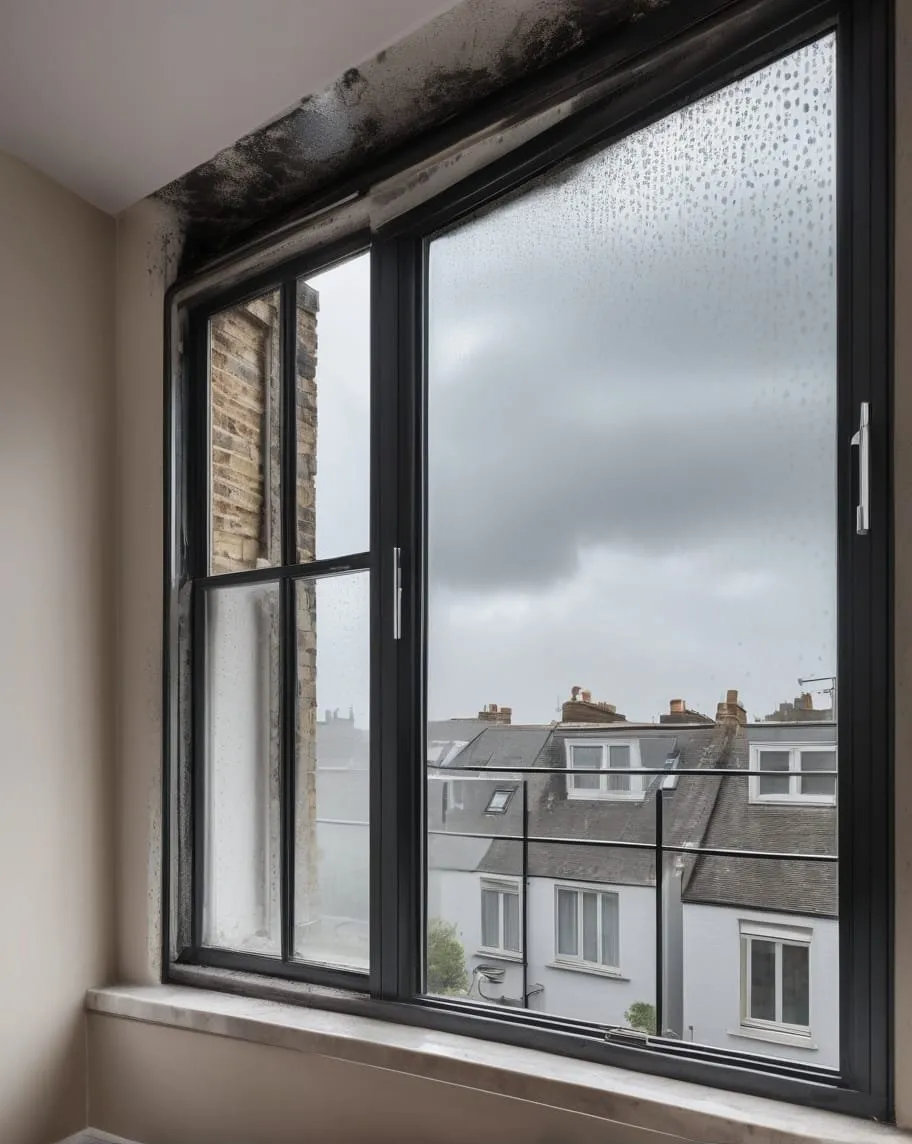
Dark mould above a black-framed window with droplets on the glass
  • Check frames and surrounding reveals
  • Note condensation or rain changes
  • Discuss seals and finishes separately

ON THIS PAGE

Look at the whole window area

Mould around a window may start as spots on the painted reveal or discolouration along a frame. You might also see water on the glass most mornings. In another room, the damage may be concentrated below the sill and become worse after rain. Looking only at the frame can miss useful clues on the surrounding wall and finish. Include both the glazing and the nearby reveal when describing the problem. A broader view can help explain whether the concern is confined to the window or extends across the room.

We provide mould treatment around windows across London, including houses, flats, rental properties and commercial buildings. The service is about the affected area and its moisture conditions, not simply cleaning glass. Explain which parts are affected and whether the problem returns after cleaning. That helps us discuss whether treatment or a wider investigation should come first.

The Wanstead window guide treats the window surround as several connected materials. If more than one window is affected, our Hanwell guide to several affected windows shows how to compare room names, finishes and timing before combining the work.

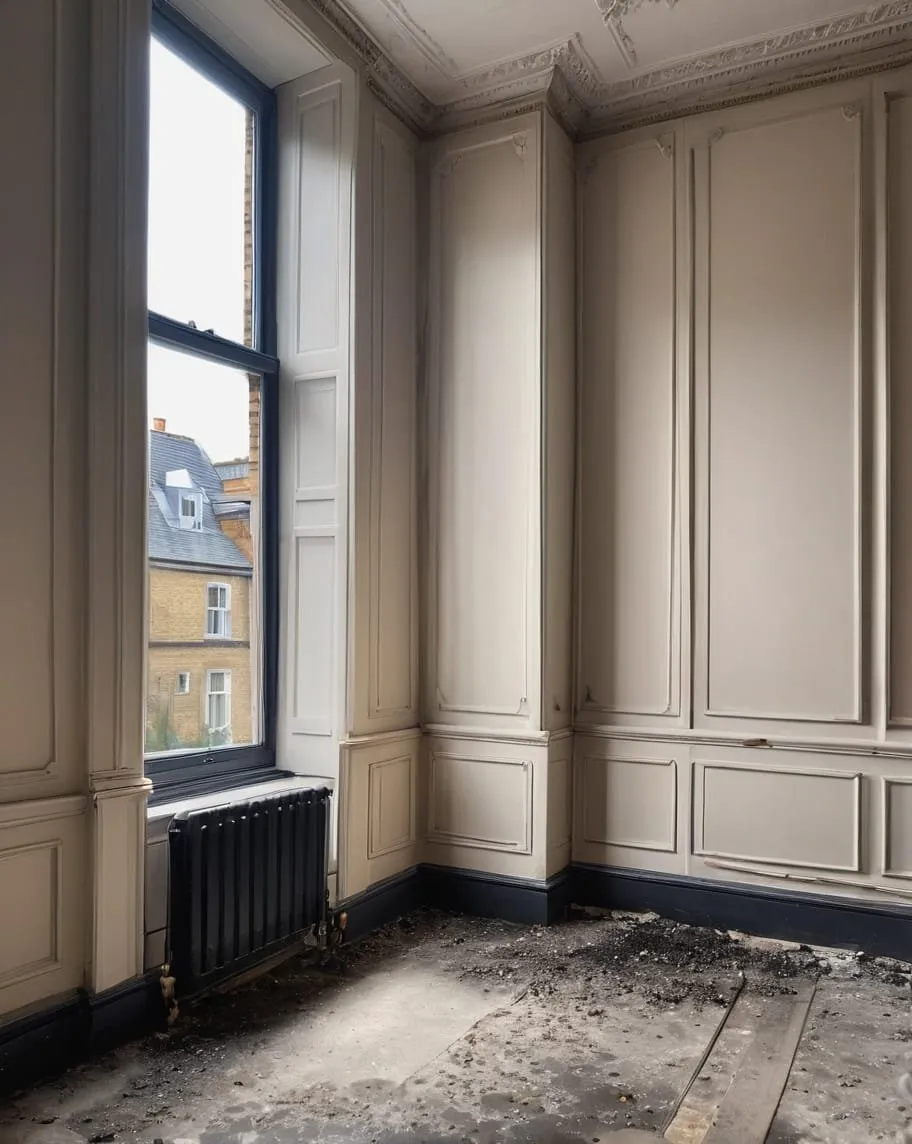
Painted wall panelling and a window inside a property

Condensation is a possibility, not a shortcut

Glazing and nearby surfaces can be colder than the rest of a room. Moisture may collect there, particularly where airflow is limited. This can contribute to mould on reveals and corners. However, the presence of a window does not prove that condensation is the only explanation. The history and the surrounding building details still need consideration.

If the marks change after rainfall, mention that. Water entry at a window detail or another part of the building may need separate attention. If droplets appear on the inside of the glass, explain when you see them. These observations are useful because they describe the behaviour of the problem without trying to diagnose it. We use the assessment to decide what further investigation is appropriate.

Different materials need different decisions

Painted reveals, timber frames, silicone and wall finishes do not present the same treatment question. Some areas may have surface growth, while others show damaged decoration or deteriorated joints. We look at the condition and discuss the proposed scope. Mould remediation should not be assumed to include replacing seals, repairing a frame or rebuilding a damaged reveal.

Tell us if the window was recently replaced or repaired. Changes to glazing, seals or ventilation can be useful background even if the problem began much later. Do not assume that replacing the window automatically resolves every moisture concern in the room. The surrounding wall and the way moisture moves through the space can still be relevant.

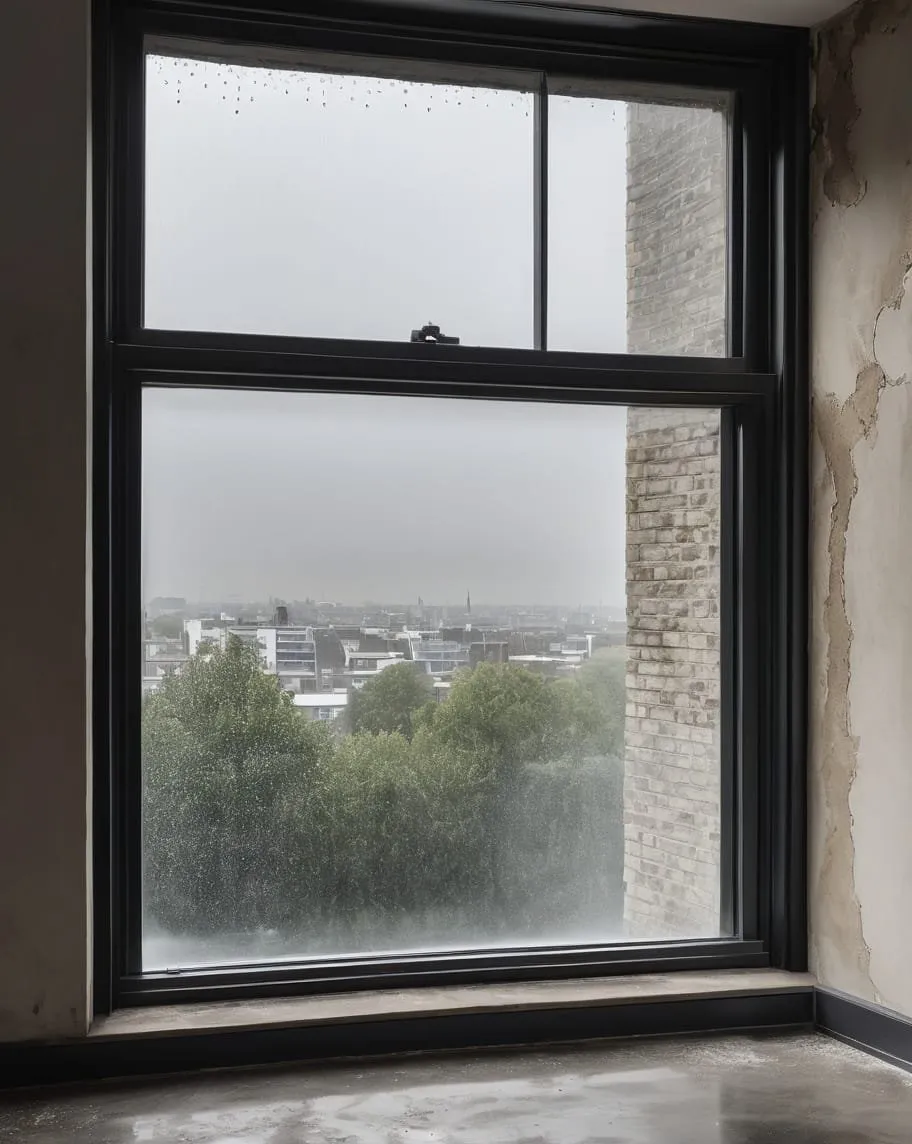
Window glazing with visible condensation

THE PROPERTY IN CONTEXT

Look beyond the visible mark.

The affected material, the location and the history of moisture all help guide the next step. Tell us how the area has changed and what repairs have already been attempted.

Nearby walls and furniture matter too

A window patch may be one part of a wider pattern. Check your observations against the adjacent wall, ceiling corner and any area behind curtains or furniture. You do not need to dismantle anything to make an enquiry. Simply describe where the marks are and whether other parts of the room show similar growth.

This helps decide whether window treatment alone is the right scope. If several cold surfaces are affected, condensation advice may be relevant. If the wall is stained or the finish is damaged, a damp inspection may be needed. A focused service should still recognise when the problem extends beyond its immediate area. We explain that distinction rather than offering treatment for one patch while ignoring the rest of the room.

Arranging the assessment and treatment

Before the visit, we discuss the number of windows, the rooms involved and access to the affected surfaces. High windows, fitted furniture and commercial arrangements can change the practical plan. In a flat, external or shared areas may not be accessible without permission. Make those limits clear so the scope reflects what can actually be inspected.

We assess the accessible reveal, frame area and any included adjoining finish, then explain surface work appropriate to their condition. Suitable anti-fungal applications may form part of treatment on agreed affected materials. The proposal identifies which surrounds and rooms are covered. Relevant ventilation or humidity recommendations are linked to the findings, while deteriorated seals, frame repairs and damaged decoration remain separate tasks to discuss.

Keeping a useful record

Photographs taken at different times can help show whether the issue follows cold weather or rain. Include a wider view as well as a close-up. Note whether the glass is wet, whether the reveal feels damp and how quickly mould returns after previous treatment. Mention any known leaks and earlier advice you have received.

After remediation, pay attention to the conditions as well as the appearance of the finish. If moisture keeps collecting, the wider cause may still need attention. We cannot promise permanent prevention where ongoing condensation or water entry remains. Practical advice and separate repairs should be considered alongside surface treatment, with the next steps explained in terms that make sense for the building.

Window mould questions

Is mould around windows always condensation?

No. Condensation is one possibility, but water entry and other moisture concerns can affect the same location. The pattern and history help guide the investigation.

Do you repair the window as part of treatment?

Repairs should be discussed separately. The treatment scope does not automatically include replacing seals, fixing a frame or resolving an external building defect.

Should I replace the glazing first?

Do not make that decision from the mould alone. Understanding the moisture conditions can help you decide which work is needed and whether a replacement would address the actual concern.

Discuss your London property

Call with your location, the affected rooms and the history of the concern. We’ll discuss the appropriate next step and the scope you need.