LONDON PROPERTY SERVICES

Emergency Moisture Detection London

New damp patches and unexplained water damage need a clear next step. Call to discuss urgent moisture inspection availability, the affected areas and whether immediate repair help is also needed.

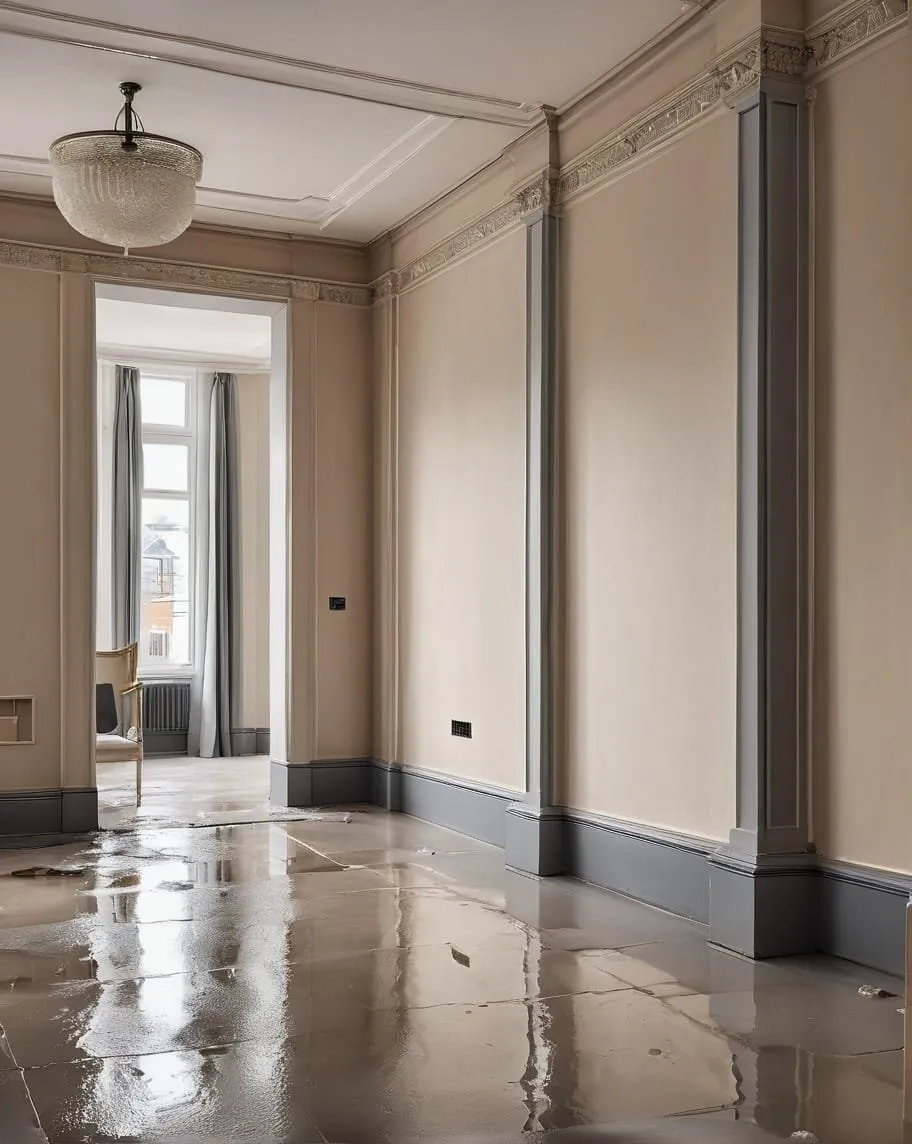
Water across a tiled floor in a room with decorative wall trim
  • Explain recent water damage
  • Arrange active leak repair separately
  • Discuss inspection availability

ON THIS PAGE

Tell us what has changed

A new ceiling stain, spreading wall patch or unexpected damp floor edge can appear quickly. You may know that a leak occurred, or you may have no clear explanation. The most useful first step in the conversation is to describe the change: where it is, when it started and whether water is still appearing. That helps separate an active emergency from a moisture concern that needs investigation.

We investigate urgent moisture concerns in accessible areas of London homes and commercial properties. Call to discuss current availability and the appropriate assessment scope. Explain the urgency at the beginning so it can be considered honestly.

The Hackney water-incident guide explains why an active incident needs appropriate immediate help and a clear repair history. Our Brent Cross post-leak guide separates stopping a leak from assessing the affected room afterwards. These are planning examples; current inspection availability must be agreed.

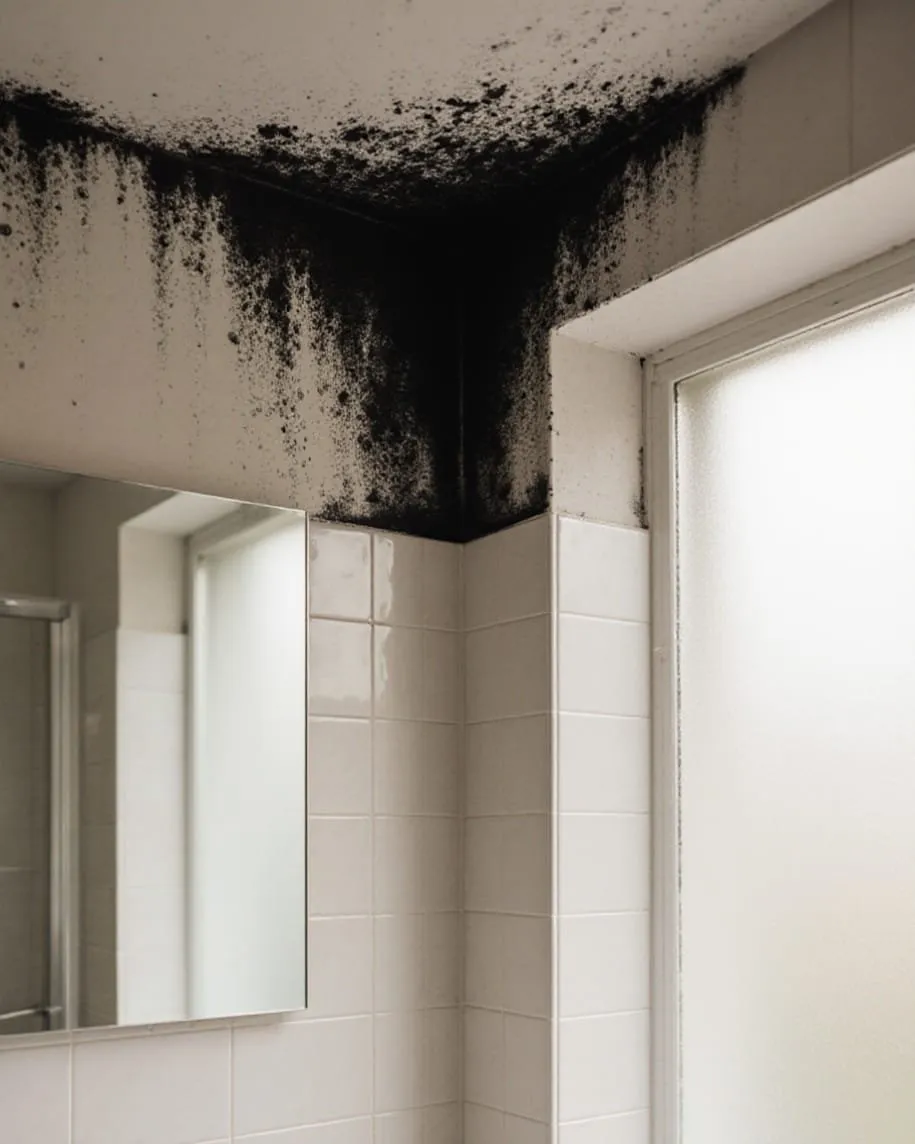
Dark mould above bathroom wall tiles beside a window

Active leaks need the appropriate immediate help

A moisture inspection does not replace emergency plumbing, electrical or building assistance. If water is still escaping or the damage appears unsafe, arrange the appropriate immediate help first. Do not enter or disturb an area that appears unstable. Tell us what has happened and whether another professional has already attended so the inspection discussion starts from the current situation.

Once the immediate source has been handled, questions may remain about the areas affected and the next work needed. Water can leave damage beyond the first visible mark. A moisture assessment can help you discuss the condition of accessible surfaces and whether further investigation is required. This is a different task from stopping an active leak, and the distinction should remain clear when booking.

Visible damage does not show every route

A stain may appear away from where moisture entered. Walls, ceilings and adjoining spaces can provide different pieces of the story. Describe any nearby plumbing, recent rainfall or work to the building, but do not treat that information as a confirmed cause. The assessment considers the pattern and the accessible evidence together.

Moisture readings also need context. They should be understood alongside materials, location and the history of the incident. A reading alone does not establish that every concealed area is affected or unaffected. Where access is limited, we explain the limits and whether a separate check is needed. This helps avoid making a repair decision from a single visible patch or isolated measurement.

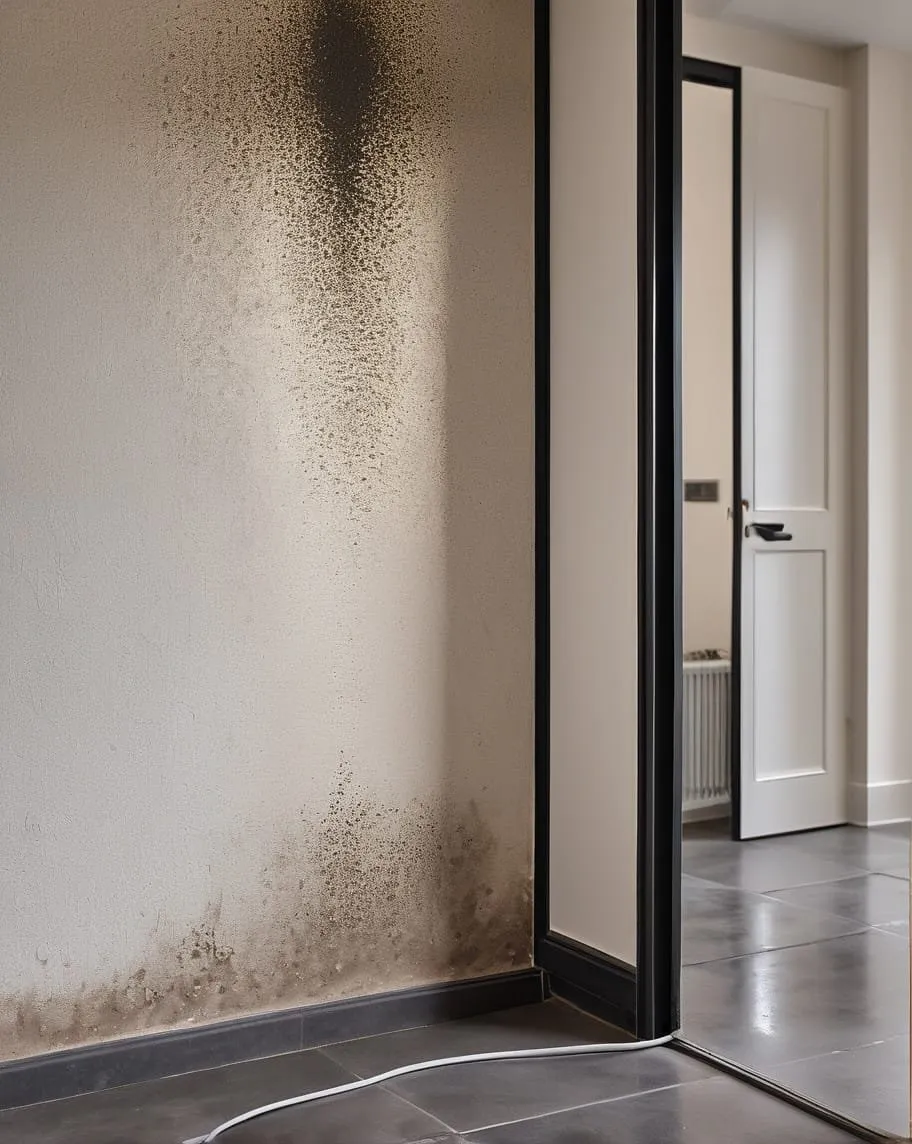
Marks on a lower wall beside an interior doorway

THE PROPERTY IN CONTEXT

Look beyond the visible mark.

The affected material, the location and the history of moisture all help guide the next step. Tell us how the area has changed and what repairs have already been attempted.

Information to gather before calling

Note when the issue started and whether it is changing. Photographs from a safe position can show the affected area and nearby surfaces. Mention any repair already made and whether the water stopped afterwards. If someone else manages the building, have their contact and access arrangements available where possible. You do not need to open walls or ceilings to make an enquiry.

For a flat, the moisture source may involve another property or a shared part of the building. Explain who can arrange permission if those areas need attention. For a business, tell us which rooms are affected and whether occupancy limits access. This information can help establish a useful scope without assuming that all connected spaces are available for inspection at short notice.

What the assessment can help clarify

The visit is intended to investigate the agreed moisture concern in accessible areas. We discuss the observed damage, the moisture context and any further checks that may be needed. You should understand which findings are supported by the assessment and which possible sources remain unresolved. That distinction matters when arranging repairs or deciding whether surface treatment is appropriate.

If you require a written document for a landlord, managing agent or insurer, explain the requirement before booking. A general moisture inspection is not automatically an insurance report or structural assessment. The intended purpose and available reporting scope should be agreed. This avoids expecting a visit arranged for one urgent question to provide a different kind of document afterwards.

From moisture concern to repair and treatment

Once the source and condition are better understood, the next steps may involve separate repairs, further investigation or treatment of affected surfaces. Not every wet patch immediately calls for mould removal. Equally, visible mould should not be ignored simply because the original leak has been repaired. We discuss the present condition and how the tasks relate to one another.

Decoration should follow an informed plan rather than hide the evidence before the concern is understood. Ask what needs addressing before finishes are restored and whether the accessible findings suggest additional checks. We do not claim that moisture detection includes all drying, restoration or building work. Any related service needs its own clear scope and availability discussion.

Explain the urgency when you enquire

Tell us when the moisture appeared, whether water is still escaping and which rooms can be accessed. We can discuss current inspection availability and the purpose of the proposed visit. Active leak repair and unsafe damage need the appropriate immediate help. Once that situation has been addressed, we can consider the accessible moisture concern and explain whether further checks or surface treatment should be discussed.

If the concern is long-standing rather than sudden, a damp survey may provide the better starting point. If a ceiling remains affected after a repaired leak, ceiling mould treatment can be discussed alongside its condition. For damage that follows rain, penetrating damp inspection may be relevant. These links help you choose the next service without assuming that every moisture problem is the same.

Urgent inspection questions

Do you guarantee same-day attendance?

Call to discuss current availability and explain what is happening. Any attendance arrangements need to be agreed for the proposed visit.

Will you stop the leak?

Moisture inspection and leak repair are different tasks. Arrange the appropriate repair help for active water escape and discuss the inspection scope separately.

Can you inspect after a leak has been repaired?

Tell us when the repair happened and which areas remain affected. The history can help guide an assessment of the current moisture concern.

Discuss your London property

Call with your location, the affected rooms and the history of the concern. We’ll discuss the appropriate next step and the scope you need.