
LONDON PROPERTY CARE
Mould Remediation Hackney
We help with mould in Hackney by checking the affected finish as well as the visible growth. We explain the treatment scope and discuss whether deterioration, continued moisture or earlier repairs change the next step.
Inspection is distinguished from emergency repair.
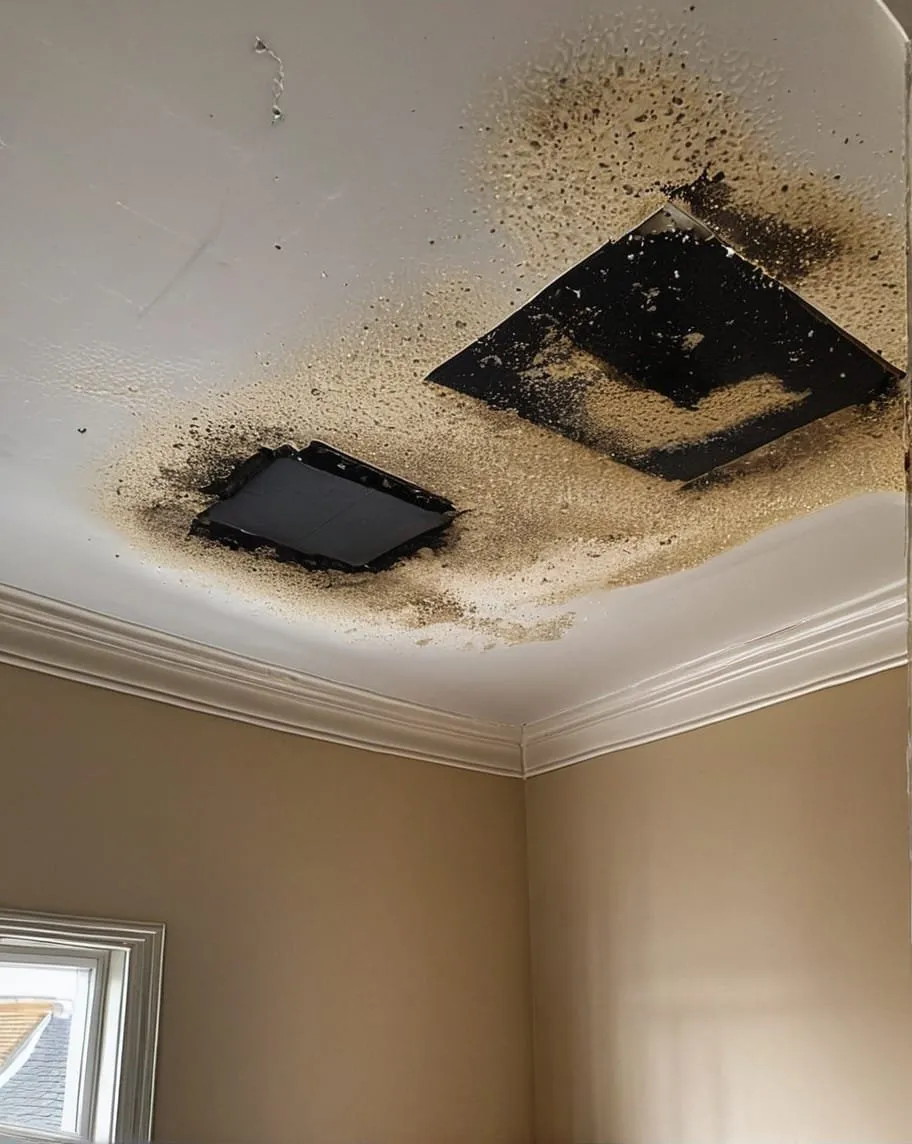
- Record when the water source stopped
- Discuss ceilings and connected rooms
- Plan restoration after the assessment
Deal with an active incident through the right help
If water is still escaping or damage appears unsafe, arrange appropriate immediate assistance. A mould enquiry does not replace a plumbing, electrical or building emergency response. Explain whether that first repair has already happened and what remains visible. This keeps the inspection discussion tied to the current situation.
We handle Hackney service enquiries through the London contact. Call to discuss availability and the work needed at the property. Once the immediate concern has been managed, an assessment may help investigate accessible moisture conditions and guide the next work. Those are different tasks and should not be combined into an assumed all-inclusive visit.
A repair date is valuable background
Note when the leak was discovered, what was repaired and whether water stopped appearing. Add photographs showing the affected locations where it is safe to do so. A surface may remain marked after the source has been addressed, while another patch could suggest an unresolved question. Appearance alone does not explain which situation applies.
The moisture detection page describes the enquiry route for recent concerns. Mention any earlier assessment and access restriction. A useful visit considers the incident history alongside the present material condition, instead of treating every remaining stain as proof that the original repair did or did not work.
Check the relationship between ceiling and wall damage
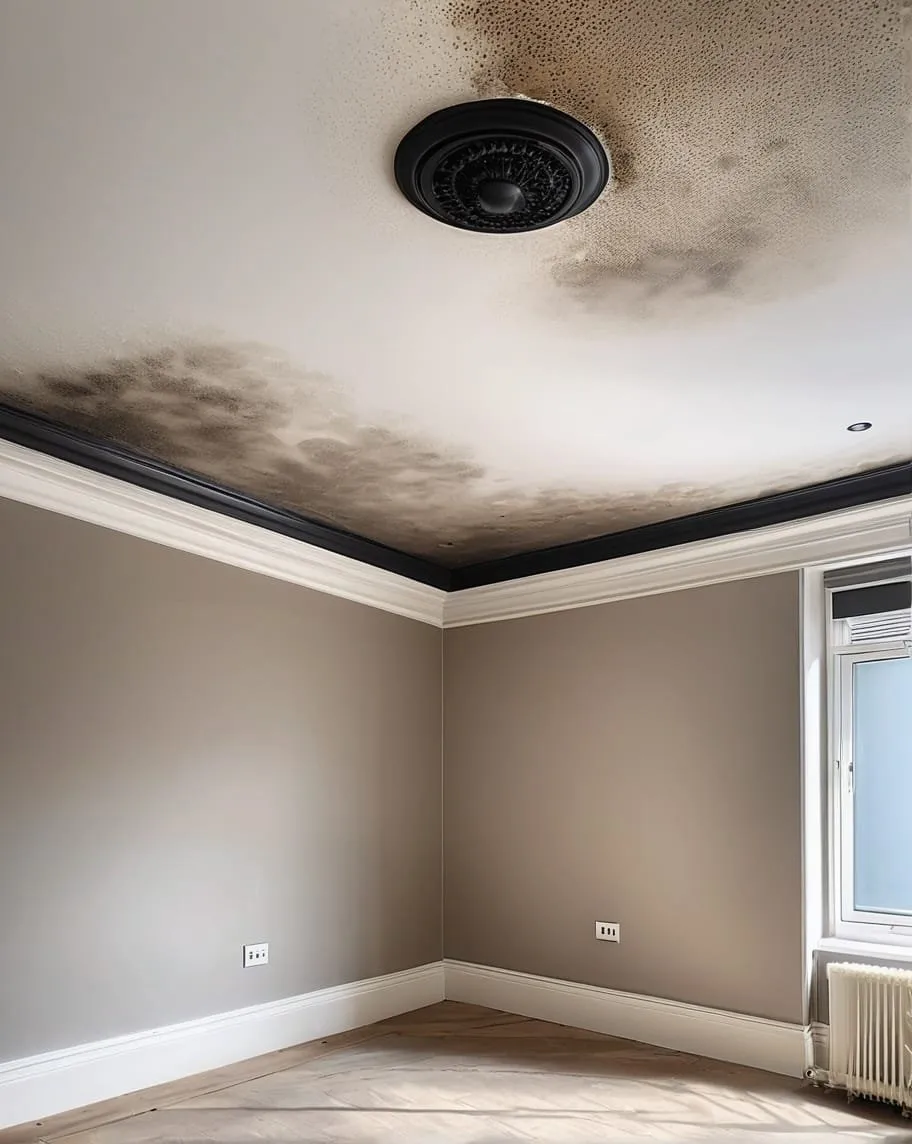
The first visible patch may not show the whole affected area. Nearby walls, another room or a connected flat can introduce further questions. List those observations separately, including their timing. Avoid opening concealed spaces merely to map the concern before speaking to us.
Read about ceiling assessment and treatment where upper surfaces are involved. Height, fittings and what lies above the room can affect access. If a relevant part of the building is outside the available inspection area, the findings should explain that limit rather than imply it was checked from below.
Ask what the condition of the finish means
Staining, peeling paint and visible growth may need different attention. The proposed scope should distinguish mould removal from plaster repair, drying or restoration work. Tell us what you want to arrange, but ask which tasks are available and which need another service. The term remediation does not automatically include rebuilding every damaged surface.
Our wall surface guide covers the materials discussion. If the source is still uncertain, a wider damp assessment may be more appropriate before restoration. Each stage should answer a defined question rather than repeat work because a mark remains visible.
We consider the finish because treatment decisions depend on more than the colour of the patch. Loose coverings or deteriorating material may introduce a repair question alongside the removal work. We explain that distinction before you arrange restoration. This gives you a practical sequence: understand the accessible condition, remove growth and apply suitable anti-fungal treatment within the agreed scope, consider the moisture findings and then coordinate any separate work needed to restore the finish.
Talk through the property concern
Keep the scope clear for other parties
A landlord, agent or insurer may ask for particular information. State that purpose before booking. A general moisture visit should not be presented as an insurance report or structural survey without the required scope being agreed. You should know what findings can be provided and what remains outside the service.
For flats, identify the person managing shared areas or access to another property. For businesses, mention affected operations and room availability. The practical arrangement may depend on those contacts, especially after an incident involving more than one space. Accurate coordination can be as important as choosing the treatment category.
Do not let new decoration end the investigation
Before a fresh finish is planned, understand the outstanding concern and the condition of the materials. Decoration may hide evidence without explaining it. Ask which repairs are complete and whether further checks are advised. Retain dates and findings so any later change can be understood against the work done.
Call about your Hackney property with that history. Properties in nearby Dalston, Stoke Newington and Bethnal Green can also be discussed. Explain the exact location and keep the incident sequence clear: immediate repair, inspection questions and surface work answer different needs.
QUESTIONS FOR THIS VISIT
Before making arrangements
Does a stain mean the leak is still active?
Not automatically. Explain the repair history and whether the mark is changing. Assessment of present conditions is more useful than judging the repair from the continued presence of a decorative stain alone.
Does mould removal include drying the property?
No all-inclusive assumption should be made. Ask about the specific services needed after water damage. Treatment, drying, repair and decoration require a clear scope rather than one vague description.
Can you issue any document an insurer requests?
Provide the actual requirement before arranging the visit. Reporting purposes vary, and a general assessment is not automatically a report suitable for every insurance decision.
Should I open the ceiling to show the damage?
Do not disturb a concealed or potentially unsafe area merely to make an enquiry. Describe the location and access. Any need for additional inspection should be discussed with the appropriate professional.
Why keep photographs after a repair?
They can show which area was affected and how it changed. Together with repair dates, they provide a history that helps a later assessment distinguish remaining damage from a new concern.
Nearby service enquiries
We also take enquiries in the surrounding areas. Call with the property’s address and affected rooms.
Tell us what remains after the repair
Mention when the water source was addressed and which surfaces still show damage or growth. We can discuss the inspection concern without confusing it with emergency leak repair.