
LONDON PROPERTY CARE
Mould Remediation Bethnal Green
When marks change after wet weather, the timing deserves attention without becoming a diagnosis on its own. Our Bethnal Green service reviews that history, assesses accessible surfaces and moisture evidence, then explains appropriate remediation alongside any water-entry question that needs separate investigation.
The proposed route follows evidence and available access.
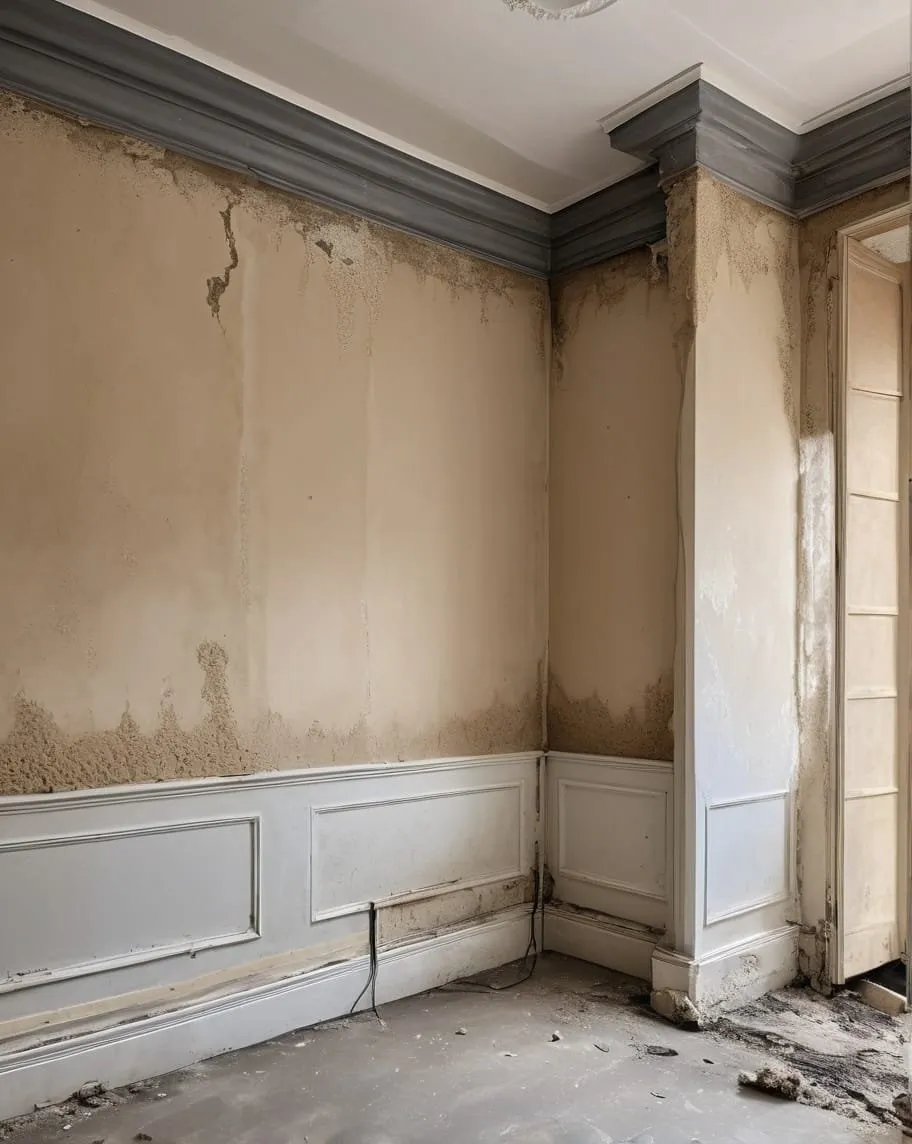
- Review changes linked with wet weather
- Assess accessible internal evidence
- Keep water-entry repairs distinct
Turn the weather observation into a usable history
We ask which surface changes, when you notice it and whether growth or staining has extended over time. Dates and wider photographs can support the enquiry. A rain-linked change is useful information, but it does not identify every route water might take through the building. We use the observation to focus assessment, keeping possible explanations separate from what has actually been established about the affected room.
We compare the reported location across the available photographs and ask which repairs occurred between them. A picture before an exterior task and one afterwards can describe a change without proving its cause. We use that sequence to focus the inspection question and explain the current interior treatment need, rather than repeat an earlier assumption.
Assess the accessible internal surfaces
We consider material condition, visible patterns and relevant moisture readings with the history. Our damp and moisture inspection provides a route for discussing that work. Accessible evidence should be explained with its limits, especially if the relevant exterior or another space cannot be reached. We do not make a complete source claim from one indoor photograph or present uninspected building components as checked.
Discuss the water-entry investigation where relevant
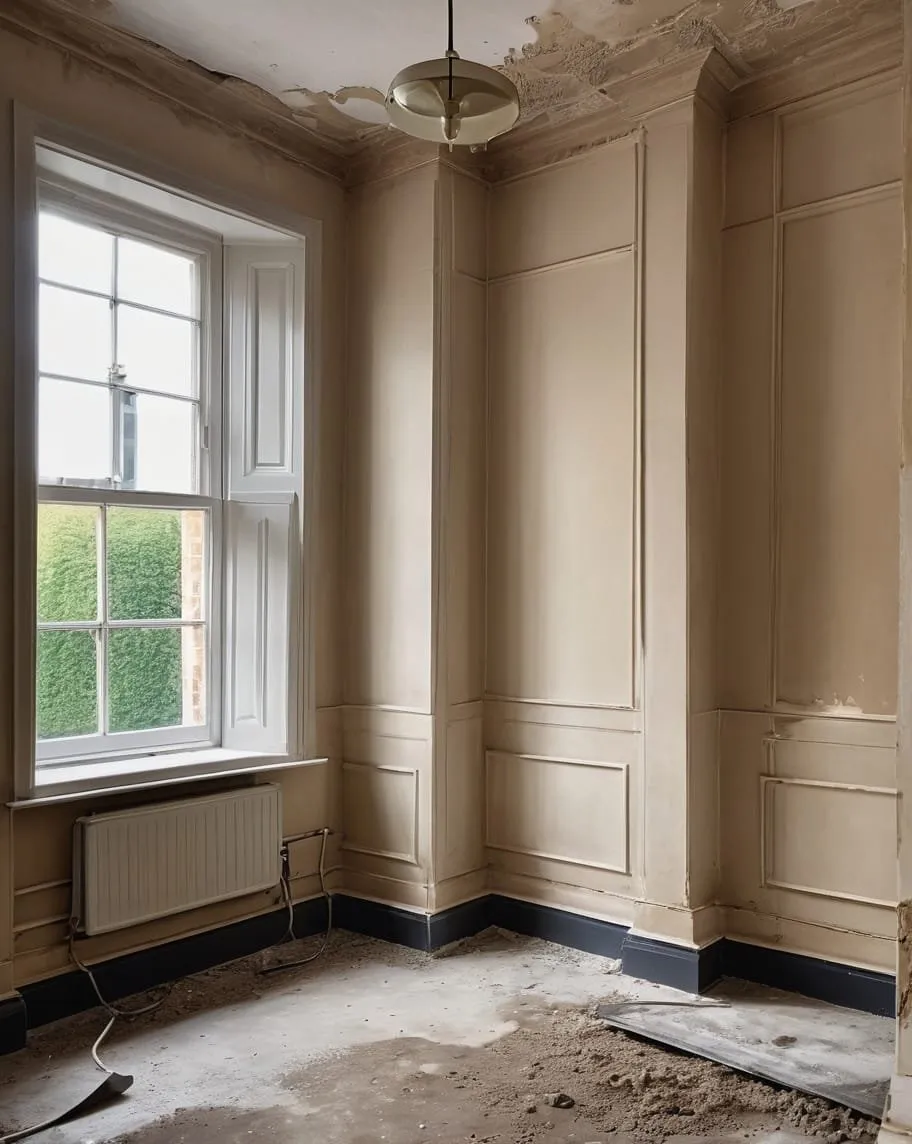
If the evidence raises a penetrating moisture question, our penetrating damp service can be considered. We explain why that route is relevant and what access the enquiry requires. A separate repair may need another contractor or property contact. Keeping this stage distinct helps you understand which task concerns the source and which proposed work addresses the affected internal materials.
Remediate the defined surface concern
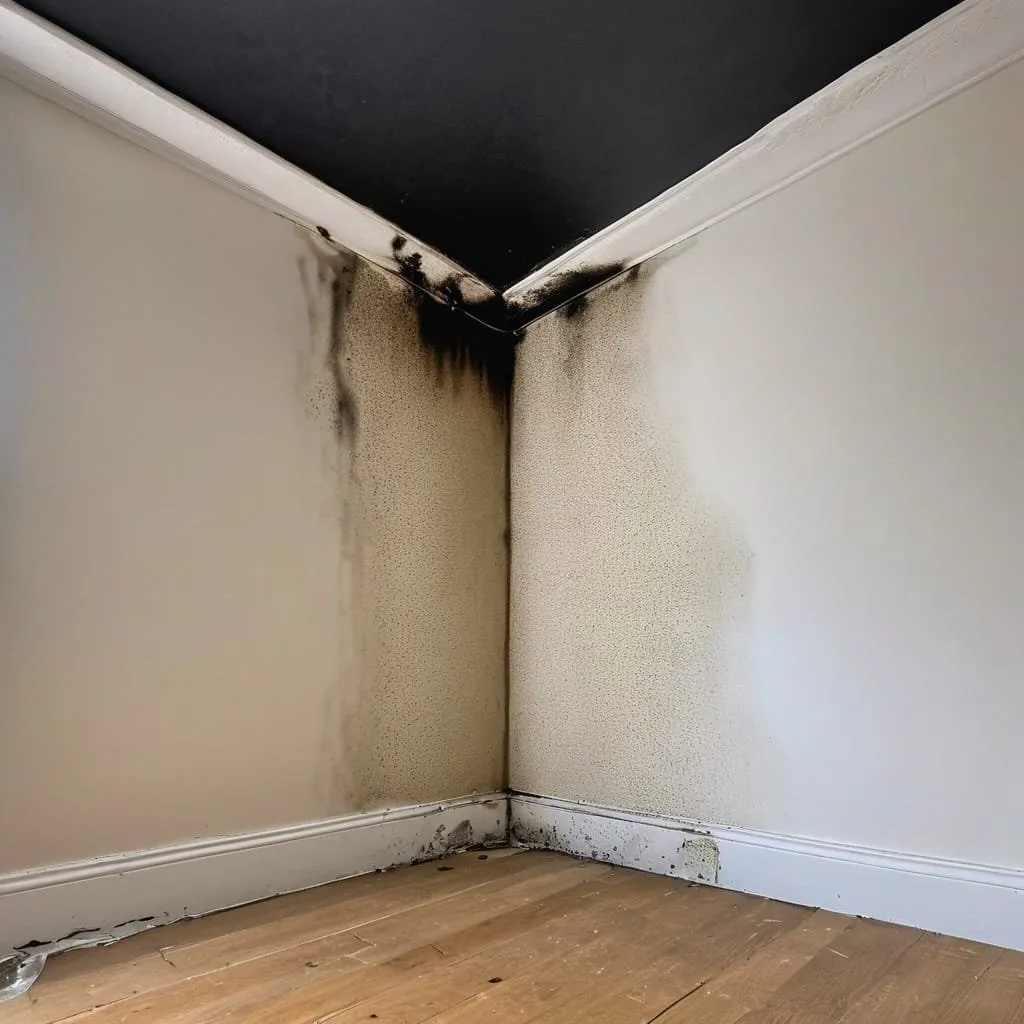
Following assessment, suitable anti-fungal applications may be part of treatment for the agreed accessible surfaces. Our mould removal service covers the remediation discussion. We identify areas included and explain where damaged finishes require another task. Surface treatment should not be presented as repairing an ongoing water-entry route, so the scope makes that boundary clear before work is approved.
Talk through the property concern
Explain the repair and prevention relationship
Our related service range allows moisture assessment and treatment to be discussed together. We explain what the findings support, which separate action remains important and how practical prevention advice applies. Room advice should not conceal an unresolved building repair. You can ask for the reasons behind the proposal in plain English, giving the person coordinating the property a clearer brief than a collection of disconnected service names.
Keep the later changes tied to completed work
Record any source repair date separately from remediation and finish restoration. If marks change after another period of rain, the sequence helps a further assessment focus on the remaining question. For Bethnal Green properties, we use that address-specific evidence rather than claim the district has one common cause. A room record with dates and observed changes is enough to begin; you do not need to diagnose the exterior yourself.
QUESTIONS FOR THIS VISIT
Before making arrangements
Does a rain-linked mark prove penetrating damp?
It raises a relevant question but does not establish the source on its own. We consider the accessible evidence, history and material condition before discussing the assessment route. The findings should distinguish observations from possible explanations, particularly where exterior access is restricted.
Can mould treatment fix an exterior defect?
Remediation addresses the affected materials within its agreed scope. A water-entry route may require separate repair or investigation. We explain how the stages relate so appropriate surface treatment is not mistaken for completing a building task that lies outside the proposal.
Should I take photographs after every rainfall?
A practical dated record of noticeable changes can be useful; it does not need to become a daily project. Show the room position and affected area where possible. Those observations support the enquiry alongside current evidence and any available repair history.
What if another owner controls the outside area?
Tell us who holds access or repair responsibility so the relevant contact can be identified. We discuss what is available to assess and explain limits. Permission or a separate investigation may be needed before an external question can be settled beyond the internal surface observations.
Is it worth enquiring when the wall looks dry today?
Describe the earlier changes and current condition. A single appearance does not account for the full reported history. We can discuss an appropriate enquiry using the dated observations, material condition and available access, without assuming today’s look resolves every question about the room.
Nearby service enquiries
We also take enquiries in the surrounding areas. Call with the property’s address and affected rooms.
Tell us how the mark changes with the weather
Call about the Bethnal Green address with the affected surface and repair history. We can discuss moisture assessment, appropriate remediation and any separate water-entry investigation, then explain a proposed scope that keeps the source and internal treatment tasks understandable.