
MOULD REMEDIATION LONDON
Mould & Damp Advice for London Properties
Useful questions to ask when mould, damp or condensation affects your property. Start with what you can observe, then choose the right assessment or treatment.

- Keep observations factual
- Understand treatment and repair tasks
- Ask what the assessment includes
Describe the problem before naming the cause
A dark patch, a damp stain and peeling paint can all raise concern, but they do not explain themselves. Before choosing a treatment, make a short record of what is happening. Note the room, the surface and when you first noticed the change. If the patch has returned after cleaning or decoration, include that history too.
This is not about turning you into a building specialist. Clear observations simply make the first conversation more useful. A photograph of the whole wall can provide different information from a close-up. Mention a nearby window, a bathroom on the other side or a known leak. If you are unsure of the source, our damp survey and moisture inspection page explains the investigation route.
Follow changes over time
Does a stain become more noticeable after rain? Do water droplets appear on the inside of the glass most mornings? Does the mould return during colder weather? These details can help guide an assessment. Keep the observations separate from a diagnosis, because more than one moisture condition can affect the same property.
If repairs have already been attempted, write down what they involved and whether anything changed. A leak repair, a new extractor or a fresh finish may each tell part of the story. Earlier documents can also provide background. The present condition still needs attention, rather than assuming that an old treatment record proves the current concern has been resolved.
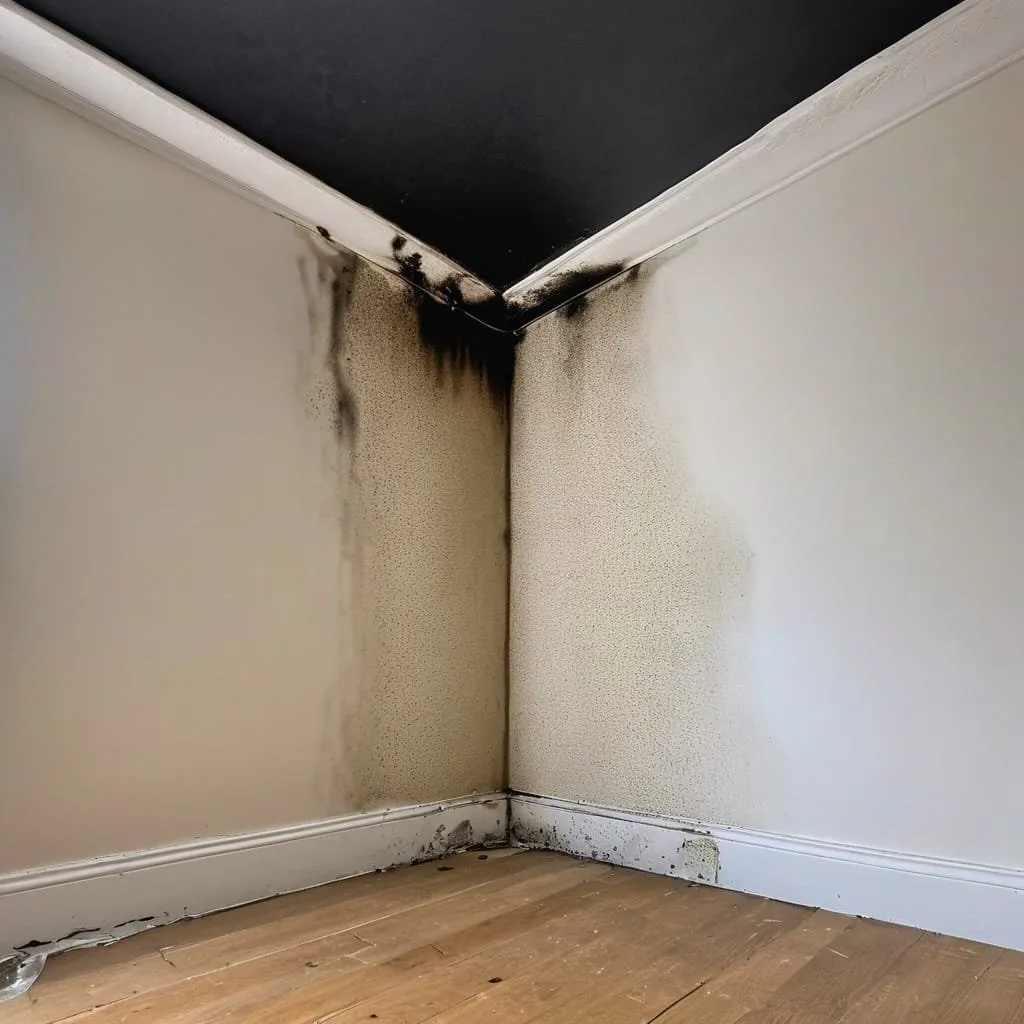
Understand why location matters
Mould around a window raises different practical questions from damage low down on a wall. Ceiling marks may need a conversation about access and what is above the room. Bathroom surfaces introduce their own material and ventilation considerations. A useful service choice starts with those differences rather than a generic label for all mould.
Read our window mould treatment guide if the issue is concentrated on frames and reveals. For a bathroom, the bathroom mould removal page explains why painted finishes and sealant should be considered separately. If low-level wall damage is the concern, rising damp investigation describes why the position alone does not prove the cause.
Separate the moisture source from surface work
Treatment of visible mould and a repair to stop water entering are different tasks. The property may need both, but they should not be confused. A surface treatment does not automatically include fixing a pipe, replacing a window detail or repairing a roof. Ask what the proposed work addresses and which concerns require separate attention.
The same distinction matters with decoration. New paint can change the appearance without establishing that the moisture condition has been resolved. Before restoring a finish, understand any outstanding investigation or repair needs. Our wall mould removal page explains the surface questions, while penetrating damp inspections covers damage that may involve water entering through the building.
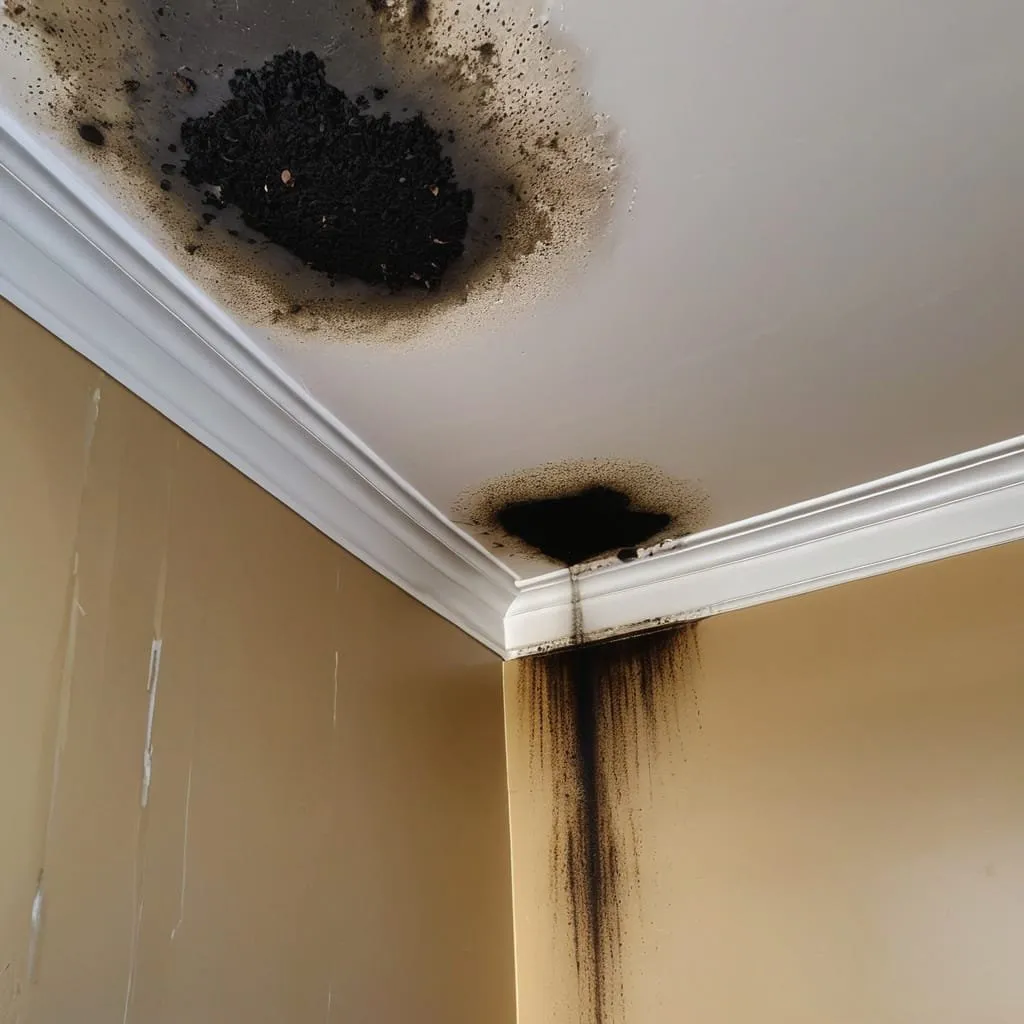
Ask what is included in an assessment
The scope should explain which rooms or areas are included and what access is available. Concealed spaces, neighbouring flats and shared external areas may require separate arrangements. A finding should distinguish what was observed from what remains uncertain. It is reasonable to ask what supports the recommendation and whether another check is needed.
If you need a written report, explain its intended use before booking. A maintenance record, a landlord assessment and a document requested by another party may have different requirements. Do not assume that a general visit is a structural survey or legal opinion. The landlord assessment reports page explains the importance of agreeing the reporting purpose in advance.
Make the visit practical
Tell us about high ceilings, fitted furniture, locked rooms and operating hours. Those details can affect the plan even when the visible patch is small. In a rented property, confirm who can arrange access and who can approve work. For a managed building, identify the contact responsible for shared parts that may need investigation.
You do not need to disturb damaged materials or move heavy items before making an enquiry. Describe the access and ask what preparation is appropriate. For commercial premises, discuss use of the affected room and any need to coordinate with another occupant. Our commercial damp and mould services page covers those management questions in more detail.
Compare work, not just headline prices
Two estimates may refer to different services. One might concern inspection, another surface treatment and another a wider repair. Compare the included areas, the reporting scope and any limits on access. Ask whether related decoration or damaged finishes are outside the proposed work. A figure is easier to understand when its scope is clear.
Our quotes and pricing page explains the main questions to raise. We do not publish a universal price for every damp problem. Property condition, access and the investigation required can all affect the recommendation. Giving those details at the enquiry stage helps make the discussion specific to the building instead of a generic estimate.
Know which concern needs immediate repair help
If water is actively escaping or building damage appears unsafe, arrange the appropriate immediate assistance. A moisture inspection does not replace an emergency plumbing, electrical or structural response. Explain what has happened, whether the source is still active and whether a repair professional has already attended.
Once the immediate issue has been handled, questions about affected surfaces may remain. Our urgent moisture detection page explains that separate inspection discussion and how to enquire about availability. For general booking questions, contact us with your London location, the affected rooms and a short history. You do not have to diagnose the cause before asking about the next step.
Discuss your London property
Call with your location, the affected rooms and the history of the concern. We’ll discuss the appropriate next step and the scope you need.