LONDON PROPERTY SERVICES

Wall Mould Removal London

A mouldy wall needs more than a fresh finish. We assess the material, the pattern of growth and the moisture history to recommend practical wall mould removal for your London property.

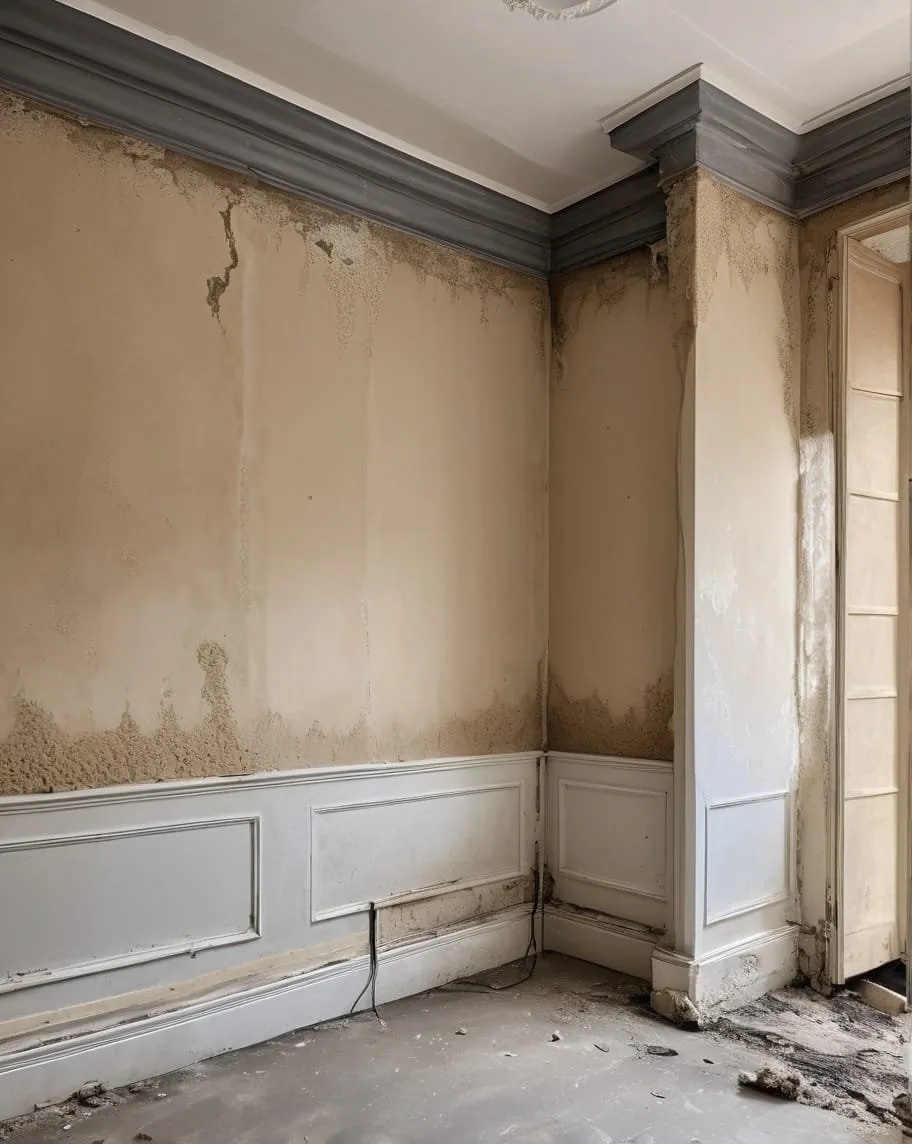
Mould and deteriorating finish on an interior wall
  • Review wall finish condition
  • Consider leaks and cold surfaces
  • Plan repairs before redecoration

ON THIS PAGE

Understanding where wall mould appears

Wall mould can be obvious across a large painted area or hidden behind furniture until the room is rearranged. You might see spots around an external corner, growth near a window or damage along the bottom of the wall. The position gives useful clues, but it cannot establish the cause on its own. A wall can also be affected by more than one moisture condition.

We provide wall mould removal for London houses, flats, rental properties and commercial spaces. Our approach considers the wall and the room together. Tell us whether the problem is new, has returned after treatment or is spreading to nearby surfaces. That history helps us discuss whether surface remediation or an investigation should come first.

Different coverings can change the next task. Our Chelsea wall-finish guide considers the finish before repairs or decoration, while the Barnes wallpaper guide explains the limits of assessing visible growth on wallpaper and loose coverings.

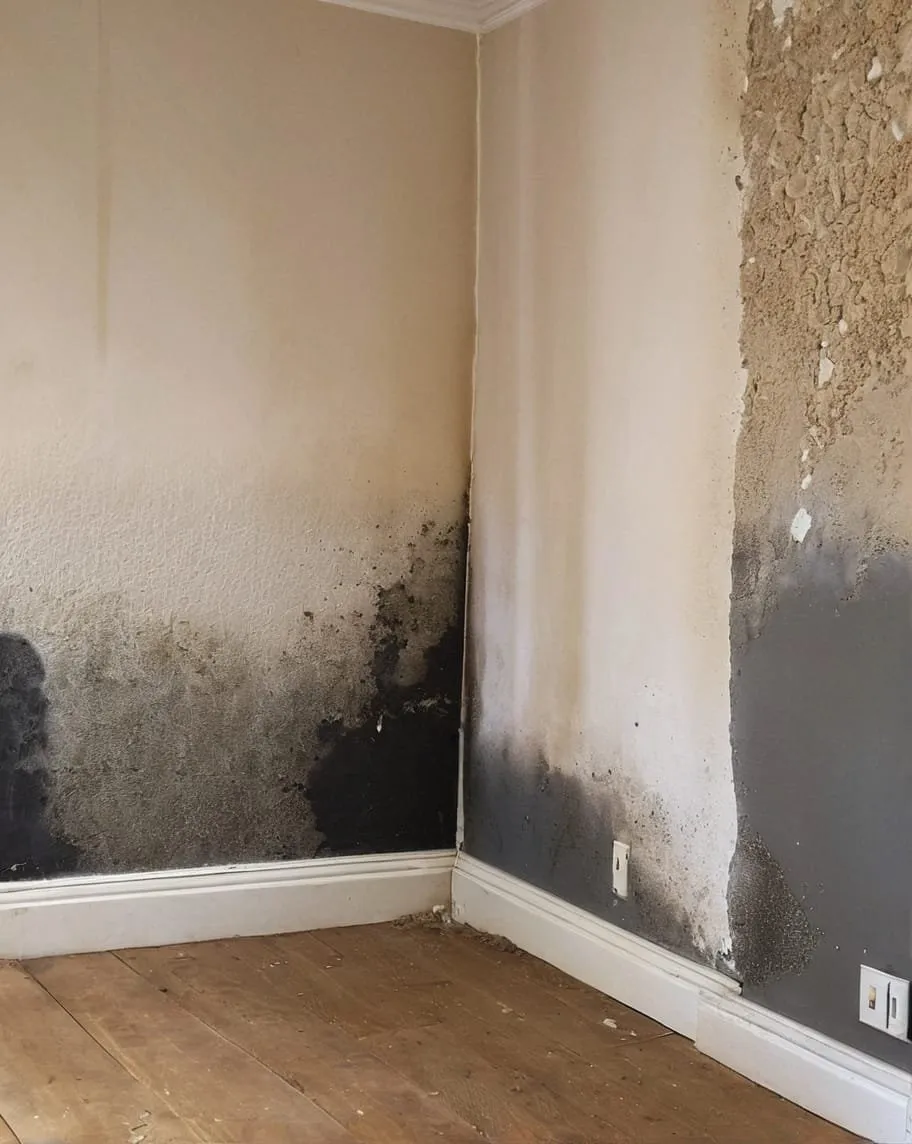
Staining and damaged finish on a painted wall

Discuss the covering and the material beneath it

Tell us whether the growth is on sound paint, lifting wallpaper or damaged plaster. We assess the accessible finish before recommending appropriate surface work. Suitable anti-fungal applications may be part of remediation, but a deteriorating covering or damaged material raises a separate repair question. If furniture or a fitted unit conceals part of the wall, we explain what could be assessed and what further access may be needed. This helps you plan treatment and restoration around the actual wall condition.

This is particularly important when planning decoration. A new finish can cover the visible evidence without resolving the underlying moisture concern. Before arranging painting or papering, understand the condition of the wall and any outstanding repairs. We discuss remediation as its own scope; it should not be assumed to include stripping every finish, replacing plaster or carrying out a complete room refurbishment.

Cold surfaces, leaks and external moisture

Growth on a cold external wall can be associated with condensation, especially where airflow is restricted. However, a known leak or moisture entering the building may need a different investigation. Lower wall damage can raise questions about rising damp, plumbing or other moisture sources. No single position should be treated as automatic proof of a particular defect.

It helps to note what changes the patch. Does it become more noticeable after rain? Does it return in colder months? Is the damage limited to a wall adjoining a bathroom? Tell us about repairs already attempted and whether they made a difference. We use these observations alongside the assessment, rather than selecting a treatment from a photograph without the wider context.

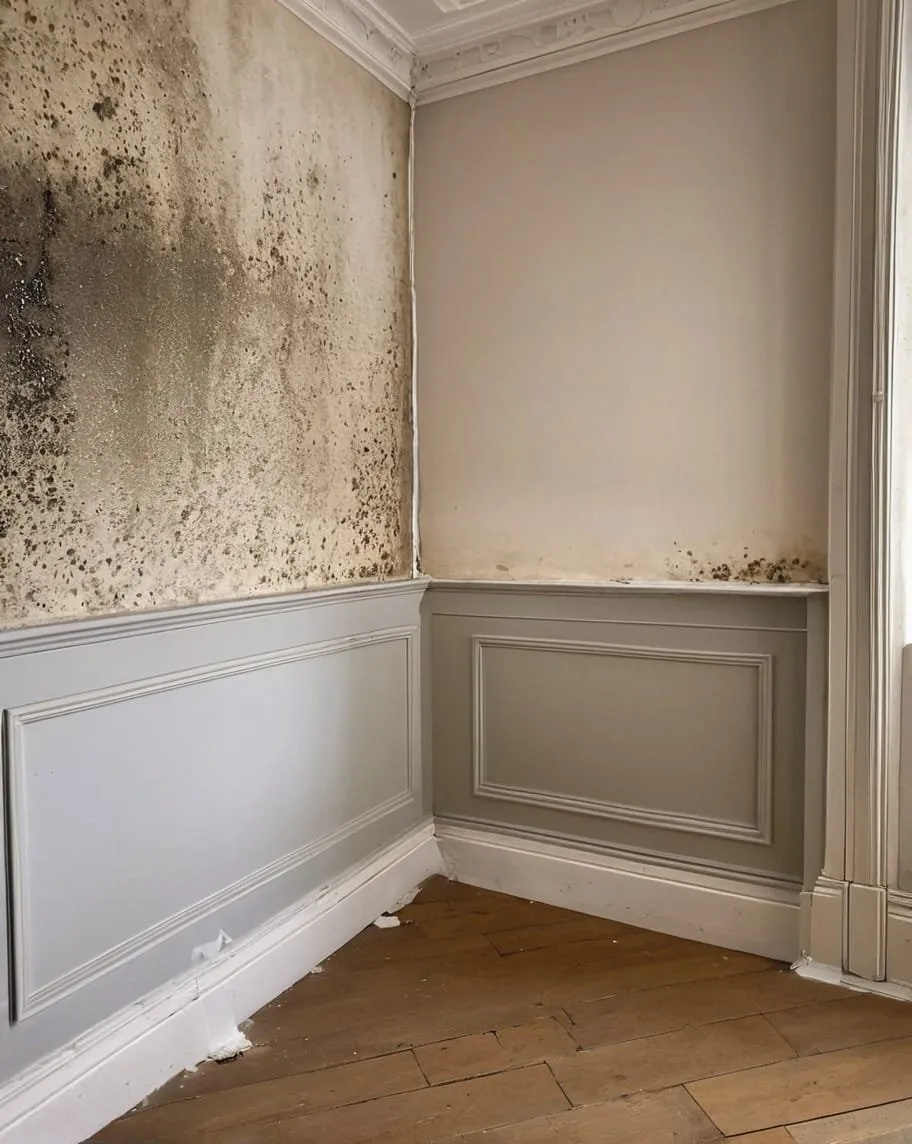
Mould patches above interior wall panelling

THE PROPERTY IN CONTEXT

Look beyond the visible mark.

The affected material, the location and the history of moisture all help guide the next step. Tell us how the area has changed and what repairs have already been attempted.

Looking behind the obvious area

The visible patch may not show the whole extent of the problem. Furniture, cupboards and stored items can limit access. We discuss these areas when agreeing the visit, without asking you to disturb materials or move heavy objects before speaking to us. If a wall is partly concealed, you should understand what can and cannot be assessed within the agreed access.

In flats, an affected wall may adjoin a communal area or another property. In commercial premises, it may sit behind fitted equipment. Explain those arrangements early. Permission and practical access may be needed before a wider investigation can take place. A clear assessment should record these limits instead of giving the impression that an inaccessible part of the building has already been checked.

Treatment suited to the affected area

We assess the included wall finish and spread of growth, then propose surface work suited to the material and condition. Suitable anti-fungal applications may form part of the remediation. We identify the wall areas covered and explain whether deterioration raises a separate repair question. If several walls are affected, their materials and histories help shape the proposal rather than assuming one identical task throughout. Relevant moisture recommendations stay connected to those findings.

Where a separate defect needs repair, we discuss how that work relates to remediation. Treatment of visible mould does not repair a gutter, leaking pipe or damaged window detail. Keeping these tasks clear helps you plan the order of work and avoid paying for repeated surface treatment while the wall remains exposed to moisture.

Practical information for the visit

Photograph the whole wall and the affected area if you can. Note when the marks first appeared and whether they have changed. Tell us about the wall finish, room use, nearby plumbing and any recent water damage. Previous inspection notes are useful even if the recommendation was not carried out. The aim is to understand the history, not judge earlier decisions.

For landlords and property managers, confirm who is arranging access and who can approve any work. If you need written findings for a management record, explain that purpose before booking. Pricing depends on the areas included, condition, access and investigation needed. We discuss those details so the recommendation is about the wall in front of us, rather than a standard price for any room.

Questions about mould on walls

Can wallpaper stay in place?

That depends on its condition and the assessment. Damaged or affected finishes may need separate attention. Do not assume the scope includes removal or replacement without discussing it.

Is low-level wall damage always rising damp?

No. Several conditions can affect lower wall sections. An investigation should consider the evidence and other possible sources before recommending a repair.

What if the mould is only behind furniture?

Tell us the location and how much access is available. Restricted airflow may be relevant, but the wall condition and moisture history still matter. An assessment helps avoid treating that location as the whole explanation.

Discuss your London property

Call with your location, the affected rooms and the history of the concern. We’ll discuss the appropriate next step and the scope you need.