
LONDON PROPERTY CARE
Mould Remediation Barnes
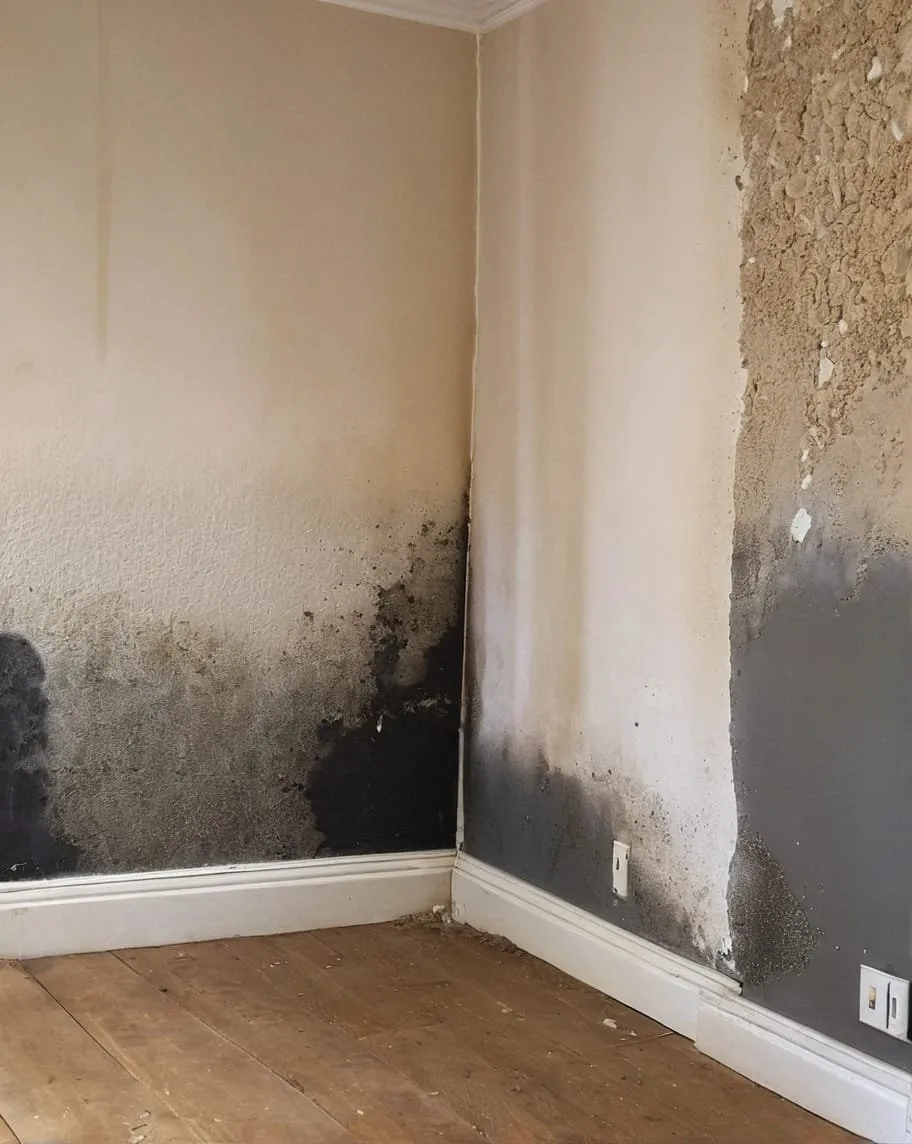
Wallpaper can make a mould concern harder to read. We help Barnes owners describe visible growth and loose finishes, assess the accessible material and understand how surface treatment relates to any separate stripping or repair work.
The material condition shapes the proposed work.
- Assess the visible finish
- Clarify concealed-area limits
- Separate treatment from restoration
Identify what is visible on the finish
Growth on wallpaper can lead an owner to wonder whether the concern is limited to the surface or extends underneath. We ask what you can see, whether the paper is loose and whether any section has already been removed. That defines the current evidence without pretending the concealed material has been inspected.
For Barnes properties, we discuss the affected room and the history of the finish. Mention when it was decorated and whether the mark returned after earlier cleaning. The aim is to understand the concern before anyone assumes that stripping the whole room is the necessary first step.
Consider accessible materials carefully
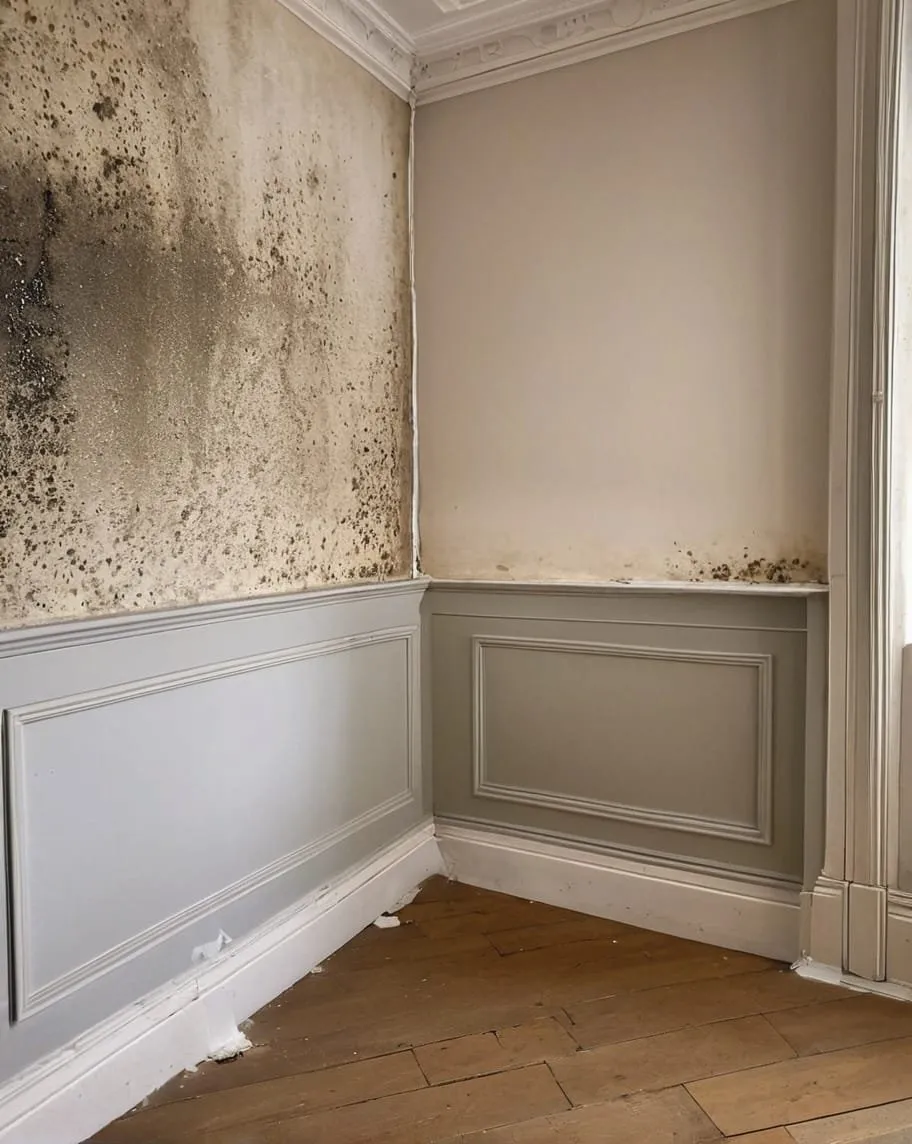
We assess the included surfaces and discuss their condition. Wallpaper, exposed plaster and painted areas can require different treatment or preparation questions. If parts remain concealed, that limitation should be clear. We do not treat a neat-looking section of paper as proof of the wall condition behind it.
Our wall mould removal service explains the relationship between growth and finishes. We discuss the work proposed on the materials included. Repairing damaged plaster or reinstating decoration is a separate task that should be understood before you compare or approve the scope.
Review moisture before deciding on a new finish
We ask about known leaks, recurring marks and the room conditions you have observed. Where the source is uncertain, an agreed damp and moisture inspection can address the question before redecoration hides the evidence. Previous advice is useful background but should be kept distinct from confirmed repairs.
A lifted edge or stain alone does not establish every cause. We use the history and accessible observations to explain the next step. That helps avoid choosing a new wall covering while the original moisture concern remains poorly understood.
Propose treatment that suits the assessed surface
Remediation addresses the agreed affected materials. Appropriate anti-fungal surface applications may form part of the treatment, depending on the assessment and condition. We explain the proposal rather than recommend that you simply apply a product over a finish that has not been considered properly.
Our mould removal information provides further context. If wallpaper is deteriorating or access requires preparation, discuss who will undertake that task. The treatment proposal should not leave you guessing whether removal of finishes and complete room restoration are included.
Coordinate with the person restoring the room
Tell us if a decorator is already involved and which areas they intend to strip or replace. We can discuss how the mould assessment fits into that plan. Photographs before alteration may preserve useful context, especially where the original pattern will no longer be visible afterwards.
Keep the responsibilities and sequence clear. An owner can then arrange surface treatment and separate decorative work without confusing their purposes. You should understand which question the remediation answers and which decision remains for another contractor or further assessment.
Why material-led planning helps
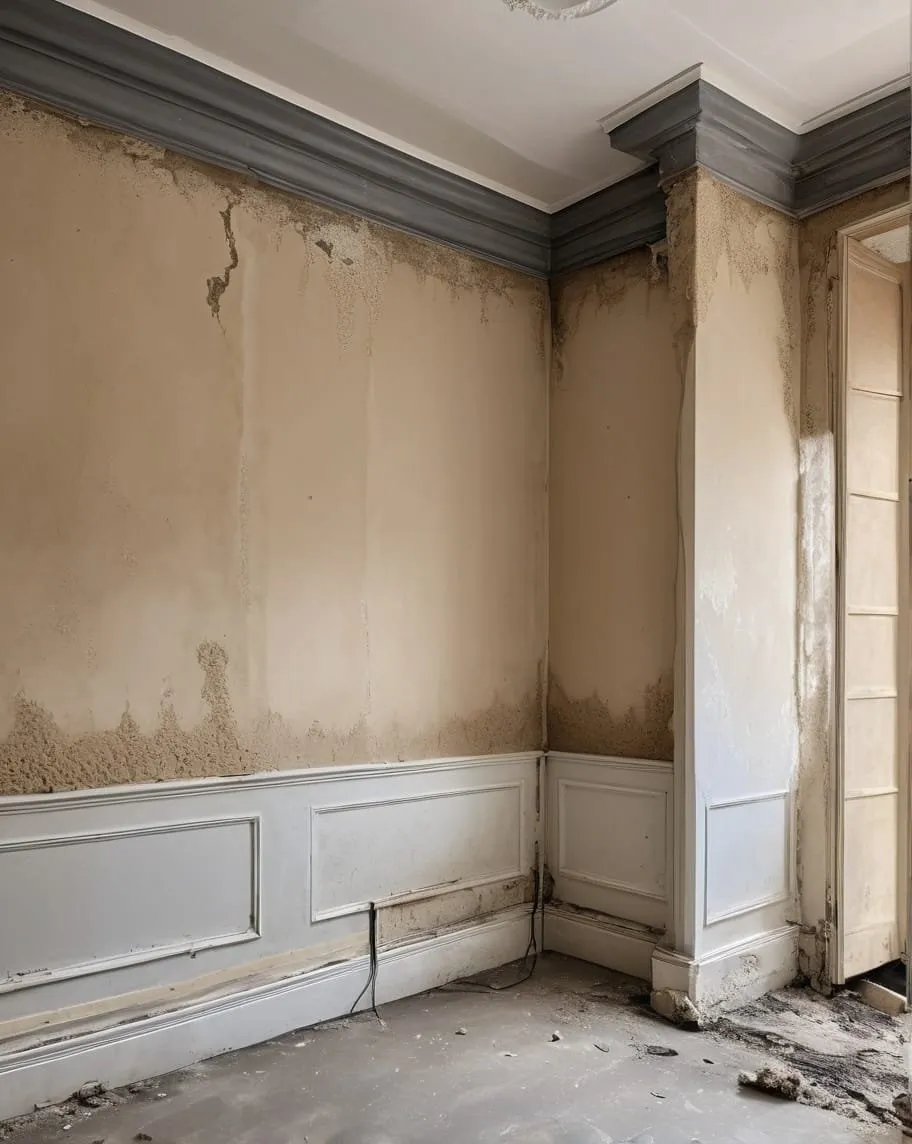
Our approach gives the finish proper attention while keeping the moisture question visible. That is useful when the room seems to need both removal and restoration, but nobody has explained the boundary. We assess the accessible concern and make the proposed surface work understandable.
When contacting us, describe the wall covering, its condition and any known history. You do not need to strip the room to prove that the concern exists. We can discuss suitable access and the professional starting point around the material that is present now.
QUESTIONS FOR THIS VISIT
Before making arrangements
Should I strip the wallpaper before calling?
Describe its condition and discuss access first. Removing finishes is a separate task and may change the evidence available. Do not assume full stripping is required merely to begin an enquiry about a visible mould concern.
Can you tell what is behind wallpaper from a photograph?
A photograph can show the visible finish but cannot establish the condition of every concealed area. We explain access limits and discuss whether further preparation or assessment is needed to answer the relevant question.
Does treatment include new wallpaper?
It should not be assumed. Remediation and decorative restoration have different purposes. Check the agreed surface scope and arrange any replacement finishes separately where necessary, with the relevant moisture concern considered before they are installed.
Is loose wallpaper proof of mould underneath?
It is a condition to report, not a complete diagnosis. We discuss the visible growth, material history and available access. The assessment needs to distinguish what is observed from what remains concealed or uncertain.
What helps when a decorator is involved?
Provide the proposed work dates and the areas they intend to alter. Keep photographs of the current condition. Clear coordination helps the assessment and remediation sit within the room project without assuming one contractor is responsible for every task.
Nearby service enquiries
We also take enquiries in the surrounding areas. Call with the property’s address and affected rooms.
Tell us about the finish, not only the mark
Describe whether the wallpaper is sound, lifting or already removed. We can discuss an assessment and treatment scope around the accessible condition before you arrange further preparation.