
MOULD REMEDIATION LONDON
About Mould Remediation London
We help London property owners understand mould and moisture concerns, choose a sensible next step and plan treatment around the condition of the building.
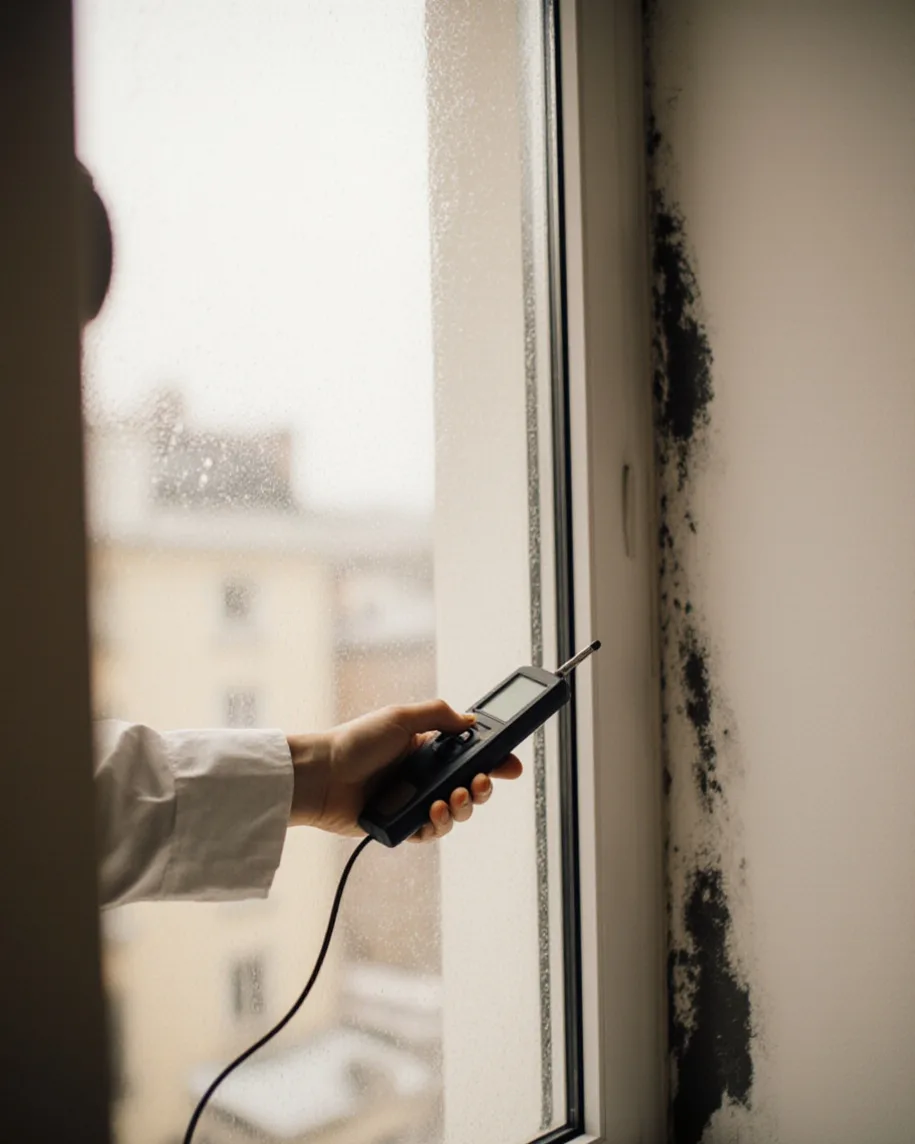
- Property-specific recommendations
- Clear assessment explanations
- Practical treatment planning
A property service built around clear questions
Mould Remediation London provides mould treatment and moisture investigation for residential and commercial properties across Greater London. We work with homeowners, landlords, tenants, property managers and businesses. The concern may be a small recurring patch, a room with damaged finishes or a wider damp problem that has not yet been explained.
Our starting point is the property. Where is the growth? What has changed? Is there a known leak or a pattern that repeats in colder weather? These are useful questions because a mark on a surface does not always explain the cause. We discuss what you have noticed before recommending the appropriate assessment or treatment route.
You do not need to know the technical name for the issue before speaking to us. Before accepting work, confirm who will supply the service, issue the quotation and be your contracting party. Our terms explain how an enquiry relates to a proposed service; the supplier and agreed work should be identified before you accept a job. Describe the rooms, the affected materials and how long the concern has been present. We aim to make that first conversation useful, with a clear explanation of the next step rather than a long list of services that may not apply.
What we help with
Our services include black mould removal, bathroom and ceiling treatment, wall remediation and mould around windows. We also provide damp surveys, moisture inspection and investigations for suspected rising or penetrating damp. Condensation concerns need their own attention, particularly where visible growth returns despite earlier cleaning.
For landlords and commercial property managers, we discuss the purpose of an assessment and any reporting requirements before booking. Access, permissions and the people responsible for approving work all matter. An inspection that is useful for a homeowner may need a different agreed scope when the findings will support a management record.
These services are connected, but they are not interchangeable. Treating mould on a surface does not repair a roof or pipe. A survey does not automatically include every repair it identifies. We explain those distinctions so you can understand the proposed work and arrange any separate tasks in a sensible order.
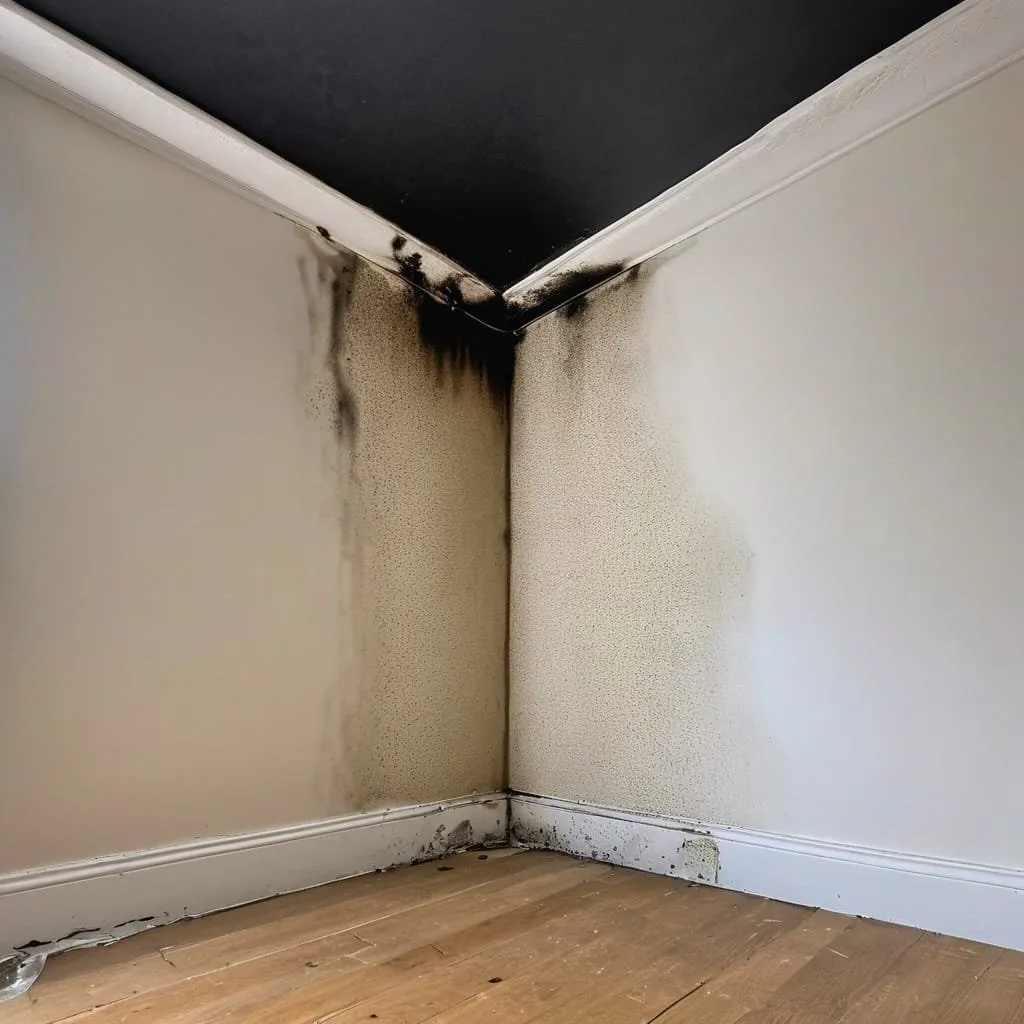
Why we consider moisture before treatment
Mould can return if the conditions that allowed it to grow remain. That is why the discussion should go beyond the visible patch. Condensation, restricted ventilation, leaks and damp can raise different questions. The assessment considers accessible evidence and the history, rather than diagnosing a building from one photograph.
Where the source remains uncertain, we explain that uncertainty. Some areas are concealed or require access to another part of a building. You should understand what has been checked and what still needs investigation. A useful recommendation is clear about its limits as well as its findings.
We also avoid presenting a single product or surface treatment as a permanent answer for every property. The material condition, the extent of growth and any continuing moisture source need consideration. Practical prevention advice and separate building repairs may form part of the wider plan, even when the agreed remediation scope is focused on one area.
Plain explanations and realistic scope
Before work is agreed, you should understand which areas are included, what the recommendation is intended to address and what may require another service. Ask about investigation, treatment and any written findings separately if you need all three. This helps avoid comparing estimates that describe different work.
We discuss the property details because they affect the scope. A high ceiling, fitted furniture, damaged plaster or several affected rooms can all change the practical plan. A generic starting price cannot explain every one of those situations. Tell us about access and the condition of the surfaces when you call.
We explain the practical arrangements before a visit is agreed. If you need written findings, particular access arrangements or a treatment proposal for several rooms, raise those needs during the enquiry. You should know what the visit is intended to cover and who needs to be involved before deciding to proceed.
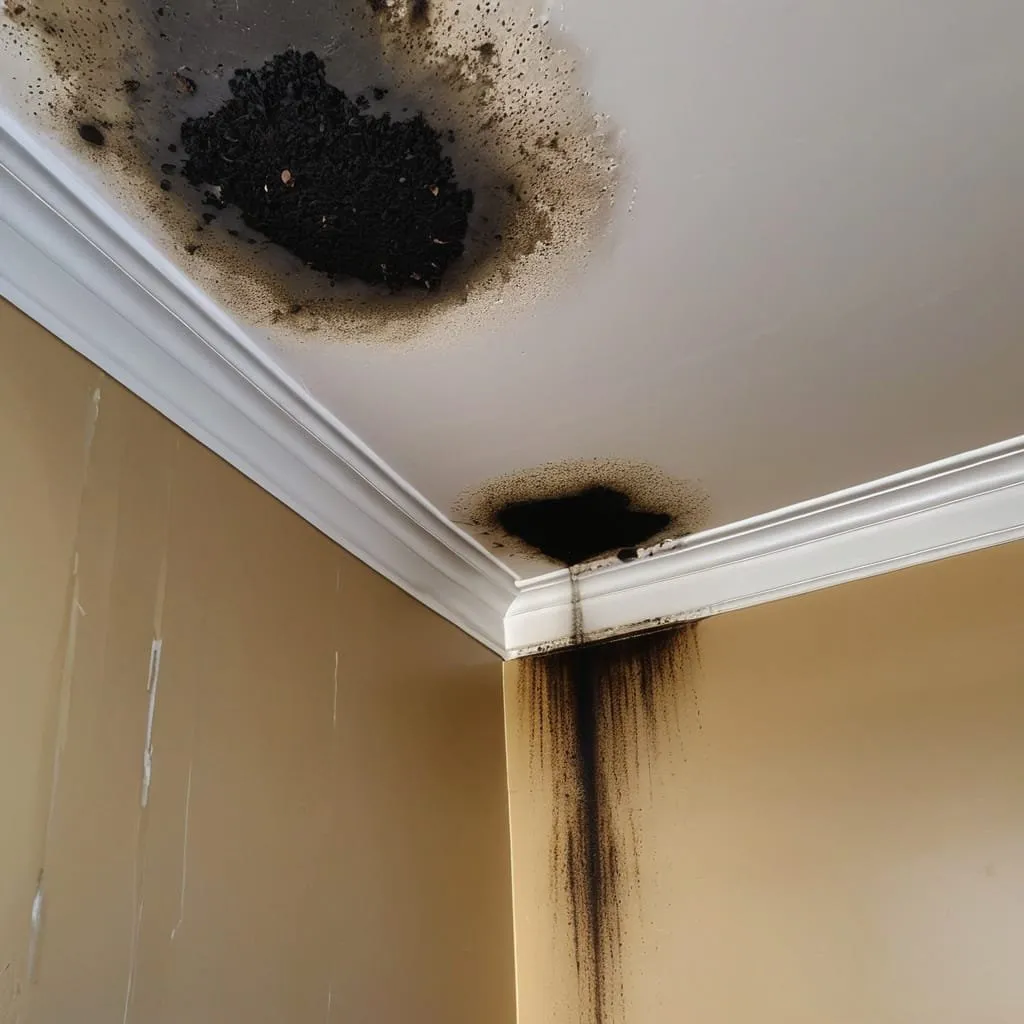
Working with occupied and managed properties
A visit may need to fit around a household, a tenant’s access arrangements or the operating hours of a business. Explain these practical needs early. For flats, moisture concerns can involve shared areas or another property, and permission may be required before a wider inspection takes place.
For rented homes, the occupant’s observations are valuable. When the marks first appeared and how they change can help the assessment. The enquiry should start with those facts, rather than an assumption about who caused the issue. Building conditions and possible defects deserve attention alongside the way the space is used.
For commercial premises, identify the person responsible for access and the person who will receive the findings. If a report has a particular purpose, discuss the required scope in advance. A general moisture assessment should not be mistaken for a structural survey, a legal opinion or a document that meets every compliance requirement.
Talk to us about the next step
Call 020 4600 5416 with your London location and a short description of the concern. Tell us whether the problem is recent or recurring, which rooms are affected and whether there is a known leak. Mention earlier repairs or treatment and any written findings already available.
If you are unsure which service to choose, start with the services directory. It separates visible mould treatment from moisture investigation and provides links to detailed explanations. You can also read our contact page for the information that is useful when arranging a visit. The aim is to help you make a decision with enough context, without asking you to diagnose the building yourself.
Discuss your London property
Call with your location, the affected rooms and the history of the concern. We’ll discuss the appropriate next step and the scope you need.