ON THIS PAGE
When black mould keeps returning · What we look at before treatment · Removing mould and addressing moisture · Useful information to gather · Why the scope varies between properties · Questions about black mould removal

LONDON PROPERTY SERVICES
Black patches on a wall are a problem to investigate, not simply a mark to hide. We assess affected surfaces, discuss the moisture conditions and recommend mould removal suited to your London property.
ON THIS PAGE
When black mould keeps returning · What we look at before treatment · Removing mould and addressing moisture · Useful information to gather · Why the scope varies between properties · Questions about black mould removal
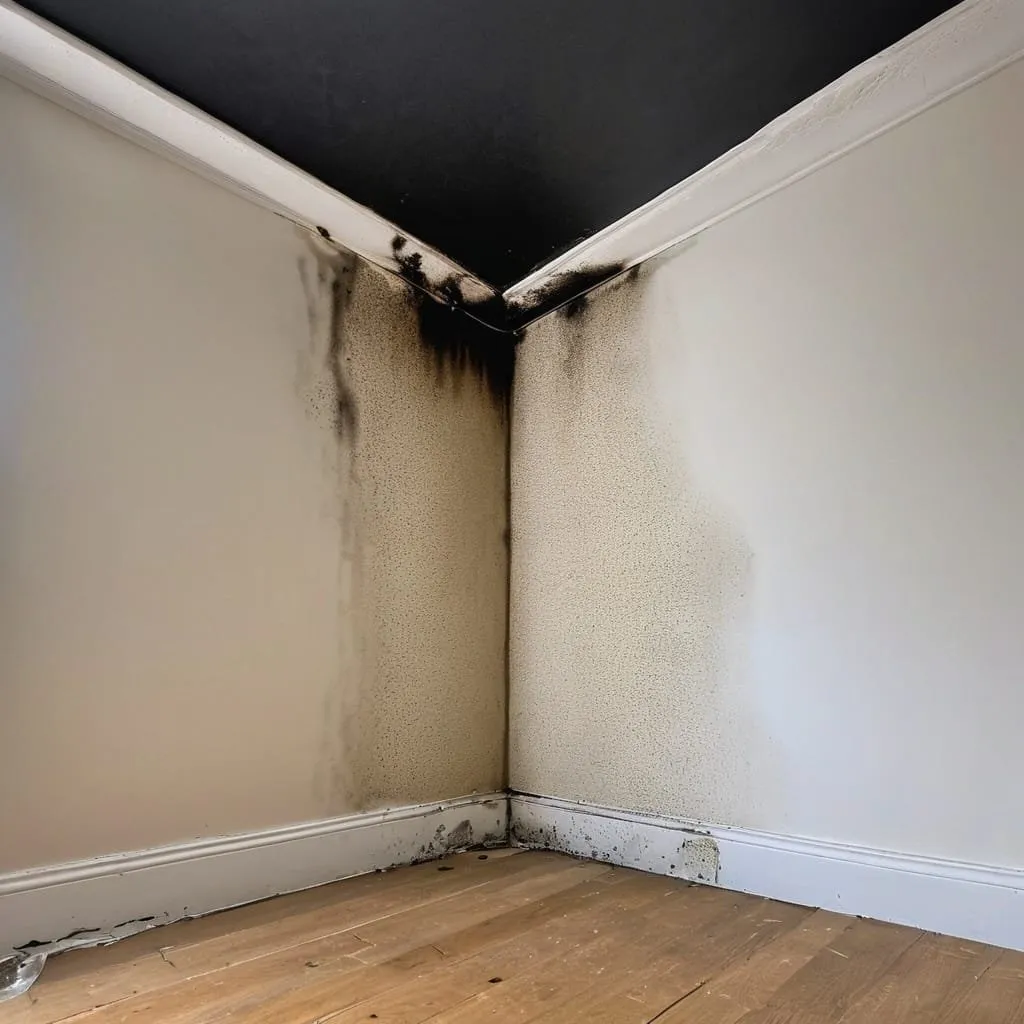
You may first notice a few spots beside a window, behind a wardrobe or in a ceiling corner. After cleaning, the surface can look better for a while, only for the same patch to return. This is frustrating, particularly when you cannot see an obvious leak. The location of the growth matters, but it is only part of the picture. Moisture may be collecting on a cold surface, airflow may be restricted, or a separate damp problem may need attention.
Our black mould removal service starts by looking at the affected area and the conditions around it. We work with homes, rental properties and commercial spaces across Greater London. You do not need to identify the cause before calling. If a patch has been treated before, keep the date and any explanation you received. That history can help distinguish a newly affected area from a concern that has never fully settled. Tell us what you have noticed and we can discuss the most useful next step.
If a patch keeps returning, our Fulham guide to recurring mould explains which details from earlier treatment help. The Putney treatment guide separates assessment, surface treatment and repairs so you can understand the proposed work.
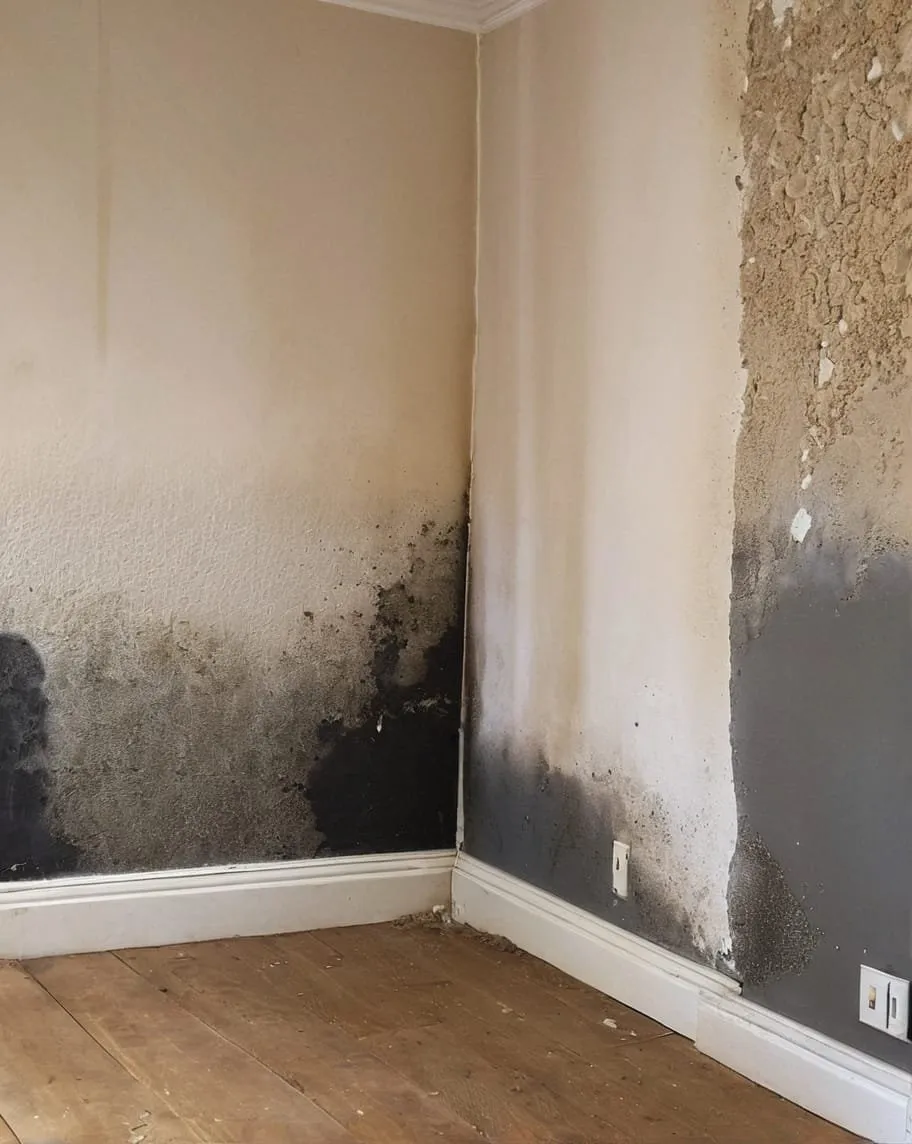
The condition of the material helps guide the recommendation. Painted plaster, timber, sealant and wallpaper do not all respond in the same way. A small surface patch is different from growth across several rooms or a wall with damaged finishes. We consider the spread, the available access and whether the surface appears to need attention beyond mould treatment.
The history is useful too. Has the room recently had a leak? Does the problem become worse in winter? Is the wall usually hidden behind furniture? Has an earlier repair changed anything? These questions are not about blaming the person using the room. They help connect the visible problem with the building and its moisture conditions. Where the evidence is unclear, we explain the limits of the assessment rather than presenting a guess as a diagnosis.
We assess the included material and extent of growth before selecting the surface work. Remediation may include suitable anti-fungal applications to the agreed affected areas, with the approach chosen for their condition. We explain which surfaces are included and identify any damaged material needing separate attention. Moisture and ventilation recommendations accompany the treatment where relevant, so the removal task remains connected to the findings.
No treatment can guarantee that mould will never return if the conditions behind it remain. A leak, persistent condensation or poor airflow can continue to affect a surface after the visible growth has been treated. For this reason, advice about moisture is part of the conversation. Where a separate trade needs to repair a building defect, you should understand why that repair matters and how it relates to the remediation work.
THE PROPERTY IN CONTEXT
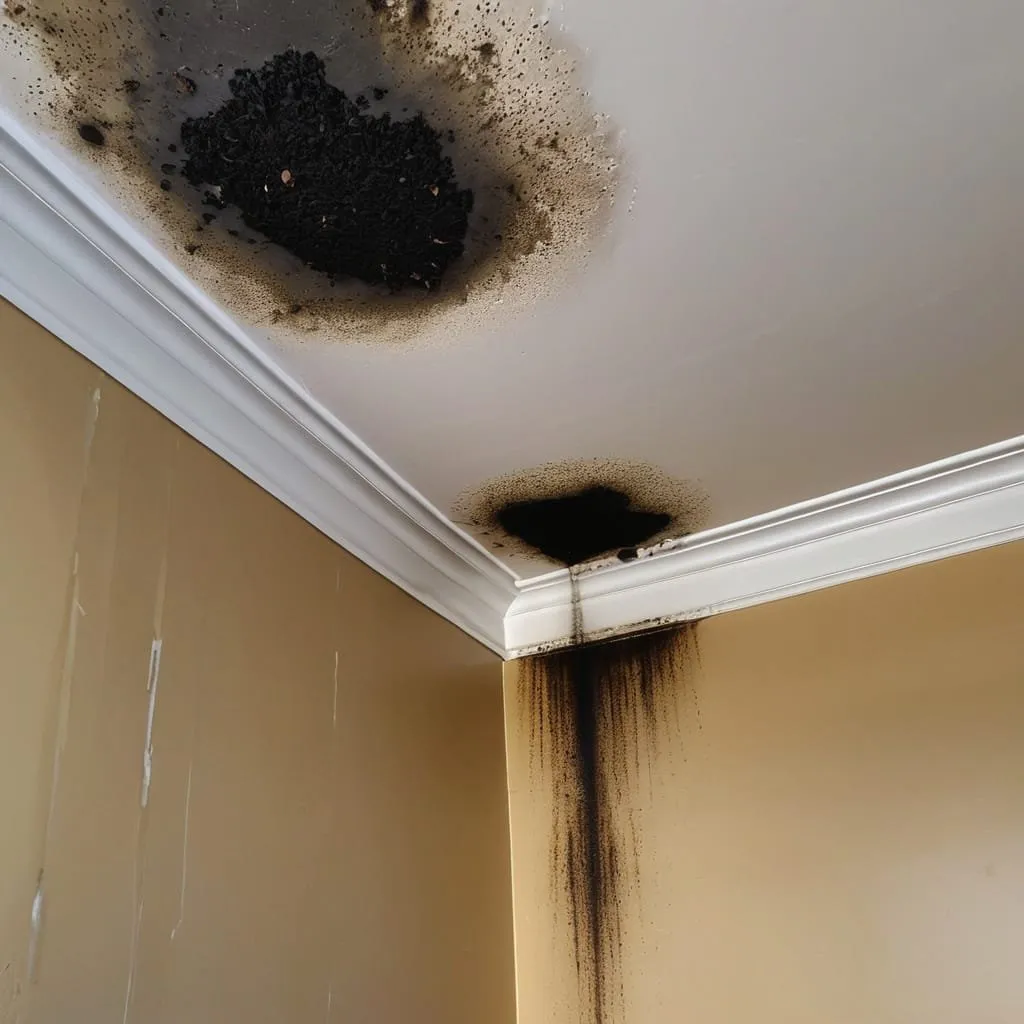
The affected material, the location and the history of moisture all help guide the next step. Tell us how the area has changed and what repairs have already been attempted.
Before the visit, make a simple note of the rooms affected and when you first noticed the marks. Photographs taken at different times can help show whether the patch is spreading or recurring. Include the surrounding wall in a photograph as well as the close-up, because its position beside a window or ceiling can be useful context.
Mention known leaks, recent water damage, peeling paint and any work already carried out. If the property is rented, explain who is arranging access and who can approve the work. You do not need to move heavy furniture or disturb damaged finishes to prepare for a call. Discuss access with us first, especially where the affected area is difficult to reach. A short, accurate description is more useful than trying to name the type of mould yourself.
The amount of work depends on more than the visible size of a patch. Surface condition, access, the number of rooms and the investigation needed can all change the scope. Treating a window reveal is not the same as dealing with several damaged walls. We discuss the property so the recommendation reflects what is actually needed.
It also helps to separate remediation from decoration. Fresh paint can make a room look finished, but a dry-looking surface is not proof that the moisture problem has been resolved. Before arranging redecoration, understand any outstanding repairs and the condition of the material underneath. If the wider issue is still uncertain, a damp survey may be a better starting point than immediately booking surface treatment.
Colour alone does not provide a reliable identification. Our assessment focuses on the affected material, visible growth and moisture conditions. If you require a particular type of testing, explain that when you enquire so its availability and scope can be discussed.
Not necessarily. Its position and the condition of the surface matter. A limited patch beside a known leak may need a different response from a similar patch linked to condensation. We look at the context before recommending work.
If the cause is unknown or the same problem keeps returning, discuss an assessment first. If the moisture issue has already been investigated, tell us what was found and what repairs have been completed. That gives the treatment discussion a clearer starting point.
Call with your location, the affected rooms and the history of the concern. We’ll discuss the appropriate next step and the scope you need.