
LONDON PROPERTY CARE
Mould Remediation Fulham
We help with recurring mould in Fulham by looking beyond the latest mark. We review earlier treatment, inspect accessible finishes and discuss the moisture question before recommending the next work.
The proposed work is explained before you agree.
- Review previous cleaning and repairs
- Assess the material beneath the growth
- Connect removal with the moisture concern
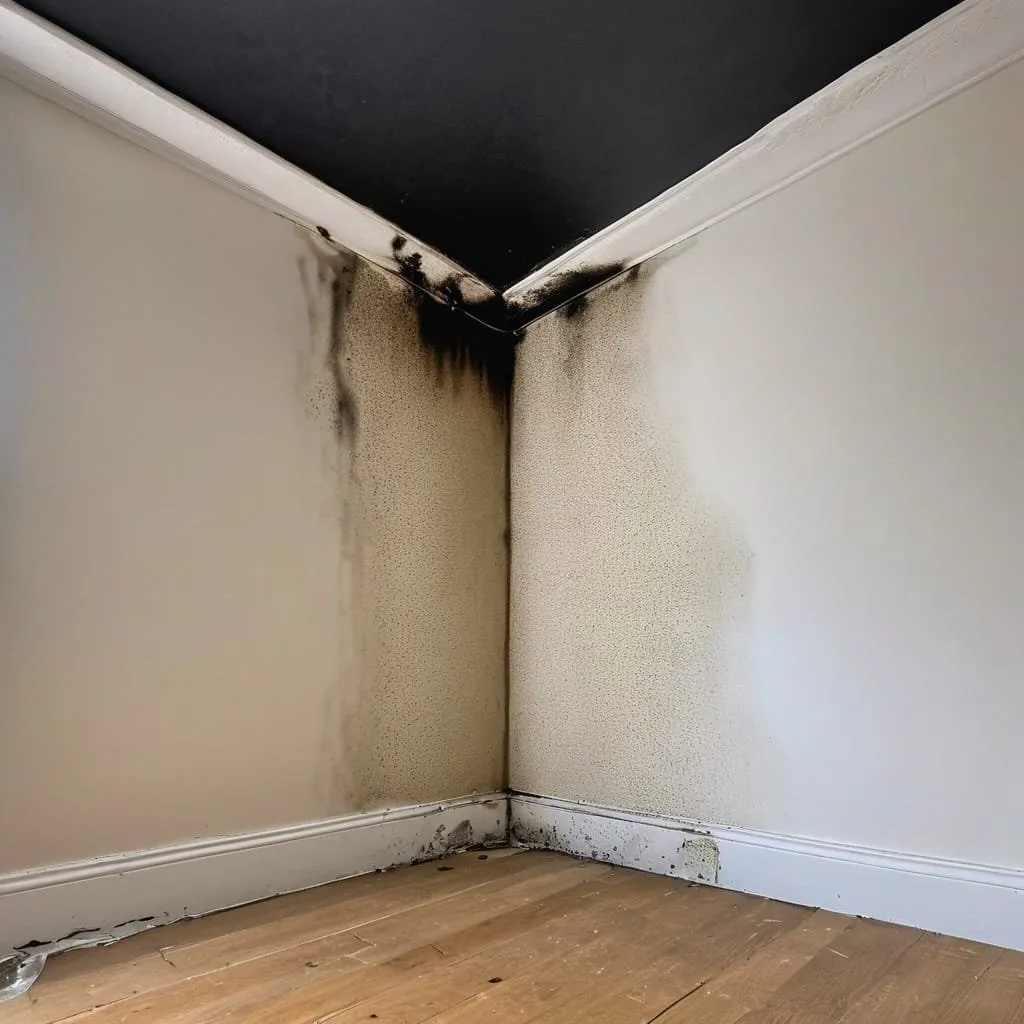
The patch looks familiar because it has returned
Cleaning can change the appearance of a wall without changing the conditions around it. If you recognise the outline of the same patch a few weeks later, keep that detail. Its location and timing can be more useful than simply saying that the room has mould. Note what was done before, including any decoration, repair or advice that accompanied it.
That record helps distinguish visible regrowth from a newly affected surface. We do not assume that the previous work was wrong, or that another identical visit will solve the concern. The next decision should follow what is happening now.
Work backwards through the room’s history
A recent leak, changes to a window or a room that has become harder to ventilate can provide useful background. Think about when you first noticed the marks and whether the pattern changes with colder weather or rainfall. Separate those observations from any diagnosis you were given. A reported cause and a confirmed repair are not the same thing.
If the source is still uncertain, a moisture inspection may offer a firmer starting point. Bring earlier findings into that conversation so the new assessment can address the unanswered question rather than repeat a description of the patch.
The finish can change the treatment plan
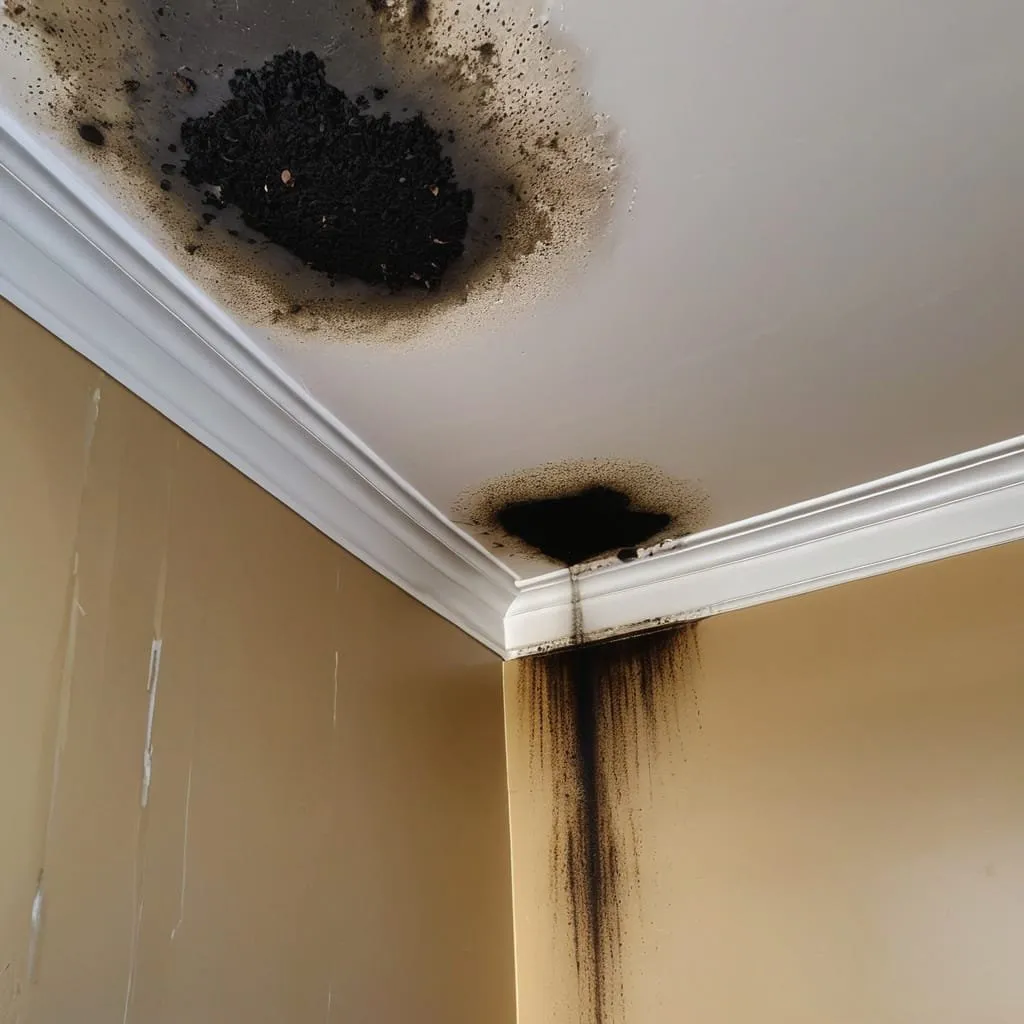
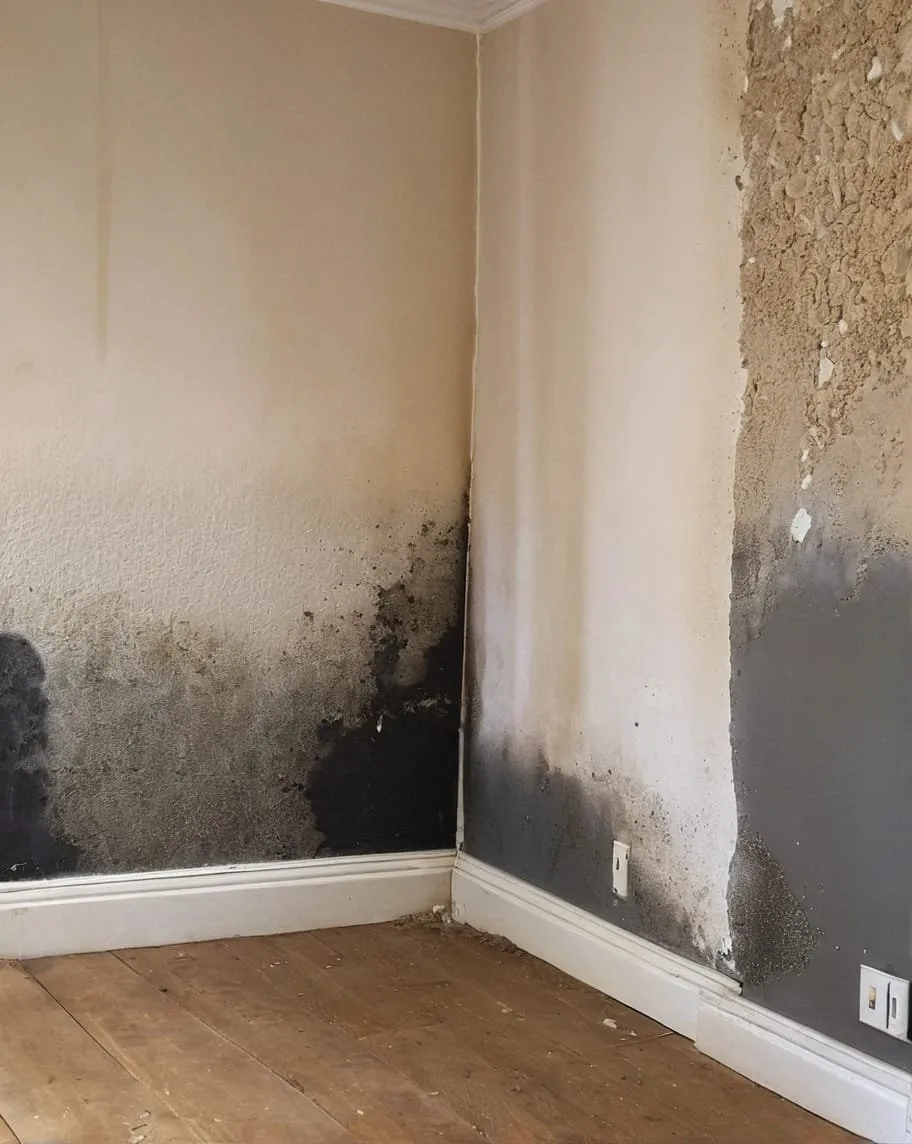
Sound paint, peeling wallpaper and damaged plaster call for different discussions. A surface that looks neat after repainting may still have an unresolved moisture concern. Explain whether the finish is loose, stained or deteriorating, and whether the affected area extends behind furniture. You do not need to strip the wall before making an enquiry.
We assess accessible materials and explain what the proposed treatment includes. Separate repair or replacement may need consideration. Our wall treatment guide describes those surface questions in more detail, including the distinction between remediation and restoring the whole finish.
Give the room and the building equal attention
Mould around a colder wall may involve condensation, but a familiar position does not exclude a leak. In a converted flat, access to a connected space may be controlled by another occupant or managing agent. In a house, the relevant exterior may still be outside the agreed inspection access.
Describe access early. Where an area cannot be checked, the findings should explain the limitation. A useful recommendation distinguishes what was observed from what needs another visit or another trade. That keeps the treatment decision tied to evidence.
Talk through the property concern
Removing growth is part of the answer
Once the scope is understood, treatment can address the affected surfaces. You should know which areas are included and which related repairs sit outside the work. If moisture continues to reach the surface, another round of removal may provide only a temporary improvement. The prevention discussion should relate to the findings, rather than promise a permanent result for every room.
For moisture on glazing and nearby walls, read about condensation-related treatment. It explains why surface temperature and ventilation deserve attention alongside visible growth. An agreed plan should connect those questions instead of treating them as unrelated services.
We begin by comparing the affected area with the history you provide. That allows us to identify what a new visit needs to answer. We explain the accessible surface condition and select the proposed removal and anti-fungal surface work accordingly, separating it from any unresolved moisture repair. Our value is in connecting those decisions: you can see why another cleaning visit alone may be insufficient and what should happen before a new finish is applied.
Keep a useful record after the work
Record the work completed and any repairs still outstanding. If the marks reappear, a dated photograph and a note about the conditions are more helpful than another close-up with no history. Do not judge the whole outcome only by fresh paint. The continuing moisture question matters too.
Call about your Fulham location and describe the affected room. We can discuss the appropriate starting point without asking you to identify a mould species or diagnose the building. If access involves another property or a managing agent, raise that before arranging the visit so the assessment can be planned around the available areas.
QUESTIONS FOR THIS VISIT
Before making arrangements
Should I show you earlier treatment details?
Yes. Dates, the areas treated and any accompanying repair advice help explain what has changed. Even a brief record can make the new discussion more useful than treating the concern as if it appeared yesterday.
Is regrowth proof that the treatment failed?
Not on its own. Continuing moisture, a newly affected material or an unresolved defect may be relevant. Review the current condition and the earlier scope before deciding what caused the recurrence.
Do I need to remove wallpaper first?
Discuss its condition and the access before doing that. Removing a finish is a separate task and may not be needed simply to make the initial enquiry. Do not assume it is included in surface remediation.
Can I book for one room in Fulham?
Explain which room is affected and whether other areas show a similar pattern. A focused scope can be discussed, but the history may point to a question beyond the single visible patch.
What should I monitor afterwards?
Watch for renewed moisture and changes to the same surface. Keep the dates of separate repairs as well as treatment. Those observations provide context if the area needs another assessment.
Nearby service enquiries
We also take enquiries in the surrounding areas. Call with the property’s address and affected rooms.
Talk about the patch that keeps returning
Bring the history of earlier treatment and any repairs to the conversation. It helps us discuss which unanswered moisture question should come before another removal visit.