
LONDON PROPERTY CARE
Mould Remediation Chelsea
A carefully finished room deserves a treatment plan that considers more than the visible mark. Our Chelsea mould remediation service looks at the affected surface, the surrounding moisture concern and the work needed before you plan repairs or decoration.
Recommendations follow the condition of your property.
- Assess the finish as well as the growth
- Explain treatment and repair boundaries
- Plan around the rooms you use
Begin with the surface you want to protect
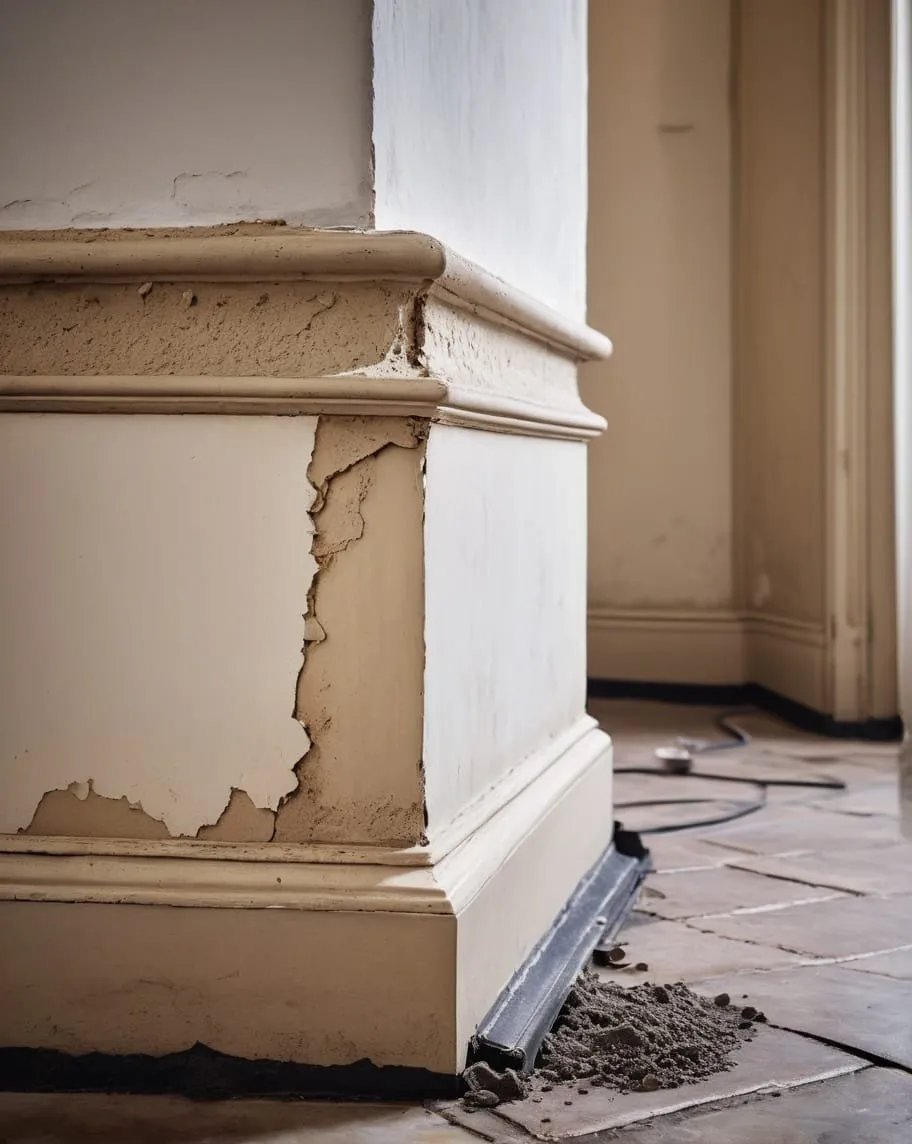
We ask what the wall is finished with, where the growth appears and whether the coating remains sound. Paint, paper and exposed plaster do not present the same questions. A close photograph can show the marks, while a wider view helps us understand their position. We use that information to prepare the enquiry, then distinguish what can be assessed during the visit from anything hidden behind the finish.
Look for the reason the finish became affected
Our assessment connects the visible area with its recent history. We discuss leaks, wet windows, changes to ventilation and earlier repairs. None of these automatically establishes the cause. Where the evidence is incomplete, we may recommend a damp and moisture inspection before deciding on removal. This matters because an attractive new finish can conceal an unresolved concern without correcting it.
Choose treatment from the material condition
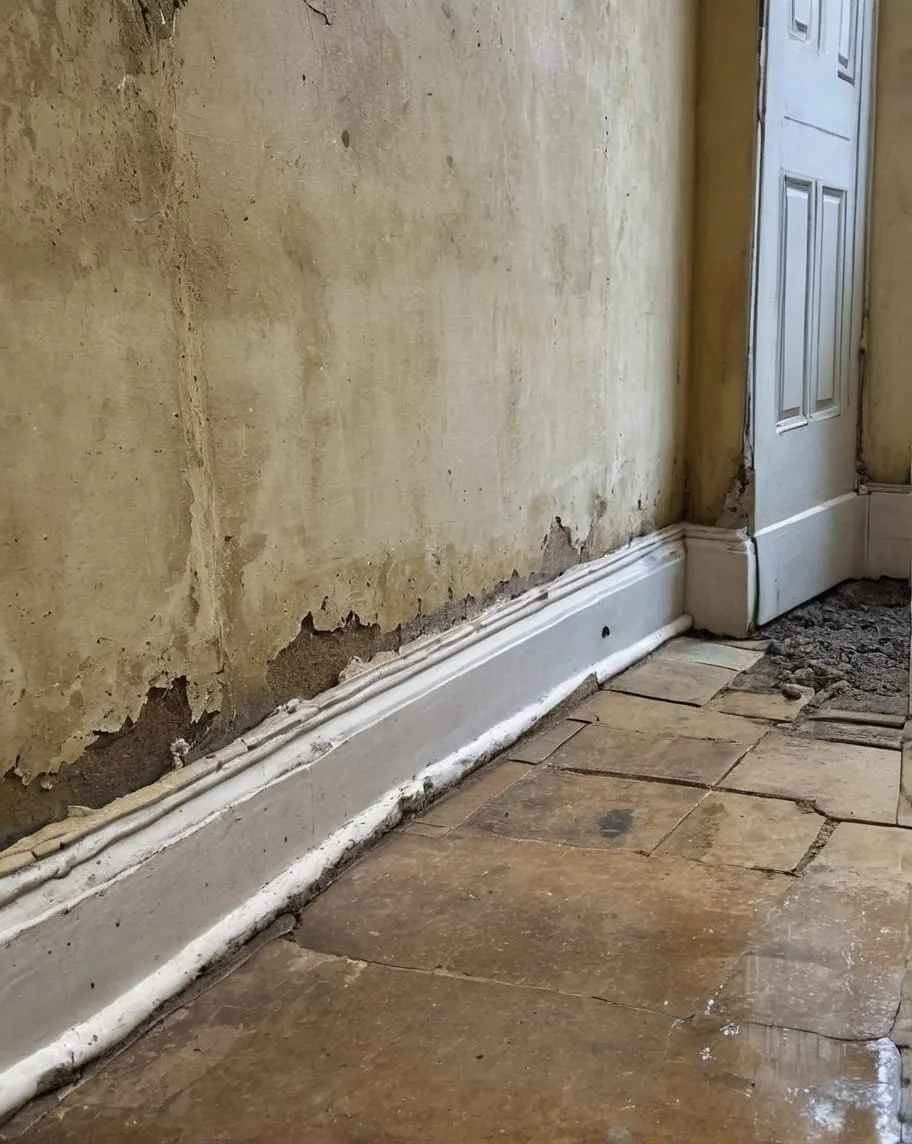
We explain which accessible surfaces the proposed remediation covers. If a coating is lifting or the material beneath it is damaged, the conversation also needs to address repair or replacement. We do not treat cosmetic improvement as proof that every layer is sound. Our wall mould removal service provides the relevant starting point for discussing surface treatment and the limits of that work.
Where appropriate, we use suitable anti-fungal applications on the agreed affected surfaces. Selection follows the finish and its assessed condition. We explain the purpose of treatment and the work boundaries, so you know whether the proposal concerns growth on a retained surface or also raises a separate question about damaged decorative material.
Make room arrangements part of the proposal
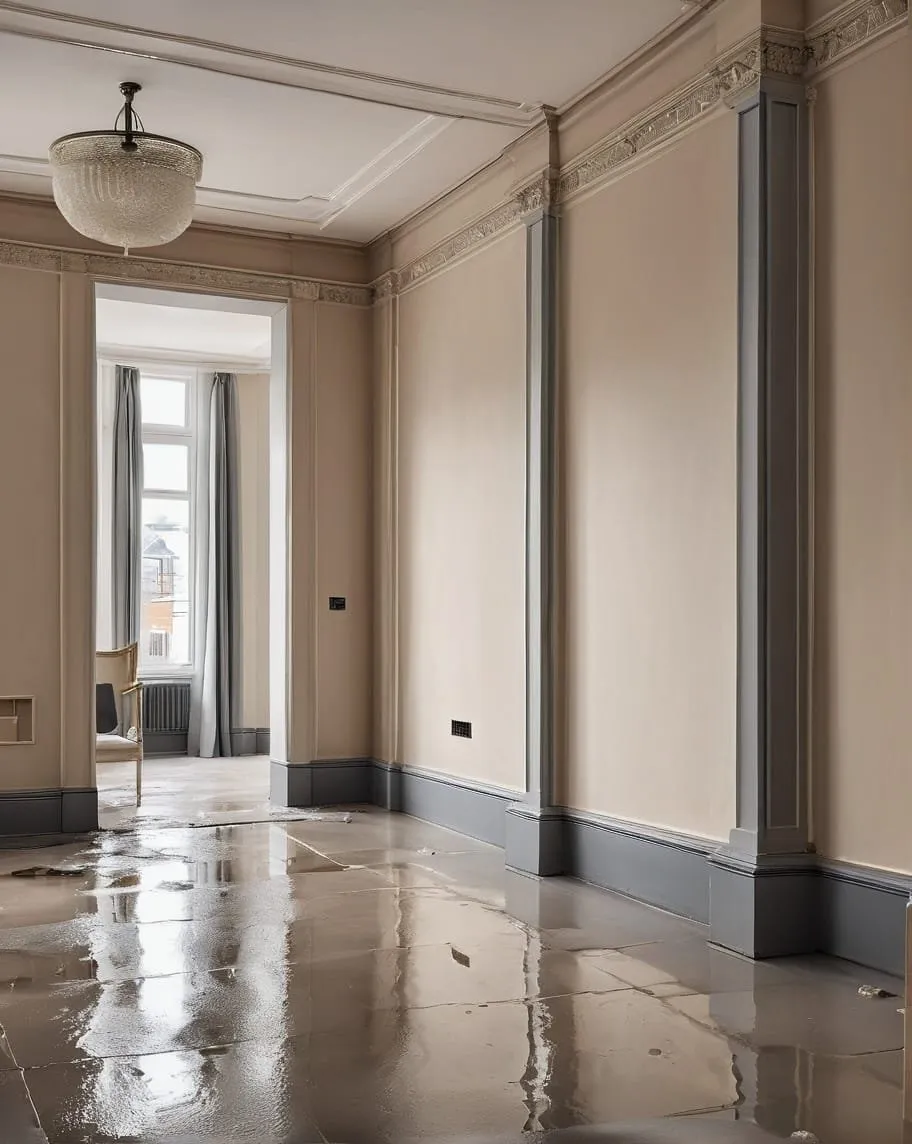
Artwork, fitted storage and furniture may affect access. We establish the practical requirements before asking you to rearrange the room. Tell us about delicate items and areas that cannot be reached. A sensible scope records these limitations instead of implying that concealed surfaces have been checked. For an occupied home, we also discuss who provides entry and which rooms need to remain available during the agreed work.
Talk through the property concern
Explain what makes our approach useful
We bring together mould removal, moisture investigation and prevention advice, so the enquiry does not stop at a stained patch. Our role is to explain the relationship between the findings and the recommendation in plain English. You can ask why a particular surface is included, what another contractor may need to repair and which questions remain unanswered. That clarity helps you make an informed decision about the property.
Leave decoration until the next steps are understood
When treatment and any separate moisture repairs have been discussed, you can plan the finish with a clearer brief. We identify the tasks within our scope and the matters that need follow-up. Read our black mould remediation information for the difference between treating growth and restoring the room. In Chelsea, the aim is an appropriate property plan, with responsibilities understood before fresh paint changes the appearance.
QUESTIONS FOR THIS VISIT
Before making arrangements
Can you discuss mould on expensive wallpaper?
Yes. Tell us what the finish is and whether it is lifting, stained or damaged. We consider its condition when discussing the visit. We cannot promise that an affected decorative covering can be retained without assessing what has happened beneath it.
Will the quote include repainting?
Ask for the proposed tasks in writing. Surface remediation and redecoration are different parts of the project, and you should not assume that painting, plaster repairs or replacement coverings are included simply because the enquiry concerns a finished wall.
Why do you ask for a wider room photograph?
The surrounding wall, furniture and window position can explain access and the distribution of the marks. A close-up is helpful for appearance but cannot show the whole arrangement. Both views support the initial conversation without replacing an inspection.
Can I arrange the visit through a property manager?
A manager can make the enquiry, provided the relevant access and approval arrangements are clear. We need to understand who knows the history, who can allow entry and who will receive the proposed scope, particularly when the resident is someone else.
What if the mark is beside a recently repaired leak?
Give us the repair date and describe how the surface has changed since then. We assess the current concern without assuming that a completed repair establishes the condition of every affected material. Further moisture questions may still need to be addressed.
Nearby service enquiries
We also take enquiries in the surrounding areas. Call with the property’s address and affected rooms.
Discuss the room before restoring its finish
Call with the Chelsea address, the wall covering and the history of the mark. We can discuss whether your starting point is surface remediation or a closer moisture assessment, then explain the access and scope needed for the next step.