
LONDON PROPERTY CARE
Mould Remediation Battersea
Mould work should be planned around the people using the property. We help Battersea enquiries define the affected surfaces, discuss practical access and understand the proposed treatment without assuming the whole home can be cleared.
Practical arrangements are discussed with the service scope.
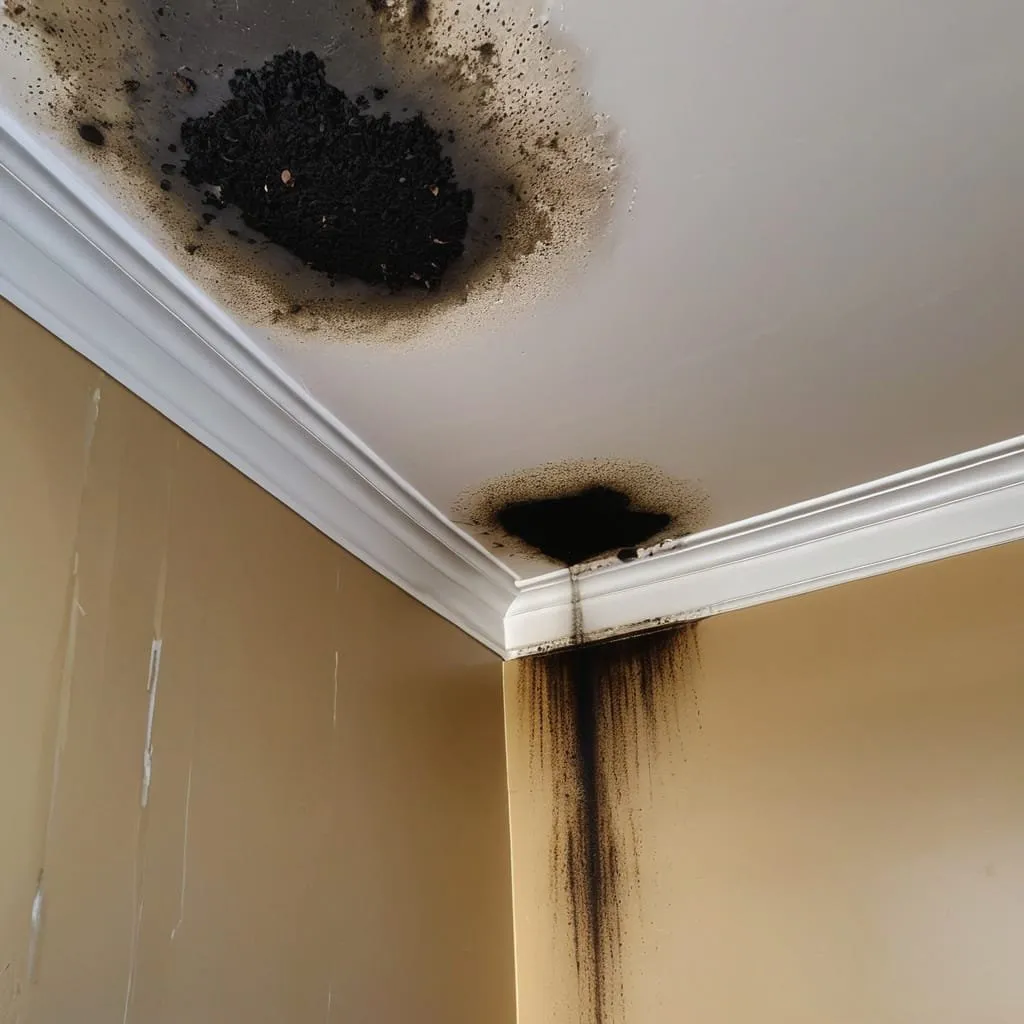
- Plan around occupied rooms
- Define preparation for the task
- Explain surface treatment clearly
Begin with the room people need to use
A bedroom, sitting room or home-working space may remain in daily use while mould work is being considered. We ask which areas are affected and what access is realistic. That lets the enquiry include the household arrangements from the beginning instead of discovering important constraints after a proposal has been made.
For Battersea properties, we discuss practical needs alongside the condition of the room. Occupancy does not establish the cause of mould. It does help define how an assessment or treatment can be arranged, who provides access and which preparation needs a clear explanation.
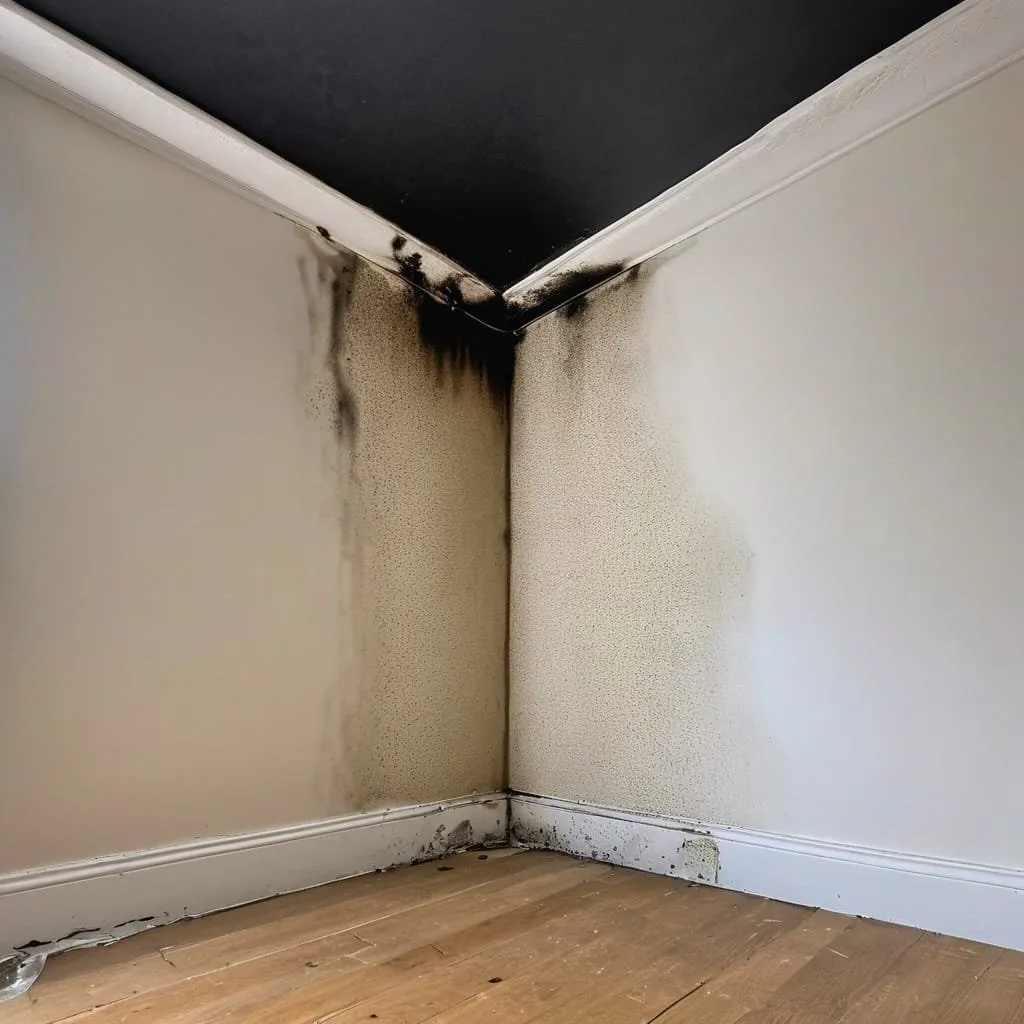
Assess surfaces without assuming a full clearance
We consider the accessible growth, surrounding finish and relevant history. Describe furniture or equipment close to the affected area before moving anything. A photograph of the room layout can be useful initially. Preparation should follow the agreed task rather than a blanket instruction to clear every possession.
Our wall mould treatment service explains the material questions. We discuss the areas proposed for work and any access limit. A surface hidden behind a fitted item should not be treated as inspected merely because part of the wall is visible.
Explain how the remediation addresses growth
Suitable treatment may include anti-fungal applications on the agreed affected surfaces. We choose the proposed approach in relation to assessment and material condition, and explain the scope so the household knows which area is being addressed. You do not need to select a product from a list.
The mould removal service is distinct from complete room restoration. If a finish is damaged, repair or decoration may be a separate task. Understanding that boundary helps you plan the occupied room around the actual work being agreed.
Keep the moisture concern part of planning
We ask about recurring marks, known incidents and visible moisture nearby. Where the source is uncertain, an agreed moisture inspection can help inform the next decision. Surface treatment should not silently replace the question of why the material became affected.
Where relevant, we discuss ventilation and humidity in relation to the room. Advice should be practical and connected to the findings, rather than a judgement about the occupant. We explain which concern may need a repair or another check outside the remediation scope.
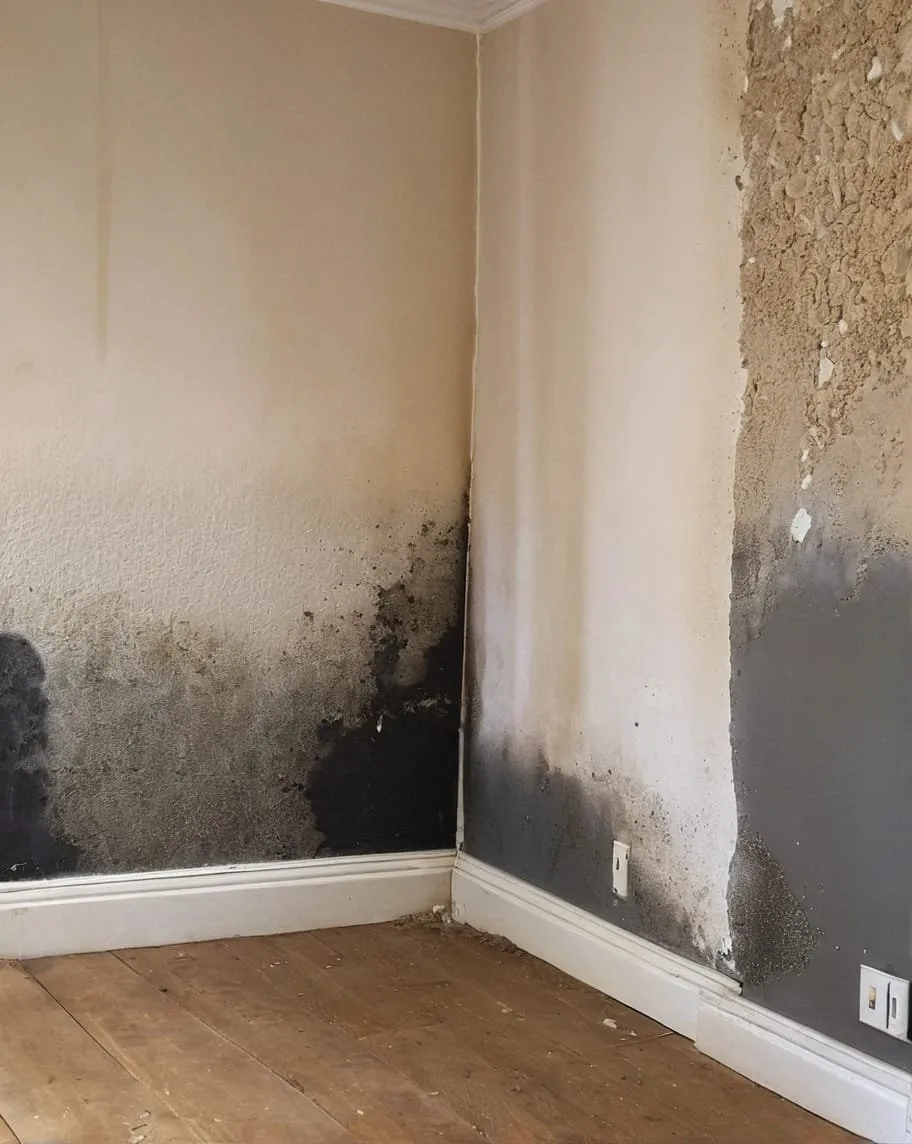
Talk through the property concern
Occupied-room details to mention
Tell us who will be present and whether another person approves work. If rooms have restricted availability, mention it while discussing the visit. We can then explain relevant requirements before the arrangements are made. Avoid assuming that treatment needs no preparation or that it always requires the entire property to be emptied.
Tell us whether the space is a bedroom, working room or only bathroom, and when entry is practical. Describe nearby furniture and any fixed item limiting the view. Identify who approves work. We explain arrangements for the proposed task before the visit. Do not assume every treatment has identical occupancy requirements or that the whole property must be cleared.
Why this matters in an occupied home
We connect the assessment, treatment and household arrangements so the enquiry is manageable. You can understand the areas included, preparation discussed and moisture recommendations that remain relevant afterwards. That clarity is useful when the room cannot simply be taken out of consideration while work is planned.
Contact us with the room details and practical constraints. We can discuss an appropriate starting point for remediation without asking you to diagnose the building or clear the home first. The aim is a defined service that fits the actual property situation.
QUESTIONS FOR THIS VISIT
Before making arrangements
What arrangements are needed while treatment takes place?
We explain the arrangements for the agreed work before the visit. Tell us how the room is used and any household constraints when enquiring, so preparation and access can be discussed for the areas being treated.
Should I move all the furniture now?
Describe what limits access first. Preparation needs to relate to the affected area and agreed visit. Avoid moving heavy items just to provide a photograph; room context can help explain the situation initially.
Can treatment include more than one occupied room?
Tell us which rooms and surfaces are involved. We can discuss the scope and practical access on that basis. Each area needs a clear description, and several rooms should not be assumed to have identical conditions.
Will advice account for how the room is used?
Relevant room use can form part of the discussion alongside moisture evidence and surface condition. Recommendations should relate to the assessed concern. Occupancy alone should not become an unsupported explanation for the growth.
How do I coordinate separate decoration?
Explain the planned work and dates before agreement. We identify the remediation boundary and any outstanding concern so you can arrange further tasks. Treatment should not be assumed to include all repair or restoration work in the room.
Nearby service enquiries
We also take enquiries in the surrounding areas. Call with the property’s address and affected rooms.
Tell us how the room is being used
Explain the affected surfaces, access and household arrangements when enquiring. We can discuss preparation and a treatment scope that reflects the occupied property rather than assumptions about an empty room.