
LONDON PROPERTY CARE
Mould Remediation Kensington
Several people may be involved in caring for one property. Our Kensington service turns the mould enquiry into a defined assessment and treatment discussion, with attention to access, the affected materials and who will act on any separate repair recommendations.
The work is described for the people making the decision.
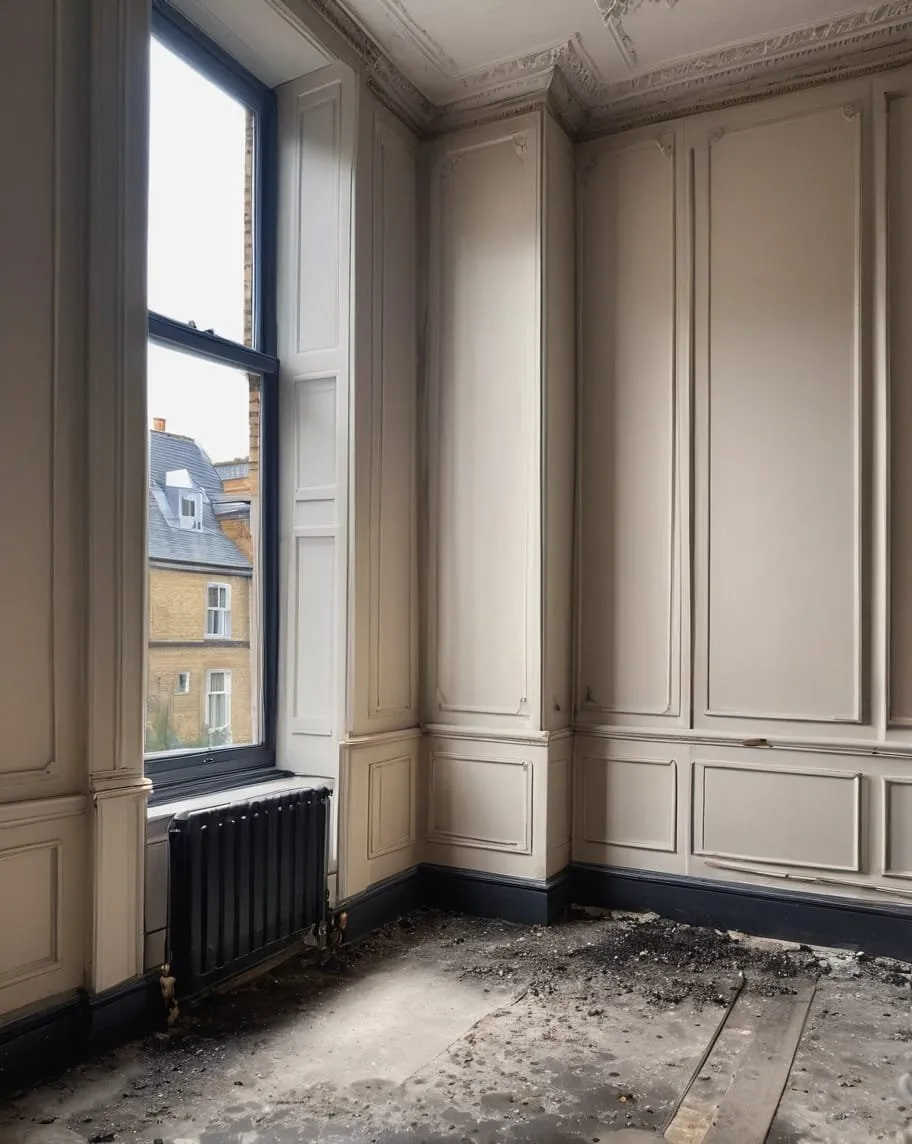
- Set a clear purpose for the visit
- Record accessible and restricted areas
- Connect findings with repair decisions
Establish what the visit needs to answer
We begin by asking whether you need help with visible growth, an unexplained moisture pattern or a record to support maintenance decisions. These concerns can overlap, but the purpose should still be clear. A Kensington address tells us where to attend; the room evidence tells us what to consider. We discuss the intended outcome before selecting a service, so we can identify the rooms and surfaces the visit needs to consider.
Provide information the responsible person can use
For rental enquiries, we ask how written findings will be used and who should receive them. The landlord assessment service gives a route for discussing the reporting requirement. A useful brief identifies the observed areas, the scope and the next maintenance question. We do not turn a surface observation into a legal judgement about responsibility, and we do not assume every enquiry needs the same report.
Identify rooms and permissions before the visit
Tell us which rooms can be entered and whether a locked or adjoining space needs another person’s permission. We assess the areas available and explain any important surface or source that could not be checked. You can then arrange the missing access through the appropriate contact if further investigation is needed. A viewed wall does not establish the condition of an inaccessible cavity.
Bring the property history into the assessment
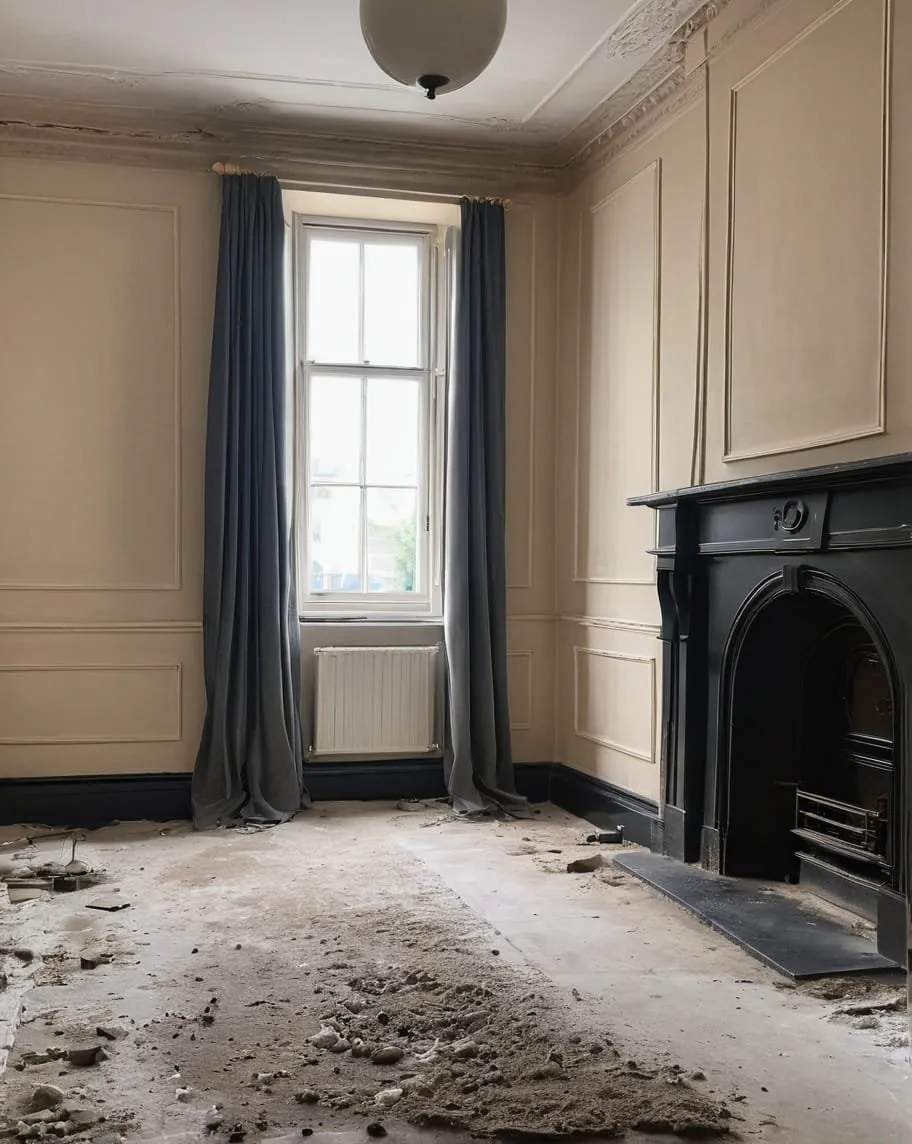
We review the information available about earlier leaks, repairs and treatment. Where dates are uncertain, say so. An account from an occupant and an invoice from a contractor may answer different questions. We use both as background rather than accepting either as a complete diagnosis. Our moisture inspection service can be discussed when the current source needs a more focused investigation.
Link removal to the observed materials
Once the affected surfaces and moisture concern have been considered, we explain the proposed remediation. The material condition matters, including loose finishes and damage that needs another task. Our mould removal information explains that treatment is not the same as rebuilding a damaged surface. We aim to make that boundary understandable before work is agreed, including whether a related repair needs coordination.
The removal stage can involve appropriate anti-fungal surface applications following the material assessment. We identify the areas to receive treatment and relate them to the observed growth. Where moisture readings or humidity considerations support the assessment, we explain them in context instead of substituting a product application for the separate source question.
Give each repair decision an identified contact
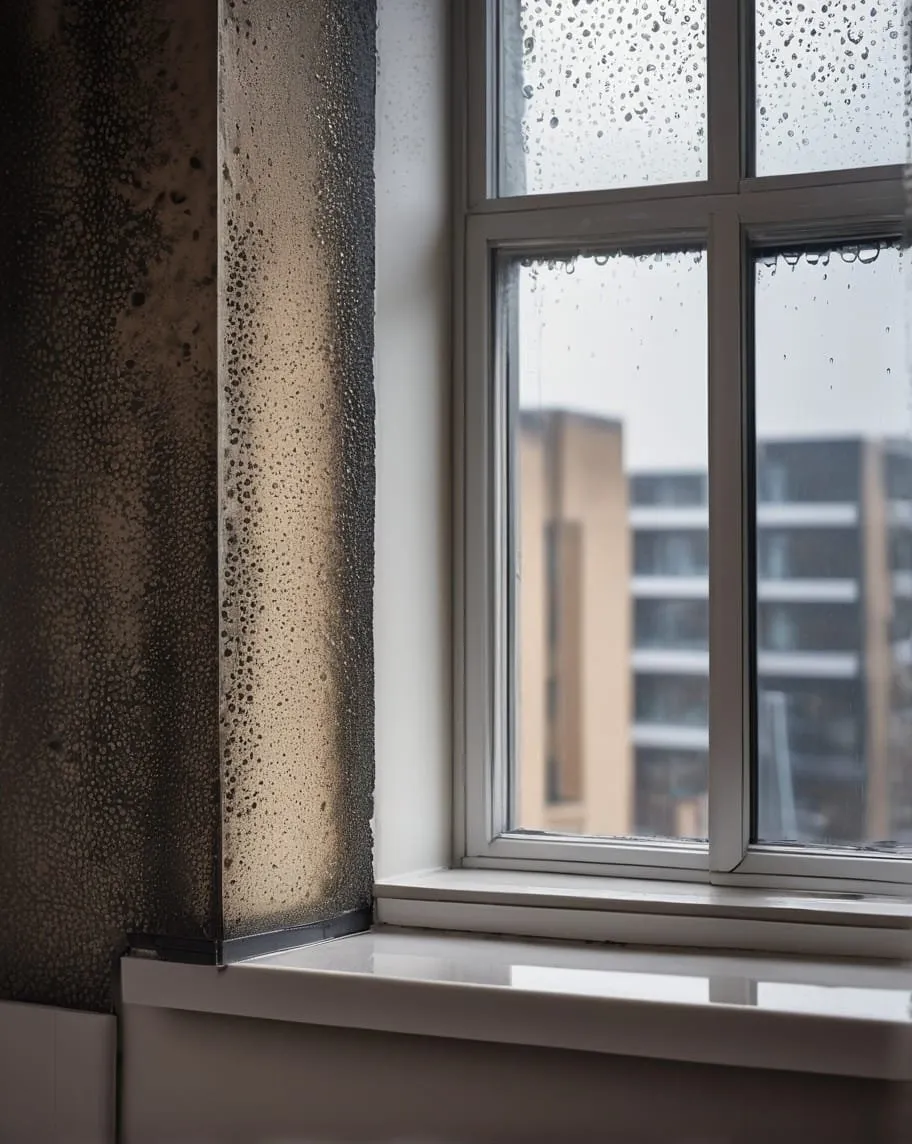
A recommendation is easier to act on when the person arranging the next task knows what information they need. If the concern is limited to an accessible wall finish, we explain the affected area and proposed surface work to the approving contact. If moisture may be reaching that wall from another space, we identify the question that needs attention before it is passed to a building manager or another contractor.
You can then ask the right person about the specific issue: whether a previously recommended repair was completed, whether entry to the connected space can be arranged, or whether damaged material needs a separate restoration task. Keep those questions distinct from authorising treatment of the visible growth. We explain the observations behind our recommendation so a contact who did not attend the visit can understand the room involved and the next action, rather than receive an unexplained instruction to investigate the whole property.
Nearby service enquiries
We also take enquiries in the surrounding areas. Call with the property’s address and affected rooms.
QUESTIONS FOR THIS VISIT
Before making arrangements
Should the owner attend the Kensington visit?
Explain who will provide access and who can answer questions about the property. The owner does not necessarily hold all the useful history. We can discuss arrangements around the person attending, while keeping approval and reporting contacts clear before work is booked.
Can a building manager provide earlier records?
Yes. Records can help explain previous investigations and repairs, particularly where the resident did not arrange them. Please distinguish work that has been completed from recommendations that remain outstanding. We consider the current evidence alongside that background rather than replacing it.
Do you inspect every room automatically?
The rooms included should be agreed. A focused enquiry may concern one surface, while a wider moisture pattern may justify discussing other areas. We explain the intended scope and practical access instead of implying that a visit covers unseen spaces throughout the building.
What makes a written finding useful?
It should help its intended reader understand the observations, assessment limits and recommended action. Tell us how you need to use it before booking. A maintenance record, a treatment proposal and a broader reporting request are not interchangeable documents.
Can you decide who must pay for repairs?
We discuss the property condition and the service scope. Payment responsibility can depend on arrangements outside a mould assessment, so do not treat our enquiry as a determination of that issue. Establish the approving contact separately and seek appropriate advice where required.
Give the enquiry a defined outcome
Tell us what decision you need to make about your Kensington property. With the room history, available access and reporting purpose understood, we can discuss the appropriate service and explain the proposed next step in terms the responsible contacts can use.