
LONDON PROPERTY CARE
Mould Remediation Hammersmith
After a leak, stopping the water and dealing with the affected room are separate stages. For Hammersmith properties, we review what happened, what has been repaired and where mould remains, then discuss assessment and treatment around the condition we can establish.
The plan distinguishes completed repairs from unresolved questions.
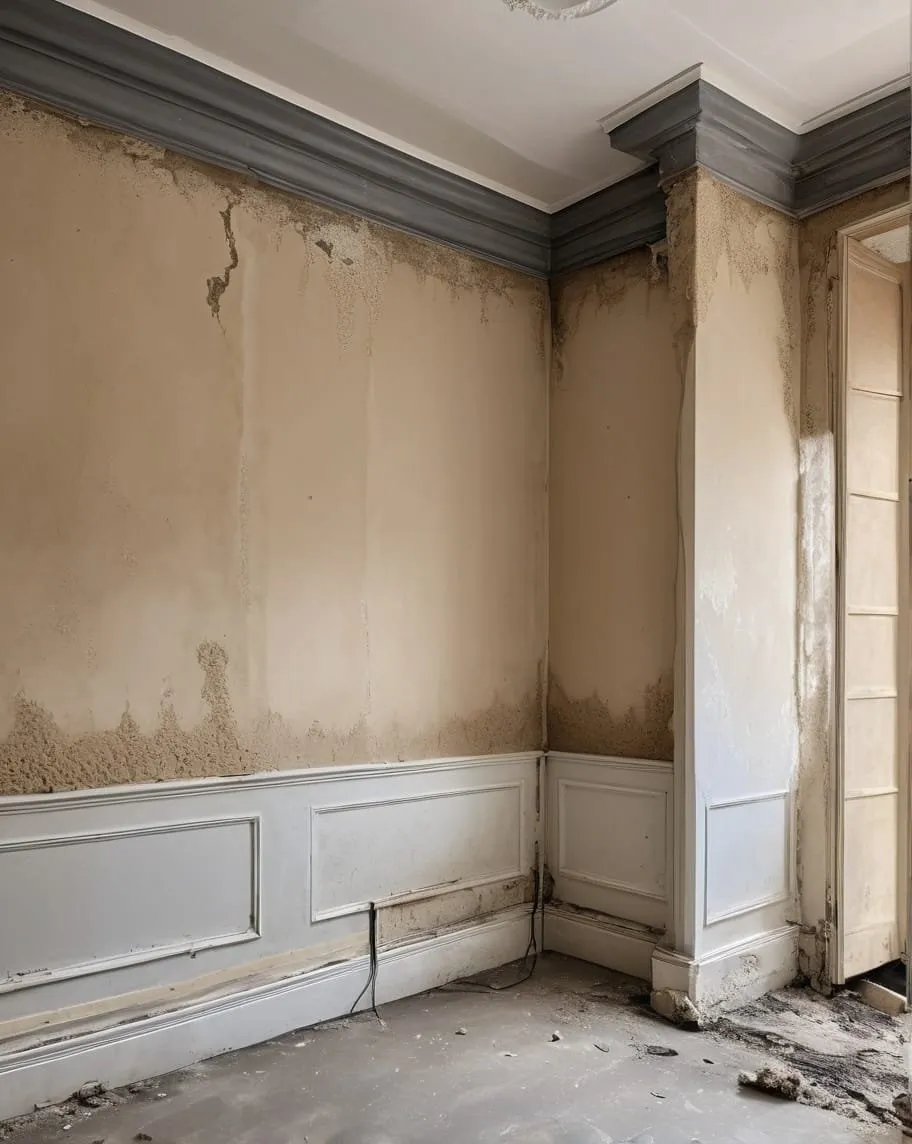
- Review the incident and repair timeline
- Assess remaining surface concerns
- Agree treatment alongside further repairs
Start with the sequence of the incident
We ask when the water was noticed, how it reached the room and what has been done since. The first visible stain may not match the full affected area. Dates, room photographs and repair details help us form a sensible enquiry. If water is still entering, tell us clearly: remediation should not be confused with fixing every possible source of an active leak.
Check the present concern against the earlier repair
A repaired pipe or roof is useful background, but it does not tell us the current condition of the wall or ceiling. We consider accessible surfaces and the distribution of remaining marks. Where the moisture question is unclear, our damp inspection service offers a way to discuss the assessment required. We explain the information needed rather than selecting removal purely from the age of the incident.
Compare the marks left after a repair
Keep a dry discoloured patch, loose paint and new visible growth as separate observations. Tell us which existed before the leak repair and which appeared afterwards. A repair invoice explains work on the source; it does not describe the present wall or ceiling finish. We assess the accessible condition before discussing mould treatment, damaged-material work or a further moisture check. Do not cover the evidence with paint before the next task has been agreed. For an affected upper surface, our ceiling mould treatment information explains why access, finishes and the space above the room deserve separate attention.
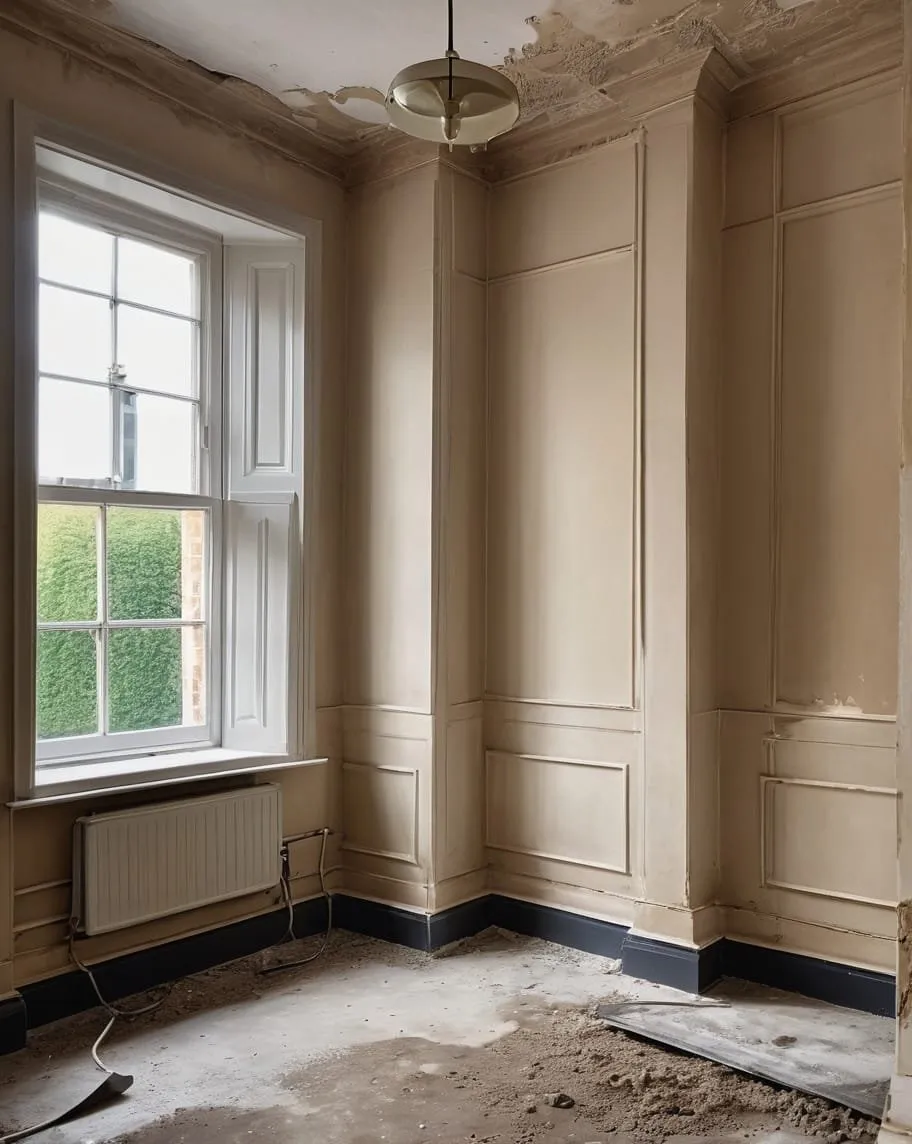
Talk through the property concern
Coordinate with outstanding building work
Tell us if another contractor will return or if a repair is awaiting approval. We need to understand where our proposed scope fits into that sequence. Depending on the findings, moisture-related work may need attention before decoration is planned. We explain what we can provide and what remains outside the service. That helps avoid arranging several trades without a shared understanding of the unresolved property question.
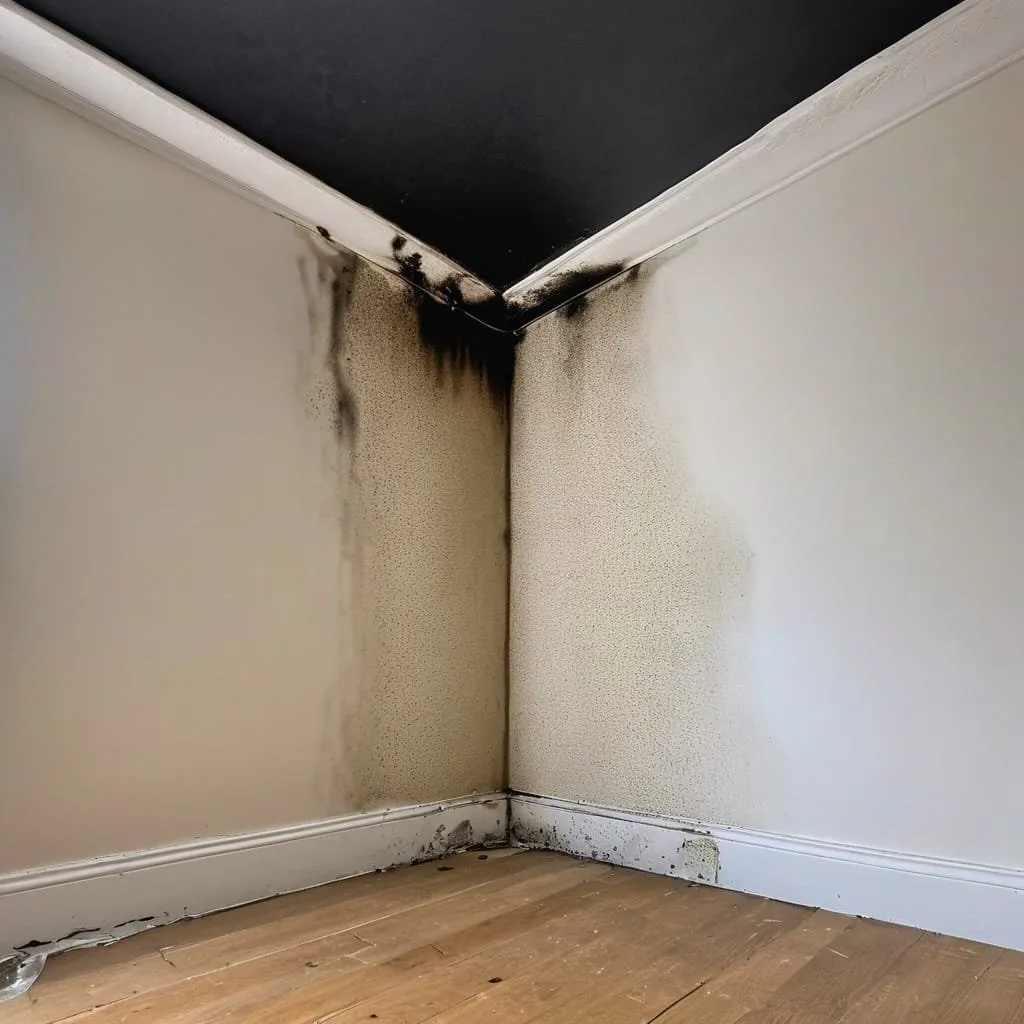
Address growth on the agreed surfaces
Our black mould removal service is discussed in relation to the accessible affected materials. We explain the areas included, any limitations and the next steps where damage requires another task. The purpose is to deal with the mould concern within a defined proposal. We do not promise that treating the visible patch alone will prevent recurrence if the moisture source continues to affect the room.
For suitable affected materials, remediation may include anti-fungal applications as part of the agreed treatment. We first consider the accessible surface and its condition after the water incident. That sequence helps distinguish treating remaining growth from repairing the leak or rebuilding damaged finishes, with each task explained before the work is authorised.
Make follow-up observations easier to interpret
We encourage a record that separates the leak repair, remediation and later finish work. If something changes, the dates and locations can help a further assessment focus on the remaining issue. Our strength is in connecting those stages and describing them clearly, rather than treating each photograph as a new unrelated problem. A Hammersmith enquiry can begin with a simple timeline; you do not need to arrive with a technical diagnosis.
QUESTIONS FOR THIS VISIT
Before making arrangements
Can I contact you before the leak repair is finished?
Yes. Explain the present situation and the repair arrangements so we can discuss the appropriate starting point. An enquiry can help clarify the scope, but treatment should not be presented as a substitute for addressing an ongoing water source.
Does an old water stain prove the room is still damp?
A stain records a change in appearance; it does not establish current moisture conditions by itself. We consider the history and accessible evidence before recommending work. Tell us whether the mark is changing or whether it has remained after a completed repair.
Will you remove every damaged material?
Material removal, replacement and surface remediation need an agreed scope. Describe loose or deteriorating finishes when enquiring. We explain which tasks are included and what may require separate repair, instead of assuming that all water-damage restoration comes within one service.
Should I share photographs from the day of the leak?
They can be useful alongside recent views because they help show how the affected area has changed. Include dates where possible and identify the room. We still need current information; an older photograph cannot establish the condition when the proposed visit takes place.
What if the water came from another property?
Tell us about the connected area and the access or permission available. Our findings may need to acknowledge that the source is outside the accessible rooms. Establish contact with the relevant person so any separate investigation or repair can be coordinated.
Tell us what happened and what remains
For a Hammersmith property after water damage, gather the incident date, repair details and a current view of the affected room. We can discuss how moisture assessment and remediation fit together, with a proposed scope that keeps separate repair responsibilities visible.
Nearby service enquiries
We also take enquiries in the surrounding areas. Call with the property’s address and affected rooms.