
LONDON PROPERTY CARE
Mould Remediation Chiswick
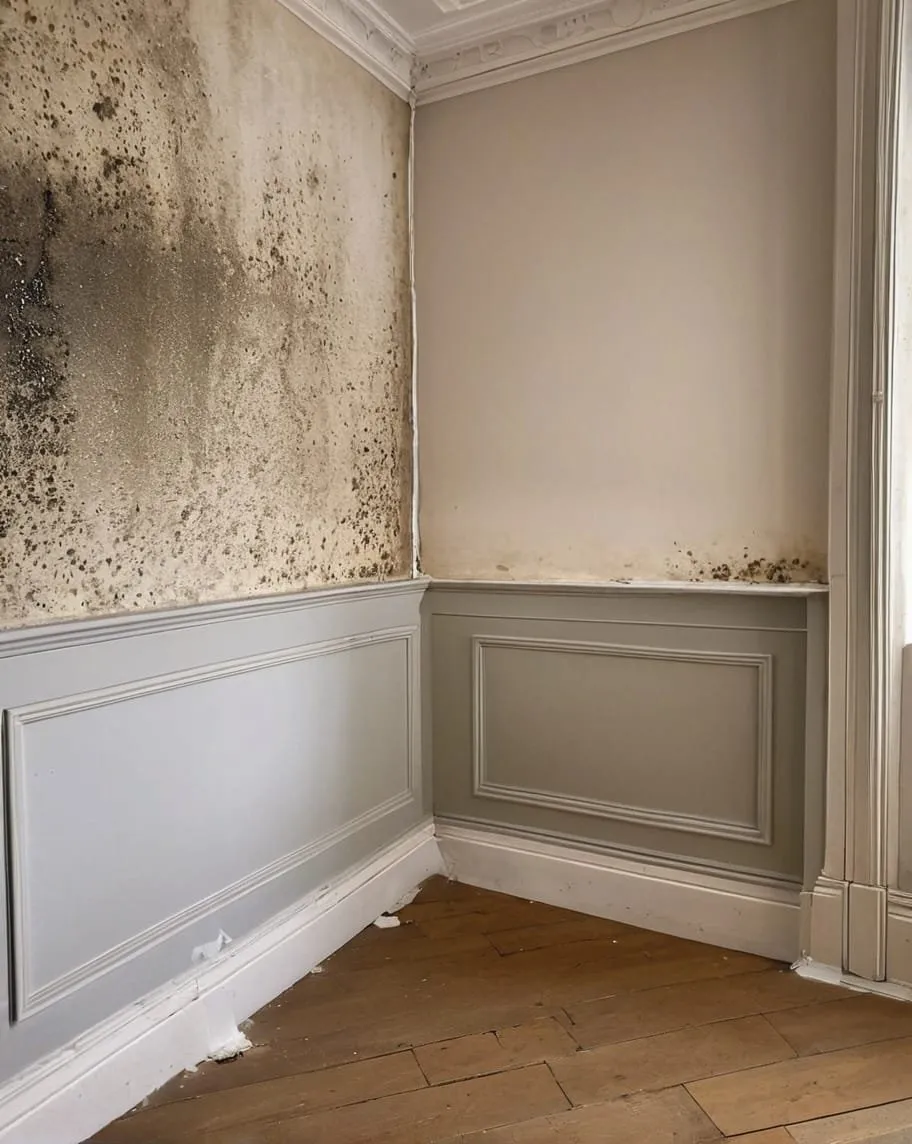
The room still has to function while you arrange help with mould. Our Chiswick service considers the affected wall, access around furniture and the moisture concern, then explains the treatment proposal so household arrangements can follow the work that is actually needed.
Preparation is based on the agreed visit.
- Plan access around occupied rooms
- Assess walls beyond the closest patch
- Explain practical preparation requirements
Agree the reachable areas before work starts
If a sofa, wardrobe or fitted unit obscures part of a surface, we discuss what can be accessed safely and who will arrange it. Tell us if an item cannot be moved. The proposal should reflect that limitation instead of describing the hidden area as assessed. We also establish the access contact and any household scheduling requirements so the appointment is based on the actual room arrangement.
Understand how the affected room is used
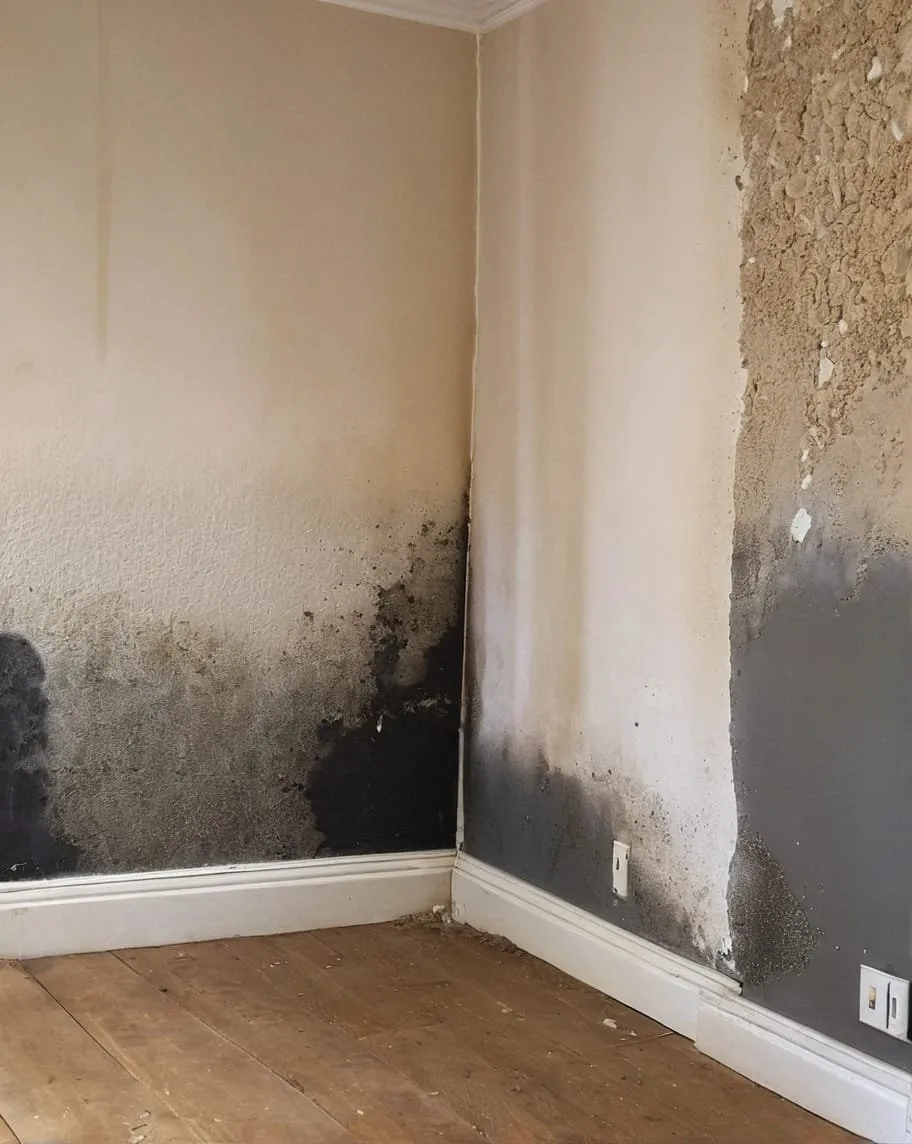
We ask where the growth is and what limits access to it. A living room used for work, a bedroom with fitted storage and a shared dining space may need different practical arrangements. This information helps us prepare a realistic proposal. We do not ask you to clear the whole home simply because one corner needs attention; preparation should relate to the agreed assessment or treatment.
Assess the wall in its wider setting
Our enquiry considers the position of windows, furniture and adjoining surfaces alongside the visible area. That context can help direct the questions during a visit. It does not establish a cause from layout alone. Our wall mould service covers treatment discussions where a painted or covered wall is affected, including the condition of the finish and the difference between removal and repair.
Set out the treatment and its boundaries
We describe the accessible surfaces included in remediation and the related issues that need another task. Peeling finishes or damaged material should be discussed before a decorative repair is commissioned. The mould removal page provides useful background for those decisions. Our role is to explain why the proposed work fits the observed concern, rather than give one universal instruction for every living room.
Our surface work may include suitable anti-fungal applications where the material assessment supports them. We define the accessible treatment area before work begins and explain the preparation it needs. Relevant humidity and ventilation considerations are discussed alongside the findings, so the occupied-room plan addresses conditions as well as the visible appearance.
Investigate moisture where the picture is incomplete
We ask whether wet glazing, a previous leak or changes in heating and ventilation have accompanied the marks. These observations belong in the assessment without becoming assumptions about the household. Where condensation needs consideration, condensation mould treatment connects visible growth with the relevant room conditions. Other moisture questions may need a different inspection route, especially when the pattern does not fit the initial explanation.
Decide how much of the room enquiry needs checking
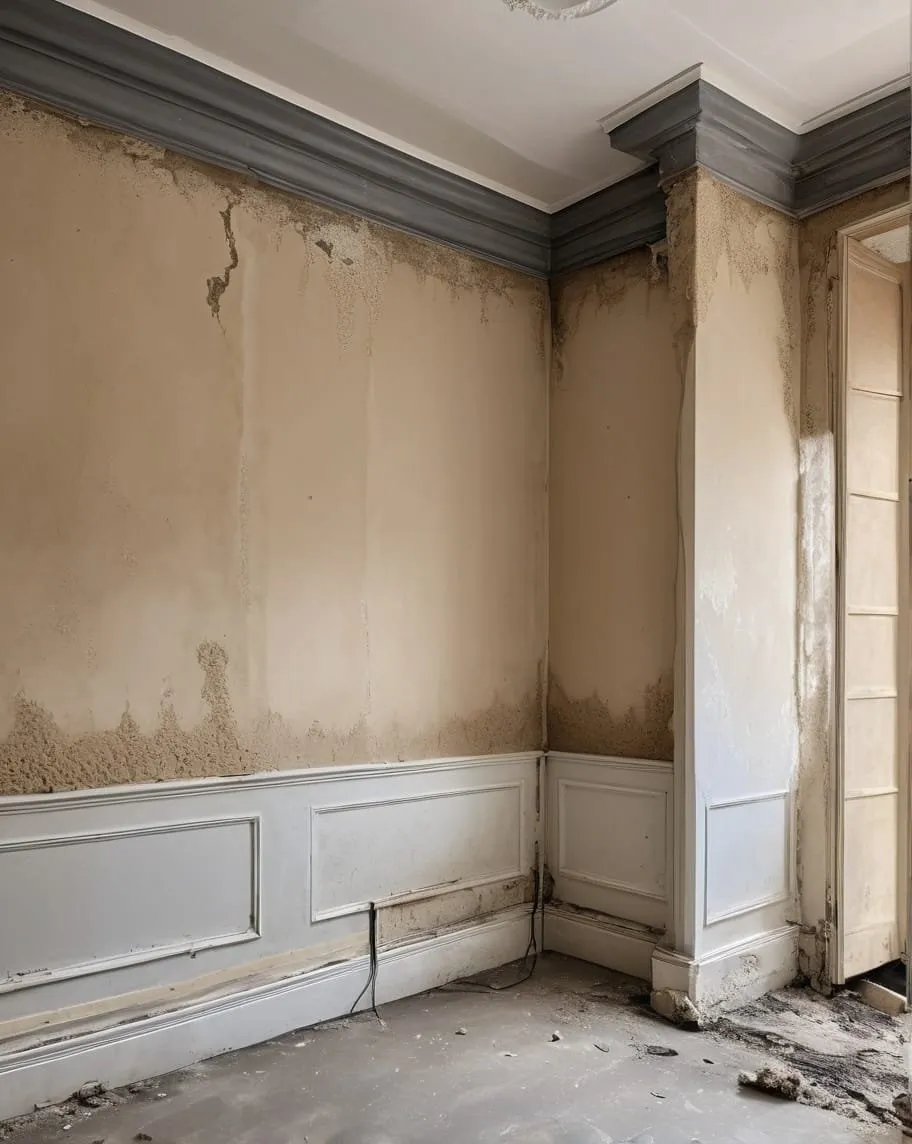
A single affected wall and new marks in several positions call for different conversations. Start by describing the surface that prompted the enquiry, then tell us whether the other accessible walls and window area show a related change. We use that information to discuss whether the visit should focus on the original finish or consider a wider moisture pattern before treatment is selected.
For example, a known repaired leak with growth remaining on one wall provides a different history from marks appearing beside several windows with no established source. Neither description decides the treatment on its own, but each gives the assessment a clearer purpose. We explain which surfaces the visit will consider and why. That helps you prepare the relevant parts of an occupied living room, while avoiding both an unnecessarily vague whole-home enquiry and a narrowly described patch that leaves important room observations out of the discussion.
QUESTIONS FOR THIS VISIT
Before making arrangements
Must I move a large sofa before contacting you?
No. Describe where it sits and how much of the wall is visible. A wider photograph can show the arrangement. We discuss access requirements before the visit, rather than expecting you to move heavy furniture merely to make an initial enquiry.
Can the work be planned around a home office?
Tell us how the room is used and what times or access limitations matter. We can discuss arrangements against the proposed scope. Do not assume that an occupied workspace can remain in normal use through every type of assessment or treatment.
Why consider a second wall when only one has marks?
The distribution of moisture or growth can provide useful context. Looking at an adjacent accessible surface may help explain the concern, but the areas included still need agreement. We distinguish relevant observations from a claim that the whole home has been inspected.
Will household ventilation advice be the whole answer?
It depends on the findings. Room conditions may be relevant, but a leak or building defect can require separate action. We explain the basis for recommendations and do not assume that ventilation changes alone will address every cause of mould.
What should I keep after the visit?
Keep the proposed scope, the work record and dates of related repairs together. If a patch returns, note the surface and conditions at the time. These details make follow-up more useful than another isolated close-up without the earlier context.
Nearby service enquiries
We also take enquiries in the surrounding areas. Call with the property’s address and affected rooms.
Plan around the room you actually live in
Call about your Chiswick home with a description of the affected surface and the furniture around it. We can discuss access, the appropriate assessment and a treatment scope, so you know what preparation is needed before making household changes.