
LONDON PROPERTY CARE
Mould Remediation Woodford
When a mark changes after rain and an exterior check is still pending, we help define what can be assessed inside now. For Woodford properties, we explain surface treatment alongside the unanswered source question, with access and repair arrangements kept clear.
A reported pattern guides enquiry without proving the cause.
- Assess the internal condition available now
- Identify the question awaiting exterior access
- Keep treatment and repair stages separate
We ask which check is still waiting to happen
You may already have reported a rain-linked change but be waiting for someone to inspect the outside of the building. Tell us what was observed, what investigation is planned and who controls that access. Tell us which exterior check is pending so we can explain what an internal assessment would add.
We distinguish a planned check from a completed one. A contractor booking does not establish the water source, and a suggestion that a particular component needs attention is not a record of repair. We use those details to explain the purpose of an internal assessment and what it can add while the exterior question remains open.
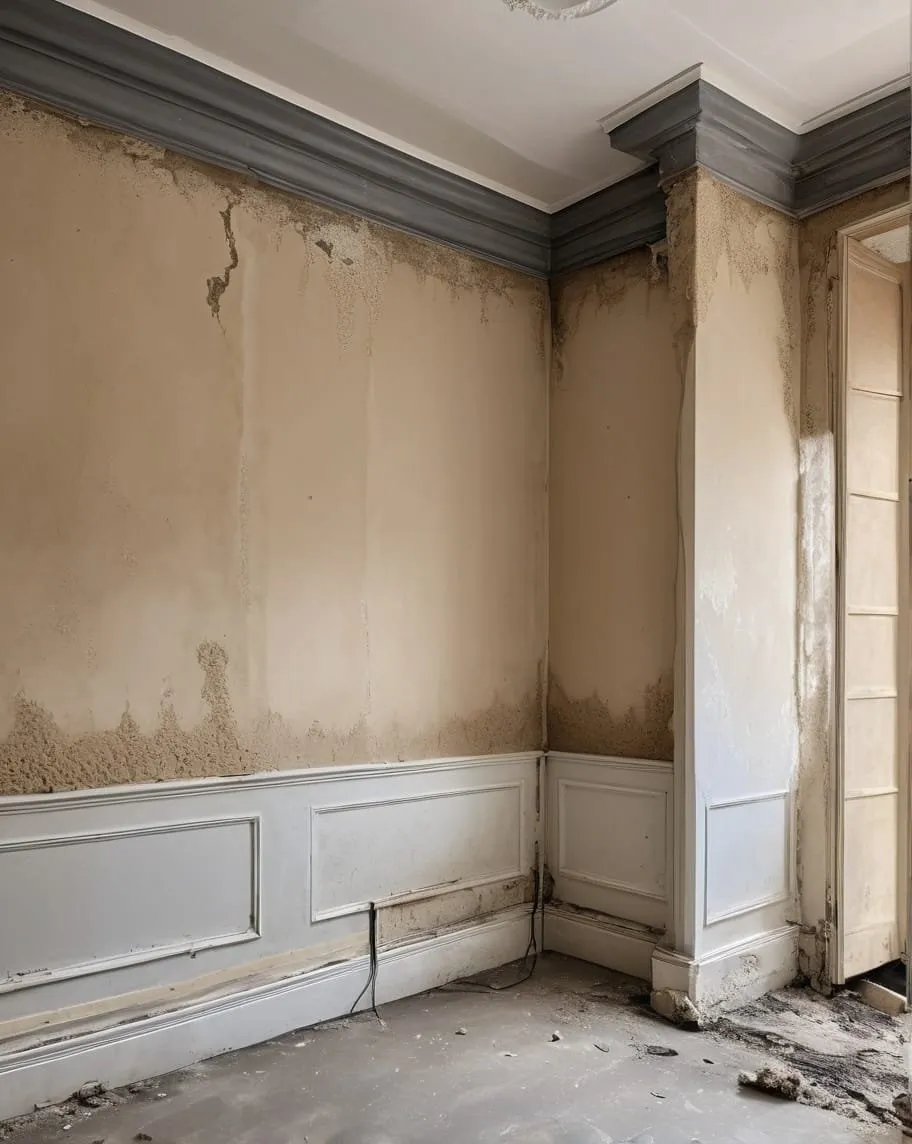
Internal surfaces can provide useful information within their limits
We consider the reachable finish, visible growth and relevant moisture observations in the room. Describe whether paint is firm, wallpaper is lifting or plaster appears damaged. Our moisture inspection service can be discussed where understanding the present internal condition is the enquiry’s purpose.
We explain the evidence in context and state the access limit. An indoor visit should not be used to claim that an unavailable roof, exterior or connected space has been inspected. Its value is to describe the room and identify which question remains for the next check. That can help the commissioning contact give a more focused brief to the person arranging exterior access.
The exterior enquiry needs a defined task and contact
Our penetrating damp inspection information provides context where water entering through the building is the concern. Explain who can arrange permission and which areas are expected to be available. We discuss the relevant assessment purpose rather than assume every exterior-related task falls within a surface-treatment booking.
If the check is outside the proposed visit, keep its status visible in the maintenance plan. The internal account can identify the affected room, reported timing and unanswered question without instructing another contractor to repair a cause that has not been established. This helps connect the work across the property while allowing the next person to assess their own task properly.
We explain the surface treatment decision while the question is open
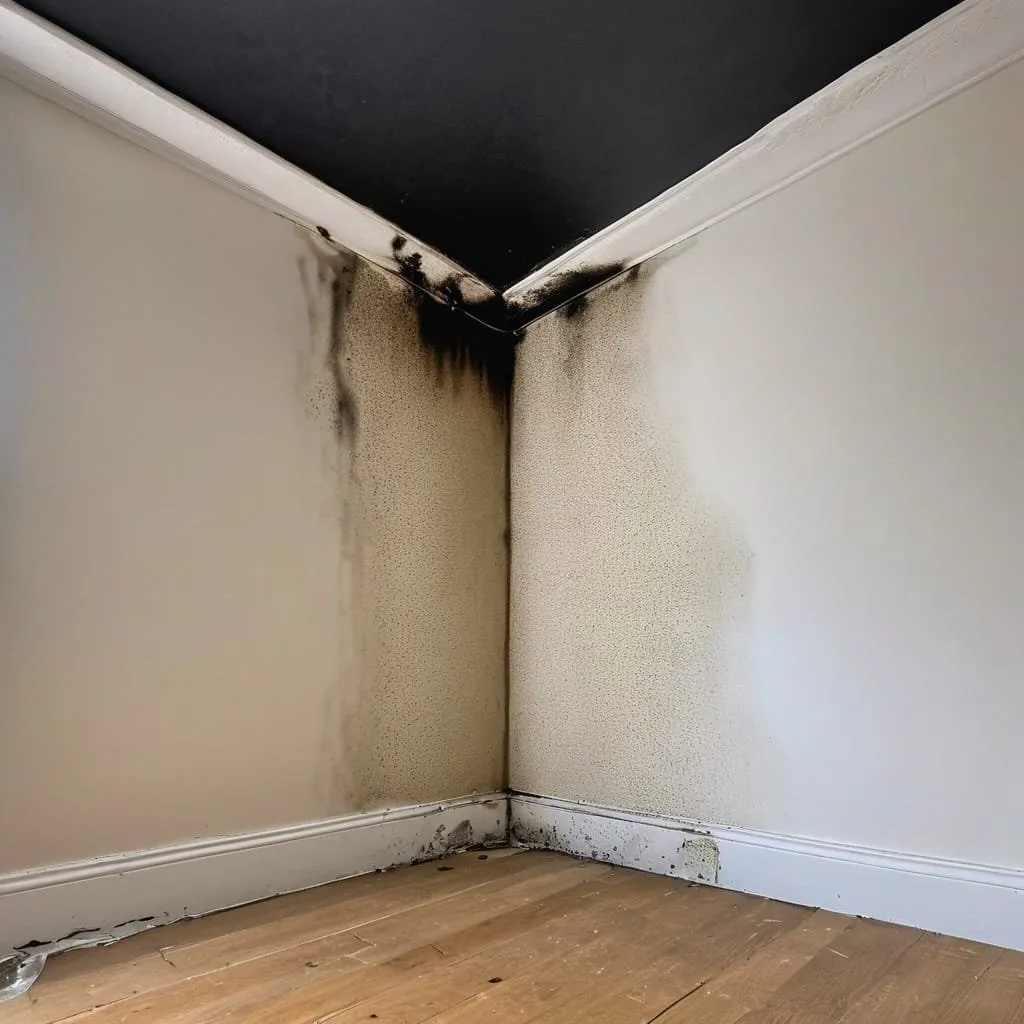
Where suitable to the material and assessment, remediation can include anti-fungal applications to affected surfaces. Our mould removal service describes that treatment. We explain what the proposed work addresses and how the outstanding moisture question affects its role in the plan. You can then discuss the decision with that limitation understood.
Treatment is not a claim that an exterior repair has happened. Nor should every internal task automatically be put into one undifferentiated package with the pending check. We identify the surface work being considered and any reason another assessment or repair needs attention first. The sequence should follow the present evidence, available access and purpose of the service.
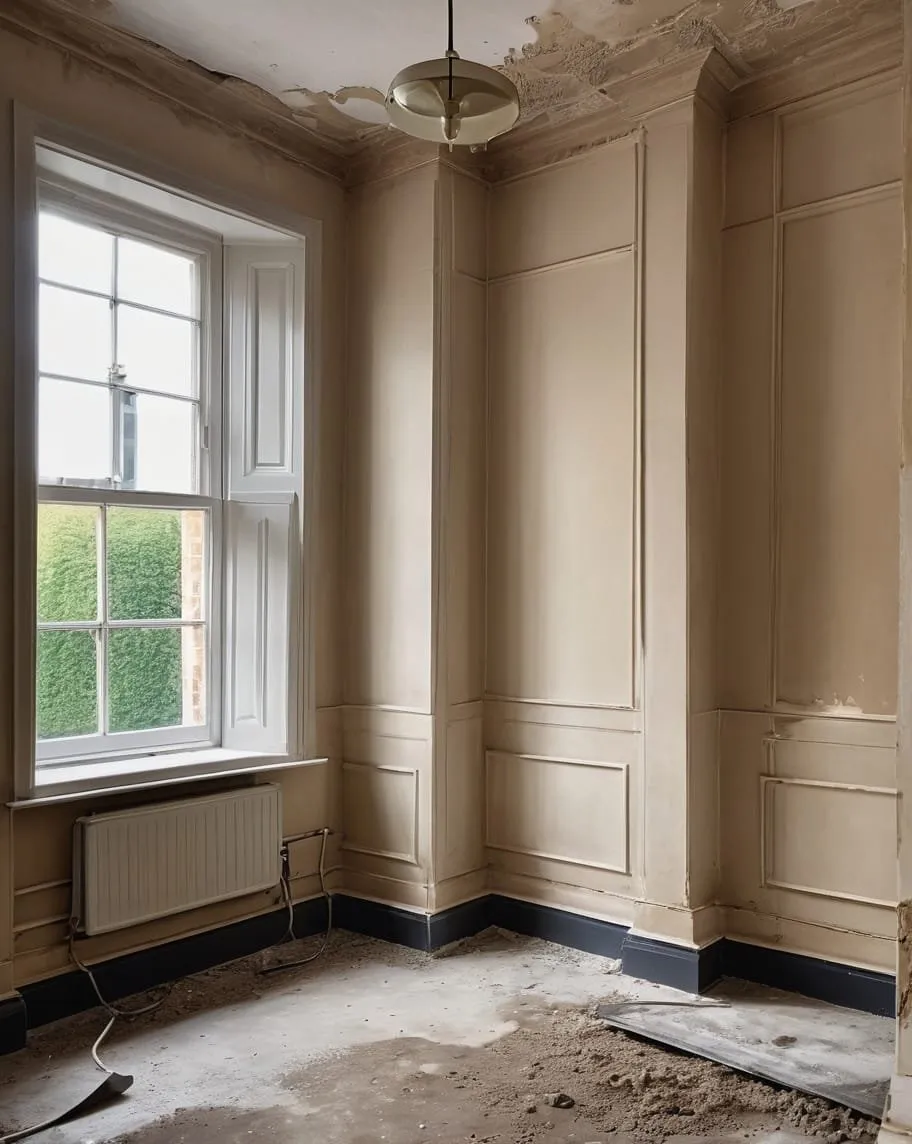
Damaged finishes create another handover question
If material is loose or deteriorating, explain it before arranging decoration. Our wall remediation information distinguishes treatment from repairing or replacing a finish. We consider that condition in the proposal so the next contractor is not briefed simply to repaint an area whose material question remains unresolved.
Tell us about other work scheduled for the room and any furniture restricting access. We discuss preparation for the proposed surfaces. The person organising repairs should retain the internal treatment record, the pending exterior task and any material restoration as identifiable stages. This makes it easier to coordinate the project without using a cleaner-looking wall as evidence about work that has not been completed elsewhere.
Why the pending-check record matters afterwards
When the exterior assessment or repair takes place, add its date and purpose to the property history. If the internal mark later changes, note the surface and what is different. We can discuss the new observation against both the treatment and source-work sequence, instead of rely on an account that still lists a proposed check as though nothing happened afterwards.
For Woodford work, our approach helps the internal and external enquiries support each other without merging their conclusions. You understand what we assessed, which surface work was proposed and what still needed access. That gives a later decision a clearer basis, whether the next concern is renewed growth, a changed water mark or a finish that needs separate repair.
Nearby service enquiries
We also take enquiries in the surrounding areas. Call with the property’s address and affected rooms.
QUESTIONS FOR THIS VISIT
Before making arrangements
Can I enquire before the exterior appointment happens?
Yes. Explain which check is pending and what you need to understand inside. We can discuss an assessment or treatment purpose, with its limits clear. A pending appointment should not be treated as proof that a source is established or repaired.
Will an indoor visit replace the outside check?
Not automatically. The scope reflects the areas that can be assessed. We explain the internal evidence and the remaining access question, so an unavailable exterior is not described as inspected through a photograph or an indoor observation.
Can remediation be considered while the source remains uncertain?
Discuss the material, current condition and purpose of the work. We explain the proposed treatment and the outstanding moisture question together. The sequence needs to be understood rather than assume surface work establishes that a repair has happened.
What should the exterior contact receive from us?
Share the room location, reported timing, relevant findings and the question still requiring attention. Keep observations distinct from a guessed defect. We discuss the assessment limits so the handover does not turn an unconfirmed explanation into a repair instruction.
What record is useful after the exterior work?
Retain its date, purpose and completion details alongside internal treatment and material repairs. If the surface changes later, describe the difference. This allows the next enquiry to consider what happened between stages instead of repeat an outdated pending-check account.
Explain the internal concern and the check still pending
Tell us the affected Woodford surface and the exterior access or repair arrangement still outstanding. We can discuss the useful internal assessment and proposed treatment, with the source question kept clear in the work plan.