
LONDON PROPERTY CARE
Mould Remediation Walthamstow
When growth returns, we look beyond repeating the last cleaning attempt. Our Walthamstow service reviews the accessible surface and previous work, then explains the treatment and moisture questions that should shape the next plan.
Previous work is considered alongside the current condition.
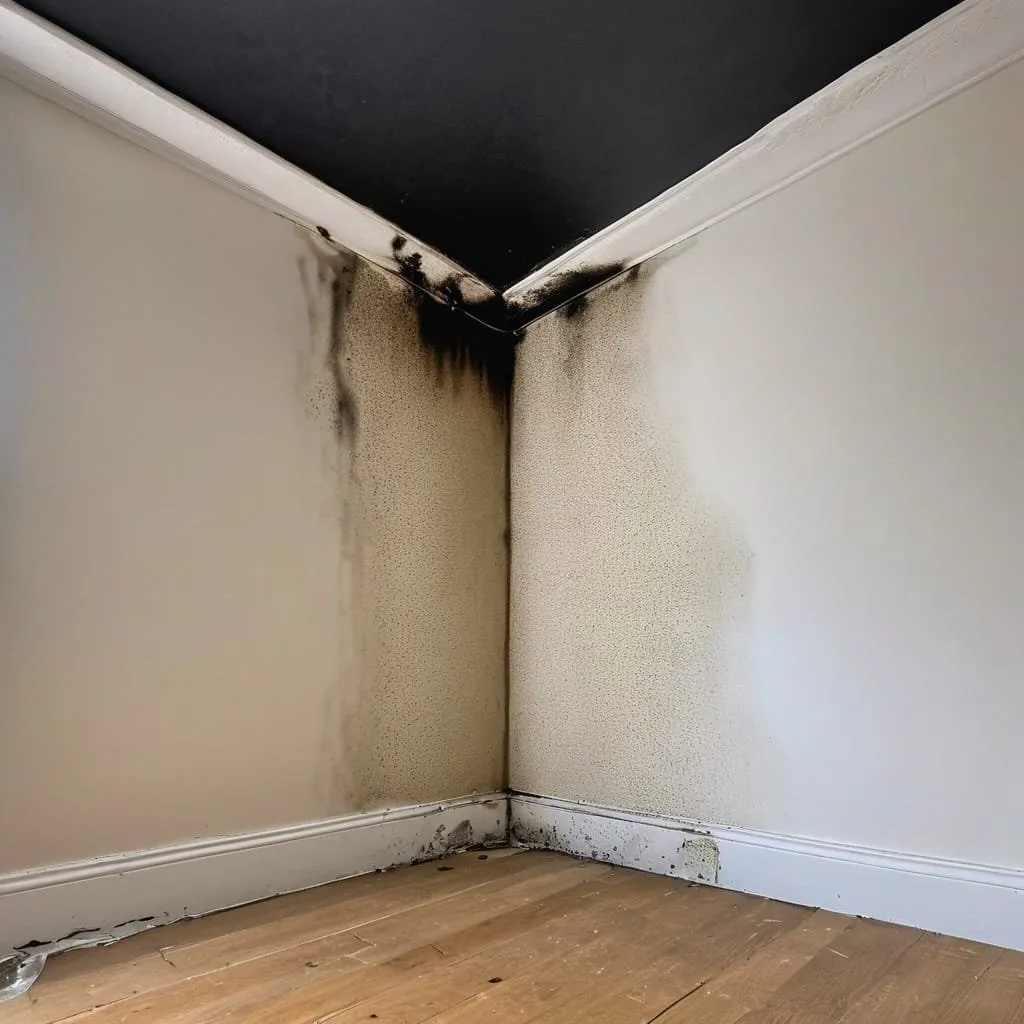
- Review what happened after cleaning
- Assess recurring surface conditions
- Link treatment with moisture advice
We ask what returned and when
The phrase keeps coming back can describe several situations: the same outline reappearing, a larger area developing or a fresh mark elsewhere. We clarify which applies to your Walthamstow property. Tell us when the surface was last cleaned or treated and whether a repair accompanied it. We ask about the current material condition too, because the finish may have changed between visits. This helps us discuss the next work without assuming the original task was either adequate or inadequate. A recurrence is an important observation, but it needs a location and chronology before it can guide a useful treatment or assessment decision.
Tell us what happened after the previous cleaning
Instead of only saying that mould came back, tell us where it returned, roughly when you first noticed it again and whether the finish changed. Note any repair made between the two appearances. A patch returning on the same painted wall after cleaning gives us a different history from growth appearing beside a newly repaired leak. We use that account alongside the accessible surface assessment to explain the treatment proposal and any unanswered moisture question. You do not need to identify the cause before contacting us. The mould removal service explains how professional treatment can include appropriate anti-fungal surface applications.
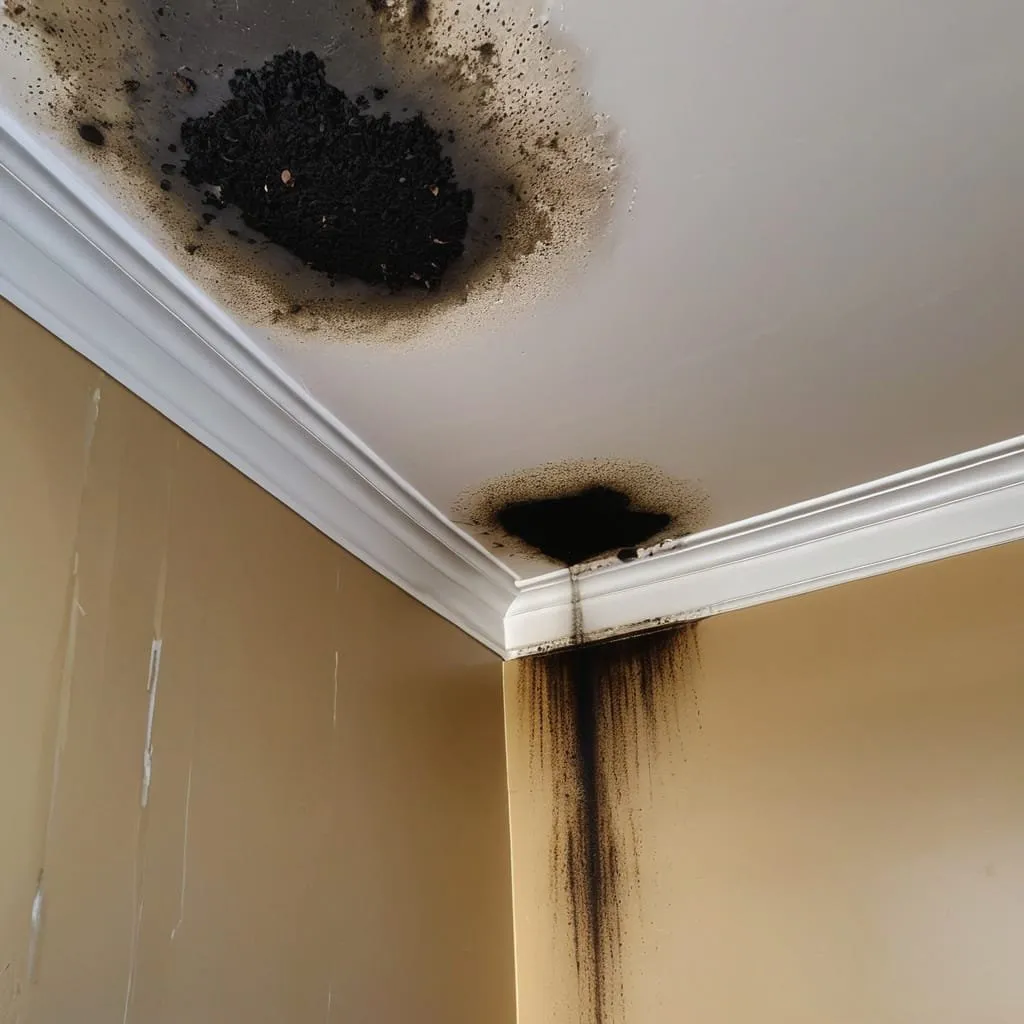
We look for the unanswered moisture question
Persistent window moisture, marks changing after rain and a reported leak are different observations. We ask about timing and location rather than select the most familiar explanation. If the cause is uncertain, a moisture inspection can help frame the enquiry. We consider accessible areas and the history, explaining where further access or a separate investigation may be needed. Where condensation is relevant, we connect the assessment with recommendations about the room conditions. A useful plan should show which part of the recurrence question has been considered, so you are not left with another surface improvement and no understanding of what remains unresolved.
Treatment should reflect the current finish
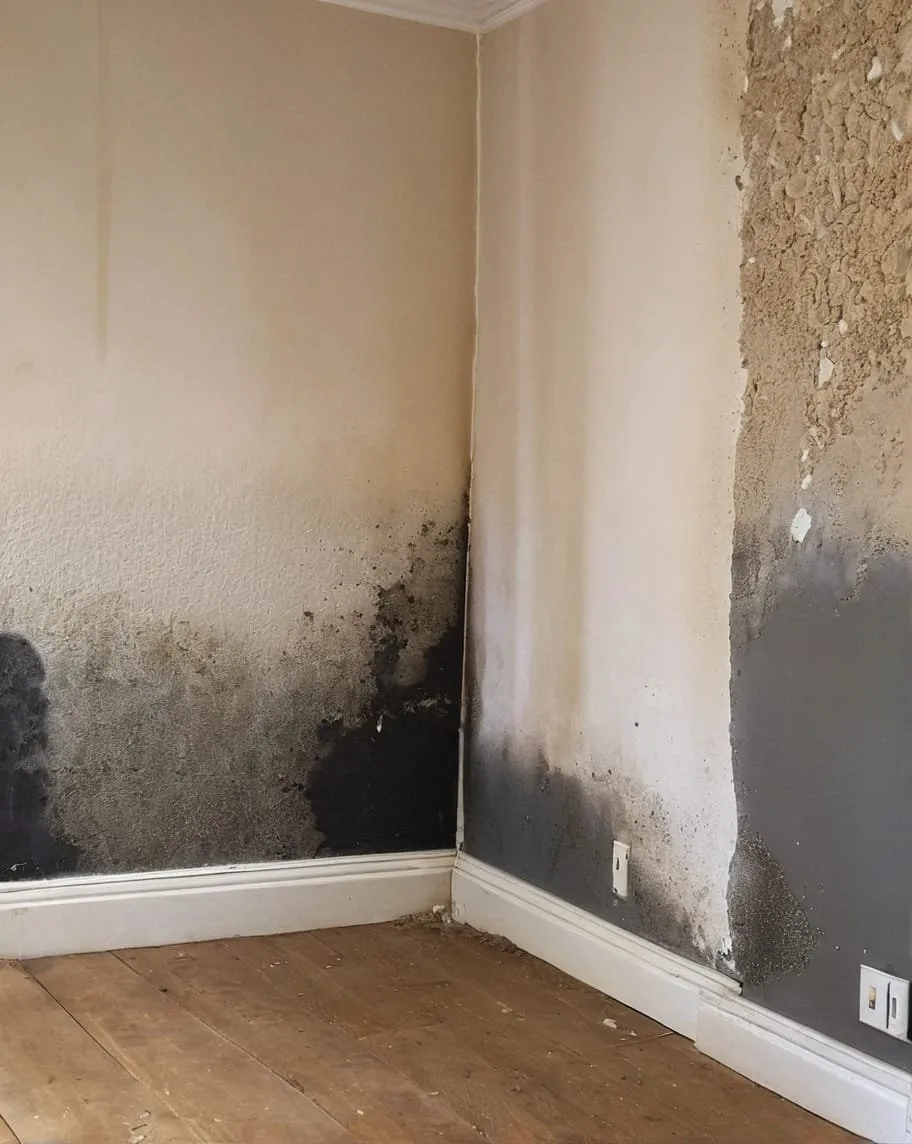
Repeated cleaning or decoration can leave a surface different from its earlier state. Tell us if paint is loose, paper is peeling or the wall appears damaged. Our wall treatment information explains why remediation and material repair need separate decisions. We assess what can be reached and discuss preparation before work is agreed. If furniture conceals the recurring area, make that clear. A photograph of the exposed edge is helpful for the enquiry but cannot establish the condition of all concealed material. The proposed scope should match the current accessible finish rather than rely on how the wall looked before the first treatment.
Talk through the property concern
We explain prevention in relation to the findings
Where room conditions contribute to the concern, we discuss practical condensation and ventilation recommendations alongside remediation. The condensation service covers those questions without turning them into a universal explanation. If a building defect remains relevant, we keep that in the plan. We explain which actions concern the occupant and which may require the owner or another contractor. This is helpful when a recurring problem has produced conflicting advice: each proposed action should relate to an observation or identified uncertainty. You can then organise the appropriate maintenance instead of collecting another list of general instructions with no clear connection to the affected surface.
Why a better record makes the next enquiry stronger
Our approach uses previous work to focus the next decision, rather than treating regrowth as a reason to start the same conversation again. Keep the scope, dates of treatment and completed repairs together for the Walthamstow address. Add current images showing where the mark sits in the room. If conditions change after remediation, note whether the change affects the same surface and what happened in the interval. We can discuss that evidence with the original assessment limits in mind. This makes follow-up more useful and helps distinguish a newly affected area from a task that remained outside the agreed work or a source question that is still outstanding.
QUESTIONS FOR THIS VISIT
Before making arrangements
Is the same patch returning proof of a failed application?
It is a reason to review the history, but it does not settle the cause by itself. Continuing moisture, material condition and the earlier scope can all matter. We consider the present surface before recommending further work.
Should I keep details of household cleaners?
If you know what was used and when, include that in the history. You do not need a complete product record to enquire. The location, recurrence dates and any related repairs are also useful to the assessment conversation.
Can repeated painting affect the enquiry?
Yes, it changes what is visible and may leave previous marks concealed. Tell us when decoration occurred and what prompted it. We consider the current finish while retaining the earlier photographs and repair history as context.
What if the new mark is in another room?
Describe it separately rather than label it as the original patch returning. Its timing, material and room conditions may differ. We can discuss whether the enquiry needs a wider assessment or a separate focused scope.
Why revisit ventilation after treatment?
Where condensation is relevant, room conditions remain part of prevention. We explain recommendations in relation to the findings. That discussion should complement treatment and any building repair, rather than replace an unresolved source investigation.
Nearby service enquiries
We also take enquiries in the surrounding areas. Call with the property’s address and affected rooms.
Bring the recurrence history to the enquiry
Tell us what returned in your Walthamstow property, when it changed and which work was completed before it. We can discuss remediation that addresses the current surface while keeping the remaining moisture question visible.