
LONDON PROPERTY CARE
Mould Remediation Leyton
We treat visible mould with attention to the conditions around the surface. For Leyton enquiries, we assess the accessible area, explain the treatment approach and connect the work with practical moisture and ventilation recommendations.
Advice is linked to the assessed room and agreed work.
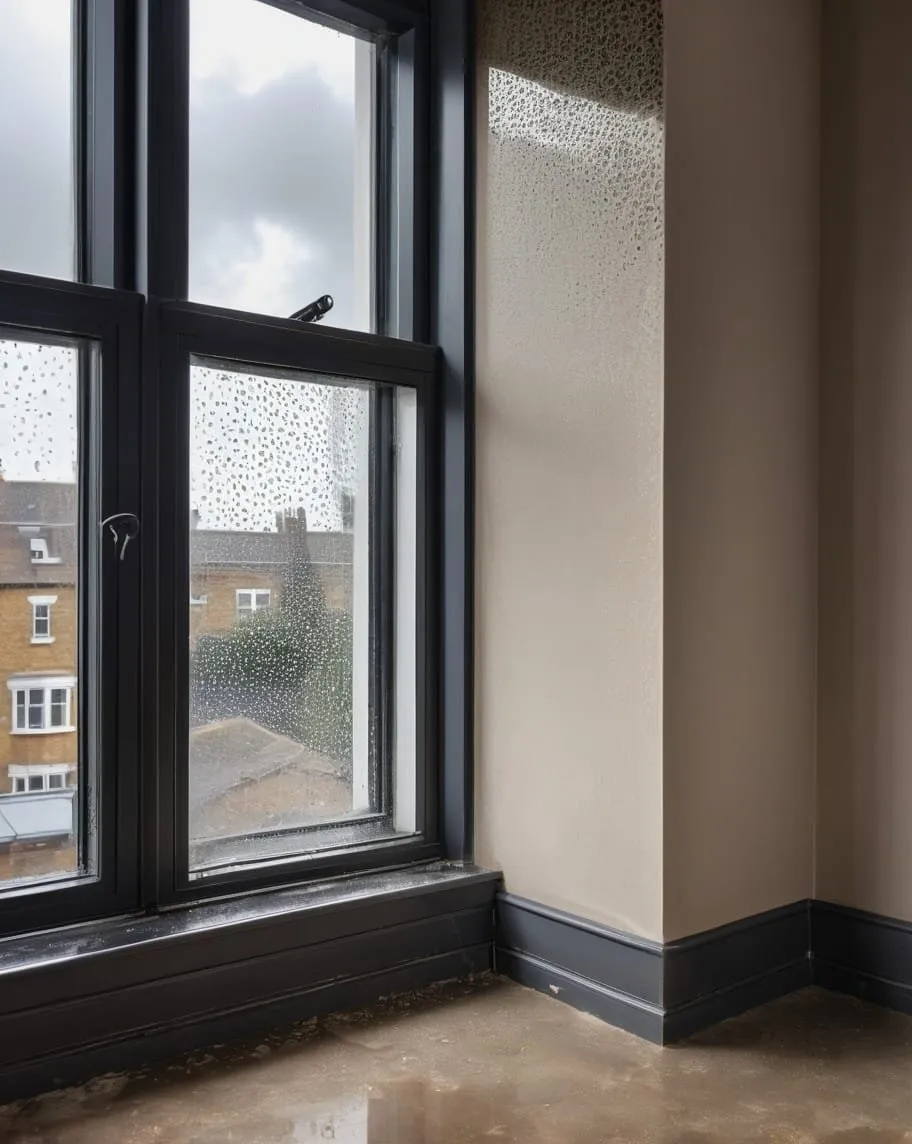
- Assess the affected room conditions
- Apply appropriate surface treatment
- Explain practical prevention measures
We consider the conditions that keep a surface vulnerable
Mould removal has a more useful purpose when the room conditions are considered at the same time. We ask about the location of growth, visible moisture and changes in the room before discussing work at your Leyton property. Explain whether marks return after cleaning or first appeared following a particular incident. We consider accessible materials and the account you provide rather than recommend treatment solely from the colour of the patch. The aim is to understand what the surface needs now and which conditions deserve attention alongside it. This gives the prevention conversation a basis in the room, instead of relying on a standard instruction that may miss a repair concern.
Our assessment includes ventilation and moisture questions
Where condensation may be relevant, we review the observations about moisture, ventilation and room use. Persistent wet glazing, bathroom moisture that lingers after use and growth on a colder surface are useful things to report. They do not rule out a separate defect. Our condensation mould service explains why the room conditions and visible treatment should be considered together. We can discuss moisture assessment where the cause remains uncertain. If part of the building cannot be accessed, we explain that limitation. Advice about the room should remain proportionate to the evidence rather than turn an incomplete inspection into a definite explanation for every affected area.
Treatment is matched to the accessible material
We consider the surface condition before agreeing how to address the visible growth. Mould treatment may include appropriate anti-fungal applications, selected in relation to the affected material and assessment. We explain the proposed approach and preparation rather than ask you to choose a product without that context. Our mould removal overview sets out the relationship between treatment and the moisture question. Damaged finishes can require a separate repair decision. Where the surface is concealed or loose, we discuss the access or material issue before treating it as a routine application. That allows the work to follow the actual condition of the room.
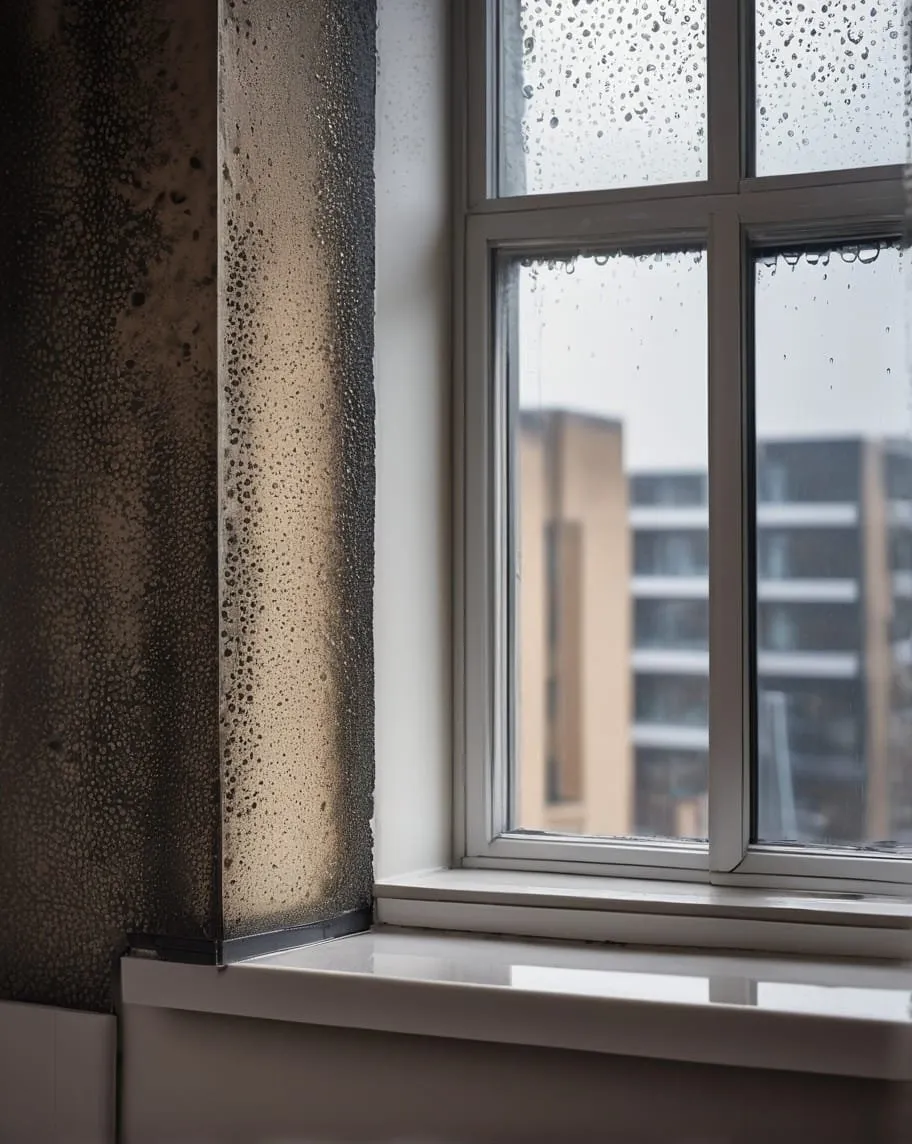
Talk through the property concern
Connect each recommendation with an observation
Tell us whether bathroom moisture lingers after use, glass becomes wet or a patch returns in the same position. These observations help us explain which ventilation and humidity questions matter during assessment. Any recommendation should say what it addresses and who needs to act on it. For example, advice about room moisture belongs alongside the proposed mould treatment; a concern about a damaged fitting or an unresolved water source may need a separate maintenance enquiry. That distinction gives you a usable list of next steps rather than a general instruction to ventilate more. Where moisture inspection identifies an unresolved question, it should remain part of the next-step plan.
Occupied rooms need realistic preparation
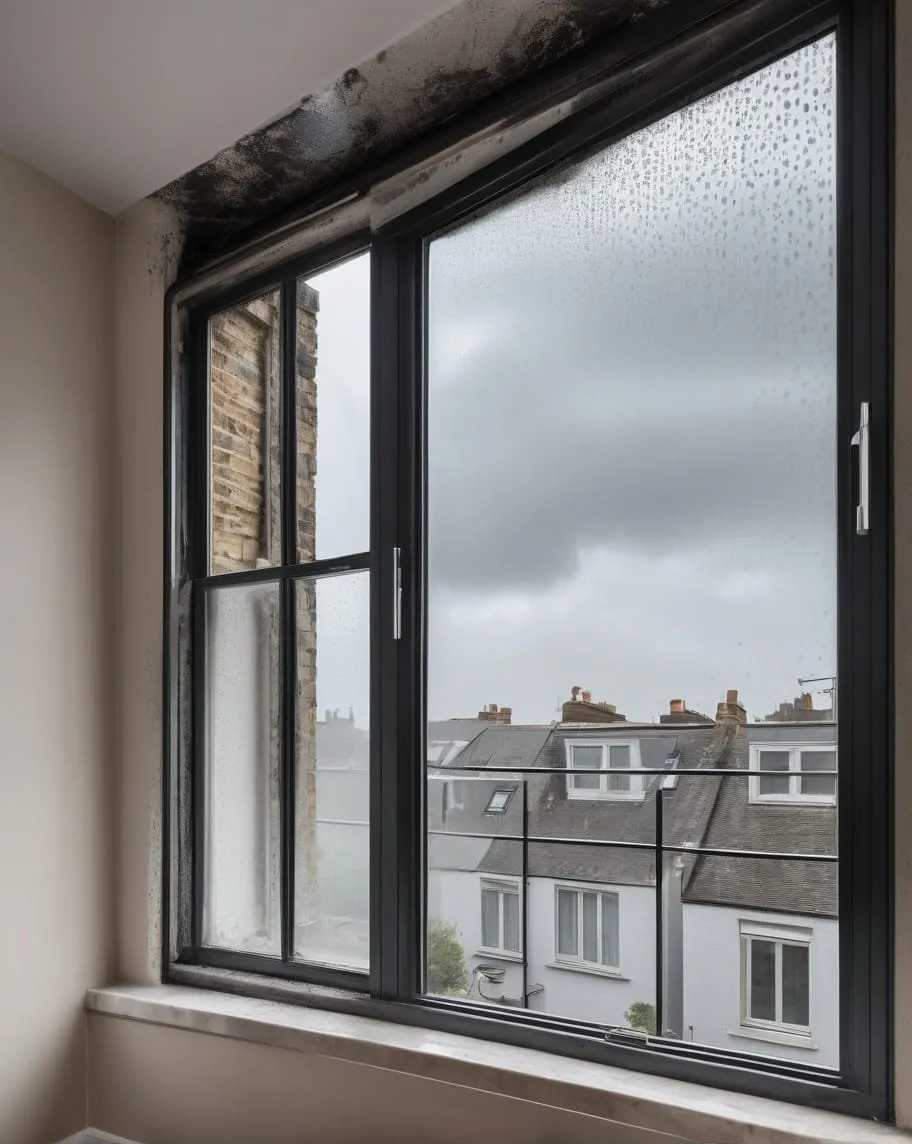
Tell us how the affected space is used and what furniture restricts the surface. We discuss preparation for the proposed treatment, including access to the agreed areas, before arrangements are fixed. Do not move heavy fittings or disturb a damaged finish just to improve the initial photograph. In a bedroom, work around a bed or wardrobe needs a practical conversation; in a bathroom, room availability may matter. Our bathroom treatment page covers that room’s surface and moisture questions. Preparation should make the work achievable while remaining specific to the service agreed, rather than becoming an unnecessary whole-house clearance request.
Why we keep prevention connected to treatment
Our range of mould and moisture services lets us discuss the surface and its surrounding conditions together. For Leyton property owners, that means an explained treatment plan with relevant recommendations rather than a promise that one application controls every future condition. Keep the work record, any separate repair dates and observations of recurring moisture. If growth later appears elsewhere, identify the new surface instead of assuming it is the same issue. We can then discuss what has changed. The value of follow-up comes from a clear comparison with the assessed room, not from repeatedly applying the same approach to marks whose position or history has never been considered.
QUESTIONS FOR THIS VISIT
Before making arrangements
Does anti-fungal treatment remove the need for repairs?
No. Surface treatment and correcting a moisture source are different tasks. We explain the proposed application and any related recommendation, so a remaining building repair is not lost behind the improvement in the visible finish.
Can you advise on ventilation?
Ventilation and condensation recommendations can form part of the service discussion. We connect them to the assessed room and explain any limits. Do not assume that advice alone replaces a needed assessment of an unexplained damp mark.
Why do you ask whether growth returns?
The timing and previous treatment history help us understand the current enquiry. Recurrence can make the moisture question especially relevant, but it does not establish one particular cause without considering the room and material.
Will I need to empty my bedroom?
Describe the furniture and affected wall before doing that. Preparation should follow the agreed access and treatment. We discuss practical arrangements instead of presuming that all belongings need moving for every surface enquiry.
What should I watch for after the work?
Note changes in the treated surface and the conditions discussed during assessment. Keep separate repair dates too. A new location, renewed water mark or different pattern provides useful information for deciding the next enquiry.
Connect removal with the room conditions
Tell us where mould appears in your Leyton property and what you have noticed about moisture. We can discuss appropriate treatment and explain the practical recommendations that belong alongside the surface work.
Nearby service enquiries
We also take enquiries in the surrounding areas. Call with the property’s address and affected rooms.