
LONDON PROPERTY CARE
Mould Remediation Tottenham
When several business rooms show mould, we help define the work for each space. For Tottenham premises, we compare accessible materials, moisture histories and entry arrangements before explaining which surfaces the proposed remediation includes.
Premises requirements are discussed before work is arranged.
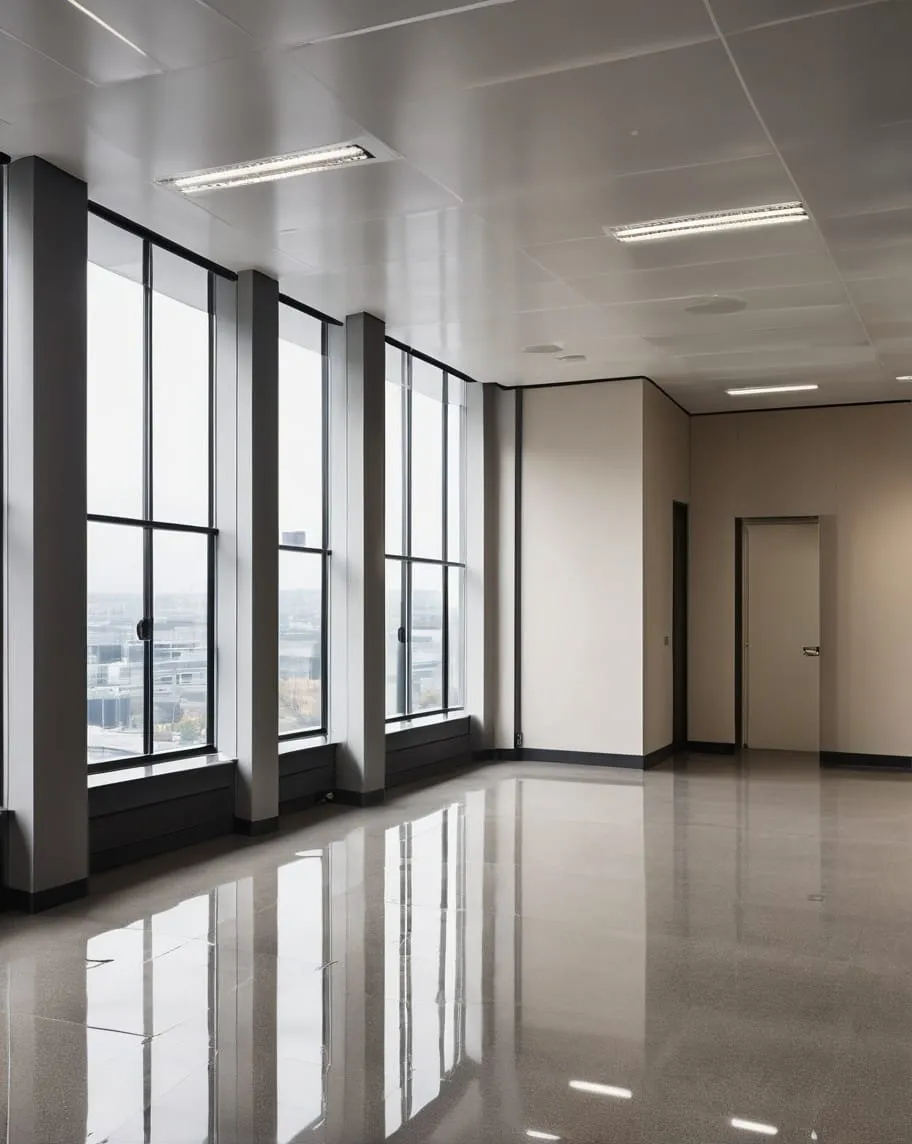
- Separate staff, storage and customer spaces
- Compare materials and moisture histories
- Agree access and treatment by area
Start with the rooms rather than one premises total
A report of mould throughout a business can hide important differences. A staff room may have a marked ceiling, a storage space an affected wall, and a customer-facing room growth near glazing. We ask which spaces actually show the concern and what you need the work to achieve.
Our commercial damp and mould service lets that brief be discussed room by room. Tell us who commissions the work and whether one area is the immediate priority. A focused treatment scope can then be considered without losing the wider observations or presenting an unexplored whole-building description as a completed assessment.
We compare the histories before linking the causes
Ask the person familiar with each space when the marks appeared and what changed. A storage-wall problem after a known incident should remain distinguishable from persistent wet glazing in another room. We review those accounts with the accessible surfaces. Similar-looking growth does not establish that the rooms share a cause or need an identical assessment.
Where understanding moisture is the main uncertainty, damp and moisture inspection can be discussed. We explain the question for the included areas and any limit. If one room has no reliable history, say that clearly; evidence from another room should not silently fill the gap or be used to claim a source has been established there.
Different finishes need different treatment decisions
We consider the material in each agreed area, including whether paint is firm, decoration is loose or a finish appears damaged. Appropriate remediation can include anti-fungal surface applications chosen in relation to the material and assessment. The proposal should identify those surfaces rather than refer only to removing mould from the premises.
Our mould removal overview explains the treatment purpose, while wall remediation information covers related material questions. A treatment decision for an intact wall does not automatically describe a deteriorated finish in the next room. We make separate repair or decoration tasks visible so the commissioning contact can organise them with the relevant contractor.
Talk through the property concern
Access is agreed for each operational space
Room availability can differ across the premises. Stored items may block a wall, another manager may control entry to a staff area, or a customer-facing room may have particular practical restrictions. Describe those arrangements before booking. We discuss preparation against the proposed surface work and clarify which person receives the instructions.
A concealed area should remain an access question until it can actually be included. Do not move heavy storage or dismantle a fixed item merely to improve the initial photograph. We use the access brief to define achievable work, rather than assume that permission for one room allows entry to every connected space or that every area can be prepared in the same way.
The scope should show what is included and what remains
A useful commercial proposal distinguishes the rooms, affected materials and treatment areas. It should also identify the purpose of any assessment and the separate maintenance questions raised by the evidence. We explain those boundaries before agreement, so a defined part of the premises is not mistaken for a complete building restoration.
If another contractor is addressing a water source or damaged finish, tell us which room and task are involved. The operational contact can then keep the treatment plan alongside that work without merging their responsibilities. Any written findings required for the maintenance decision need an agreed purpose too; a multi-room enquiry should not be assumed to include every specialist document a business might request.
Why a room-based commercial plan is more usable
Our approach connects assessment, suitable surface treatment and preparation to the spaces that need attention. For Tottenham enquiries, that means the business contact can see how a staff-room task differs from a storage-wall concern and which questions are still unresolved. It also provides a clearer basis for comparing proposals than a single total description of mould at the premises.
After work, retain a record of the rooms and surfaces included, alongside separate repair dates. If another concern is reported, identify its space and whether it was part of the original scope. We can discuss that change against the relevant history. A room-based record helps a follow-up focus on the current task instead of assume every area needs the same work repeated.
QUESTIONS FOR THIS VISIT
Before making arrangements
Can one business room be the first priority?
Explain the priority and the wider room list. A focused scope can be discussed, but relevant observations elsewhere should remain in the brief. We make the included areas clear rather than presume the whole premises are covered.
Do similar marks mean the rooms share a source?
Not necessarily. Timing, materials and moisture histories can differ. We compare the accessible evidence and explain any relationship supported by it, instead of treating a similar appearance as a complete diagnosis across the premises.
How should I describe a blocked storage wall?
State what is visible, which items restrict access and whether they can reasonably move. Do not shift heavy storage for an enquiry photograph. We discuss preparation and assessment limits before the area is represented as fully available.
Can different managers provide entry to different rooms?
Tell us who controls each area and who approves the overall work. The practical brief should reach those contacts. Permission or access for one room should not be assumed to extend to every space in the premises.
What should a multi-room work record contain?
Keep the included rooms, treated surfaces, assessment purpose and separate repair dates identifiable. A later concern can then be compared with the relevant area rather than a broad entry saying the business had mould treatment.
Give each affected business room a clear place in the plan
For Tottenham premises, tell us the affected spaces, materials and who controls access. We can discuss a room-based assessment and remediation scope that helps the commissioning contact organise suitable work and separate maintenance tasks.
Nearby service enquiries
We also take enquiries in the surrounding areas. Call with the property’s address and affected rooms.