
LONDON PROPERTY CARE
Mould Remediation Highgate
Growth above eye level can be difficult to describe and reach. Our Highgate service discusses the ceiling and upper-wall pattern, assesses accessible materials and considers relevant moisture evidence, then explains treatment requirements and any separate repair question raised by the room history.
Height and access are included in the service discussion.
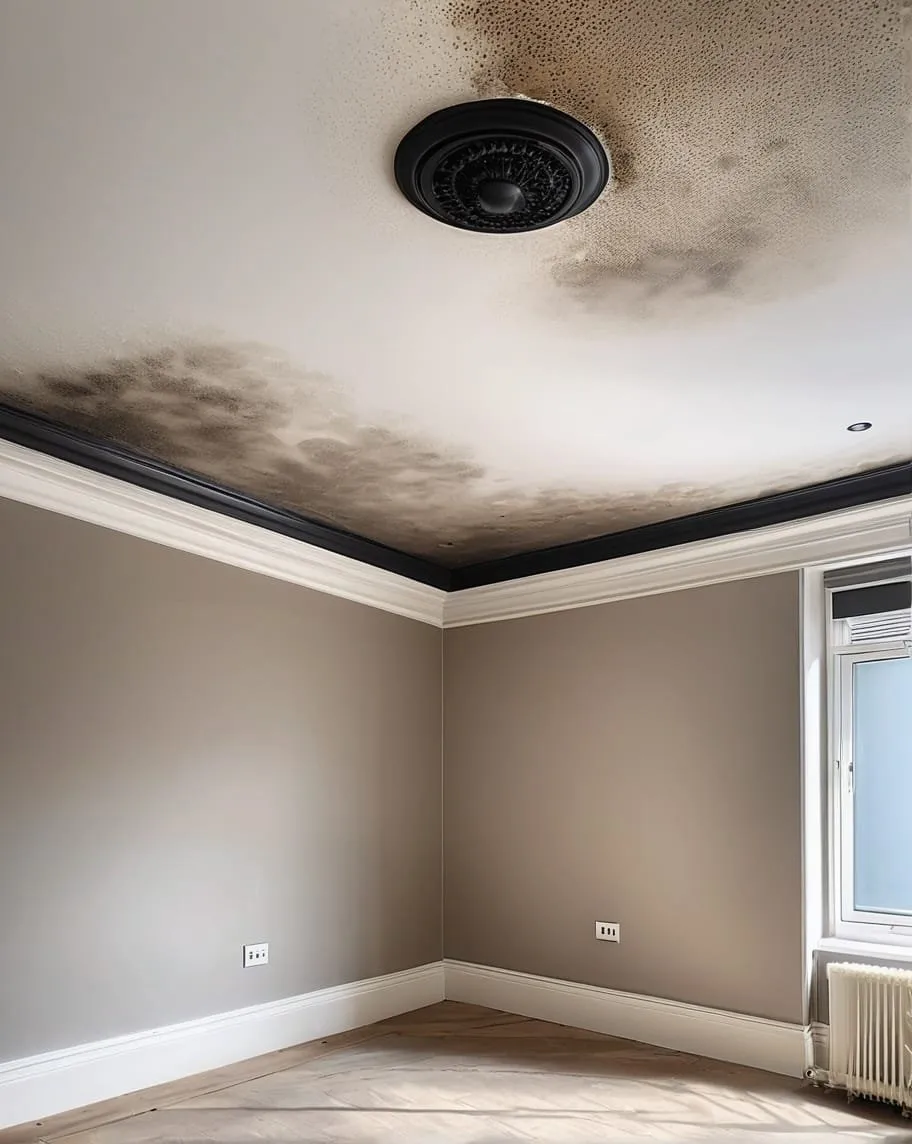
- Review ceiling and upper-wall patterns
- Plan suitable access before the visit
- Assess treatment beside repair history
Describe the upper pattern from a safe position
We ask where the marks sit and whether they follow an edge, spread across the ceiling or continue down a wall. A photograph taken from the floor can support the enquiry. You do not need to climb to provide a close view. We use the room description to discuss the intended visit and access, recognising that height may limit what can be observed before an assessment is arranged.
We use the room description to distinguish a ceiling edge from growth around a fitting or above a stairwell. We then discuss the reachable area and preparation for the proposed task. Giving each position a clear description helps us plan the assessment without asking you to climb or open a concealed space first.
Consider the accessible material condition
Paint, ceiling finishes and any damaged areas need attention alongside the growth. Our ceiling treatment service covers the relevant scope discussion. We explain whether surface remediation is proposed and which material repair questions remain separate. A high position should not become a reason to overlook deterioration or assume the finish can be restored merely by covering the visible marks.
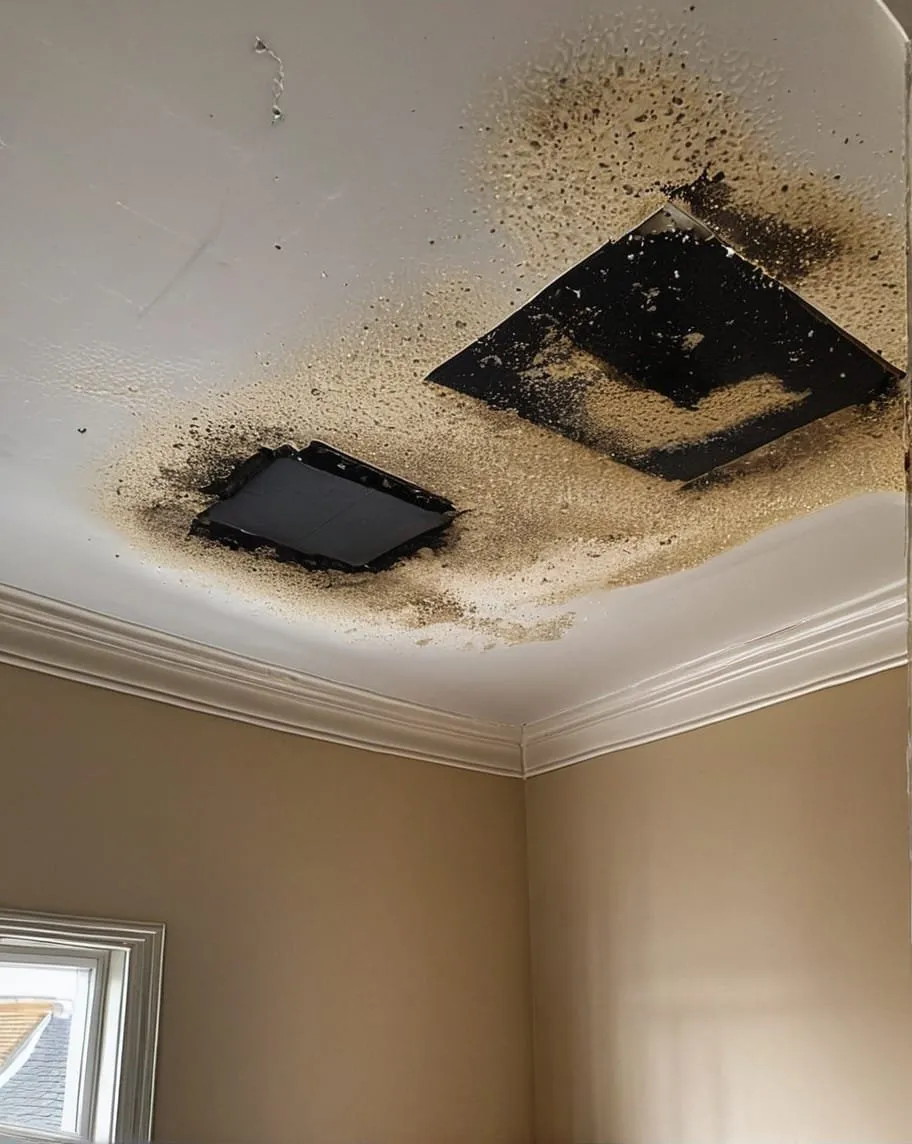
Review what lies above the affected room
Tell us about known leaks, repairs and the space above where that information is available. We consider it as background, not as proof of an inaccessible source. A moisture inspection may be appropriate where the explanation is uncertain. The findings should reflect the areas actually included and make any further access question understandable, particularly when another person controls the relevant space.
Explain suitable treatment for the agreed areas
Where the assessment supports it, remediation may include anti-fungal applications appropriate to the affected surface. Our mould removal information explains that treatment sits within a defined scope. We identify the upper surfaces included and the practical preparation needed. An agreed application should not be presented as fixing every concealed material or moisture source beyond the accessible area.
Talk through the property concern
Link room conditions to the recommendation
We also review condensation observations and relevant humidity or ventilation questions where the evidence makes them useful. Prevention advice should connect with the findings rather than rely on a stock instruction for ceilings. We can discuss both moisture assessment and surface treatment, helping you understand why one stage may need to accompany another. Any separate building repair remains visible so the plan addresses more than the location of the mark.
Keep the ceiling record useful after restoration
Retain photographs that show the affected position and dates of remediation or related repairs. If new marks appear, identify whether they return along the same edge or in another area. We can then discuss the current question against the previous scope. For your Highgate property, a clear record of the accessible upper surfaces is more useful than a general statement that the ceiling was painted or treated some time ago.
QUESTIONS FOR THIS VISIT
Before making arrangements
Should I use a ladder to photograph the ceiling?
A clear view from a safe floor position is enough to begin the enquiry. Describe the location and approximate spread if the photograph is distant. We discuss access requirements as part of the proposed visit rather than asking you to climb simply for a closer image.
Can you include the wall below the ceiling?
Mention that surface separately and explain how the growth connects. We can discuss an appropriate combined scope where access and material condition allow. The proposal should identify the areas covered so ceiling treatment is not assumed to include every adjoining wall automatically.
Does a ceiling patch prove there is a leak above?
It can raise that question, but location alone does not confirm the source. We review the history and accessible evidence, including other moisture observations. Where the space above cannot be inspected, the limitation should remain clear instead of becoming an unsupported diagnosis.
Will treatment repair peeling ceiling paint?
Remediation and finish restoration are different tasks. We consider the coating condition and explain the proposed boundaries. Suitable treatment applications do not automatically include replacing a damaged finish or painting the whole ceiling, so those arrangements should be discussed separately.
What information helps with a high ceiling enquiry?
Give the room, ceiling height where known, affected position and any access restriction. Tell us about earlier leaks or repairs and include a wider image if practical. Those details help us discuss the visit without requiring technical measurements or a guessed cause from you.
Nearby service enquiries
We also take enquiries in the surrounding areas. Call with the property’s address and affected rooms.
Explain the surface above the room
For a Highgate enquiry, describe the ceiling position and any related wall growth. We can discuss access, moisture assessment and appropriate surface treatment, with the limits of the proposed work and any separate restoration requirements understood before an appointment is arranged.