
LONDON PROPERTY CARE
Mould Remediation Kentish Town
Several repairs can be planned at once when mould affects a room. Our Kentish Town service helps place assessment and surface treatment into that sequence, explaining suitable remediation and the moisture or material work that needs separate coordination before the finish is restored.
The proposal shows where our work fits into the plan.
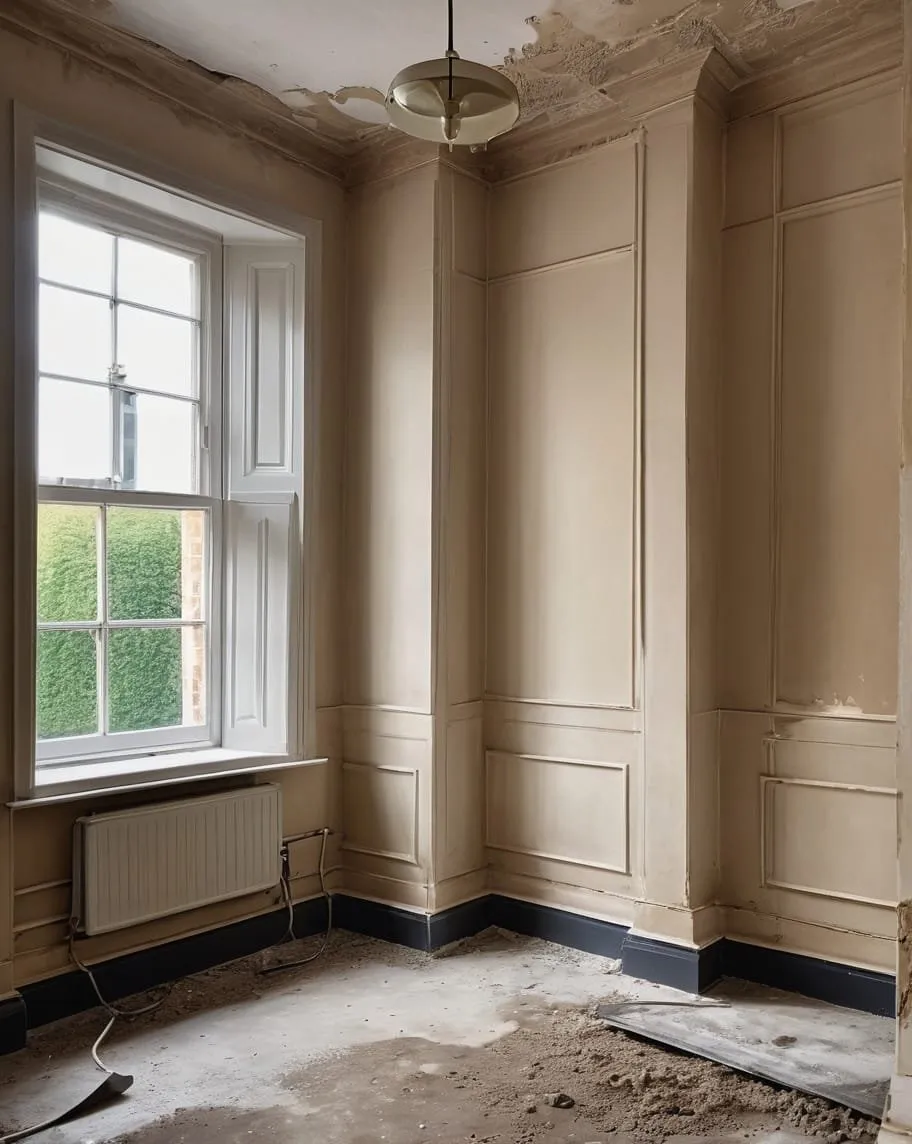
- Review the planned maintenance sequence
- Assess before decorative decisions
- Explain treatment and outstanding repairs
Find the unanswered task in the project
We ask what work has been completed, what is booked and which decisions remain open. A contractor may have repaired the source while another plans decoration, yet the affected wall still needs assessment. We use that sequence to understand the enquiry. The point is not to prescribe the same order for every property, but to identify the current moisture and surface questions before further tasks conceal the evidence.
Before proposing our stage, we ask which surface the next contractor expects to work on and whether any preparation will change its condition. We can then explain the remediation areas while the existing evidence is available. This helps you pass on a specific treatment brief rather than a general instruction covering the entire renovation.
Inspect the condition that the next trade will inherit
Accessible materials are considered for growth, finish damage and relevant moisture indications. Where the source remains unclear, our damp survey service can be discussed. We explain the observations and limitations so the next decision has a defined basis. An assessment should not quietly assume that a completed repair has restored every surface or resolved every concern across the room.
Set out the remediation stage
Our black mould removal service can include suitable anti-fungal applications where appropriate for the assessed surfaces. We explain the purpose, included areas and relevant preparation. This gives the project a concrete treatment stage rather than an undefined request to “sort the mould”. Damaged or inaccessible material may need another task, and that boundary should remain clear in the proposal.
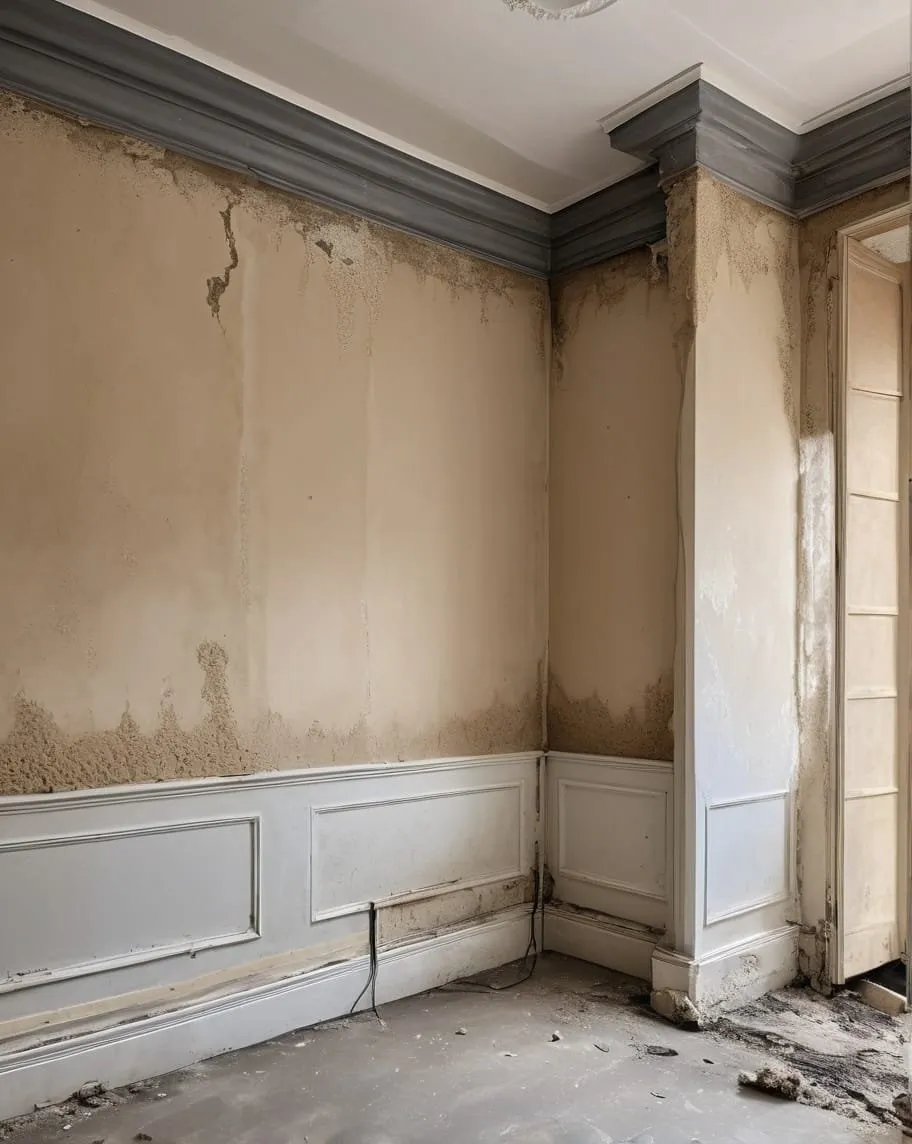
Talk through the property concern
Keep material repair distinct from removal
If a wall finish is loose or deteriorated, its restoration needs discussion alongside treatment. Our wall mould information covers the relevant surface questions. We identify what lies within remediation and which work belongs to a separate repair arrangement. That makes coordination easier because the person restoring the finish can understand the unresolved issue without assuming a treatment visit includes every decorative layer.
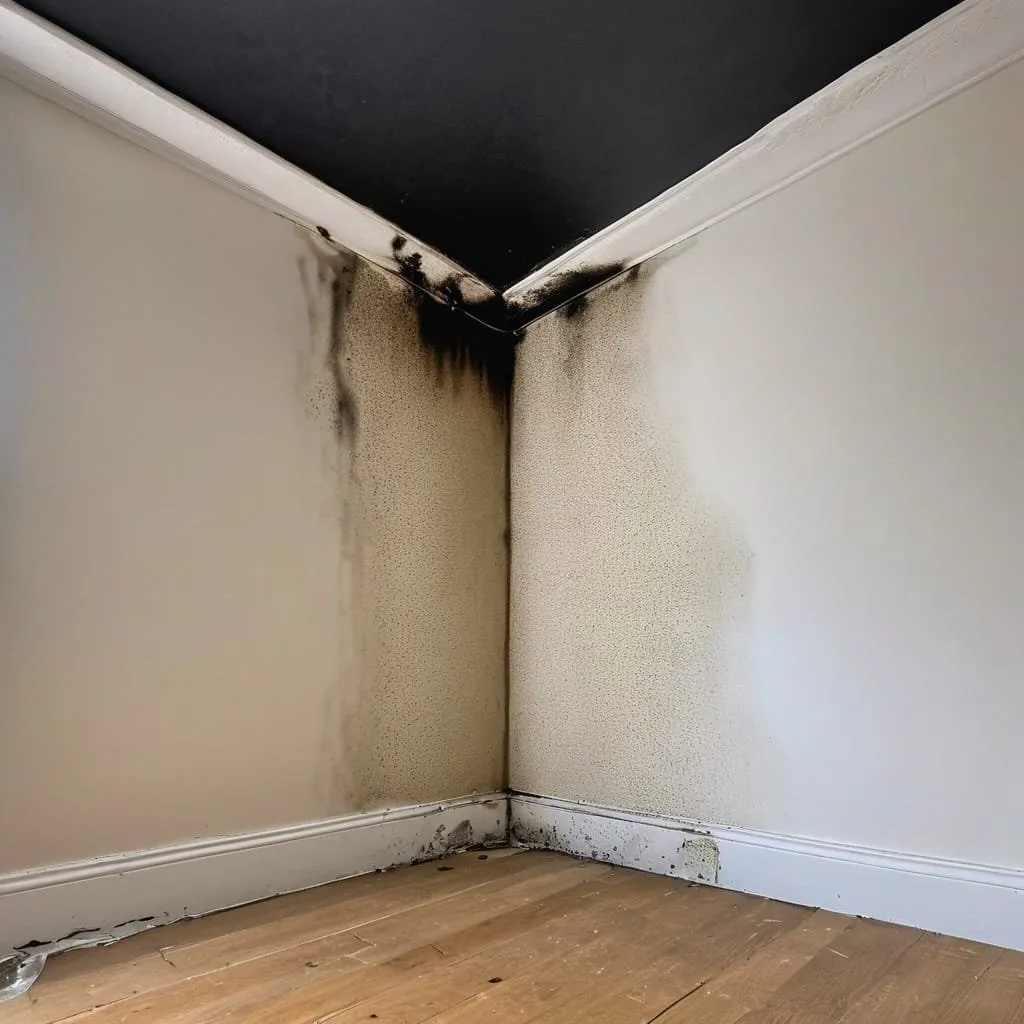
Explain advice in relation to completed work
Where humidity or ventilation conditions are relevant, we discuss practical recommendations tied to the assessment. Where a building repair remains the important next task, that should not be replaced by generic room advice. Our capability lies in connecting moisture assessment, suitable treatment and prevention discussion into an understandable plan. You can ask why each stage is recommended and how its purpose differs from a task already completed.
Preserve the sequence for future decisions
Record the dates of source repairs, remediation and restoration separately. If growth returns, the order and affected surface help frame a more focused enquiry. We can consider what changed after each stage rather than treat the entire project as one indistinct event. For Kentish Town properties, an accurate maintenance trail offers more useful context than a general assurance that the room was recently renovated.
QUESTIONS FOR THIS VISIT
Before making arrangements
Can I discuss mould before the decorator arrives?
Yes. Tell us the planned work and current surface condition so we can discuss the assessment and treatment question. Decoration may change the visible evidence, so the enquiry is more useful when unresolved moisture or material concerns are identified before the finish is covered.
Do you manage every trade involved?
We explain where the proposed service fits and which separate repairs need coordination. Do not assume that a remediation enquiry appoints us to manage the whole refurbishment. Identify the person coordinating the project so our scope can be communicated to the appropriate contacts.
What if a moisture repair has already been approved?
Share its purpose, intended date and any available findings. We consider it as part of the sequence without treating approval as proof of completion. The current affected surfaces and any remaining question still need attention when discussing the appropriate treatment stage.
Can anti-fungal treatment replace a leak repair?
No. Suitable applications can form part of remediation for assessed surfaces, but a continuing water source requires its own action. We explain how those tasks relate so treatment is not mistaken for fixing a defect that lies outside the removal proposal.
Why keep separate dates for each task?
They help explain what changed and when. A later mark can be discussed against the completed moisture repair, surface treatment and decoration rather than a single vague renovation date. That history supports follow-up and helps avoid repeating work without understanding the remaining question.
Put the mould stage into your maintenance plan
Call about the Kentish Town property with the work already completed and the tasks still planned. We can discuss assessment, appropriate remediation and the boundaries of our proposal so moisture repairs and decorative restoration can be coordinated from a clearer brief.
Nearby service enquiries
We also take enquiries in the surrounding areas. Call with the property’s address and affected rooms.