
LONDON PROPERTY CARE
Mould Remediation Belsize Park
Mould can cross from one finish into another within a single room. Our Belsize Park service considers those material differences, assesses the accessible moisture pattern and explains treatment for the agreed surfaces, with damaged finishes and separate repairs identified clearly.
Each affected material is considered within the proposal.
- Map growth across different finishes
- Check wall and ceiling condition
- Select appropriate surface treatment
Map the transition between surfaces
We ask where the growth starts and which finishes it reaches. A ceiling edge, papered wall and painted reveal may all be involved. Wider photographs help us understand that arrangement before a visit. During assessment, accessible materials are considered separately, so a treatment recommendation reflects the actual room rather than use one broad description that hides differences in condition or access across the affected area.
We separate the enquiry into named areas, such as the papered wall beside the painted reveal, and check which finish carries each part of the growth. That simple surface map helps us explain the treatment proposal accurately. It also gives you a useful way to identify the work when another person arranges preparation.
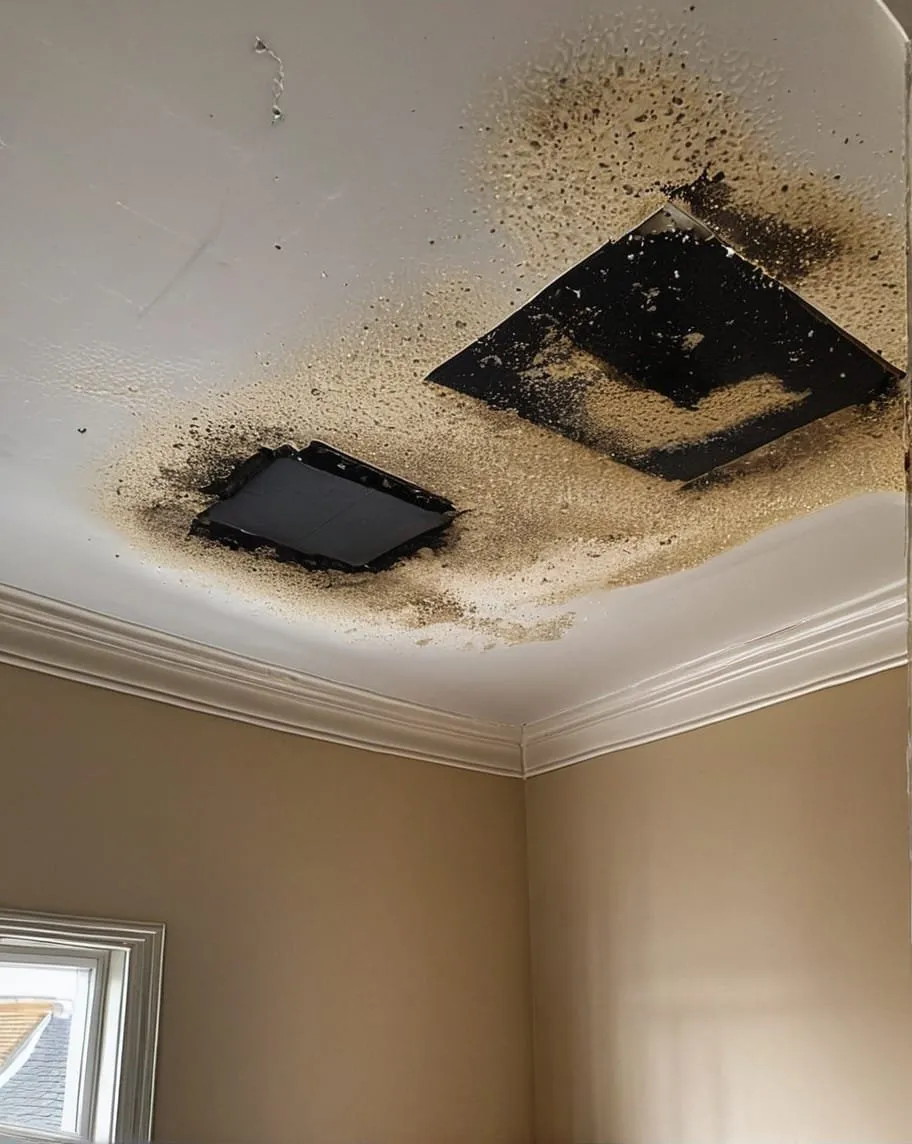
Look for deterioration as well as growth
Loose coatings, stains and damaged material may sit beside visible mould. We consider their relationship without assuming all appearance changes need the same work. Our wall remediation service is relevant to that discussion. The proposed scope distinguishes treatment from restoration, allowing you to understand when a finish needs another task and why simply covering it may leave an important question unresolved.
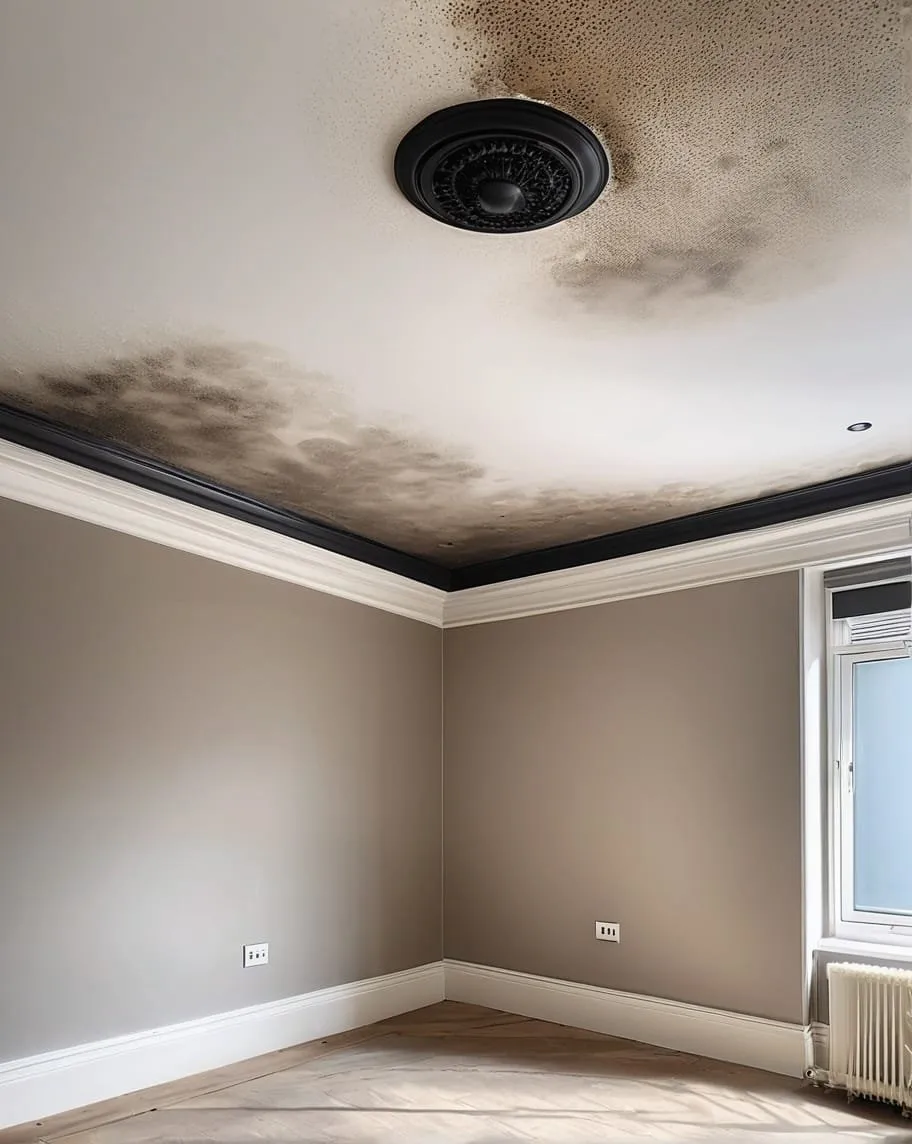
Give the upper surface its own assessment
We discuss height, reachable areas and any relevant space above the ceiling. Our ceiling mould treatment service provides a focused route for upper-surface concerns. Information about a leak or nearby room matters, but an inaccessible area cannot be presented as inspected. We explain the access arrangement and limits so the ceiling proposal remains tied to evidence obtained within the agreed visit.
Select suitable applications for the materials
Where appropriate following assessment, remediation may involve anti-fungal treatment of affected surfaces. We explain what is proposed and which materials fall within the work. Our mould removal information describes the broader treatment enquiry. Selecting a suitable approach includes understanding the finish condition; it should not become a blanket statement that every damaged or concealed layer will be restored by a surface application.
Connect the moisture question across the room
We review whether growth follows one corner, appears in several positions or accompanied a known water incident. Moisture assessment and humidity or ventilation considerations can inform the recommendation where relevant. We explain what supports the suggested next step and which separate repair remains necessary. Our related service range makes it possible to address the surface and moisture discussions together, while retaining a defined scope for each part.
Describe the room clearly for later work
After remediation is agreed, keep the surfaces and recommendations recorded individually. This helps a decorator or repair contractor understand what was treated and what still needs attention. If a mark returns, its position relative to the earlier finishes is useful background. For Belsize Park enquiries, we use that room-specific record to make the follow-up clearer rather than rely on assumptions about the district or a generic description of the whole room.
QUESTIONS FOR THIS VISIT
Before making arrangements
Is one price automatically for all the finishes shown?
The proposed scope should name the areas and tasks included. A photograph can show several materials without making every repair part of remediation. We explain the treatment boundaries so you know what is covered and which finish restoration may need a separate arrangement.
Can the ceiling and wall be assessed together?
Describe both surfaces and the access available. We can discuss a combined enquiry where appropriate, while considering their different materials and practical requirements. The visit should identify the areas included rather than assume every upper space or concealed layer is accessible.
What if paper is lifting beside sound paint?
Tell us about that contrast because material condition can affect the recommendation. We consider the affected accessible surfaces and discuss any repair or removal question separately. Sound appearance in one place should not be treated as evidence that another deteriorating finish needs identical treatment.
Will anti-fungal application repair the decorative finish?
An appropriate treatment application addresses the mould concern within its scope. It should not be understood as repairing damaged paper, plaster or paint. We explain related restoration tasks so the proposed remediation is not mistaken for a complete decorative refurbishment of the room.
How should I record a mixed-surface problem?
Identify the room and each affected finish, with a wider view showing how the areas connect. Dates and earlier repair details help as well. You do not need technical material names; a clear practical description is enough to begin the assessment and scope discussion.
Nearby service enquiries
We also take enquiries in the surrounding areas. Call with the property’s address and affected rooms.
Describe the surfaces as well as the room
For a Belsize Park property, tell us where the growth crosses between walls, ceilings or other finishes. We can discuss assessment and treatment around those materials, then explain access requirements and any restoration question beyond the proposed remediation.