
LONDON PROPERTY CARE
Mould Remediation West Hampstead
Mould in a bedroom needs a plan that respects the room and investigates the affected surfaces. Our West Hampstead service discusses wall condition, access beside beds or storage and relevant moisture history, then explains what treatment covers and what may need separate attention.
The room’s actual condition leads the recommendation.
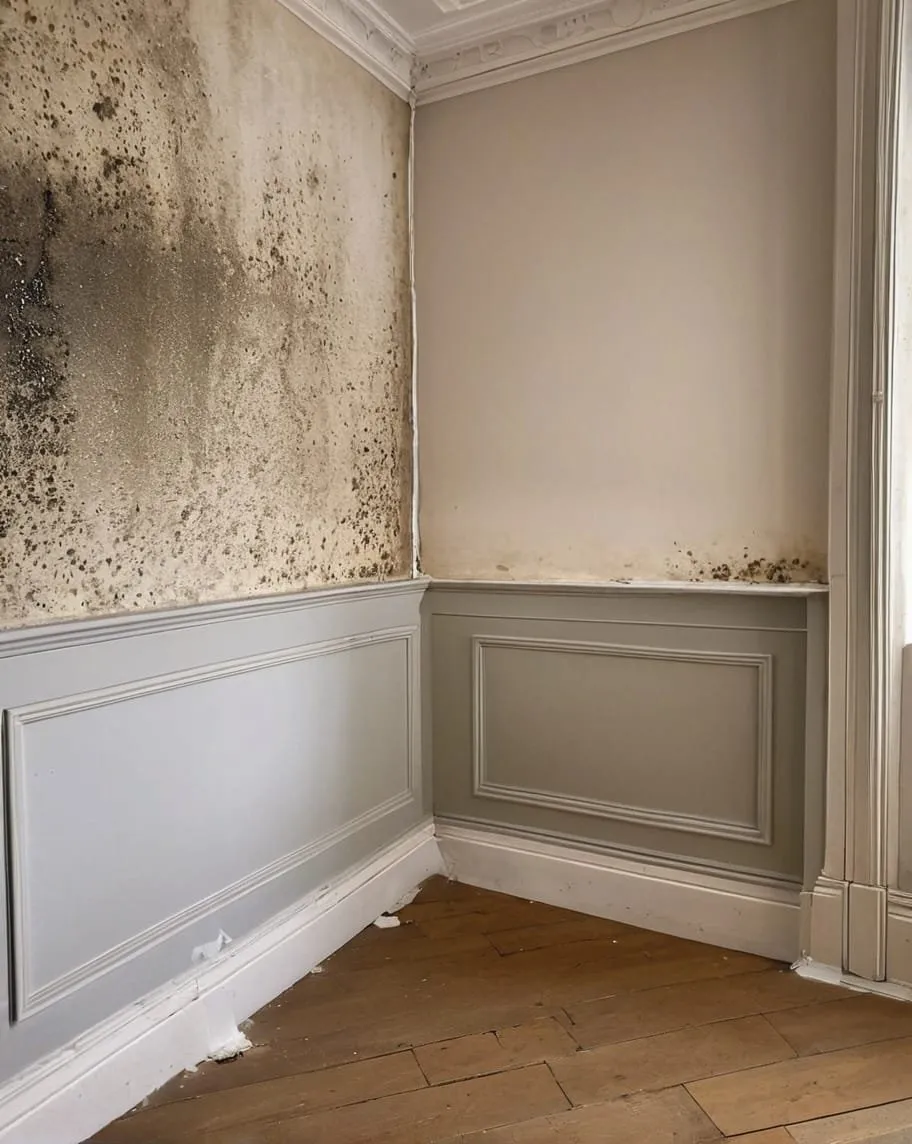
- Assess bedroom walls and finishes
- Plan access beside beds and storage
- Explain the relevant moisture next steps
Understand where the bedroom marks appear
We ask whether growth sits at a corner, beside a window or behind furniture. Describe the accessible pattern and how long you have noticed it. A view of the room can be more helpful than several close-ups that do not show which wall is affected. We use this background to discuss the visit, without requiring you to identify a mould species or diagnose the moisture source yourself.
Describe the removal work and related tasks
Our mould remediation information provides background on the surface treatment discussion. We explain the included areas and identify matters such as material repair or a continuing moisture source that need a separate step. You can ask why the proposed work suits the affected bedroom and which uncertainties remain. That clear explanation is part of our approach, alongside the relevant treatment and assessment services.
Where appropriate for the assessed finish, we can use suitable anti-fungal applications within the agreed treatment area. We explain which bedroom surfaces are included and the practical preparation they need. Relevant humidity or ventilation considerations are discussed with the findings so the proposal links material treatment to room conditions without assuming every bedroom has the same cause.
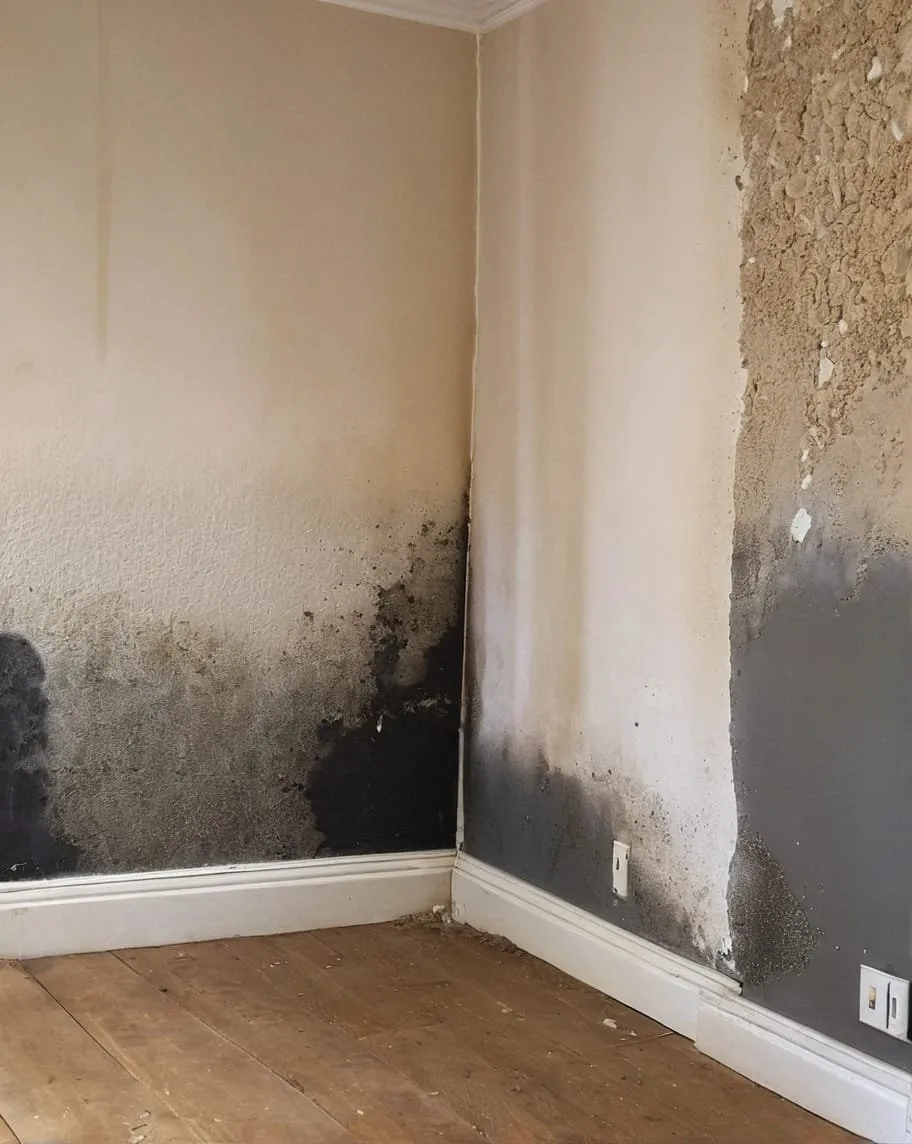
Consider the finish beneath the visible growth
Paint, paper and exposed wall material raise different treatment questions. We discuss their condition, including loose or damaged areas. Our wall mould removal service explains the distinction between treating growth and restoring the finish. If repair needs to accompany remediation, that should be part of the planning conversation rather than discovered after a decorative appointment has already been arranged.
Agree access that fits the occupied space
Beds, wardrobes and belongings may restrict what can be inspected. We discuss the areas that need to be reachable and who will arrange preparation. Mention anything heavy, fitted or difficult to move. A proposal should acknowledge concealed areas instead of treating them as assessed. We also ask about practical household requirements, so arrangements can be considered against the scope before an appointment is confirmed.
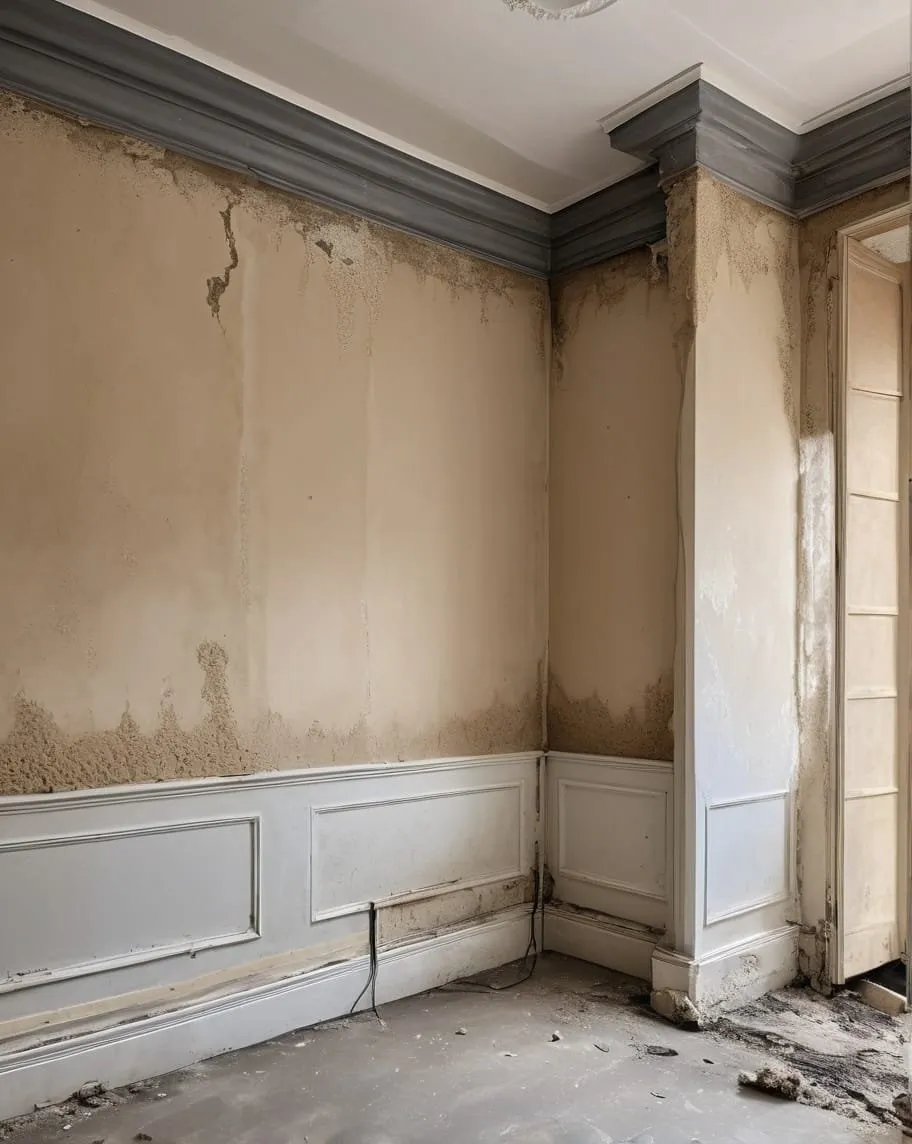
Talk through the property concern
Review moisture alongside normal room use
Tell us about wet glazing, leaks and changes to the room. We consider that account without assuming the occupant caused the concern. Where room moisture needs attention, our condensation treatment service can be discussed. If the pattern or history suggests a wider question, assessment may need a different focus. The proposal should follow the evidence rather than rely on a standard explanation for every bedroom.
Compare the two bedrooms before combining the work
Tell us if another bedroom shows a related mark, even when the original enquiry concerns only one wall. Name its position and describe whether it appeared at the same time or has a separate history. We can then discuss which rooms the assessment should include. Two room names alone do not tell us whether the finishes, access or moisture observations are connected.
Give each bedroom its own entry. Note where growth appears, the finish, access and any known leak or previous treatment. If one room has a damaged wall and the other has marks behind furniture, say so rather than describe both as the same job. We use those differences to explain the proposed assessment or treatment for each room. The work and preparation should remain identifiable even when both rooms are discussed in one enquiry.
QUESTIONS FOR THIS VISIT
Before making arrangements
Should I empty the bedroom for an enquiry?
No. Tell us what limits access and provide a room description or photograph where practical. Preparation should match the proposed visit. We discuss whether particular surfaces need to be reachable before you rearrange belongings or attempt to move large furniture.
Can you discuss a room used by a child?
Mention the household arrangements and the affected surfaces so we can consider the practical enquiry. We explain the service scope and preparation requirements. Questions about an individual’s symptoms or health need appropriate professional advice rather than a conclusion from a mould photograph.
Is a cold corner enough to identify condensation?
It is useful context, but the accessible evidence and moisture history still matter. We consider wet glazing, leaks and other changes before discussing the assessment route. The location of the patch should not be treated as proof that no other source is involved.
Will a new wardrobe arrangement solve the concern?
Furniture layout may be relevant to the room discussion, but it cannot settle every moisture issue. We explain advice in relation to the findings and keep separate repairs visible. Avoid assuming that a layout change removes the need to assess damaged or affected surfaces.
Can you include a nearby second bedroom?
Describe it separately, including the marks and access. We can discuss whether the proposed scope should include both rooms. Similar-looking growth does not establish identical material conditions, so each accessible area needs to be considered within the agreed assessment or treatment.
Nearby service enquiries
We also take enquiries in the surrounding areas. Call with the property’s address and affected rooms.
Discuss the bedroom as a complete room
Call about the West Hampstead address with the wall position, finish and access details. We can discuss the appropriate starting point and explain treatment alongside relevant moisture questions, so preparation and later repair decisions follow a clearly described scope.