
LONDON PROPERTY CARE
Mould Remediation Kilburn
Bathroom growth can appear on several materials at once. In Kilburn, we discuss where the marks sit, the condition of each affected surface and the moisture history, then explain treatment and relevant prevention questions without treating the whole bathroom as one identical finish.
The proposal identifies the surfaces it covers.
- Distinguish bathroom surface materials
- Consider ceilings and adjoining rooms
- Explain treatment alongside repair needs
Name the surfaces before choosing the work
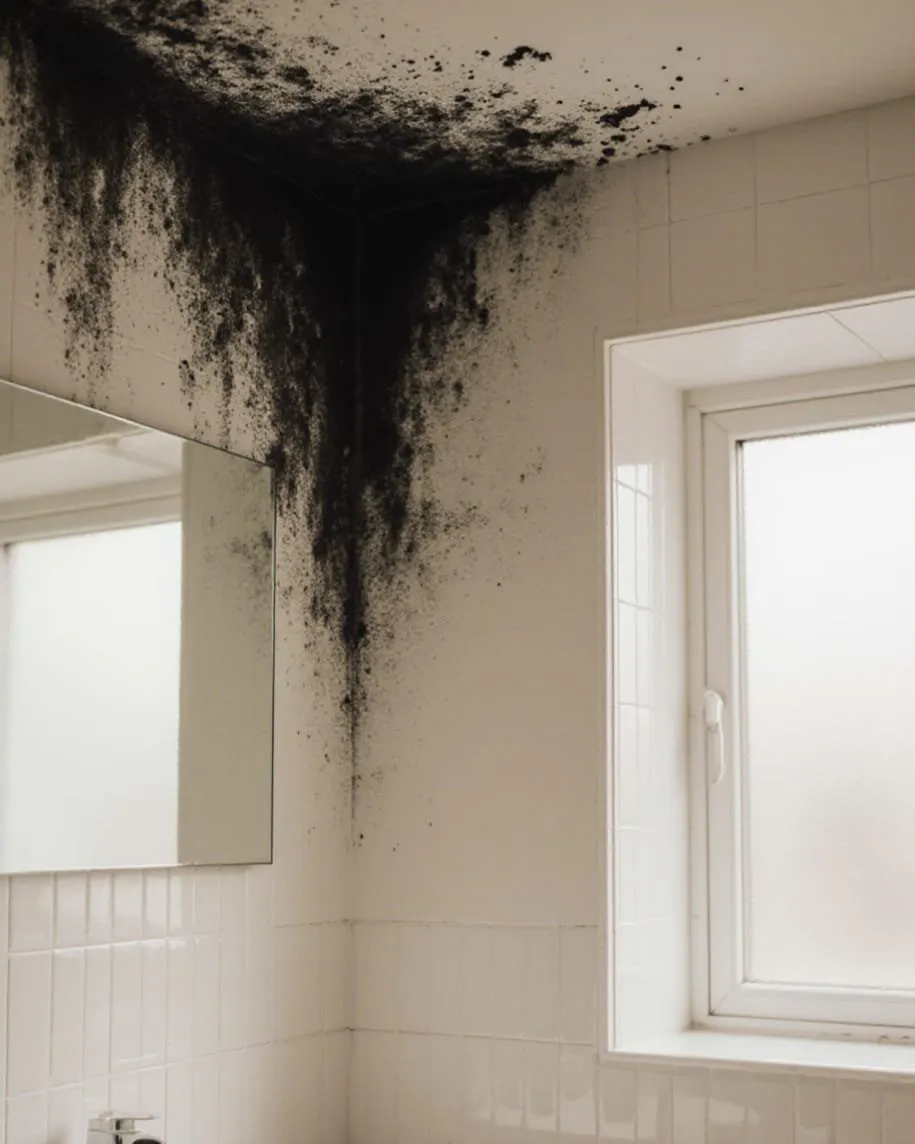
We ask whether the growth is on a painted wall, ceiling, seal or another finish. A bathroom photograph showing several areas can help explain the enquiry. Each material may need a different scope discussion, especially if the coating is loose or water damage is present. We use the surface description to prepare the visit rather than assuming that everything visible belongs to a single cleaning task.
Assess the bathroom moisture concern
Tell us about wet windows, recurring condensation and any leaks or recent repairs. We consider this background alongside the accessible pattern. Our bathroom mould service is the relevant route for discussing removal in these rooms. Treatment should connect with the moisture question, including what can be observed and what may need more investigation before the explanation is clear.
Look at the ceiling separately
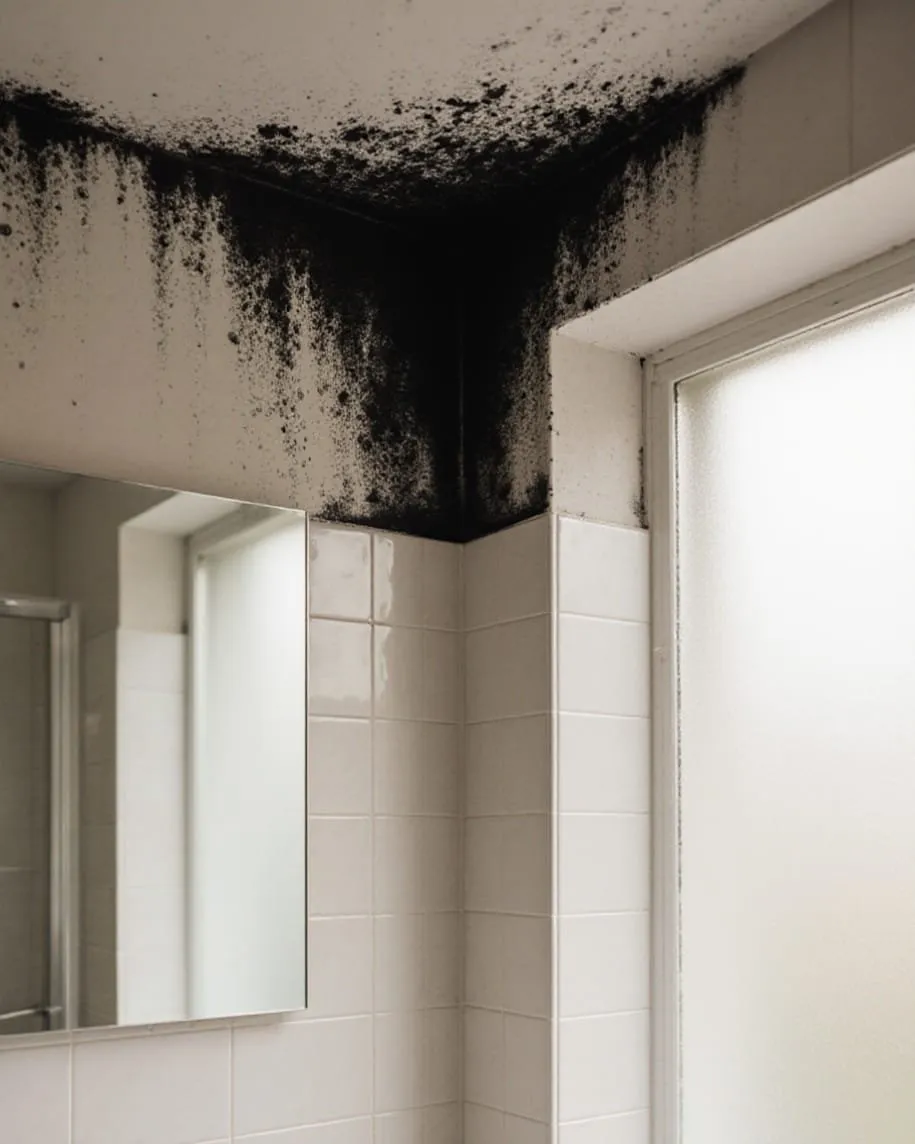
Upper surfaces bring their own access and material questions. We ask how far the marks extend and whether the room above or a recent water incident may be relevant. Our ceiling treatment information explains that concern in more detail. We distinguish the available observations from an assumption about concealed spaces, so the proposed work does not imply that an inaccessible source has been established.
Discuss room conditions without guessing from use
Bathrooms naturally involve water use, but that does not make every patch a confirmed condensation problem. We ask what has changed, how the marks behave and whether other rooms are affected. Where appropriate, condensation assessment and treatment can be part of the conversation. The useful recommendation is one that relates to your bathroom evidence, including separate repair questions where those remain relevant.
Set the limits of the remediation proposal
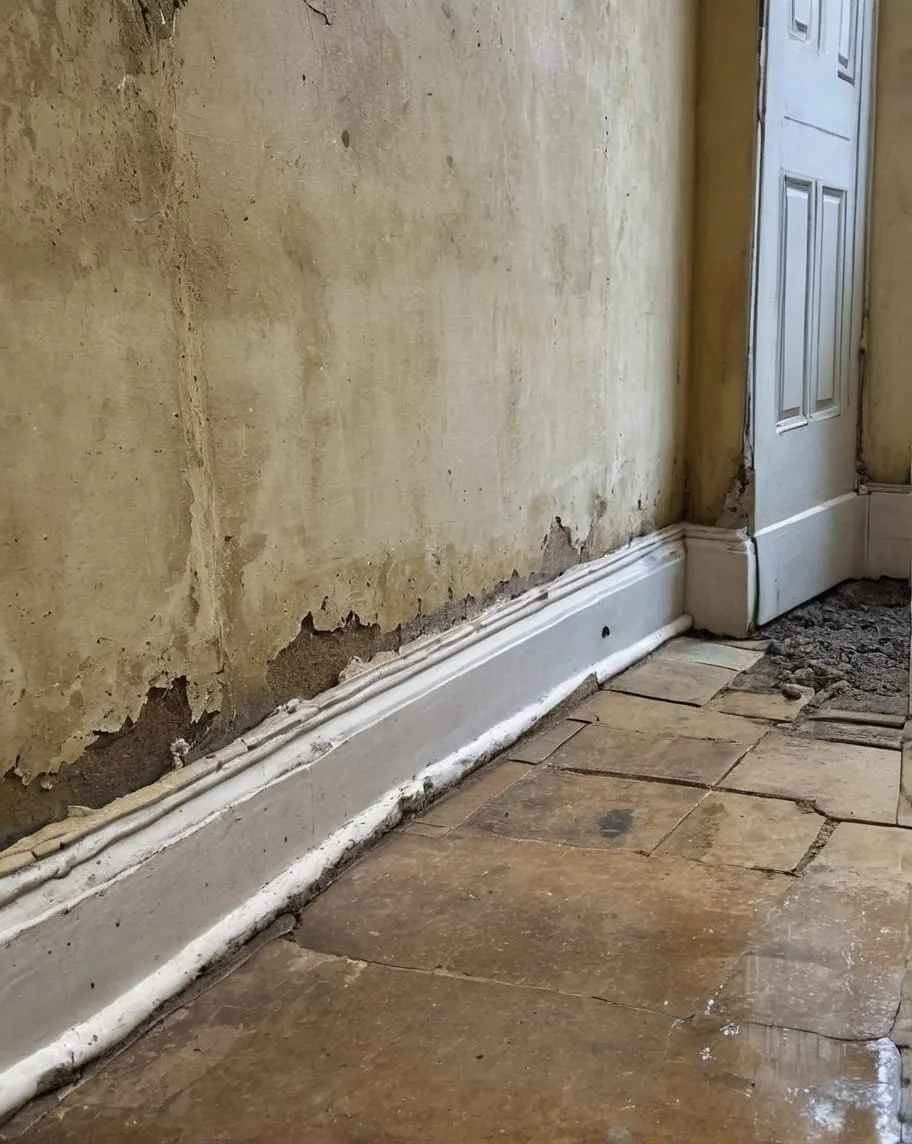
We explain the surfaces included, access preparation and any damaged material that requires another task. Replacing a finish or repairing a fitting should not be assumed to come within removal simply because it is in the same room. You can ask how the stages relate and what needs arranging separately. This makes the proposal easier to use when another contractor or property manager is coordinating bathroom maintenance.
Remediation can involve suitable anti-fungal applications on assessed bathroom surfaces where appropriate. We identify the included materials and explain the treatment purpose. Humidity and ventilation considerations may support the moisture discussion, while any leak or damaged fitting remains a separate task, giving you a clearer distinction between surface work and bathroom repair.
Connect practical advice with the completed scope
Our approach brings the treatment enquiry together with the relevant moisture and prevention discussion. We explain what the findings support, which tasks are still outstanding and what information would help if marks return. Keep the record by surface, rather than recording only that “the bathroom was done”. For a Kilburn property, that distinction gives a later visit clearer context about where growth was addressed and what changed afterwards.
Nearby service enquiries
We also take enquiries in the surrounding areas. Call with the property’s address and affected rooms.
QUESTIONS FOR THIS VISIT
Before making arrangements
Does bathroom mould always come from steam?
Water use is relevant, but a leak or another moisture concern may also need consideration. We assess the pattern and history before discussing the appropriate service. A familiar room location should guide the questions without being used as a complete diagnosis.
Are seals included with ceiling treatment?
These are different surfaces and should be named in the proposed scope. Describe all affected areas when enquiring. We explain which tasks can be included and where a separate repair or replacement question needs attention, rather than assuming the entire room is covered.
Can you work around an occupied bathroom?
Tell us the access and scheduling needs, especially if it is the only bathroom available. Arrangements depend on the agreed work. We discuss practical requirements before booking so room use can be planned around the actual proposal rather than an assumed disruption level.
What if mould continues into the hallway?
Mention the adjoining area and include a wider view if possible. The enquiry may need to consider more than the bathroom surfaces. We explain which rooms or materials should be included, with the wider moisture pattern used as context for the assessment.
Should I replace loose paint before calling?
Describe the current finish first. Loose coatings can affect the treatment and repair discussion, and new paint changes what is visible. We can explain the proposed sequence so surface remediation, necessary repairs and later decoration are considered as separate decisions.
Bring each bathroom surface into the brief
For your Kilburn enquiry, describe the ceiling, walls and other affected finishes separately. We can discuss the moisture concern and the appropriate remediation, with access and material repair questions clear before you plan changes to the room.