
LONDON PROPERTY CARE
Mould Remediation Maida Vale
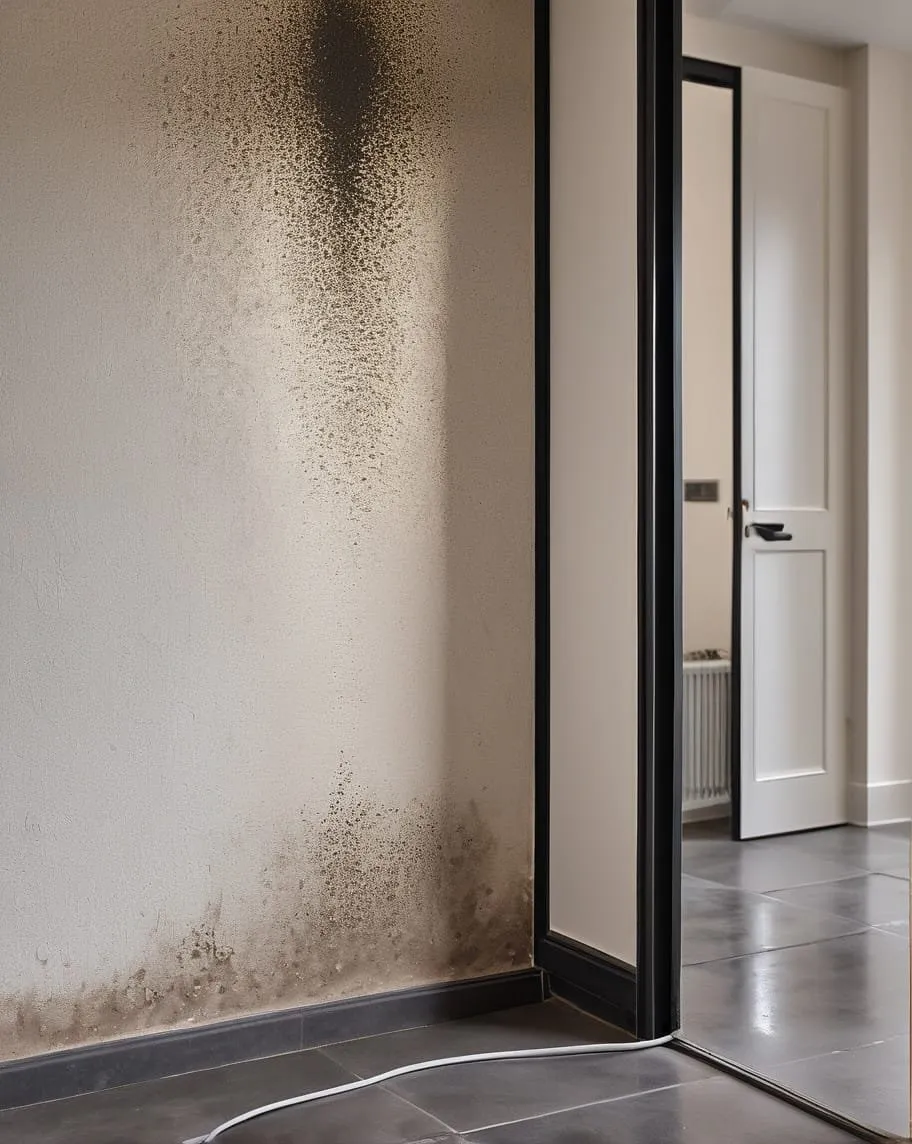
A mark found behind a wardrobe needs more context than a close-up. Our Maida Vale service considers the wall position, the furniture arrangement and the accessible material, then explains how inspection and treatment can be planned without assuming the hidden surface has already been assessed.
Hidden areas are treated as an access question first.
- Understand concealed-wall access
- Consider material and room conditions
- Agree preparation before moving items
Locate the hidden area in the room
We ask whether the growth sits behind freestanding furniture, a fitted unit or stored belongings. Tell us which wall is affected and whether nearby corners show similar marks. The arrangement helps us understand access and the pattern; it does not establish a moisture cause by itself. A wider room view can be useful alongside the close photograph, particularly when only a small part of the surface is visible.
Distinguish furniture from a fitted obstruction
A movable bedside cabinet and a fitted cupboard create different access questions. Describe what blocks the view, how much wall is visible and who owns the item or fitting. Do not dismantle it simply to obtain a photograph. We explain what the available view can establish and whether access needs a separate arrangement. If an approved change later exposes another surface, describe that new area before assuming the first treatment proposal already covers it.
Assess the finish that becomes accessible
Once an agreed surface is available, its condition matters to the treatment discussion. We consider visible growth, loose coatings and damage beneath the decorative layer where accessible. Our wall mould remediation service explains these distinctions. The recommendation should separate removal from repair or replacement, so the furniture arrangement does not distract from what the material itself needs.
Consider the moisture pattern around the obstruction
We ask about wet glazing, leaks and changes in the affected room. If room conditions need attention, our condensation treatment information gives a relevant route for discussion. Concealment may be part of the context, but it is not proof that rearranging furniture will settle every moisture issue. Where evidence points elsewhere or remains unclear, further assessment may be needed before a treatment proposal is finalised.
Define what the remediation includes
Our mould removal service is discussed for the agreed accessible materials. We explain the areas included and which connected questions sit outside the work, such as a concealed section or separate building repair. Our service range supports a combined conversation about moisture and treatment. That helps you understand why a recommendation is made instead of relying on one generic instruction about leaving a gap behind furniture.
For reachable affected surfaces, suitable anti-fungal applications may be appropriate after the material is assessed. We explain where treatment is proposed and which concealed portion remains outside the accessible scope. The process also considers relevant room moisture and ventilation questions, avoiding a surface application being presented as the answer to an unseen area.
Plan the room after the work is understood
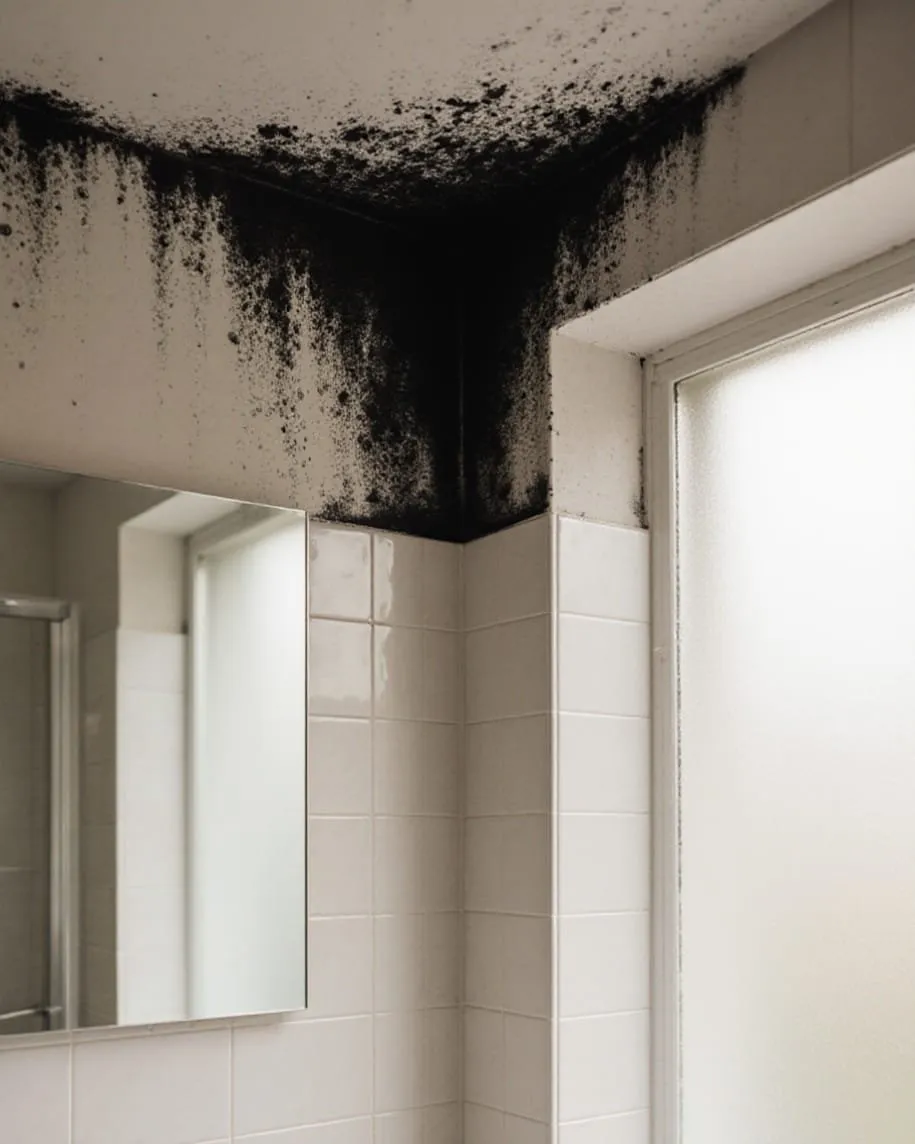
We discuss practical prevention advice arising from the findings and how separate repairs fit into the next stage. Keep the location of the affected wall and the work dates in your record, particularly if furniture later conceals the area again. For Maida Vale, the goal is a clear plan for the actual room. Future enquiries become easier when they can refer to the assessed surfaces and any access limits that remained.
QUESTIONS FOR THIS VISIT
Before making arrangements
Should I dismantle a fitted wardrobe first?
Discuss it with us before taking that step. Describe the unit, the visible marks and the available access. Dismantling is a separate practical task, and an initial enquiry does not require you to expose every hidden surface without an agreed reason or arrangement.
Can you treat a wall that remains concealed?
The proposed scope must reflect what can be accessed. We cannot describe inaccessible material as treated or inspected. We discuss the reachable areas and the further access question so you understand any limitation before deciding whether additional preparation is appropriate.
Does furniture against a wall explain the mould?
It is relevant room context, but it does not establish the full cause on its own. We ask about the moisture history and surrounding pattern as well. The recommendation should be based on the particular evidence rather than assume every concealed patch has one explanation.
What if belongings show marks too?
Mention affected items separately during the enquiry. Treatment of the building surface does not automatically include every possession stored nearby. We can discuss the service scope and distinguish the wall concern from additional tasks or advice needed for the contents.
How do I describe an area I cannot measure?
Give the room, wall position and the portion you can see. A photograph showing the furniture arrangement can help. An approximate description is sufficient for an initial discussion; you do not need to move unsafe or difficult items to supply exact dimensions.
Nearby service enquiries
We also take enquiries in the surrounding areas. Call with the property’s address and affected rooms.
Explain what sits in front of the wall
Call about the Maida Vale room with a description of the furniture and visible growth. We can discuss access requirements, material assessment and the proposed treatment, then explain which preparation or additional investigation is appropriate for the areas that remain concealed.