
LONDON PROPERTY CARE
Mould Remediation Paddington
An empty room offers access, but it does not explain why mould appeared. Our Paddington service uses the period between occupancies to review the property evidence, define the treatment scope and keep moisture repairs separate from the decorative work that follows.
A tenancy change is an opportunity to assess, not a diagnosis.
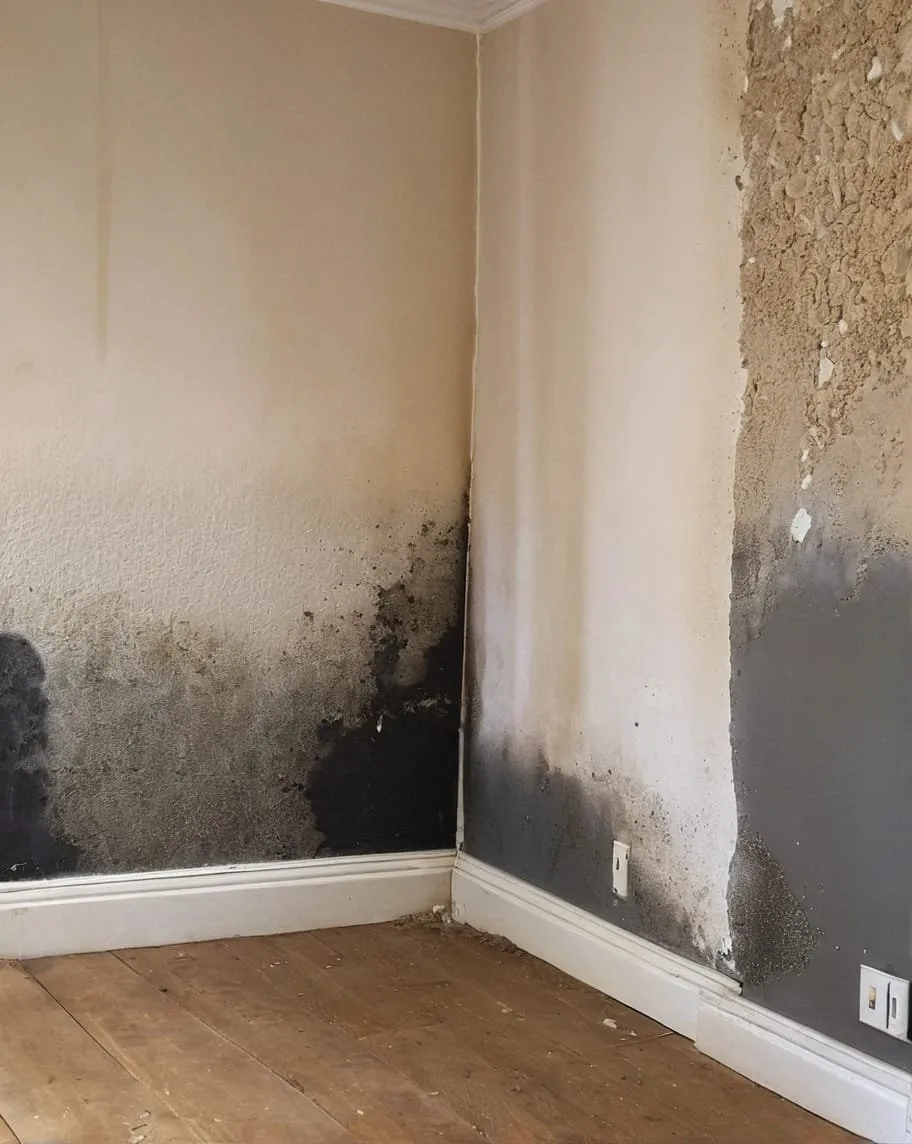
- Use vacant-room access effectively
- Review the previous occupancy record
- Plan treatment before decorative restoration
Recover the useful history before it disappears
We ask what the previous occupant reported, which rooms were affected and what maintenance took place. A newly empty room may show a different picture once furniture has gone. We compare current observations with available photographs and records, acknowledging any gaps. That gives the enquiry a more useful starting point than assuming the concern began only when the property became vacant or that the new layout explains its cause.
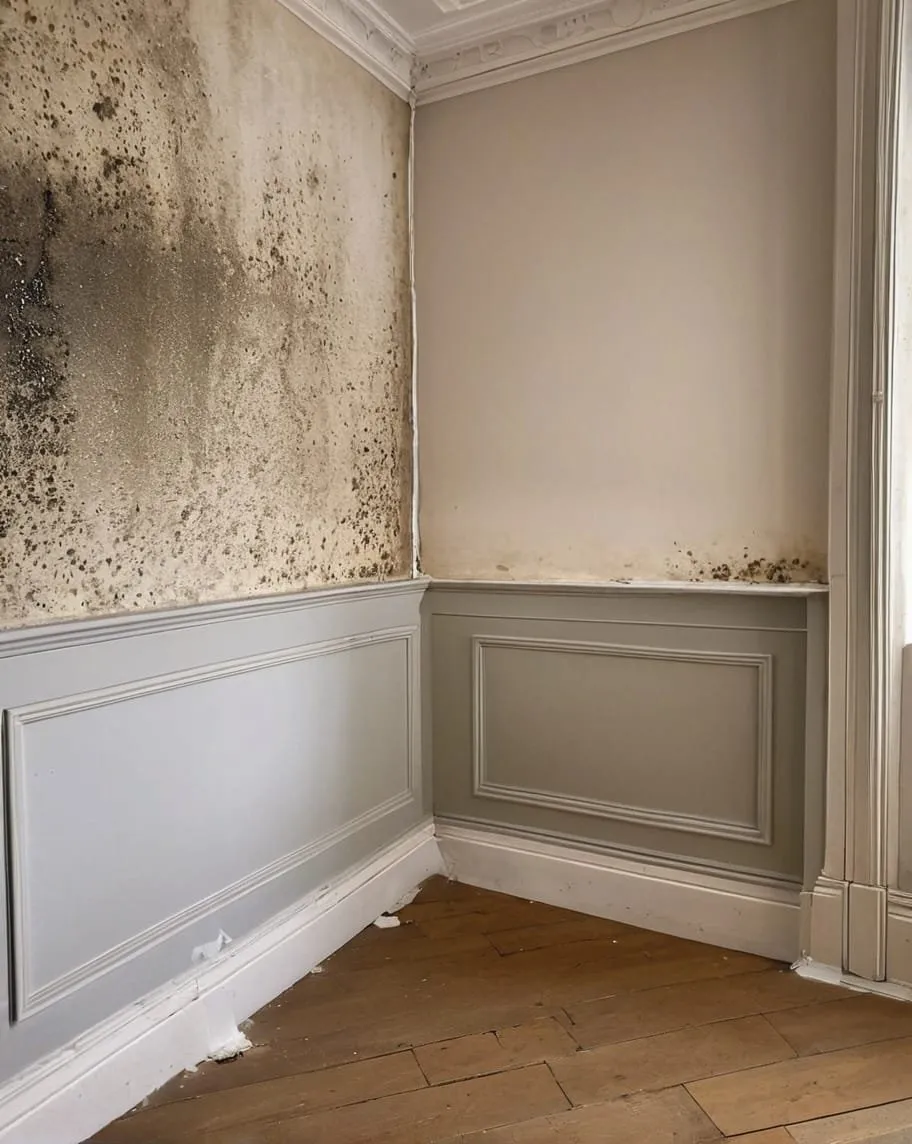
Assess newly accessible surfaces
With furniture removed, wall areas previously concealed may be visible. We discuss the distribution of growth and the condition of finishes rather than treating every exposed mark as the same task. Our wall mould removal service covers the relevant surface questions. Access helps assessment, but material repairs and removal still need a defined proposal based on what is actually affected.
Decide whether the moisture question remains open
Tell us about leak repairs, wet glazing and any earlier findings. If the cause is still uncertain, our damp survey service can be discussed before treatment is arranged. A vacant room may have different heating or ventilation conditions from an occupied home. We take that context into account in the enquiry rather than assuming observations during a short empty period describe every previous condition.
Plan the work around the changeover date
Painting, flooring and other restoration may already be scheduled. We explain where the proposed remediation sits and which moisture-related tasks need coordination. Tell us the sequence being planned so outstanding repairs remain visible. Our mould treatment information distinguishes removing growth from restoring the whole finish. That boundary helps avoid a decorative contractor and a property manager expecting different outcomes from the same appointment.
If a room will be handed to a new occupant, tell us when keys change hands and who can provide access before then. Keep the mould appointment, any damaged-finish repair and the decorating booking as separate tasks. Explain which are only proposed and which are confirmed. We can discuss the available assessment or treatment scope against that information; the enquiry is not confirmation that every task will fit into the vacancy period.
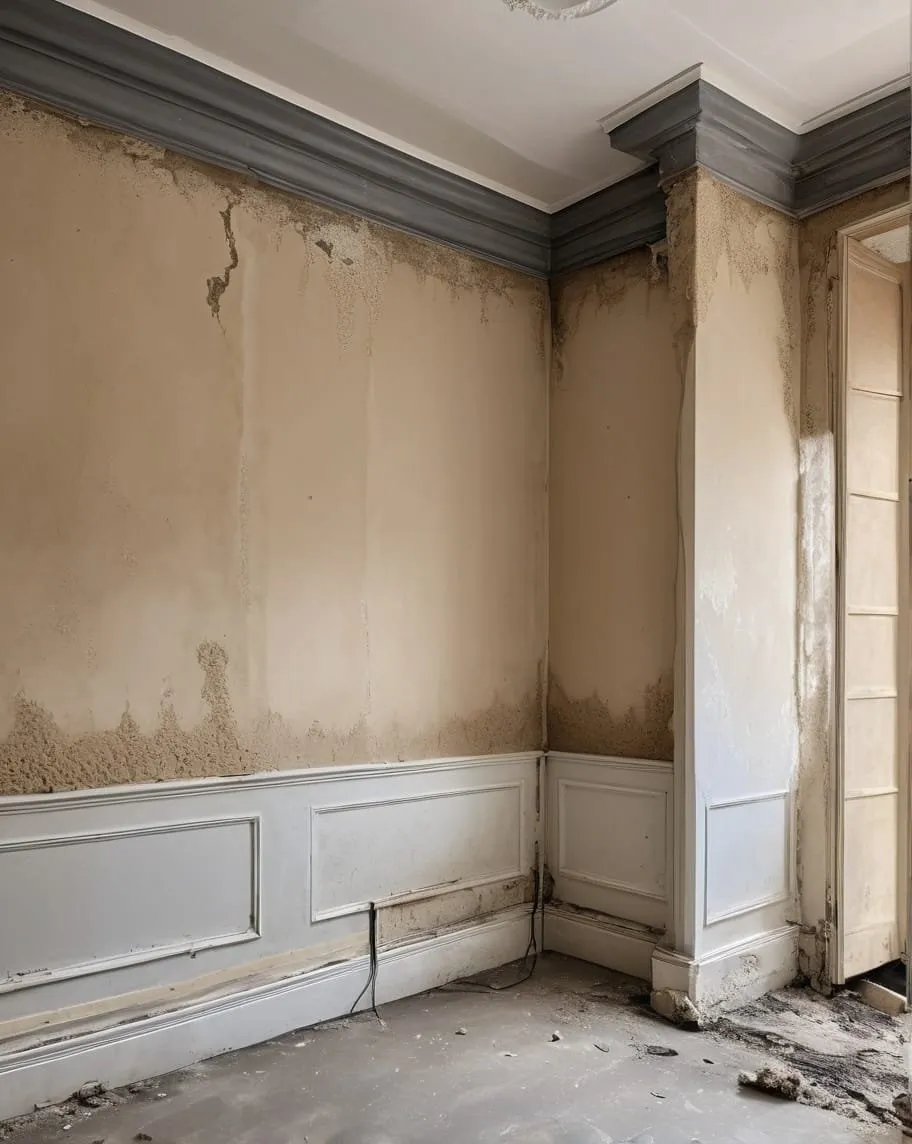
Talk through the property concern
Agree the record needed for future management
If written findings will support the maintenance file, discuss their intended purpose before booking. We can consider the reporting requirements alongside the assessment brief. The useful record describes what was observed and addressed, including limitations or further recommendations. It should not simply say that the property changed hands or occupants. Future enquiries need to know what happened to the affected surfaces and which related repairs were completed.
Explain the next stage before decoration
We connect assessment, treatment and prevention advice so you can plan the next stage from the findings. Any decision about decoration or occupation should take account of the agreed work and remaining tasks. Our contribution is a clear explanation of the mould concern and proposed scope, rather than an unsupported assurance based on an empty room. For Paddington, the address-specific evidence remains central throughout the transition.
QUESTIONS FOR THIS VISIT
Before making arrangements
Is a vacant property easier to assess?
It may offer clearer access to some surfaces, especially after furniture is removed. Tell us what is now visible and whether services or room conditions have changed. Better access helps the visit but does not automatically settle the cause or determine the treatment needed.
Can I book before the next tenancy starts?
Explain your timing and the condition of the rooms so we can discuss the enquiry. The appropriate scope needs to be established alongside any separate repairs. Do not assume that a deadline alone determines what assessment or remediation is suitable for the property.
Should the outgoing tenant’s photographs be kept?
Yes, where available. They can show the pattern during occupation and help explain what changed after the room was cleared. Date and identify the images if possible. We consider that background with current surfaces, rather than relying on either record on its own.
Will mould removal include the check-in documentation?
Discuss any documentation you need separately from the treatment scope. A service proposal, assessment findings and tenancy administration have different purposes. We explain what is available for the agreed enquiry so a maintenance record is not confused with every handover requirement.
What if the decorating contractor has already begun?
Tell us which surfaces were covered or disturbed and what remains visible. That can affect the available evidence and access. We can discuss the current concern, while clearly recognising where new finishes have changed what can be observed about the earlier problem.
Nearby service enquiries
We also take enquiries in the surrounding areas. Call with the property’s address and affected rooms.
Use the changeover to settle the work plan
For a Paddington property between occupancies, bring together the previous reports and the current room condition. We can discuss assessment and treatment before the next decorative stage, with access, timing and outstanding repair questions set out for the people coordinating the work.