
LONDON PROPERTY CARE
Mould Remediation Camden Town
Our Camden Town mould remediation service starts with accessible evidence. We inspect the visible surfaces, discuss the moisture history and explain what can be treated, what remains concealed and whether further investigation is appropriate.
Advice follows the room evidence, not assumptions.
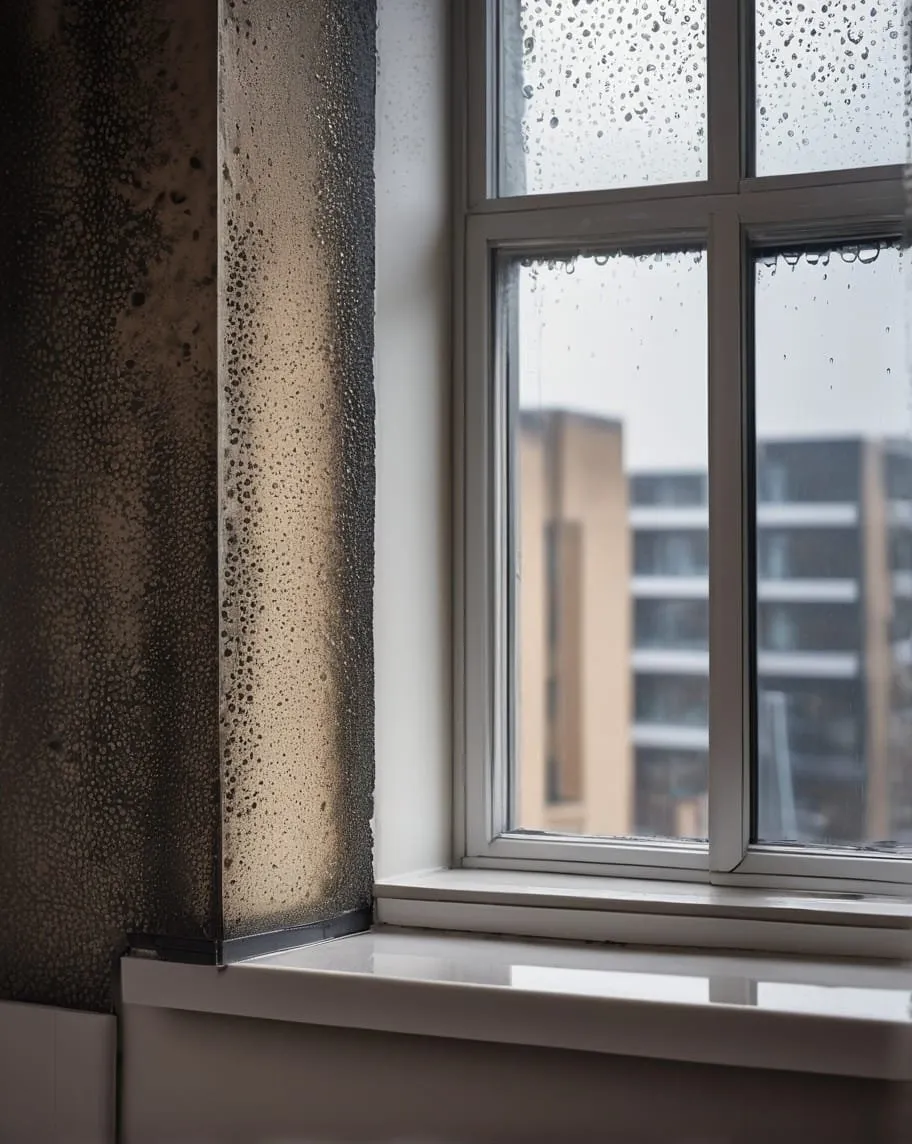
- Locate growth beyond the close-up
- Consider cold surfaces and airflow
- Discuss concealed-wall access
The photograph can hide the room around it
A close-up shows colour and texture, but it can lose the location that helps explain the concern. A patch behind a wardrobe, beside a window or in an external corner raises different access and moisture questions. Include the surrounding wall when describing it. Do not move heavy furniture simply to produce a better enquiry photograph.
For Camden Town properties, tell us how you found the mark and whether the room has other affected surfaces. The setting is relevant because it guides the assessment. It is not proof that one feature, such as furniture position, caused the growth on its own.
Airflow is one question among several
Restricted movement of air around a colder surface can be relevant to recurring mould. Yet the room’s ventilation, heating and building condition also need consideration. A familiar pattern should not become an automatic instruction to change the occupant’s habits without examining the wider circumstances. Advice needs to be practical for the actual space.
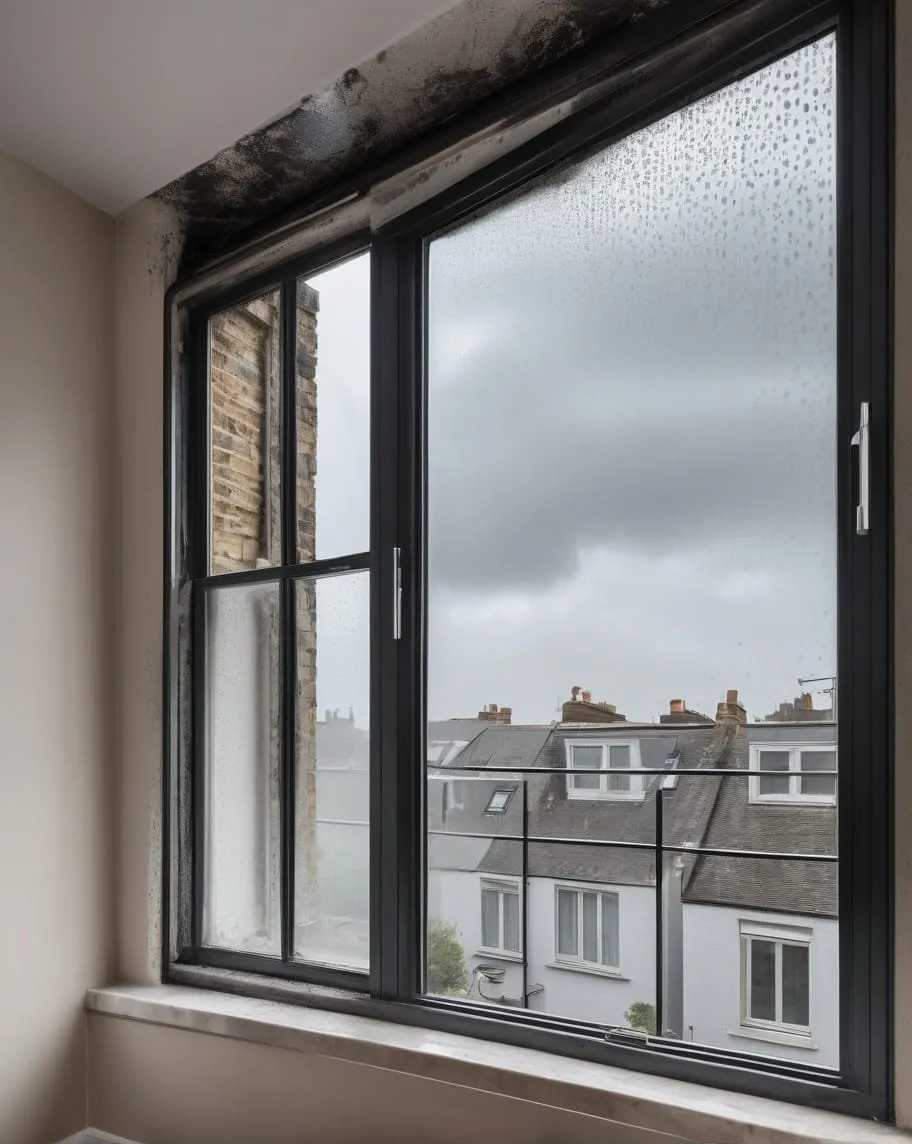
Our condensation information explains that route. If marks appear around glazing, the window-area guide offers related questions about frames, reveals and possible water entry. These are ways to focus the enquiry, not diagnoses made from the postcode or one photograph.
A concealed surface creates an inspection limit
Built-in storage and large furniture can prevent access to part of a wall. Explain the arrangement first. A recommendation should say whether the concealed surface was available to inspect and what might require additional access. Seeing one exposed corner does not establish the condition of everything behind it.
In a flat, another property or communal area may also be relevant to the moisture question. Permission can matter as much as physical access. We discuss these limits before suggesting the visit provides a complete explanation. An assessment should remain clear about what could be checked and what needs another step.
Timing can reveal a more useful question
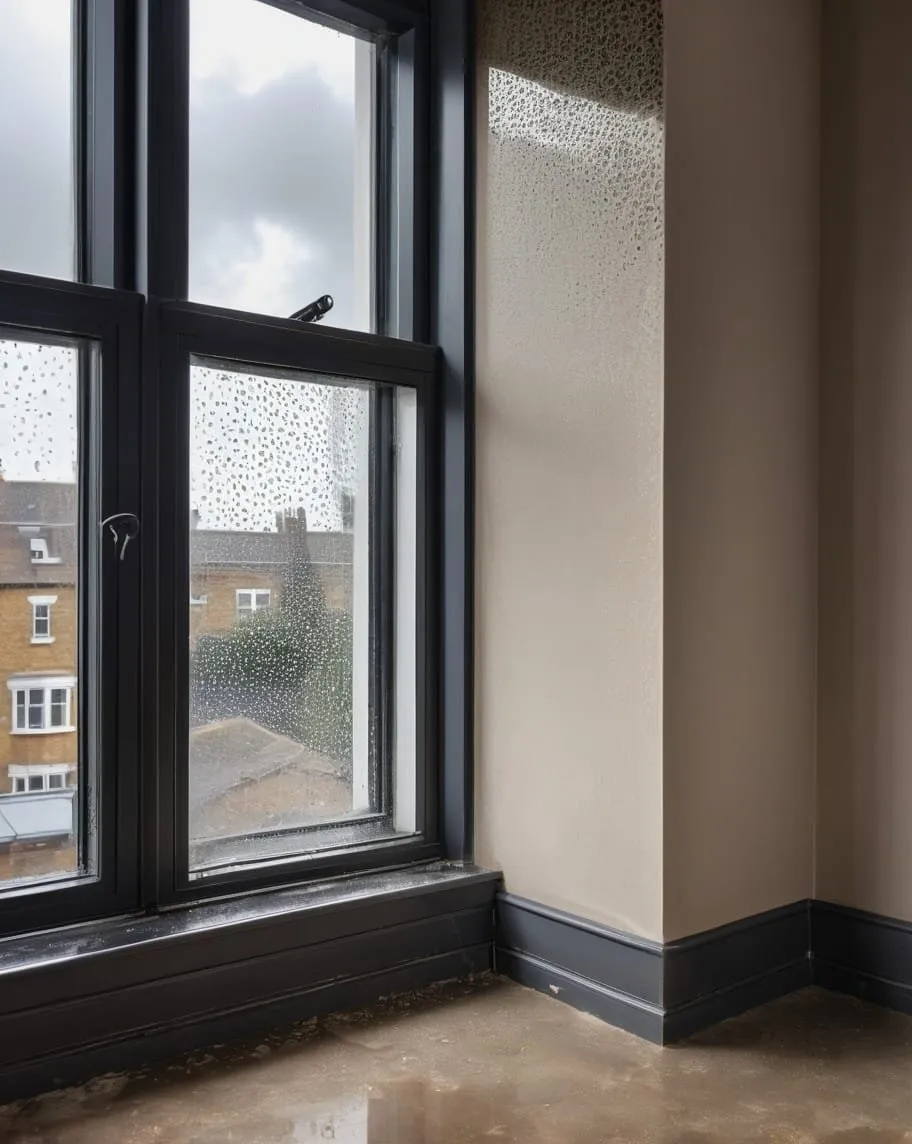
Think about whether marks return during colder weather, remain throughout the year or appeared after a known incident. Notice whether nearby glass becomes wet and whether another wall behaves differently. Separate the observations instead of forcing them into one cause. More than one moisture condition may need attention in the same building.
Where the history remains unclear, an investigation visit can be discussed. Earlier repairs and treatment details help explain what has already changed. They should provide background without replacing attention to the current room condition.
Treatment follows the affected material
Paint, wallpaper and other finishes can show different kinds of deterioration. Explain peeling, staining and spread as well as visible growth. The proposal should identify included surfaces and any repair that sits outside remediation. Do not assume that treatment includes stripping the room, moving fitted storage or restoring every finish.
For damage extending across the wall, wall mould removal provides useful scope questions. If the source continues to affect the material, a separate repair or change may still be required. Removal and prevention are connected, but a treatment should not be described as permanently resolving every room condition.
We distinguish the area we can inspect from the area that is still concealed. Where a fitted item prevents access, we explain the assessment limit. For the accessible surfaces, we consider the material condition before selecting removal and suitable anti-fungal treatment. Ventilation and moisture recommendations relate to the room evidence. You can then decide whether further access or another repair is necessary. The benefit is a scope based on the evidence available, with the remaining question stated clearly for the next visit.
Discuss a realistic arrangement for the space
Call with your Camden Town location, room layout and a brief account of the history. Mention who controls access and approval for work. You should not need to identify a species or decide whether the building has a particular defect to make that first conversation useful.
For locations towards Kentish Town, Belsize Park or Islington, include the postcode to make the address clear. Describe the accessible room layout as well, so the enquiry connects the location with the surface that needs attention.
Nearby service enquiries
We also take enquiries in the surrounding areas. Call with the property’s address and affected rooms.
QUESTIONS FOR THIS VISIT
Before making arrangements
Is furniture position enough to explain the mould?
No single feature should settle the cause by itself. Air movement may be relevant, but the material, room conditions and moisture history also need consideration before advice is given.
Can I enquire without exposing the whole wall?
Yes. Describe the layout and access limits. Ask what the planned assessment needs before arranging movement of furniture or disturbing anything that conceals the surface.
What if only one cold corner is affected?
Record its position and how the condition changes. That focused pattern is useful, but it does not automatically rule out another moisture concern or establish the treatment required.
Will you blame how the room is used?
The discussion should consider the building and evidence without starting from blame. Practical advice needs context; an occupant should not be expected to diagnose a defect before reporting visible growth.
What should a wider photograph include?
Show the affected wall and its relationship to windows, furniture or corners where it can be photographed safely. The aim is useful location information rather than more close-ups of the same patch.
Explain the room around the hidden mark
Describe the wall’s position, nearby furniture and the access available. That context gives the enquiry more to work with than a close-up that cannot show the room layout.