
LONDON PROPERTY CARE
Mould Remediation Finsbury Park
A visible patch is a starting point, not the whole explanation. Our Finsbury Park service combines accessible surface assessment with the relevant moisture enquiry, then explains appropriate treatment and any further investigation needed to make the next property decision clearer.
Recommendations distinguish observations from possibilities.
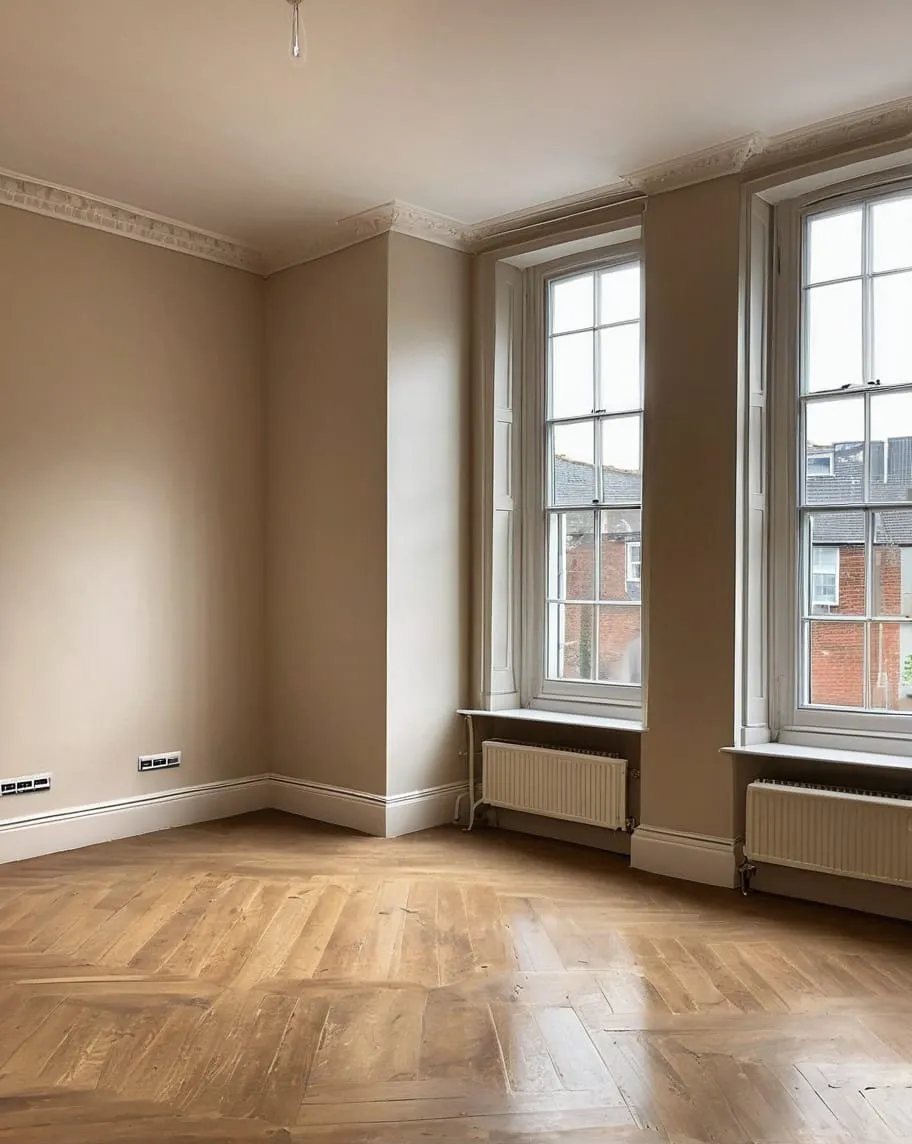
- Assess evidence before selecting treatment
- Consider readings with the room history
- Explain unresolved moisture questions
Define what is known at the beginning
We ask where the marks appear, when they changed and whether a leak or wet glazing has been noticed. Facts and possible explanations should be kept separate. You may know the room history without knowing the source, and that is enough to begin the enquiry. We use these details to explain which assessment may help; you do not need to diagnose the source before contacting us.
What a moisture observation helps us decide
Relevant readings can support inspection, alongside visible patterns and material condition. Our damp and moisture assessment explains this route. We consider the available information together rather than treat one reading as a complete answer. The scope should also state access limits, because a concealed source or neighbouring space may need further work before the explanation can be confirmed.
A damp-looking wall and a moisture reading are pieces of evidence, not a complete explanation by themselves. We consider where the observation was made, the material, the visible condition and the history you provide. For example, a reading near a recently repaired leak raises a different question from a recurring patch with no known water incident. Tell us what was repaired and when. We can then explain what an accessible assessment can establish, how that affects suitable surface treatment and which unresolved question needs further investigation.
Keep condensation and water entry questions distinct
We review humidity or ventilation considerations where relevant, while also asking about rain-related changes and known leaks. Our condensation service can be discussed when the room conditions support that enquiry. We explain why a route is proposed instead of selecting it from the patch position alone. If the source is still uncertain, we explain what further check may be needed.
Talk through the property concern
Treat the agreed surfaces appropriately
Once the scope is understood, remediation may include suitable anti-fungal applications for the affected accessible materials. Our mould removal information covers the treatment enquiry. We identify areas included and explain their condition, including repair needs outside the proposed work. The application has a defined purpose; it should not be understood as correcting every possible building defect behind the surface.
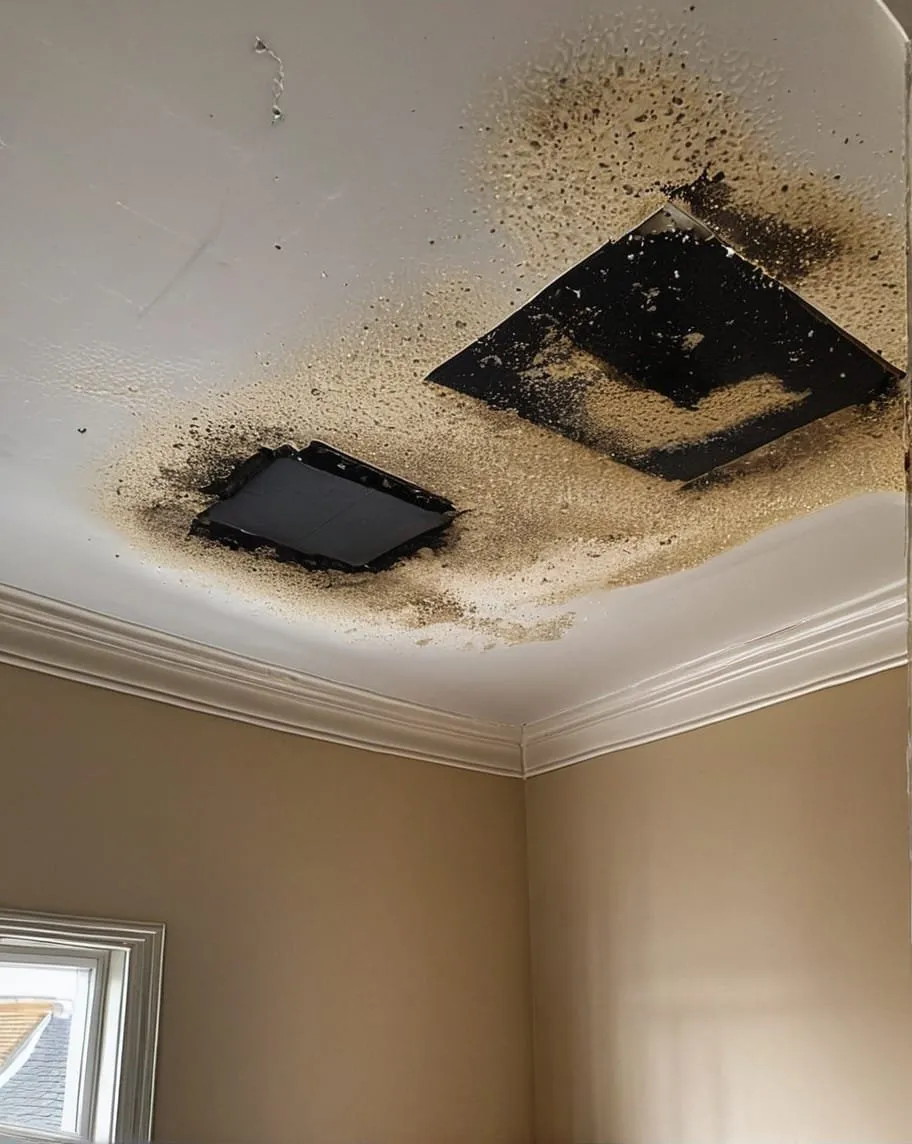
Explain why the investigation supports removal
Our related assessment and remediation services allow us to connect the moisture question with treatment. We explain which observations support the proposal, what still needs attention and how prevention advice relates to the findings. You can ask for the reasoning in plain English. That helps avoid paying for a surface task while believing it has settled a different problem that was never part of the agreed assessment.
Use the findings to make the next decision
Keep the scope and any further recommendations with the repair history. Where another contractor needs to investigate or repair a defect, the record should help distinguish that task from completed remediation. A future Finsbury Park enquiry can then focus on what changed or remains uncertain. We explain the surfaces assessed, the proposed treatment and any area that needs another check, giving the person arranging work a clear next step.
QUESTIONS FOR THIS VISIT
Before making arrangements
Can I book without knowing whether it is condensation?
Yes. Describe your observations and the room history without choosing a cause. We can discuss which assessment is appropriate. A useful enquiry identifies what is visible and what remains uncertain, rather than asks you to decide the technical explanation before the property has been considered.
Are moisture readings enough to select treatment?
They need to be considered with the accessible pattern, material condition and history. We explain the assessment context and limitations. One value should not be used as a blanket account of concealed areas or every surface, particularly where additional access may be needed.
What if the visible mark changes after rain?
Tell us about the timing and any known exterior repairs. That observation can guide the moisture enquiry but does not prove the source by itself. We assess accessible evidence and explain where a separate investigation or relevant repair question remains beyond the treatment scope.
Will removal still matter if a repair is required?
Affected surfaces may need remediation alongside a separate moisture repair. We explain their purposes and how the tasks relate, rather than treat them as interchangeable. The agreed proposal should make clear which work addresses growth and which action concerns the continuing source.
How can I check that the recommendation is understandable?
Ask which observations support it, which areas were assessed and what remains outside the scope. We should be able to explain the proposed treatment and further questions in plain English. That clarity helps you make the next decision and coordinate any separate repair work.
Start with the evidence you have
Call about the Finsbury Park room with the position and timing of the marks. We can discuss the moisture assessment and appropriate remediation, then explain the proposed work and any additional question that needs another inspection, access arrangement or separate repair.
Nearby service enquiries
We also take enquiries in the surrounding areas. Call with the property’s address and affected rooms.