
LONDON PROPERTY CARE
Mould Remediation Highbury
Different rooms can show different parts of a mould concern. Our Highbury service compares the accessible patterns and material conditions, considers relevant moisture evidence and explains a room-specific treatment plan, so several affected spaces are not reduced to one vague description.
A wider enquiry still has a defined room-by-room scope.
- Compare the patterns between rooms
- Assess finishes individually
- Keep each treatment area identifiable
Build a room record before deciding the service
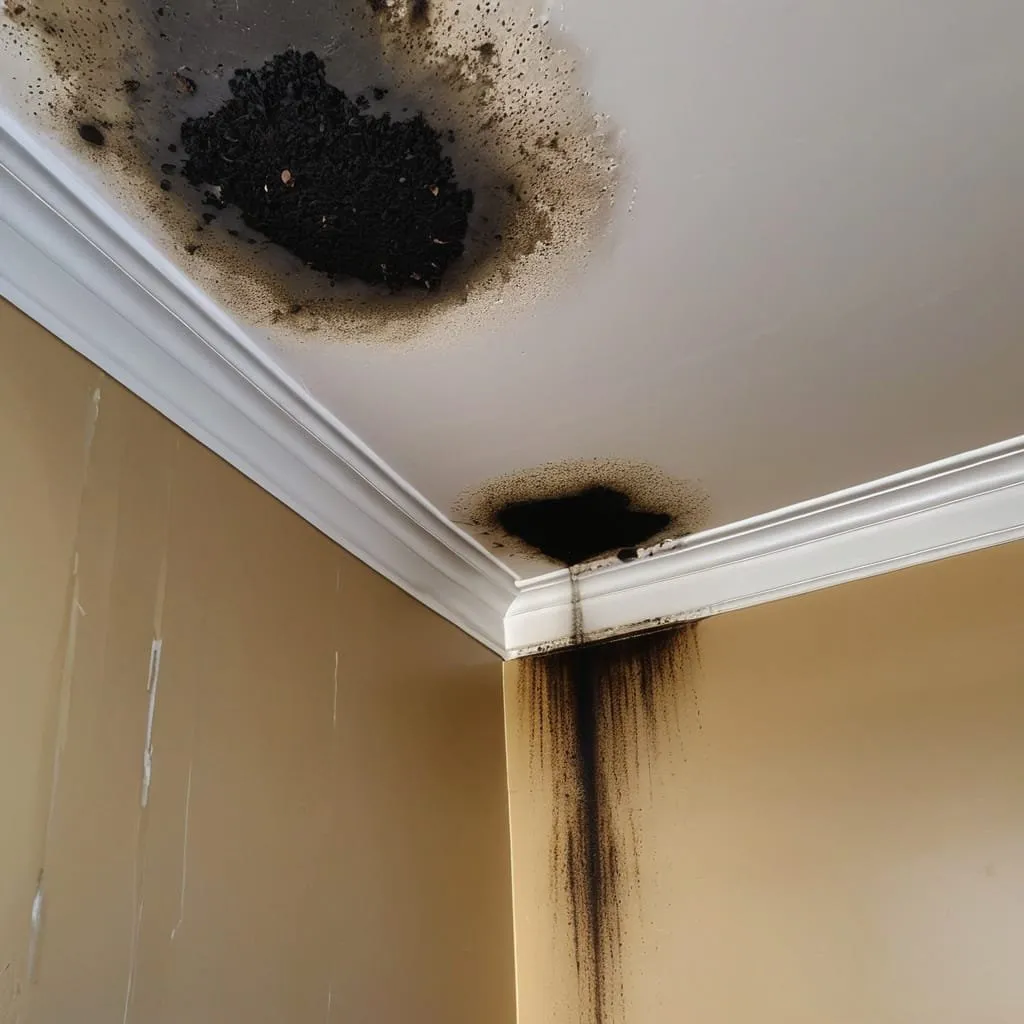
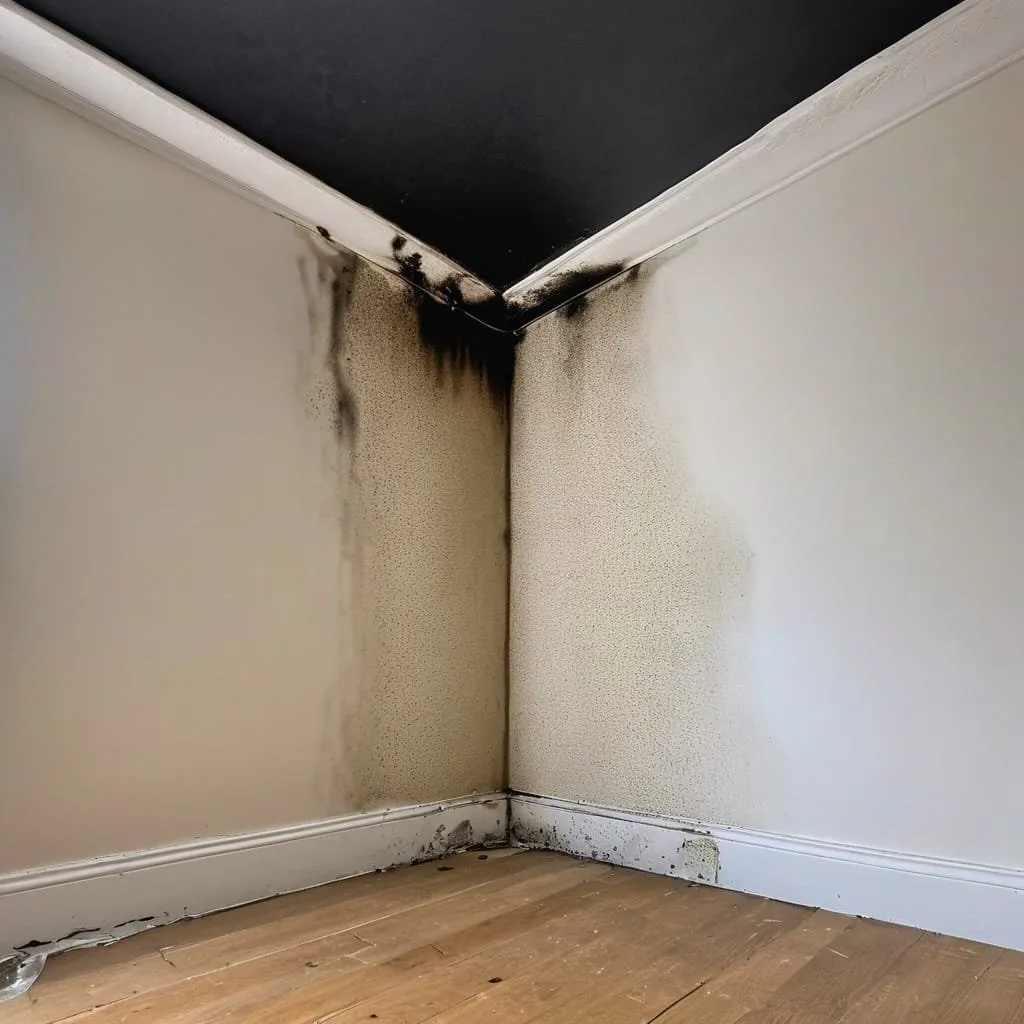
We ask which rooms are affected and where the growth appears within each. A short list can show whether the concern is concentrated around windows, follows a wall position or involves separate materials. We use those observations to prepare the assessment. The rooms may share a moisture question, but similar appearance does not mean they have identical surface conditions or require exactly the same treatment and repair decisions.
Compare what can be observed and measured
During the appropriate assessment, accessible surfaces and relevant moisture readings are considered with the room history. Our moisture inspection service provides a route for discussing a wider enquiry. We explain how the findings relate across the available rooms and where access leaves a question open. This approach supports a defined recommendation instead of presenting one observation as the answer for every area in the home.
Assess each affected finish separately
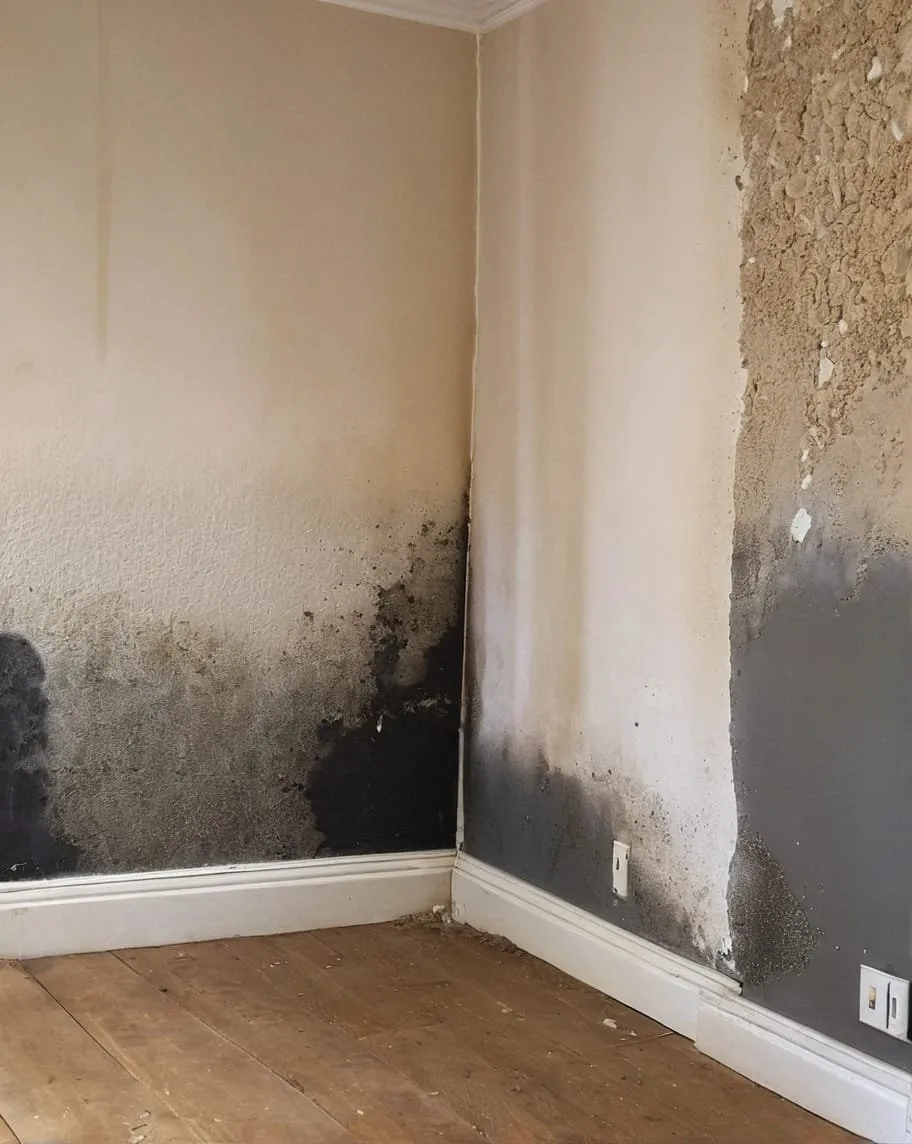
One room may have sound paint while another has loose paper or damaged plaster. We consider those differences when discussing the remediation proposal. Our wall mould service explains why material condition matters. The scope should distinguish surface treatment from restoration, allowing a repair contractor to understand what needs attention in each room without assuming that all finishes can be retained.
Select appropriate treatment within the room plan
Suitable anti-fungal applications may form part of remediation following assessment of the materials. Our mould removal service is discussed for the agreed accessible areas. We explain which surfaces are included and the purpose of treatment. A multi-room proposal should retain those details, rather than promise that a single application settles every moisture source, concealed area or decorative repair throughout the property.
Coordinate preparation around actual access
Tell us about occupied bedrooms, fitted storage and rooms that cannot be entered at the planned time. We establish practical requirements before the visit and identify the effect of any restriction. Where another person approves work or opens the property, their role should be clear. This makes the wider scope workable while keeping the treatment based on the rooms and surfaces available, not an assumed unrestricted inspection of the whole building.
Explain the next steps as one coherent plan
Our related services let us connect moisture assessment, treatment and relevant prevention advice. We explain why each recommendation applies and which separate repair needs coordination. Keep the work and observations recorded by room so later changes can be compared accurately. For Highbury homes, the value of a wider enquiry lies in understanding the relationship between affected spaces while preserving the evidence and limits that belong to each one.
QUESTIONS FOR THIS VISIT
Before making arrangements
Can I enquire about three rooms at once?
Yes. Identify each room, affected surface and relevant history so we can discuss an appropriate scope. A wider enquiry may help compare patterns, but the proposal should still state the areas included and any access or material differences that affect the work.
Does growth in several rooms mean one cause?
Not necessarily. We consider the distribution and moisture evidence before explaining the assessment question. The rooms may be connected by conditions or have separate concerns. Similar-looking marks should not be used on their own to choose one diagnosis or identical treatment for every surface.
Can one room be treated before another?
Discuss the practical need and the findings so the stages can be considered within the proposal. The appropriate sequence depends on the concern and any separate repairs. We explain the included work rather than assume that every multi-room enquiry must proceed in one identical arrangement.
How should photographs of several rooms be labelled?
Use the room name, wall position and date where possible. Include a wider view to show context as well as the visible area. Keeping the images organised helps the assessment compare the correct surfaces without confusing one room’s repair history with another.
Will prevention advice be the same throughout the home?
Recommendations should relate to the findings. Humidity or ventilation may matter in some rooms, while another area requires a separate repair question. We explain the relevant action by room where needed, instead of expecting one general instruction to account for all the affected spaces.
Nearby service enquiries
We also take enquiries in the surrounding areas. Call with the property’s address and affected rooms.
Bring the room patterns into one enquiry
For a Highbury property, call with a brief room list and the position of growth in each. We can discuss assessment and suitable treatment across the agreed areas, with material differences, preparation and separate repairs kept clear within the wider plan.