
LONDON PROPERTY CARE
Mould Remediation Brent Cross
A stopped leak and a treated wall are different stages. We help Brent Cross owners assess the mould concern after a water incident, review what has already been repaired and agree the surfaces needing remediation.
The plan distinguishes completed repairs from outstanding concerns.
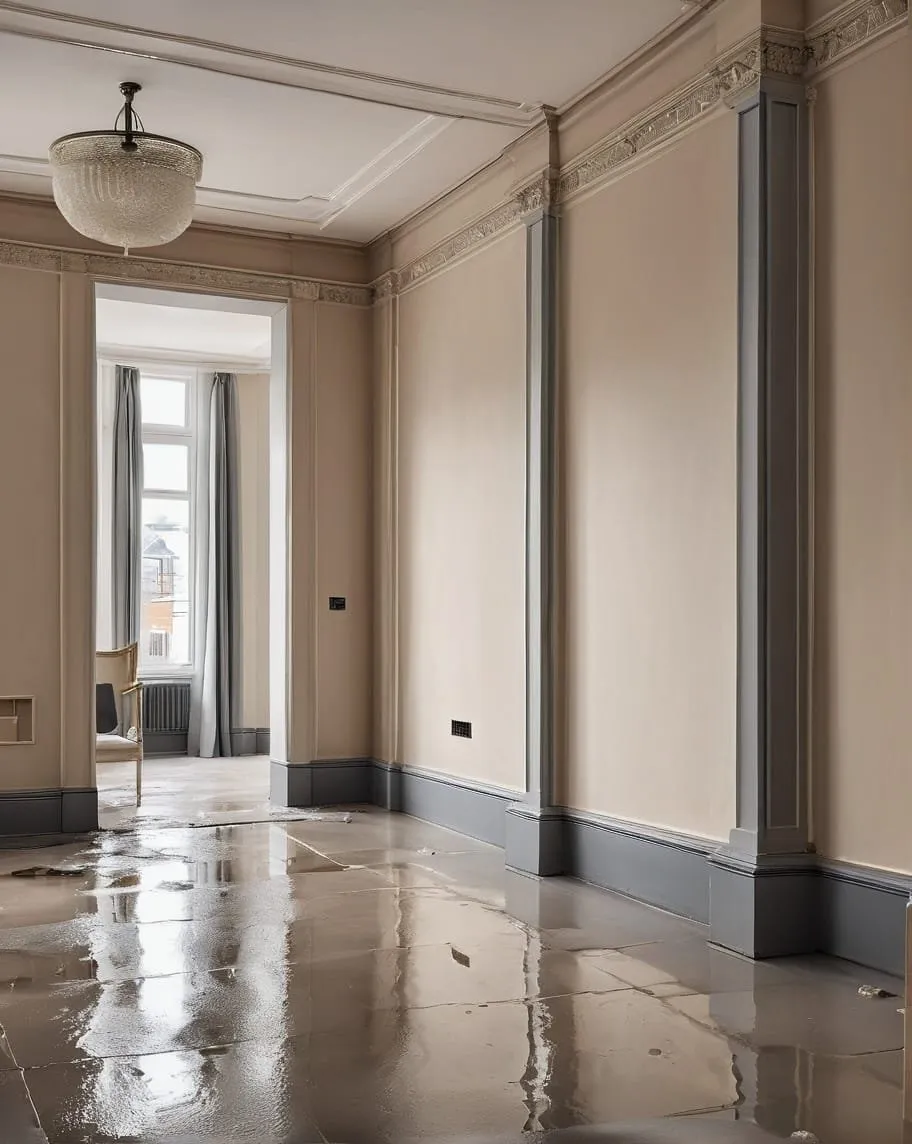
- Review the incident and repair dates
- Assess remaining surface damage
- Separate leak repair from treatment
Describe the incident and what remains
Once a leak has been repaired, it is natural to want the room back in use. Visible mould or damaged finishes can raise another set of questions. We ask what happened, which areas became wet and where growth remains now. That gives the enquiry a timeline and helps separate the original incident from the present treatment need.
Explain when water appeared, which material was affected and whether the source is still active. Identify any repair actually completed and its date, then describe growth or damage remaining now. If you only know a contractor attended, say that. Current and incident photographs help us discuss the present inspection or treatment question without assuming complete restoration is required.
Clarify what the repair addressed
We ask whether the water source is known and which repair was carried out. A plumbing visit, an exterior repair and surface redecoration have different purposes. Knowing what actually happened prevents the treatment proposal from being built around the vague statement that someone already fixed the damp.
Where the source remains uncertain, our moisture detection service may be relevant to the enquiry. Explain whether water is still appearing or whether the concern is now the condition left behind. Active water problems may also need the appropriate repair trade; mould remediation should not be mistaken for every form of emergency repair.
Assess the surfaces left behind
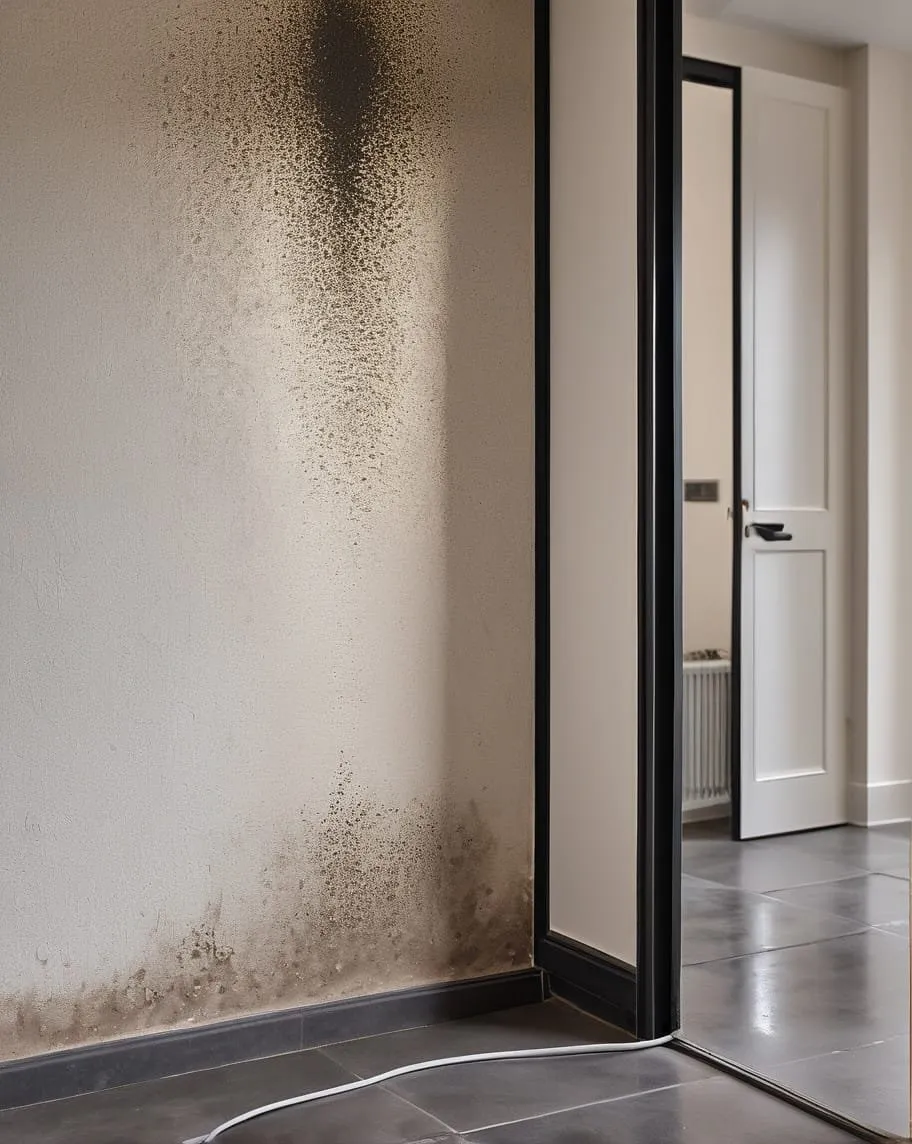
We consider the finish, visible growth and material condition in the areas included in the visit. You may have sound paint in one place and peeling or damaged material nearby. The treatment discussion should reflect that difference. We explain what can be included in remediation and where repair or replacement requires separate consideration.
Read about professional mould removal for the surface-treatment questions. The goal is a defined proposal rather than a blanket promise to restore everything touched by water. If another contractor is handling damaged finishes, tell us so the responsibilities can be understood.
Use the timeline without overclaiming certainty
Dates can show whether growth appeared before or after the repair, but they do not answer every moisture question. We review the history alongside accessible observations. If you have photographs from the incident, keep them with the current images. They can explain an area that has since been covered or altered.
An agreed damp survey and moisture inspection can help address the question that remains. We explain the inspection purpose and access limits. We do not describe a concealed material as checked merely because the original water source has been repaired.
Talk through the property concern
Plan remediation around the next decision
Some owners need to decide whether treatment can proceed; others need a clearer brief before arranging repairs or decoration. Tell us what outcome you need from the visit. We can discuss the proposed scope in that context and explain which surfaces and questions are included.
If a connected room or neighbouring property is relevant, mention the access arrangements. Shared-building responsibilities should be clarified before the visit rather than discovered after the assessment has started. A practical plan acknowledges those boundaries and keeps unresolved tasks visible for the person organising the work.
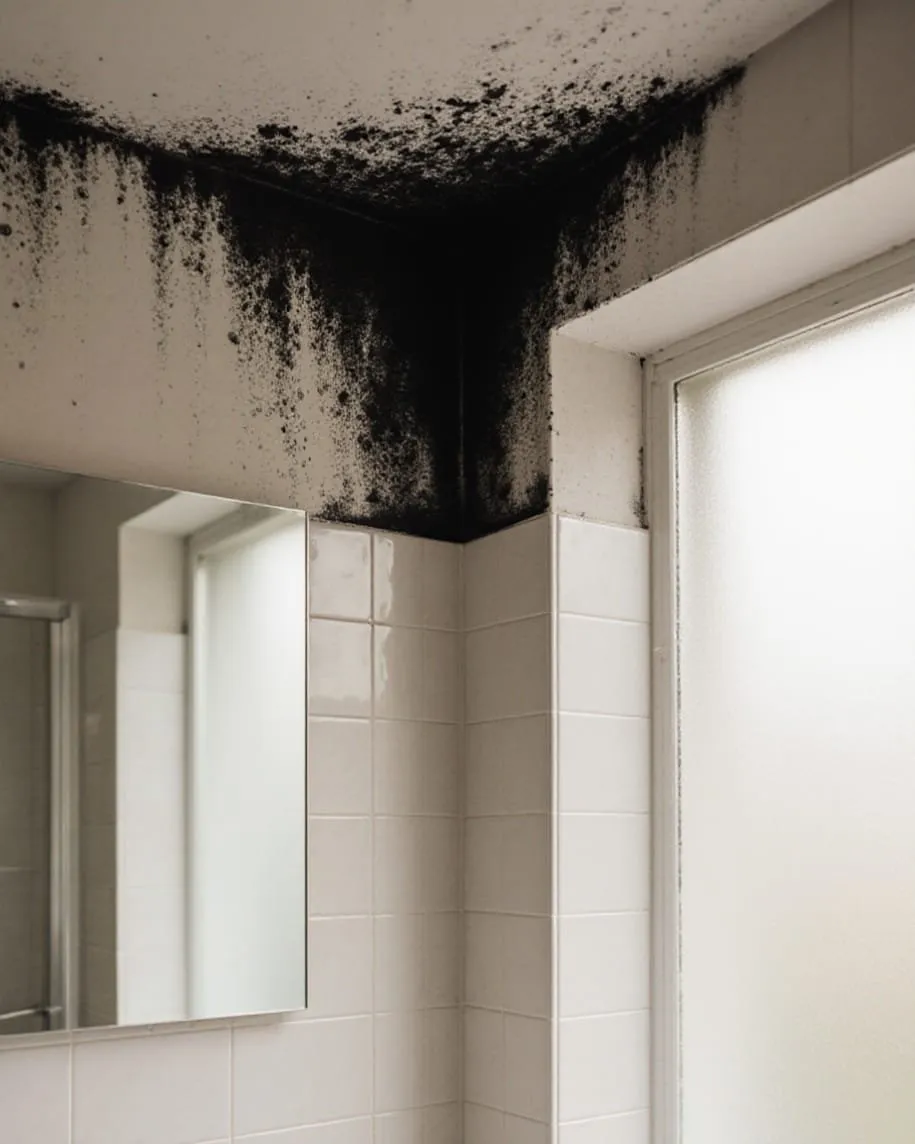
Once the treatment scope is agreed, appropriate anti-fungal applications can address mould on the included surfaces according to their material and condition. We explain that surface work alongside any moisture recommendations. This gives the post-incident plan a concrete remediation stage without suggesting that an application repairs the original water source.
Why we keep the stages separate
We help you understand the difference between identifying moisture, repairing its source, treating growth and restoring a finish. That makes it easier to arrange suitable work without assuming one service includes everything. Our contribution is a clear assessment and remediation conversation tied to the property condition.
When contacting us, provide the incident date, any known repair and the affected room. Include what changed since the repair, not only how the wall looked at its worst. We can then discuss a useful starting point for the current concern and the treatment decision that follows.
QUESTIONS FOR THIS VISIT
Before making arrangements
Can I book treatment after a plumber has visited?
Yes, explain what was repaired and what condition remains. The fact that a plumber attended does not by itself describe the affected materials or current moisture question. Those details help define a useful remediation enquiry.
Is stopping a leak part of mould removal?
It should not be assumed. We discuss the services relevant to the mould and moisture concern, while a leak may require the appropriate repair trade. The agreed scope needs to identify the work and responsibilities clearly.
Do you need photographs from the water incident?
They can be helpful, especially where a surface has changed since then. Keep current photographs as well. We consider the history alongside the accessible condition rather than relying only on images taken at the time of the leak.
Can you confirm hidden areas are unaffected?
Not without relevant access and assessment. We explain inspection limits and any unanswered question. A repaired source or neat surface does not automatically establish the condition of material that remains concealed.
What should I tell you about another contractor?
Describe the job they are carrying out, its timing and which surfaces are involved. That helps us discuss treatment boundaries and sequencing. It also reduces confusion between remediation and separate repairs or redecoration.
Nearby service enquiries
We also take enquiries in the surrounding areas. Call with the property’s address and affected rooms.
Bring the incident history to the discussion
Tell us when the water problem was noticed, what repair followed and where growth remains. Those details help us discuss the assessment without treating a stopped leak as proof that every affected material is ready for decoration.