
LONDON PROPERTY CARE
Mould Remediation Wembley
When several people are involved in a property, mould work needs a clear brief. We help Wembley enquiries connect the occupant’s observations with access, approval and a treatment scope the responsible person can understand.
The assessment purpose is discussed before arrangements are made.
- Identify the access contact
- Agree who approves treatment
- Explain the proposed scope clearly
Establish whose question the visit must answer
An occupant may want the visible growth addressed while an owner needs to understand the proposed maintenance work. A managing agent may also require written findings for a specific purpose. We ask what the visit needs to achieve so those expectations can be discussed together rather than left to compete after treatment has been booked.
For Wembley enquiries, we begin with the property condition and the people involved. A rented or managed building does not tell us the cause of mould. We listen to the observations, review the available history and define the assessment question before recommending a service or assuming what a report should contain.
Bring the occupant’s observations into the brief
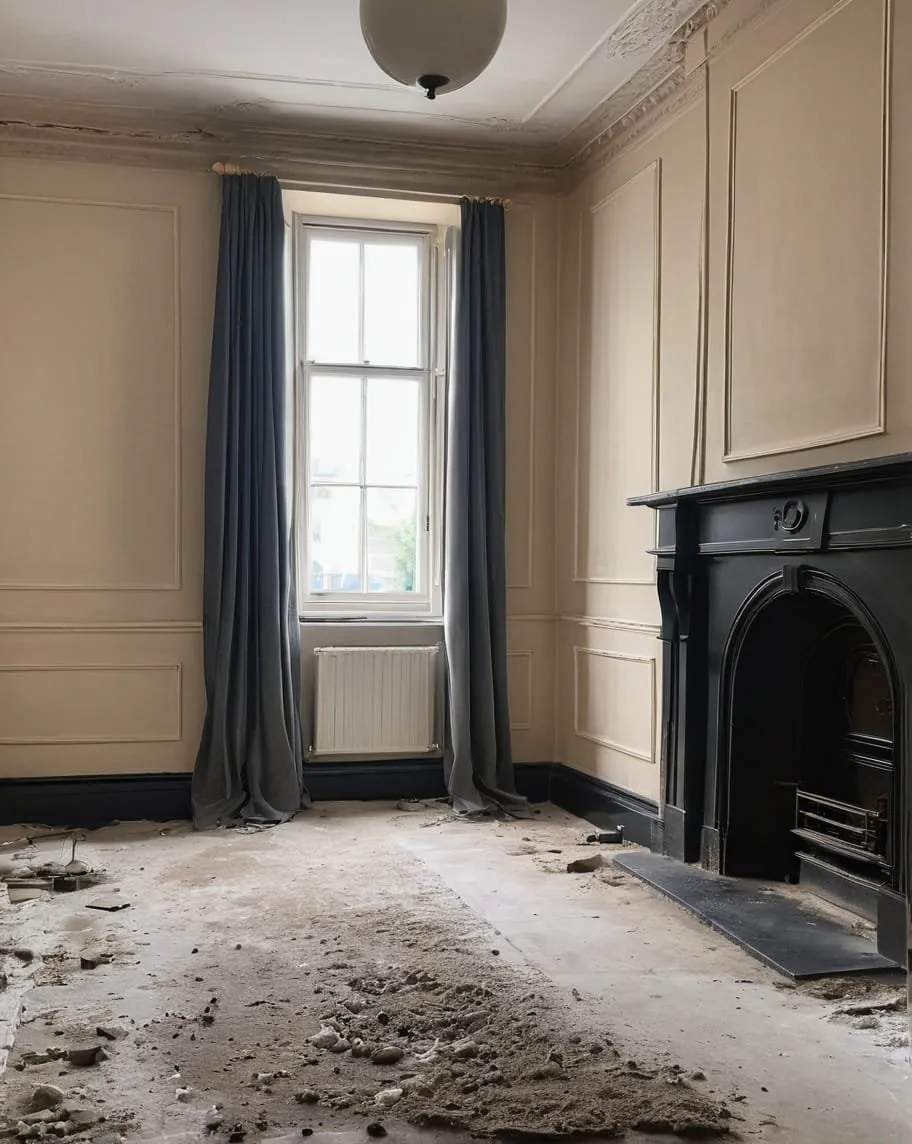
The person using the room often knows when the marks appeared and whether they have changed. We ask about those details without turning the conversation into an argument about fault. Conditions need assessment, and practical history helps frame the questions. A dated room photograph can add useful context to a short maintenance message.
Our landlord mould assessment and reporting service is relevant where written findings are required. Explain the intended use before the visit. A report brief should not be assumed to match every management, tenancy or legal requirement simply because the word report appears in the enquiry.
Arrange access that supports the assessment
We discuss which rooms can be entered, whether someone will be present and whether connected areas need separate permission. Access controlled by another occupant or building contact can affect what is possible. Tell us about those limits early so the visit is not built around an assumption that every relevant area will be open.
If an important surface cannot be checked, the findings should say so. We distinguish accessible observations from questions needing further access or another responsible person. That clarity is useful for managers deciding what to arrange next and for occupants who want to understand what has actually been assessed.
Explain the treatment in terms everyone can follow
We identify the affected surfaces proposed for remediation and discuss their condition. If plaster, decoration or joinery also needs attention, we explain that it may sit outside the treatment work. A scope should be understandable to the person approving it even if they are not present in the room.
Read about mould removal for the distinction between treating growth and addressing other tasks. We avoid folding every possible repair into an unclear promise. The useful proposal says what is included, what remains uncertain and what separate action may be needed.
Connect maintenance decisions with moisture questions
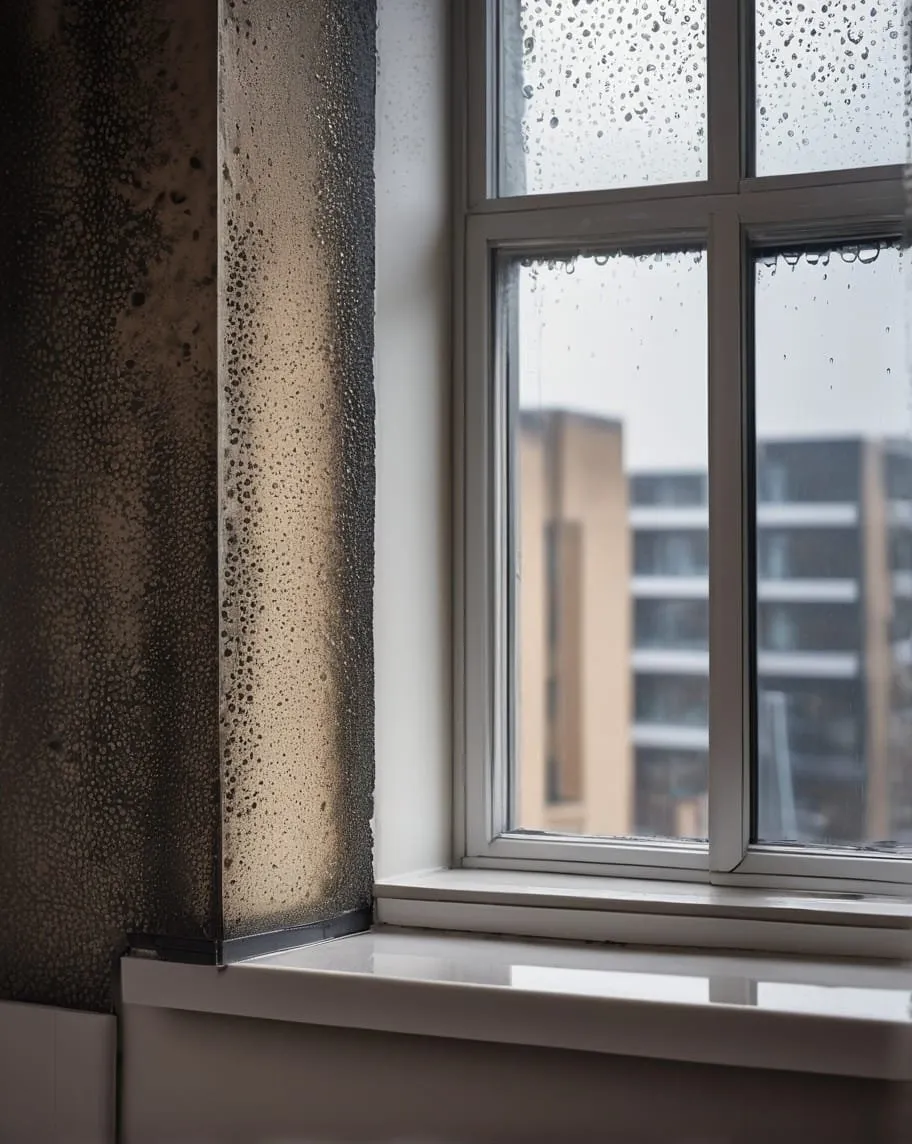
Repeated maintenance requests can be frustrating when no one has established why the mark returns. We discuss known repairs and the current evidence. If the moisture concern is unresolved, an agreed damp and moisture inspection can provide a firmer starting point for the next decision.
We do not need the owner and occupant to agree a diagnosis before making an enquiry. We do need the relevant observations, available access and a clear approval arrangement. That lets the assessment consider the property rather than merely repeat the conclusion of one person in the conversation.
For agreed affected materials, remediation may include appropriate anti-fungal surface applications. We explain the proposed area and treatment purpose to the person approving the work. Relevant ventilation or humidity advice can accompany the assessment, with its practical relationship to the findings made clear for the occupant and manager.
Keep the three property contacts clear
Our approach makes the service easier to arrange across several contacts. We discuss the purpose, access and treatment boundaries in plain English. That helps an owner approve a defined proposal, an occupant prepare for the visit and a manager understand which follow-up tasks are still outstanding.
Tell us who observed the growth, who provides entry and who approves work. Give the affected room and known repair history to the person making the enquiry. If written findings are needed, explain their use before booking. We discuss the surfaces and reporting scope on that basis; opening the door should not be mistaken for approving additional work.
QUESTIONS FOR THIS VISIT
Before making arrangements
Can the occupant provide information directly?
Their observations can be valuable context. The arrangement still needs to be clear about who books, provides access and approves work. We discuss those roles so a helpful description does not become an uncertain instruction to proceed.
Does a report automatically cover tenancy disputes?
No such assumption should be made. Explain the intended purpose and any specific requirements before agreeing the service. The assessment and written scope need to match the question being asked, with appropriate limits clearly understood.
What if the owner cannot attend?
Discuss the access contact and approval arrangements in advance. The visit needs a practical way to reach the agreed areas, and the proposed work should be communicated to the person responsible for the decision.
Do you decide who is to blame?
We focus the enquiry on the property condition, moisture evidence and proposed action. Reports of how the room is used can be relevant context, but they do not replace assessment or justify starting from an unsupported conclusion about fault.
Can one manager arrange several Wembley properties?
Yes, provide a separate address, room history and access brief for each enquiry. The scope for one building should not be copied automatically to another, even when the same manager is responsible for both.
Nearby service enquiries
We also take enquiries in the surrounding areas. Call with the property’s address and affected rooms.
Connect the right people to the visit
Tell us who lives at the property, who will provide access and who can approve the proposed work. That practical information helps the enquiry move towards an assessment with a clear purpose.