
LONDON PROPERTY CARE
Mould Remediation Hendon
Growth close to a skirting board deserves more than a diagnosis from its height. We discuss the condition of lower walls in Hendon properties, assess the accessible surface and explain which moisture questions should inform treatment.
The position of a mark is a clue, not a conclusion.
- Check the wall and adjacent finishes
- Review changes over time
- Choose the next step from evidence
Look beyond the narrow line at floor level
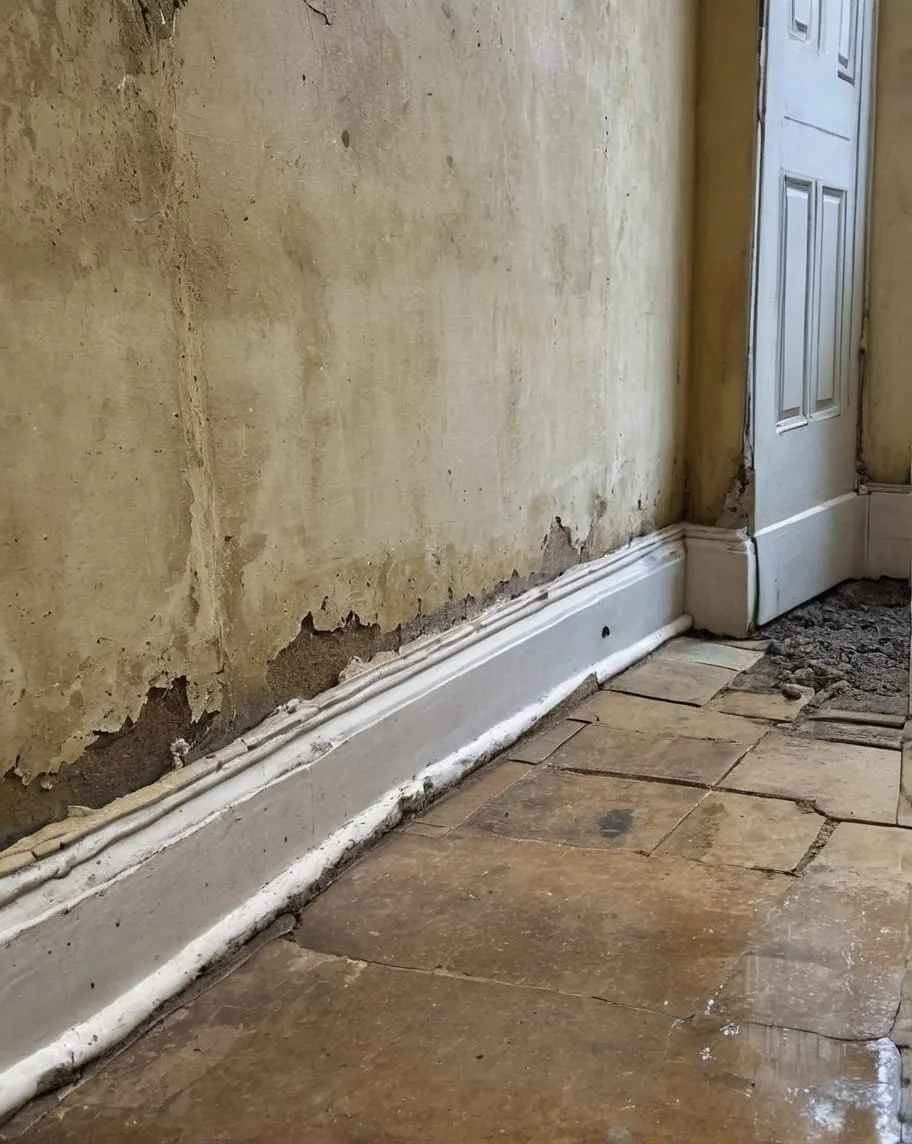
A mark along the bottom of a wall often attracts an immediate label. We begin with a broader view. We ask whether the finish is discoloured, whether visible growth extends beyond the skirting and whether the neighbouring floor or wall has changed. A photograph of the whole corner is often more useful for the enquiry than a close-up alone.
For Hendon properties, we assess the concern in the actual room rather than make assumptions from the address. Lower-wall growth can sit beside different moisture histories. Its height is relevant information, but it should not become a diagnosis before the building condition and available evidence have been considered.
Review the moisture history before recommending work
We ask about known leaks, recent water incidents and any earlier advice concerning the wall. If someone has already recommended a damp-related repair, explain what that recommendation was based on and whether the work happened. Keeping these stages distinct helps us understand what remains uncertain now.
Our rising damp investigation service is relevant when that concern forms part of the enquiry. It does not mean every low mark is rising damp. We discuss the question to be investigated and the accessible areas, then explain how the findings relate to the proposed next step.
Include the material in the treatment discussion
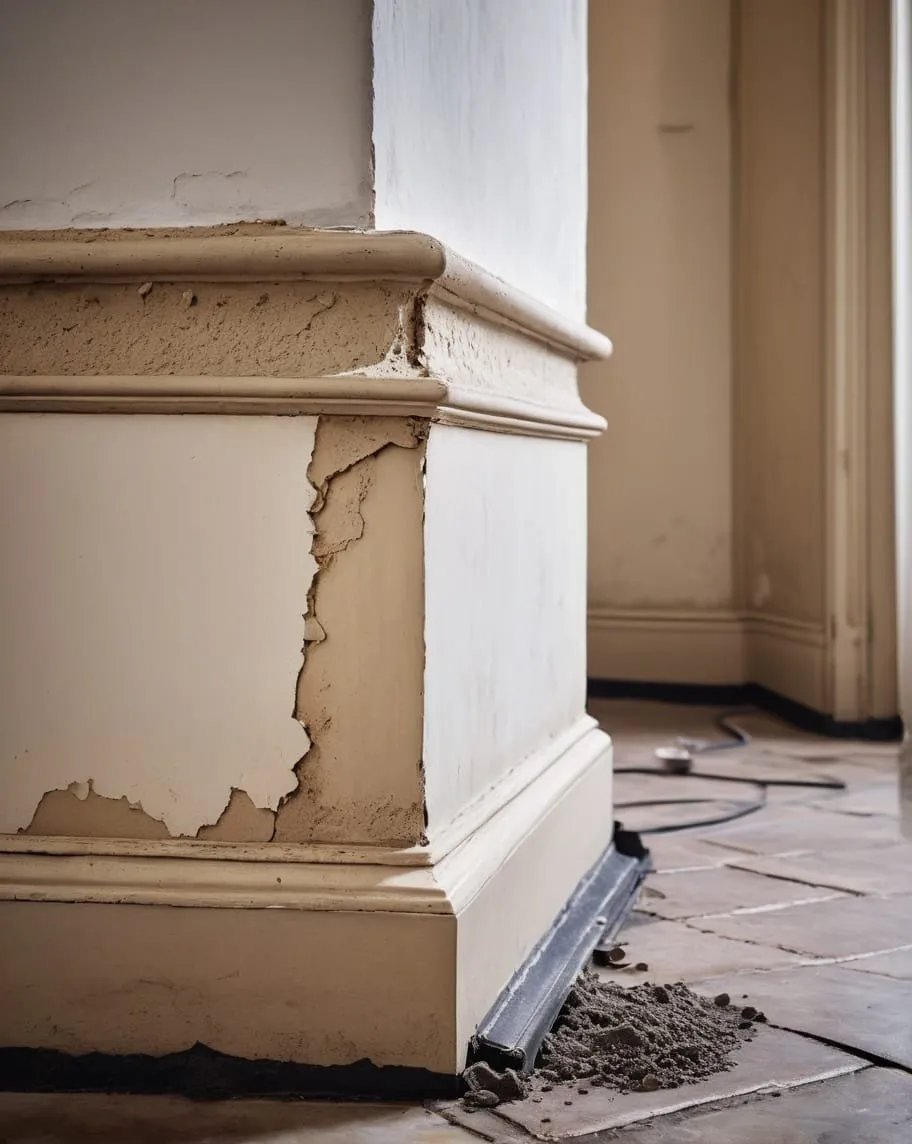
Painted plaster, wallpaper and timber trim do not present the same surface. We consider the condition of the affected material and explain whether the treatment proposal covers it. If the finish is loose or deteriorating, repair or replacement may need discussion alongside remediation. Those boundaries should be clear before you agree the job.
Read about removing mould from wall surfaces for the practical distinctions. We avoid presenting a neat-looking result as proof that every related defect has been addressed. Treating growth and resolving the conditions that allowed it are connected decisions, but they may involve different work.
Talk through the property concern
Check the limits of access honestly
Furniture, fitted storage and floor coverings can limit what is visible. We ask about those obstacles before a visit so access can be planned around the agreed assessment. You should not remove built-in items or disturb materials just to provide a better photograph. Tell us what cannot be reached and we can discuss the implications.
Where the useful question extends into a connected area that is outside the available access, we explain that limitation. A practical recommendation can still identify the next question. It should not suggest that a concealed surface has been checked simply because the visible part of the room was inspected.
Connect the findings to an achievable scope
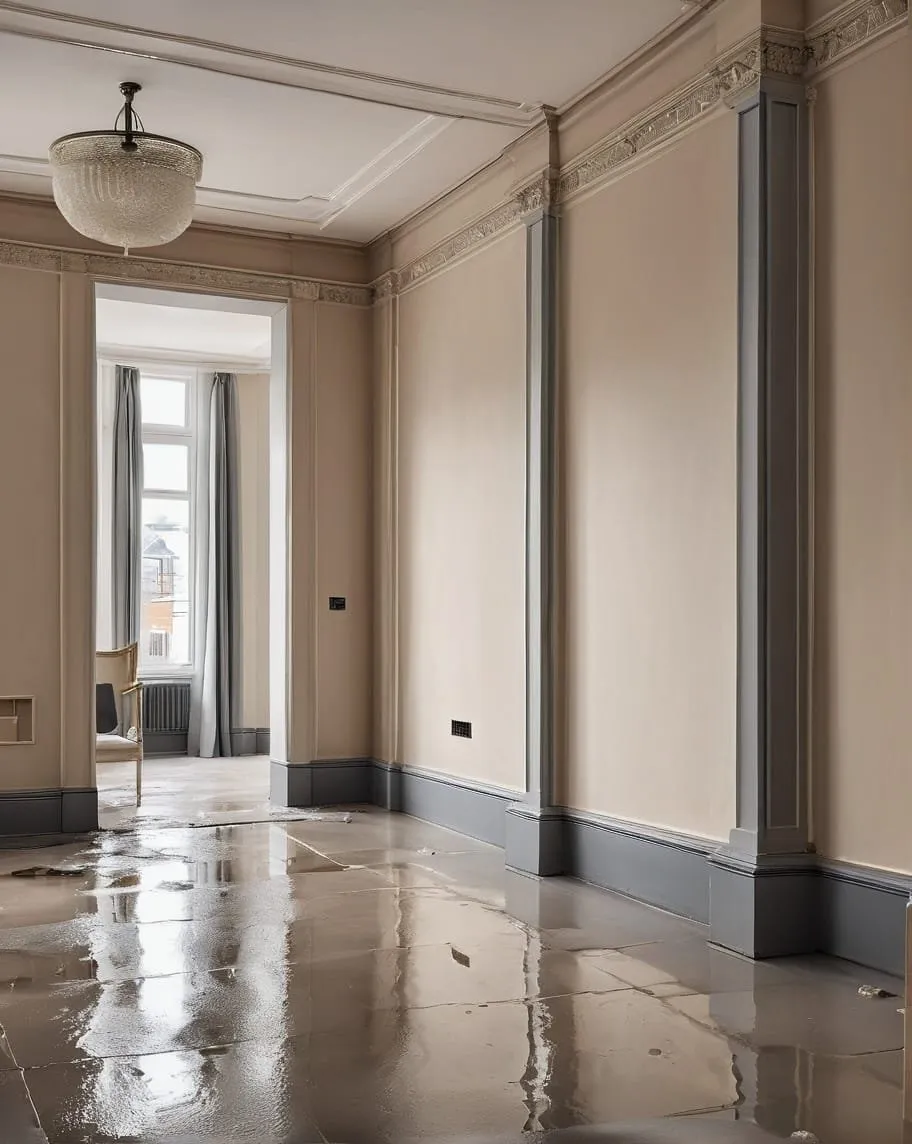
Once the assessment question is understood, we explain which affected surfaces the proposed remediation includes. If separate moisture work is needed, the plan should make that clear. You can then arrange responsibilities without confusing surface treatment with a guarantee that the entire wall assembly has been repaired.
An agreed moisture inspection may help when several possible explanations remain. We discuss its purpose with you rather than add services automatically. The useful outcome is a clearer decision about the property, including what can be treated and what still needs attention.
We can propose appropriate anti-fungal applications for the agreed affected surface, taking its material and condition into account. That makes treatment a defined stage within the lower-wall plan. Ventilation or humidity recommendations may also be relevant, but they should follow the assessed evidence rather than be offered as the explanation for every mark beside a skirting board.
Why we take time with the explanation
An unsupported diagnosis can send an owner towards work that does not address the actual concern. Our approach keeps visible evidence, reported history and proposed action distinct. We explain the service in plain language so you can ask questions about the wall without needing to become a damp specialist yourself.
When contacting us, describe the length of the affected area, the finish and any change after earlier repairs. Mention adjoining rooms if they show a related mark. Those details support a better initial conversation and help us discuss remediation as part of a reasoned plan for the lower wall.
QUESTIONS FOR THIS VISIT
Before making arrangements
Does mould beside the skirting prove rising damp?
No. The location is one part of the evidence and needs to be considered with the room condition and moisture history. We discuss the concern without treating a familiar-looking pattern as a confirmed cause.
Should I lift a floor covering to show you?
Describe the access first. Do not disturb materials simply to make the initial enquiry. Preparation should follow the scope of the agreed visit, particularly where concealed areas or fitted elements may be involved.
Will you examine the skirting as well as the wall?
Tell us that it is affected and discuss whether it is included in the assessment and treatment scope. Different materials may need different consideration. The proposed work should identify the surfaces rather than leave the boundary uncertain.
Can previous damp repair paperwork help?
Yes. Explain what was recommended, what work took place and what changed afterwards. We use that background to frame the current question, while recognising that earlier advice and the present condition are separate pieces of information.
Why not start with removal straight away?
Removal may be appropriate, but an unresolved moisture question can affect the value of treatment. We explain when investigation belongs in the plan so you can make a more informed choice about the work being proposed.
Describe the whole lower-wall concern
Include the nearby floor, skirting and the date the mark appeared when you contact us. That broader description helps us discuss a visit that considers the surface and moisture question together.
Nearby service enquiries
We also take enquiries in the surrounding areas. Call with the property’s address and affected rooms.