
LONDON PROPERTY CARE
Mould Remediation Finchley
We help Finchley property owners turn several reports of mould into a workable treatment scope. We look at the rooms involved, discuss what can be inspected and explain how the proposed remediation relates to the moisture concern.
The scope follows the property evidence.
- Compare the affected rooms
- Define the inspection access
- Agree the treatment boundaries
A room list that helps define the visit
A request to treat mould throughout a home can mean very different things. There might be one affected bedroom and an unrelated bathroom mark, or a pattern extending across several walls. We begin by asking which rooms are involved and where the growth appears. That gives the proposed visit a practical starting point and makes it easier to explain what you want addressed.
For each affected room, note the surface, finish condition, discovery date and any known water incident. Keep a bedroom wall and bathroom ceiling as separate entries even if reported together. Include any area you cannot reach. We use this description to discuss the assessment scope; you do not need to measure every patch or decide its cause before calling.
Inspect connections between the affected spaces
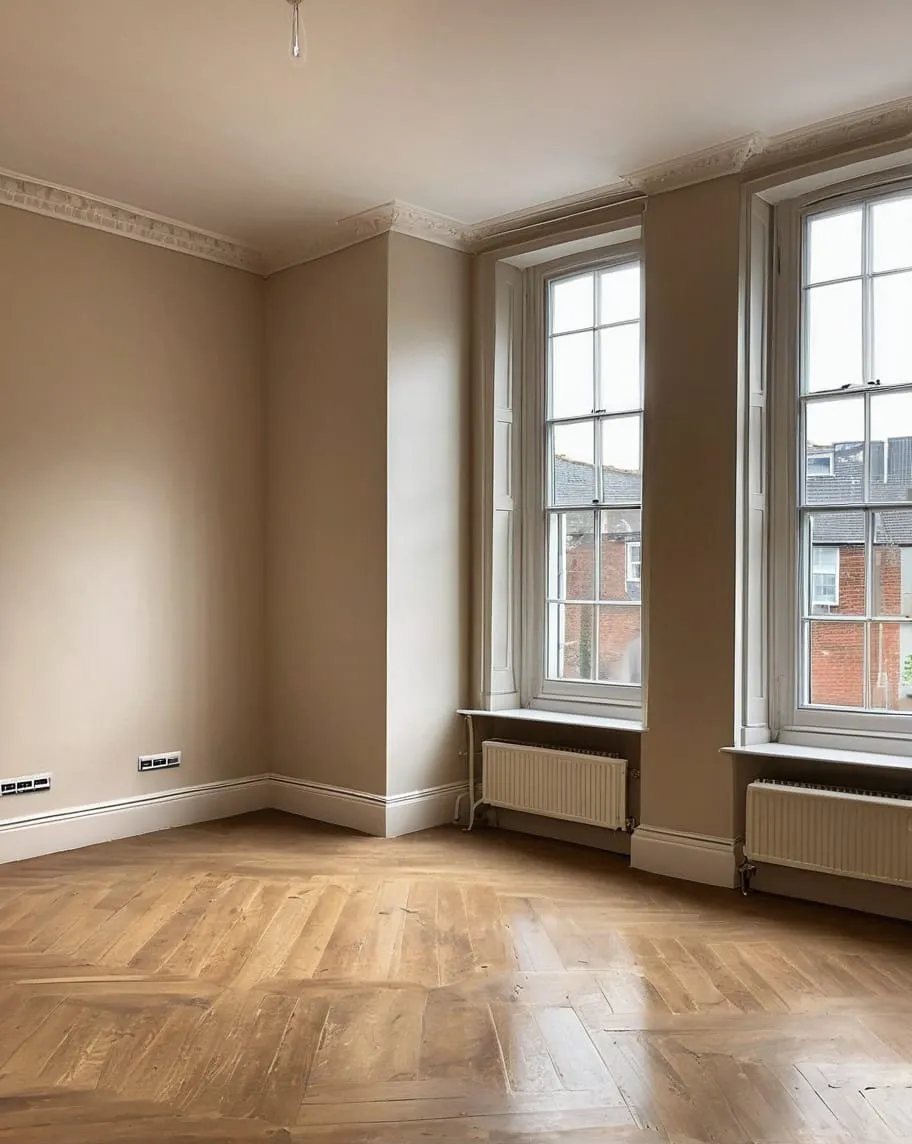
We consider whether the marks sit on adjoining walls, near glazing or below a known water incident. We also ask whether the rooms became affected at the same time. Those details help frame the moisture questions. Similar-looking growth in two rooms does not automatically require identical recommendations, particularly where the materials or access differ.
An agreed damp survey and moisture inspection can address uncertainty before the treatment plan is finalised. We explain which accessible areas are included. If a cupboard, fitted unit or connected room prevents a useful check, that limitation belongs in the discussion rather than being hidden behind a confident conclusion.
Decide what each surface needs
We look at the condition of the material around the growth, not only its colour. Loose wallpaper, flaking paint and a firm painted wall raise different practical questions. Treatment of visible mould is not automatically a replacement service for damaged plaster or joinery. We explain where remediation ends and where another repair or decorative task may be needed.
Our wall mould removal service is useful when the main concern lies on walls or reveals. Tell us about any finish that has already been stripped or repainted. Previous work can change what is visible now, so its date and purpose help us understand the current condition.
Connect removal to the moisture findings
We do not want a treatment brief to ignore a source that still needs attention. Where the observations suggest condensation questions, we discuss the room conditions and the role of ventilation alongside the affected surface. Where a leak or exterior defect remains uncertain, we explain why that question may need investigation or another responsible trade.
Read our condensation and mould treatment information if wet glazing and colder surfaces form part of the picture. This does not diagnose your home from a few symptoms. It helps you describe the conditions so the inspection can examine the right questions.
Make a whole-home request manageable
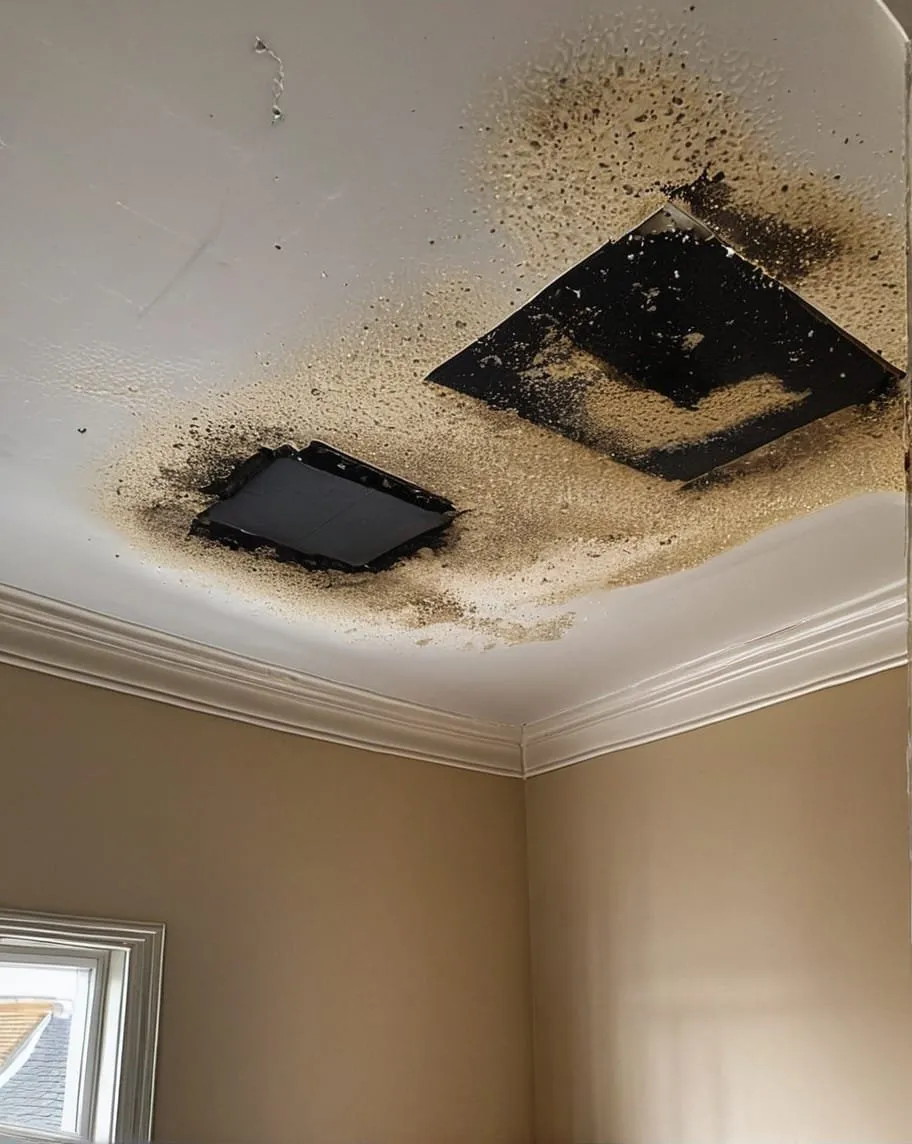
A clear scope lets you decide what to arrange first. We can discuss which spaces need access, who will be present and whether any connected repairs are already planned. You should not have to clear every cupboard simply because one corner has mould. Preparation should relate to the actual assessment and proposed treatment.
If separate rooms need different tasks, we explain that distinction. A useful plan is one you can share with the person organising repairs without them having to guess which surfaces were included. Ask about those boundaries before agreeing the work, especially if a decorator or managing agent will act on the findings.
For the included surfaces, our remediation can involve appropriate anti-fungal applications selected in relation to the material and assessment. We explain why particular areas are proposed for treatment and how the work relates to any moisture recommendations. This gives each affected room an identifiable task, even where a separate repair still needs arranging.
Why our approach helps the decision
We bring the inspection, surface treatment and next-step conversation together. That matters when several rooms have led to several opinions but no agreed action. We use the available evidence to explain the proposed work, acknowledge what has not been checked and avoid presenting a postcode as proof of a cause.
When you contact us, give the number of rooms, the most affected surface and any relevant repair history. Photographs showing the room layout can support the enquiry. You do not need to identify the mould species or choose a treatment product. Our job is to discuss a suitable professional starting point and make the scope understandable.
Nearby service enquiries
We also take enquiries in the surrounding areas. Call with the property’s address and affected rooms.
QUESTIONS FOR THIS VISIT
Before making arrangements
Can one visit cover several Finchley rooms?
Tell us how many rooms are involved and what access is available. The scope needs to be agreed around that information. Several marks do not necessarily mean several unrelated visits, but we should not assume every area can be included without discussing the property.
Why do you ask when each room became affected?
Timing can help separate a shared incident from concerns with different histories. We use it to frame the assessment, alongside the surface condition and room layout. It is useful context rather than a diagnosis on its own.
Will you treat every room the same way?
We consider the material, extent and relevant moisture concern in each included area. Different conditions may need different recommendations. The proposed treatment should explain those differences instead of making the whole property sound like one uniform surface.
Can you work from a room list I prepared?
Yes, a short list is a useful way to begin. Include where you see growth, whether the finish is damaged and any access limit. We can then discuss what the visit needs to cover without asking you to perform a technical survey.
What makes the service useful beyond removal?
We connect the visible growth to the questions that matter for the next decision. That includes treatment boundaries, inspection limits and any separate repair concern. You leave the discussion with a clearer understanding of the work being proposed.
Give each room a place in the plan
Tell us whether the concern is limited to one surface or appears across the property. We can discuss an inspection and treatment brief that reflects the rooms involved, rather than assume every mark has the same explanation.