
LONDON PROPERTY CARE
Mould Remediation Golders Green
Mould beside a wardrobe can be difficult to inspect properly. We help Golders Green owners describe the hidden and visible areas, arrange sensible access and agree a treatment plan that is honest about what has been checked.
Inspection limits are explained clearly.
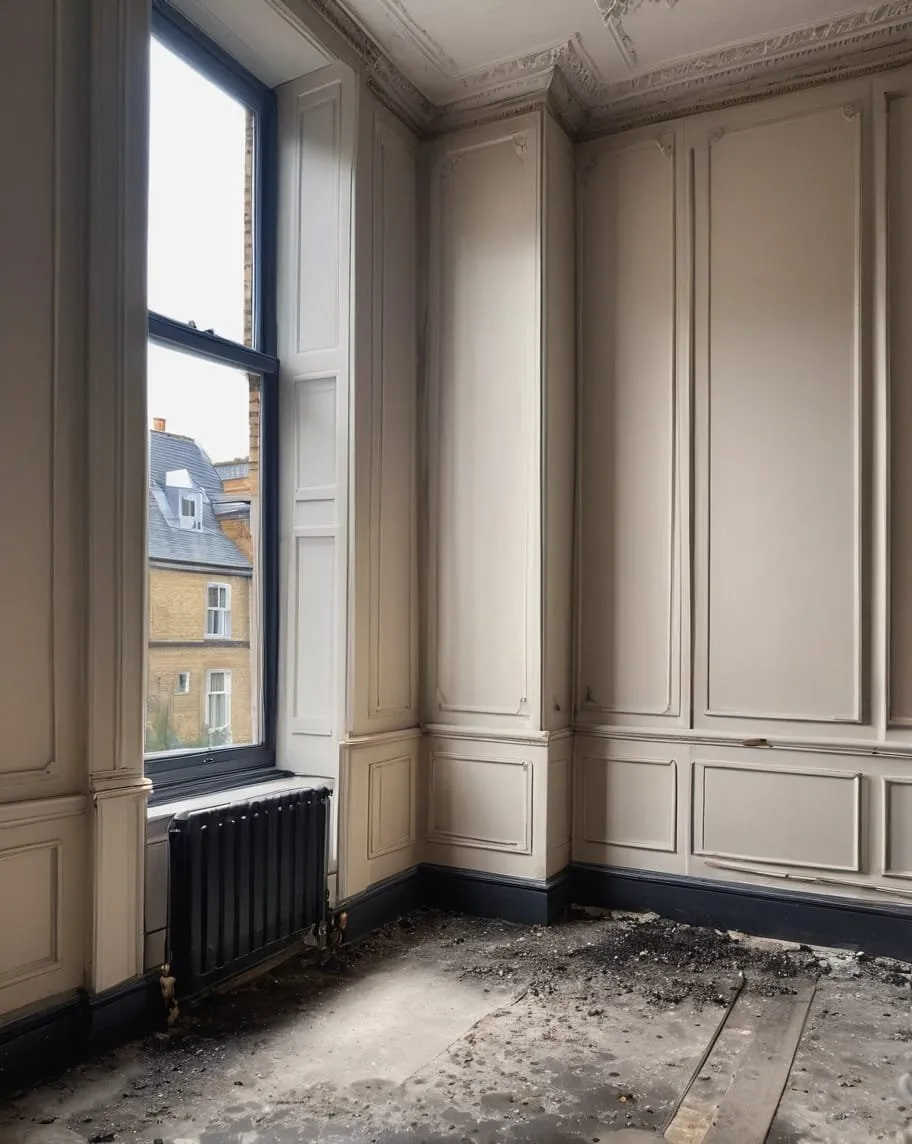
- Describe concealed wall areas
- Plan access before moving items
- Assess the surrounding room
Make the hidden area part of the enquiry
You may first notice mould while reaching behind a wardrobe or changing the position of a chest of drawers. We ask where the growth was found and how much of the wall can be seen. A concealed area needs a clear description because a photograph of the visible edge cannot establish the condition of everything behind the item.
We discuss Golders Green visits around the access that can realistically be provided. That includes whether the storage is freestanding, built in or fixed to another surface. The aim is to plan a useful inspection, not ask you to dismantle furniture on the strength of a brief telephone conversation.
Understand the room around the furniture
We consider the position of the wall, any nearby glazing and what you have observed about moisture in the room. We also ask when the growth was found and whether the furniture has recently moved. Those details help us frame the assessment without assuming that the item itself explains the whole problem.
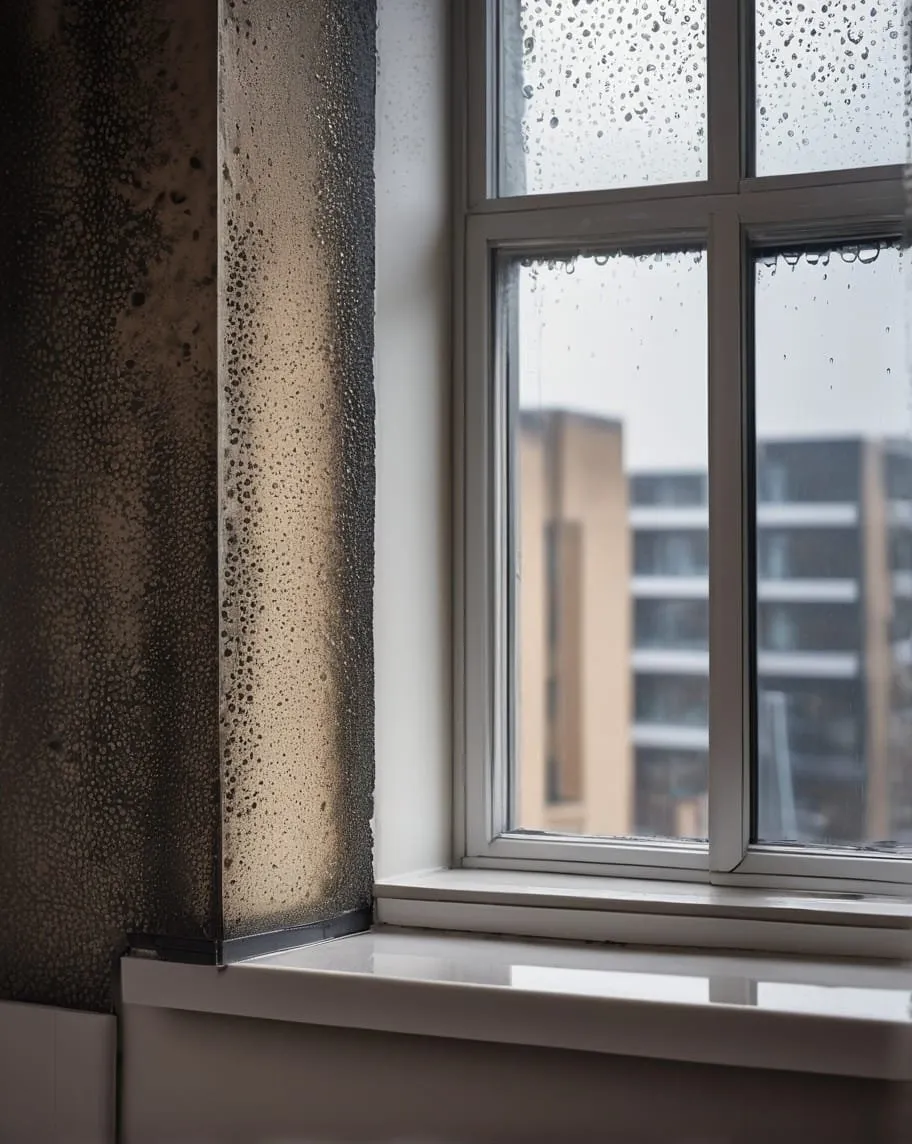
Our condensation treatment information can help where colder surfaces and room ventilation are relevant questions. It provides context for the discussion, rather than diagnosing a concealed wall from the arrangement of a wardrobe. Other moisture concerns may still need consideration.
Agree useful access before the visit
We ask which surfaces can be reached and whether moving an item requires help or permission. You should not put yourself at risk shifting heavy furniture for an enquiry. Instead, describe the limitation and discuss the preparation needed for the agreed inspection or treatment. A realistic plan is better than an appointment built around unavailable access.
If part of the wall cannot be inspected, we explain what that means for the findings. The recommendation should distinguish the observed section from the concealed area. That allows you to decide whether a further access arrangement is needed before the treatment scope can be confirmed.
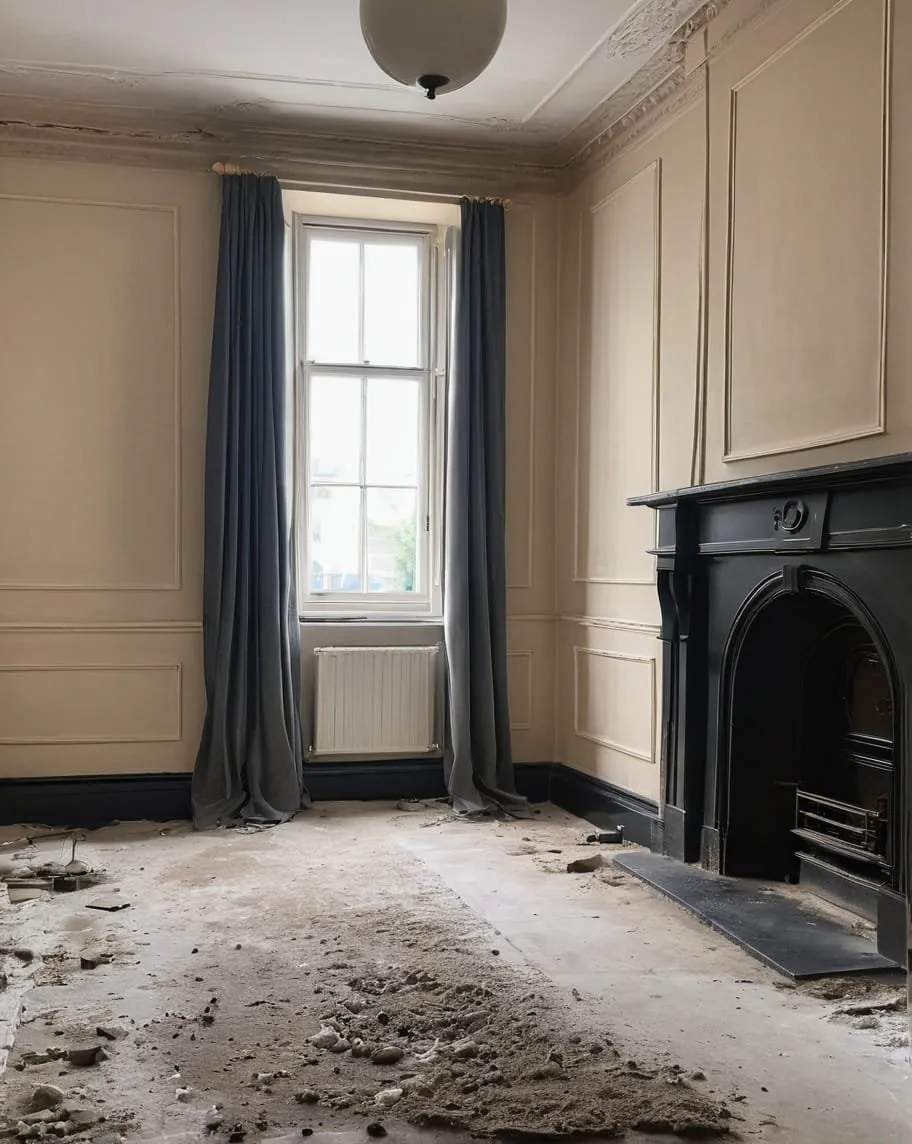
Treat the affected material, not a vague space
The proposal needs to identify what is included. That may mean a wall surface, the surrounding reveal or another material you have reported as affected. We consider the finish and its condition before discussing remediation. Mould treatment should not be confused with replacing cabinetry or restoring every decorative surface in the room.
Our wall mould removal service explains the distinction between the wall concern and related work. If you are worried about stored possessions, mention that separately. Do not assume a proposal for treating a wall includes furniture, textiles and all contents of the cupboard.
Address the question that remains behind the patch
A hidden patch may have a history that is difficult to date. We ask about known water incidents, previous marks and the condition of the adjoining area. Where the moisture source is unclear, an agreed damp and moisture inspection can provide a more useful starting point than repeated surface cleaning.
We explain how the accessible findings support the next decision. If another repair or a wider check is needed, that should be part of the conversation. We do not present treatment of one exposed strip as a promise about every hidden surface elsewhere in the home.
On the exposed areas included in the proposal, suitable treatment can involve anti-fungal surface applications chosen around the assessed material. We connect that work with relevant ventilation and humidity recommendations where appropriate. The point is to address the reachable growth professionally while keeping the concealed-area question explicit.
Why this approach helps with awkward access
We combine practical preparation with a clear description of the service. That makes the work easier to arrange when a room contains large furniture or fitted storage. You know which access questions matter, what the treatment proposal covers and where an inspection limit may affect the recommendation.
Contact us with a room photograph and a description of the item hiding the wall. Explain whether the room is occupied and who can approve any access arrangements. We can then discuss remediation around the actual situation, while keeping the surrounding moisture conditions part of the plan.
Nearby service enquiries
We also take enquiries in the surrounding areas. Call with the property’s address and affected rooms.
QUESTIONS FOR THIS VISIT
Before making arrangements
Do I have to empty every wardrobe?
Preparation depends on the affected area and agreed visit. Describe the storage and where the wall can be reached first. We can discuss useful access without treating a single concealed patch as a reason to clear the entire home.
Can you assess a wall behind fitted units?
We can discuss the available access and its limitations. A concealed surface cannot be treated as inspected if it remains inaccessible. The findings should make that distinction clear and identify any further question requiring access.
Is the furniture included in wall treatment?
Not automatically. Tell us which materials concern you and check the scope. A proposal for an affected wall should not be assumed to include cabinets, possessions or textiles unless those tasks have been explicitly discussed.
Does a wardrobe always cause the mould?
Its position may be relevant to the room conditions, but it does not establish the full cause. We consider the moisture history, surrounding surfaces and accessible evidence rather than rely on the furniture arrangement alone.
What should my first photographs show?
Include the room layout, the visible wall and the edge of the concealed area where possible. Avoid moving heavy items just for a picture. Context helps the initial conversation more than several close-ups that hide the access problem.
Tell us what the storage conceals
Explain whether the item is movable or fitted and where the marks are visible. We can discuss access and the inspection purpose before you start clearing or dismantling the room.