
LONDON PROPERTY CARE
Mould Remediation East Ham
We assess the bathroom as a working room, including the affected finishes and the moisture observations you report. For East Ham properties, we explain the proposed surface treatment and practical recommendations without assuming every mark has the same cause.
The treatment scope identifies the surfaces included.
- Review each affected bathroom surface
- Consider moisture and ventilation
- Agree practical room access
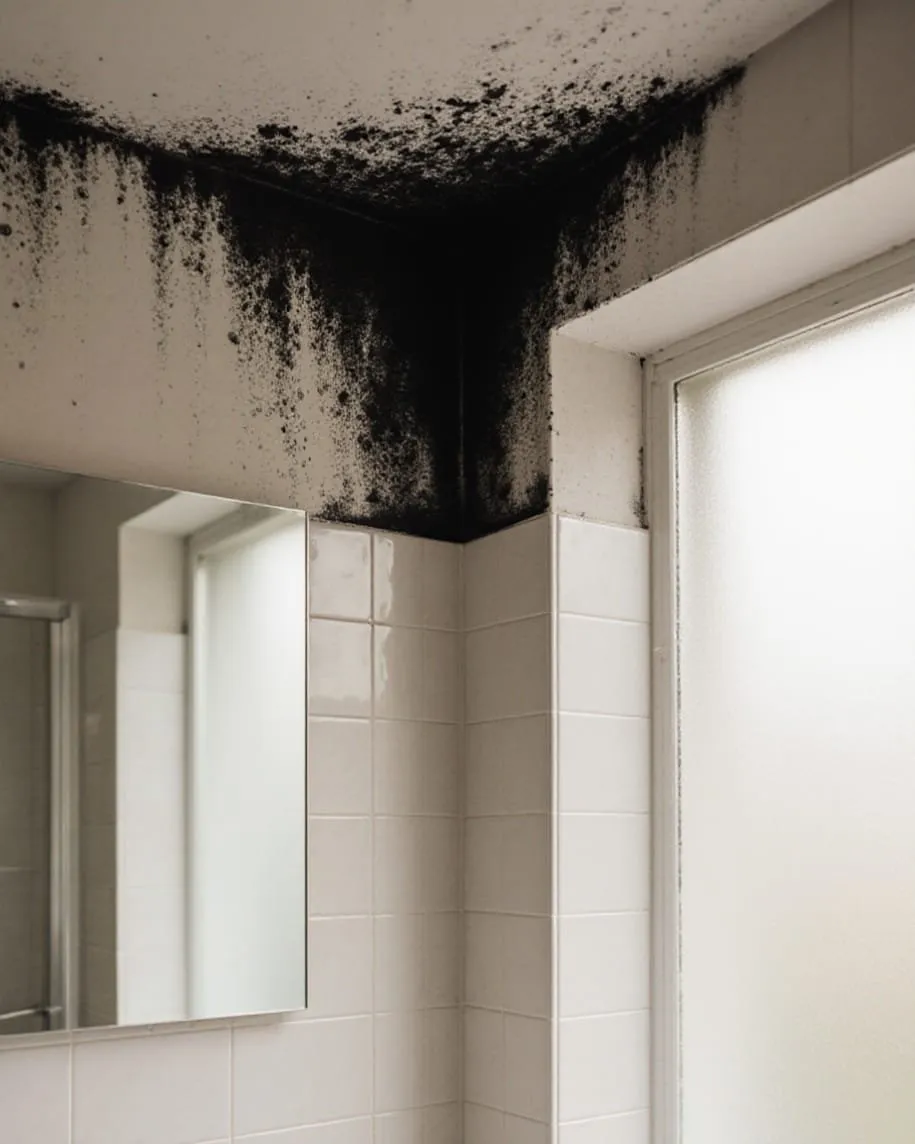
We ask which bathroom surfaces are affected
A bathroom enquiry may involve the ceiling, a painted wall, the window area or several finishes at once. We ask you to identify those surfaces before discussing East Ham treatment. Tell us whether the growth is confined to one corner or follows a wider pattern. A photograph showing the room can be more useful than only the darkest close-up, because it locates the affected material. We also ask whether any finish is loose or damaged. This helps define a scope that addresses the actual room, instead of treating every visible mark as the same surface problem or assuming the whole bathroom needs refurbishment.
Moisture behaviour helps us frame the assessment
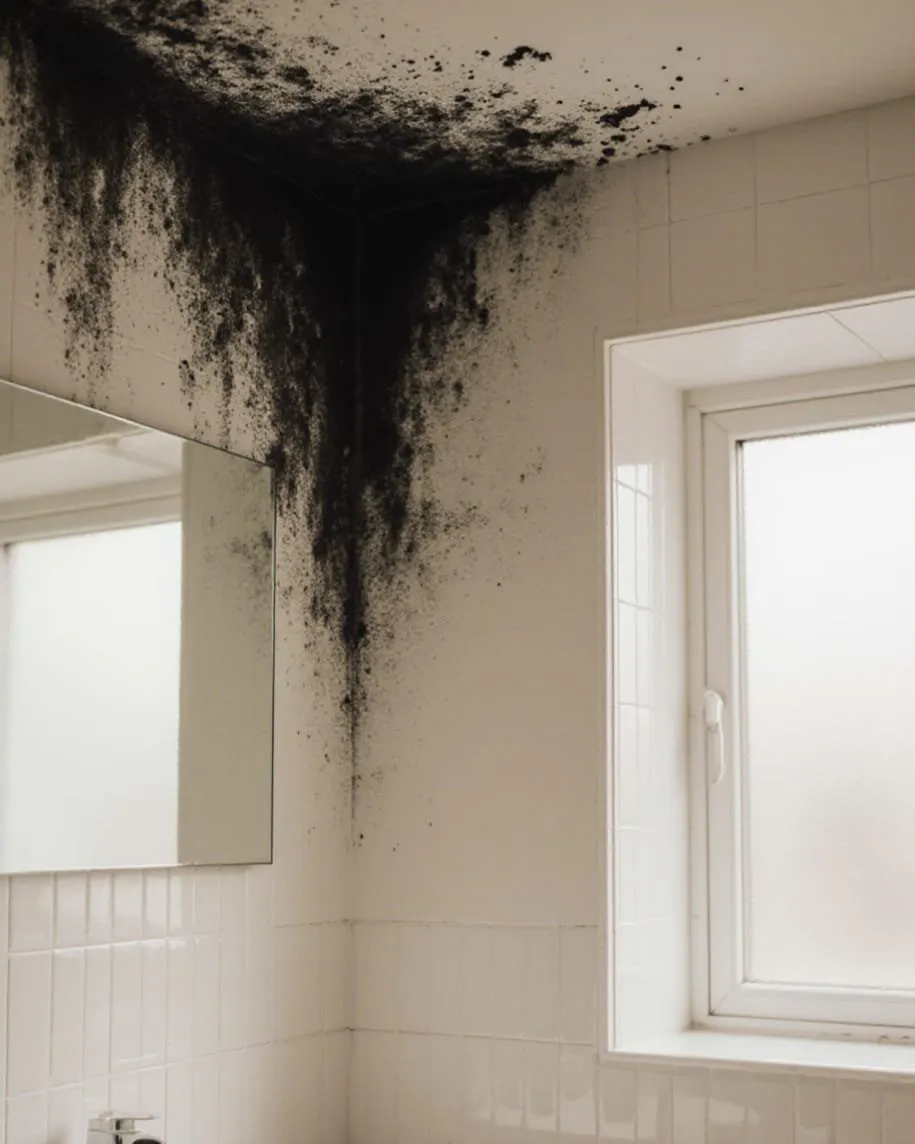
Describe how the bathroom looks after use and whether moisture seems to clear. Persistent wet glazing or recurring ceiling growth are relevant observations. We consider ventilation and the reported history alongside accessible materials. Our bathroom mould service explains those connected questions. If a leak or another source is suspected, that should remain separate from an automatic condensation explanation. We do not decide the cause simply because the room contains a bath or shower. The service conversation should establish whether treatment can be planned now or whether another moisture question needs assessment before the work has a clear purpose.
We match remediation to the finish
We explain the proposed treatment for the agreed surfaces, including suitable anti-fungal applications where appropriate to the material and assessment. Ceiling paint and a deteriorating wall finish may require different preparation or repair discussions. The ceiling treatment information gives more detail about overhead surfaces. Tell us if decoration is peeling rather than removing it for the initial enquiry. We distinguish treatment from restoring the full finish or replacing bathroom components. This keeps the scope understandable and allows you to arrange separate maintenance without assuming the mould visit includes every visible defect or a complete decorative outcome across the room.
We keep leak questions separate from room advice
Water marks, changes after an incident and damp beside a fitting deserve their own account. If the source is uncertain, moisture inspection may help address the question. We review what is accessible and explain any limit involving a concealed space or another property. A surface treatment does not automatically include plumbing repairs, and practical ventilation advice does not replace investigating an unexplained water mark. By keeping these tasks distinct, we help the responsible person decide who needs to do what. That is useful where the bathroom is part of a rental and the occupant reports a condition that the owner has not seen directly.
Access is discussed around an essential room
Tell us if the bathroom is the only one available and explain any restrictions on entry. We discuss the arrangements relevant to the proposed treatment before booking. Describe stored belongings, fittings and any area that cannot be reached without another task. Do not dismantle fixtures to improve an enquiry photograph. The condensation service provides context for recommendations that may accompany the work, but preparation still needs to fit the individual visit. Everyone providing access should receive the agreed instructions. This makes the service easier to organise without relying on an assumed routine that may not suit the room or the people using it.
Why the bathroom plan should connect the tasks
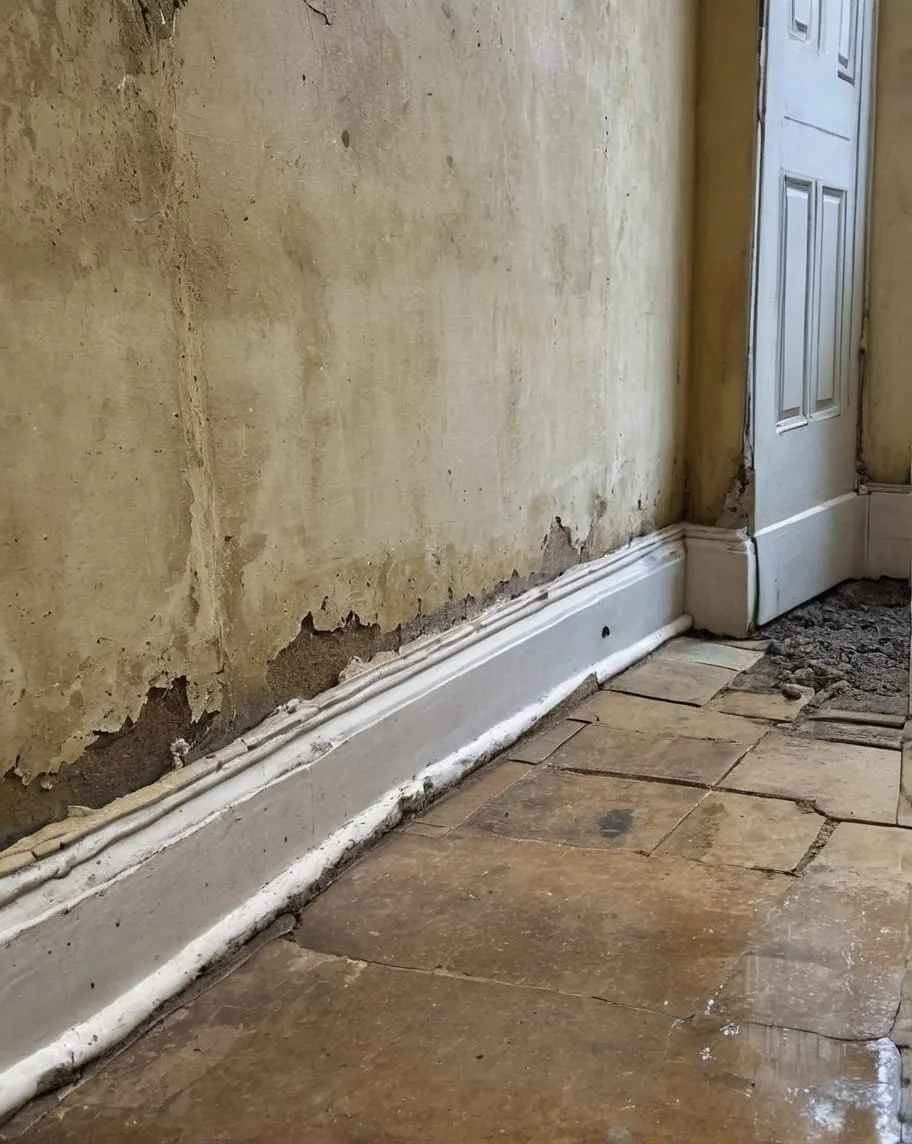
Our service brings visible treatment, moisture assessment and relevant ventilation recommendations into the same room-specific conversation. For East Ham enquiries, that means an explained plan rather than simply applying treatment and leaving the reason for recurring moisture untouched. We identify the proposed surfaces and any separate repair question. Keep the work details and repair dates after the visit. If growth returns, note which surface changed and whether moisture behaviour changed too. We can discuss that information against the original scope. A clear account of the room helps a follow-up identify the next question instead of assuming every bathroom mark needs the same application again.
QUESTIONS FOR THIS VISIT
Before making arrangements
Does bathroom mould always mean poor ventilation?
Ventilation can be relevant, but the room label does not establish the cause of every mark. Describe leaks, incidents and surface changes as well. We consider the history before explaining the appropriate assessment or treatment.
Can the ceiling and wall need different preparation?
Yes. Materials and damage can differ within the same room. We explain the proposed work for the accessible surfaces and identify any separate material repair, rather than assume one treatment boundary covers every bathroom finish.
Do you repair a leaking fitting during treatment?
Do not assume that plumbing repair is included. Tell us about the suspected or active leak before booking. We discuss the service question and keep source repairs distinct from the surface remediation scope.
Should I remove bathroom fittings first?
Describe the restriction and discuss access before doing that. Removing or altering fittings is a separate decision. Preparation should follow the agreed work and appropriate permission, rather than an attempt to reveal every concealed area for an enquiry.
What should I record after the visit?
Keep the surfaces included, relevant recommendations and dates of separate repairs. If the room changes later, describe where growth or water marks appear and how that differs from the condition considered during the original work.
Nearby service enquiries
We also take enquiries in the surrounding areas. Call with the property’s address and affected rooms.
Tell us how the bathroom is affected
Describe the surfaces, moisture behaviour and practical access at your East Ham property. We can explain bathroom remediation with those details in mind and keep any source repair or material question alongside the treatment plan.