
LONDON PROPERTY CARE
Mould Remediation Barking
We help a resident’s mould report become a usable maintenance instruction. At a Barking rental, we assess the affected room and explain treatment, then help the commissioning contact distinguish observed conditions, recommended repairs and work already completed.
Assessment purpose and approval contacts are agreed clearly.
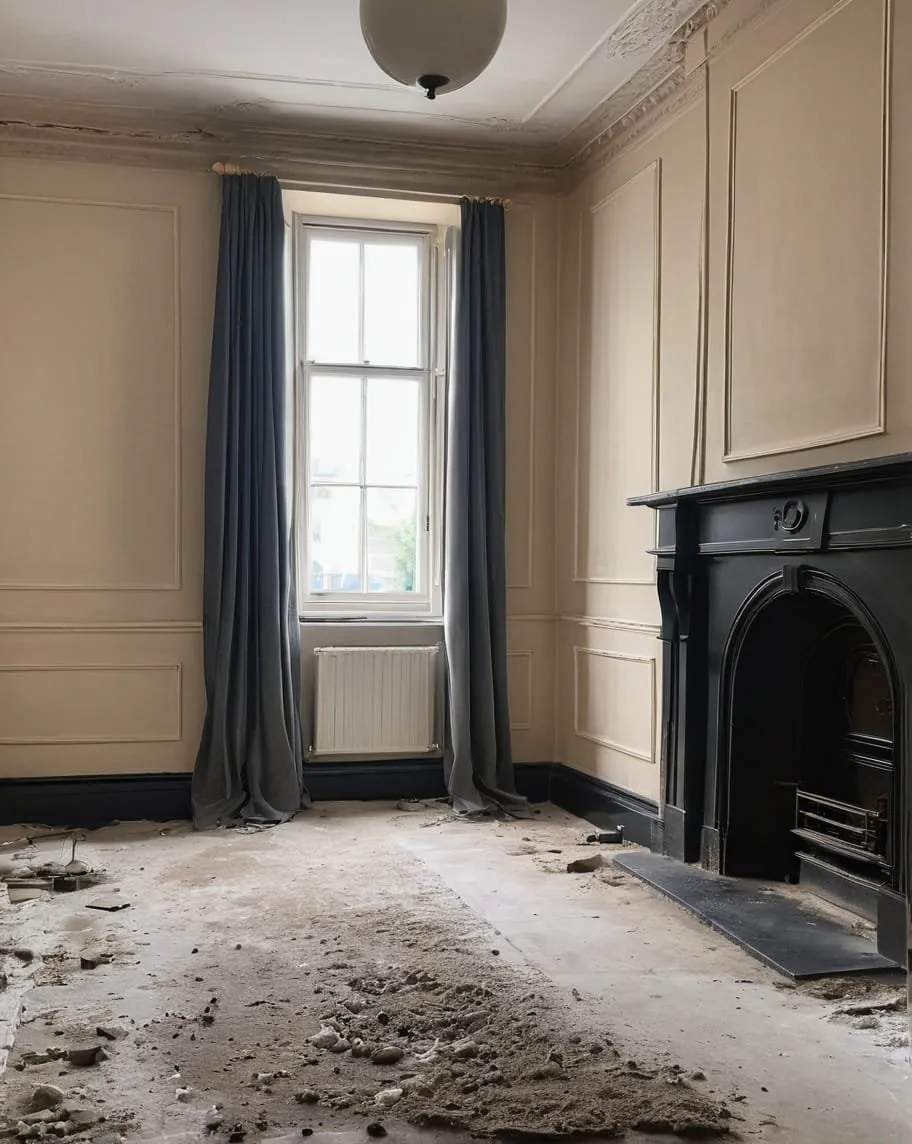
- Connect resident observations to assessment
- Separate treatment from source repairs
- Give the next contractor a clear brief
The resident report is the beginning of the handover
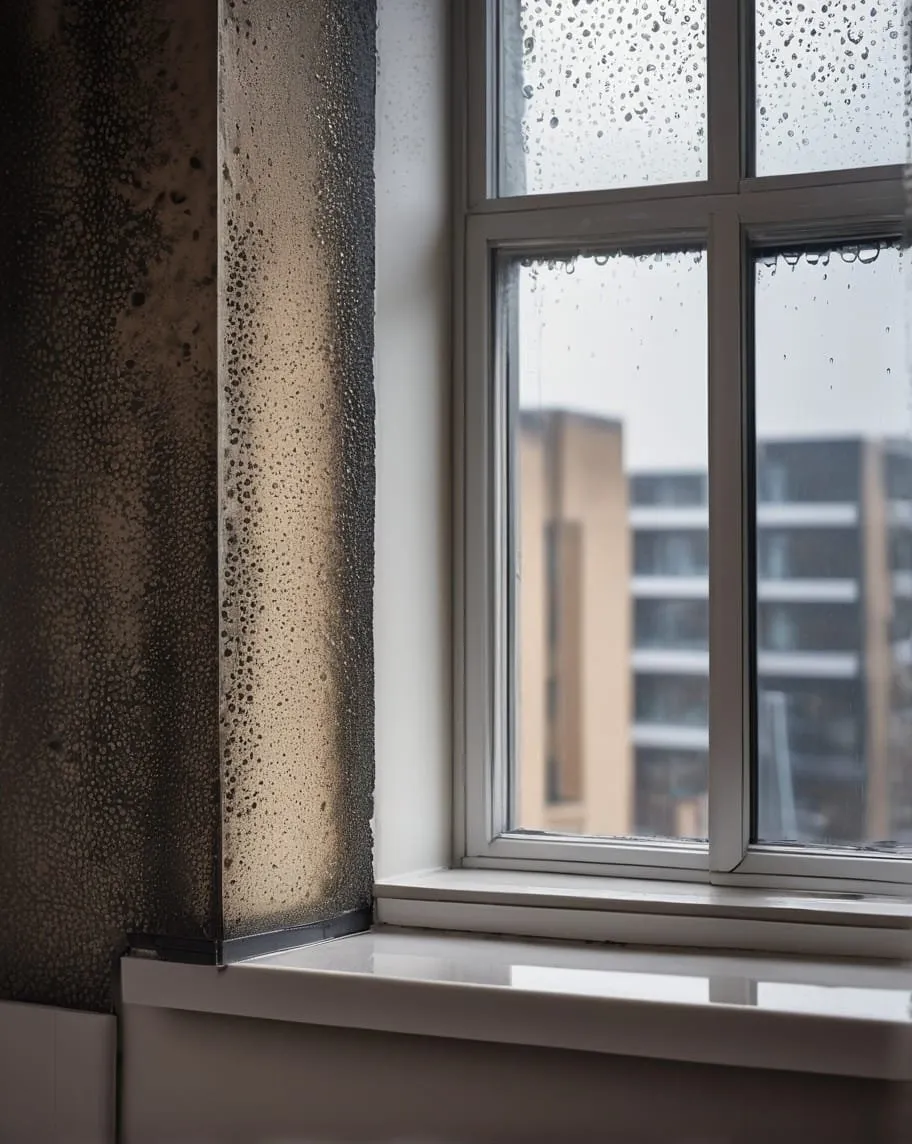
The person using the room can describe changes that are missing from a maintenance file. When you contact us about a Barking rental, include where growth appeared, when it was noticed and what changed after earlier work. We ask for observations the resident can reasonably provide, such as a recurring mark or wet glazing. They do not need to decide the cause.
We use that account to frame the assessment rather than pass it straight to a contractor as a diagnosis. An instruction saying repair the condensation assumes an explanation that may not have been established. Our first task is to connect the reported concern with the room condition and the question the visit needs to answer.
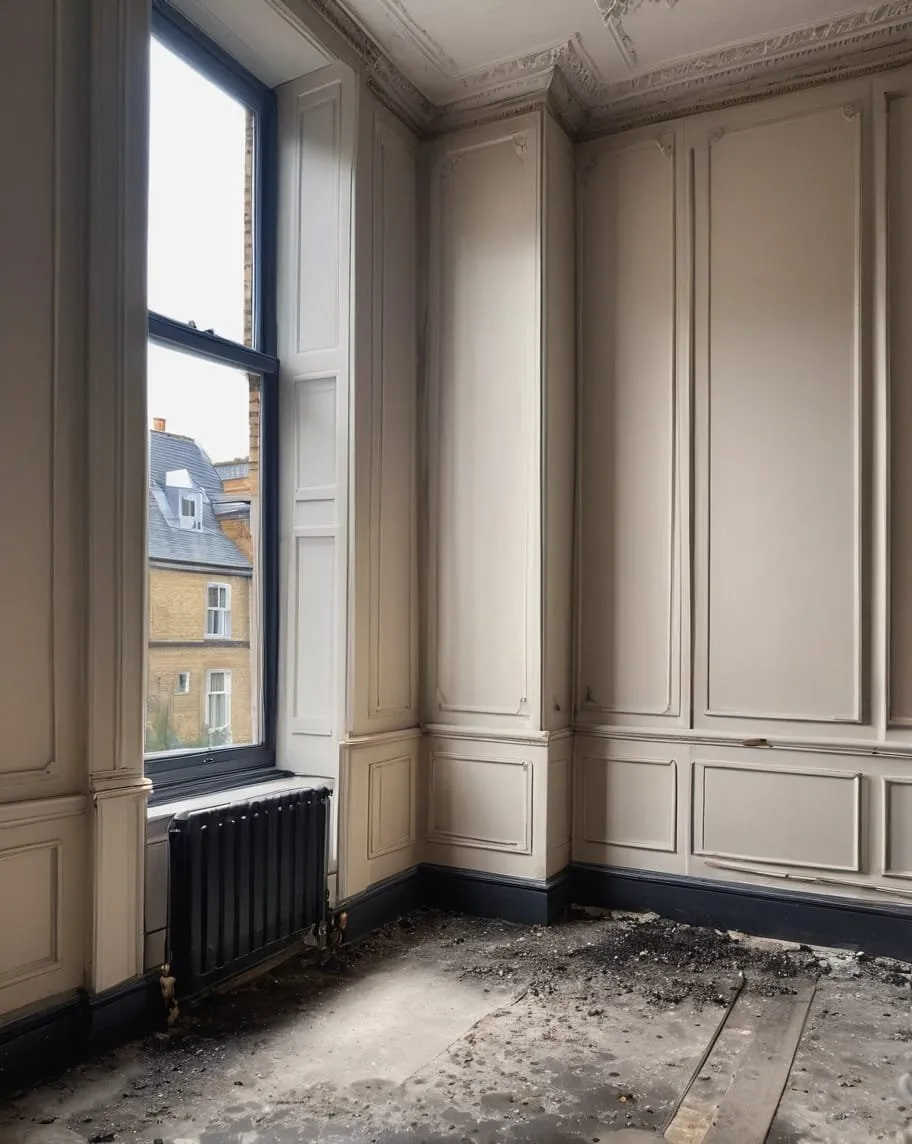
We distinguish what was reported from what was assessed
During the assessment, we consider the reachable surfaces, finish condition and relevant moisture evidence. If part of the wall remains concealed, we identify the limit. Our landlord assessment service allows the purpose of any written findings to be discussed before booking. The record should make clear which information came from the resident and which condition the visit considered.
This distinction helps the person arranging repairs use the findings accurately. A history of a leak is background; confirmation that its repair was completed needs its own information. Similarly, a recommendation for further investigation should not be filed as proof that the source has already been identified or corrected.
Treatment gets its own practical instruction
We explain which affected surfaces are proposed for remediation and why their material condition matters. Suitable anti-fungal applications may form part of the treatment. The mould removal service describes that work alongside moisture recommendations. Loose paper or damaged plaster may require another task, so treatment should not be described as restoring the whole room unless that wider work has been agreed.
The maintenance contact can then give the resident a concrete account of the visit: which surface needs access, what preparation is discussed and who approves the work. This is easier to organise than a general promise to sort everything, particularly when a different contractor will handle the source repair or decoration.
A useful repair brief separates the different stages
For example, a maintenance record might contain four separate entries: resident reports growth beside a window; assessment considers the wall finish and moisture history; surface treatment is proposed for the defined area; another moisture question still needs investigation. The entries describe different stages rather than imply that one booking completes them all.
We explain the relationship between those tasks in the service discussion. Where the source is uncertain, moisture inspection can be the next question to arrange. The person passing information to another contractor should include the relevant location and limit, not turn an unresolved question into a confident repair instruction. This helps the handover lead to the right task.
Talk through the property concern
The next contractor needs the material and outstanding question
If another person will repair or decorate the finish, pass on which surface was addressed and what remains to be considered. Our wall treatment page explains the difference between remediation and repairing damaged material. A treated patch and a sound wall beneath it are not interchangeable descriptions.
We discuss the surface condition so the commissioning contact can organise the follow-on work with an intelligible brief. Include preparation or access restrictions that still apply. The resident should know which task is being arranged next and who controls it, rather than receive a second appointment whose purpose appears identical to the first. Clear instructions make the maintenance sequence easier to follow.
Completion should be recorded separately from a recommendation
After work, retain the treatment areas and date. Add separate repair dates when those tasks actually happen. If the resident later reports a change, ask where it is and what has happened in the interval. We can discuss that account against the original assessment and treatment rather than repeat a proposal whose status is unclear.
Our approach supports the handover from observation to assessed question, from proposed treatment to completed work, and from remaining concern to another maintenance instruction. For a Barking rental, that gives the landlord or agent a record they can act on while keeping the resident informed about the room they use. A cleaner finish becomes one part of the history, alongside the other tasks that matter.
QUESTIONS FOR THIS VISIT
Before making arrangements
Should the resident decide the cause before reporting mould?
No. Their observations about location, timing and changes are useful without a diagnosis. We consider that account with the room condition. Keeping reported facts separate from an assumed cause helps the maintenance instruction answer the right question.
What should be passed to a repair contractor?
Identify the surface, the relevant findings or unresolved question, and any access limit. Include what was treated and what remains outstanding. A general statement that the mould was dealt with does not explain the next material or source task.
Does an assessment recommendation mean the repair is complete?
No. Keep the recommendation and the completion record distinct. The dates and description of actual repair work matter when reviewing a later change, particularly if surface treatment and source maintenance were arranged through different contractors.
Can treatment and decoration appear in the same maintenance record?
Yes, but keep their tasks identifiable. Explain which surfaces were treated, whether material repair was required and when decoration occurred. We discuss the treatment boundary so the next person does not assume every underlying finish was restored.
What helps if the resident reports a change later?
Give the location, a current room photograph and the dates of work completed in between. State whether the area was included before. We can discuss that evidence more usefully than a repeat report with no account of the maintenance sequence.
Nearby service enquiries
We also take enquiries in the surrounding areas. Call with the property’s address and affected rooms.
Turn the room report into a useful maintenance handover
For Barking rental work, share the resident’s observations and the maintenance history. We can discuss assessment and treatment, then explain the surface work and remaining questions so the next repair instruction is clear.