
LONDON PROPERTY CARE
Mould Remediation West Ham
We help clarify mould enquiries where the moisture source has not been established. For West Ham properties, we consider accessible surfaces and the history of the marks, then explain how assessment and treatment should fit together.
We separate observations from an established explanation.
- Review the pattern and timing
- Explain assessment limits clearly
- Link treatment to the findings
We make the uncertainty part of the brief
You can contact us without knowing whether a mark relates to condensation, a leak or another moisture concern. We ask what you have observed in the West Ham property and which part remains unclear. Describe the position, how the mark developed and whether growth is now visible. We do not require you to choose a diagnosis before discussing the service. The purpose of the enquiry is to identify a useful next step from the accessible evidence and history. Making uncertainty explicit helps avoid a treatment booking being based on a cause that was suggested casually but never assessed within the actual room.
Timing gives the mark a useful context
Tell us whether the appearance changes after rainfall, follows regular window moisture or began after a known incident. Mention repairs and decoration too. We consider these observations together rather than let one detail decide the whole explanation. The damp and moisture service can be discussed where investigation is the priority. A date and room location can be more helpful than a series of close-ups without context. If the history is incomplete, say what you know and what was reported by someone else. We keep that distinction visible, so an account of previous work does not become an unsupported finding about the current condition.
Accessible assessment informs the recommendation
We consider the affected material and relevant moisture observations within the agreed areas. Moisture readings, where part of the assessment, need context from the surface and history. We explain when access limits the conclusion or another question needs attention. If marks may relate to water entering through the building, our penetrating damp information helps frame that discussion. We do not claim that an inaccessible exterior or concealed space has been checked through a photograph of the room. A useful assessment states its limits and gives the responsible person a practical basis for arranging the next task where those limits matter.
Remediation is selected after the surface is considered
Once the treatment scope is understood, we explain the proposed approach to visible growth. This may include appropriate anti-fungal surface applications in relation to the material and assessment. Our mould removal service describes treatment alongside the moisture question. Loose decoration or damaged material may need a separate repair decision. We clarify the areas included before you agree. This keeps removal from being sold as an answer to every uncertainty in the building. It also ensures the work is based on the present accessible surface rather than the expectation that all marks can be dealt with through the same application.
We explain the relationship between tasks
Surface treatment, moisture investigation and correcting a source can have different purposes and different arrangements. We connect them in the plan while keeping their boundaries clear. Where condensation is relevant, the condensation treatment page explains the role of ventilation and room recommendations. Where a repair is outstanding, those recommendations should not distract from it. Tell us who will commission each task, especially if a tenant reports the condition and an agent organises work. Clear responsibility for the next step allows the service to support maintenance rather than produce an assessment that everyone reads differently and nobody acts on.
Keep the observation, question and action separate
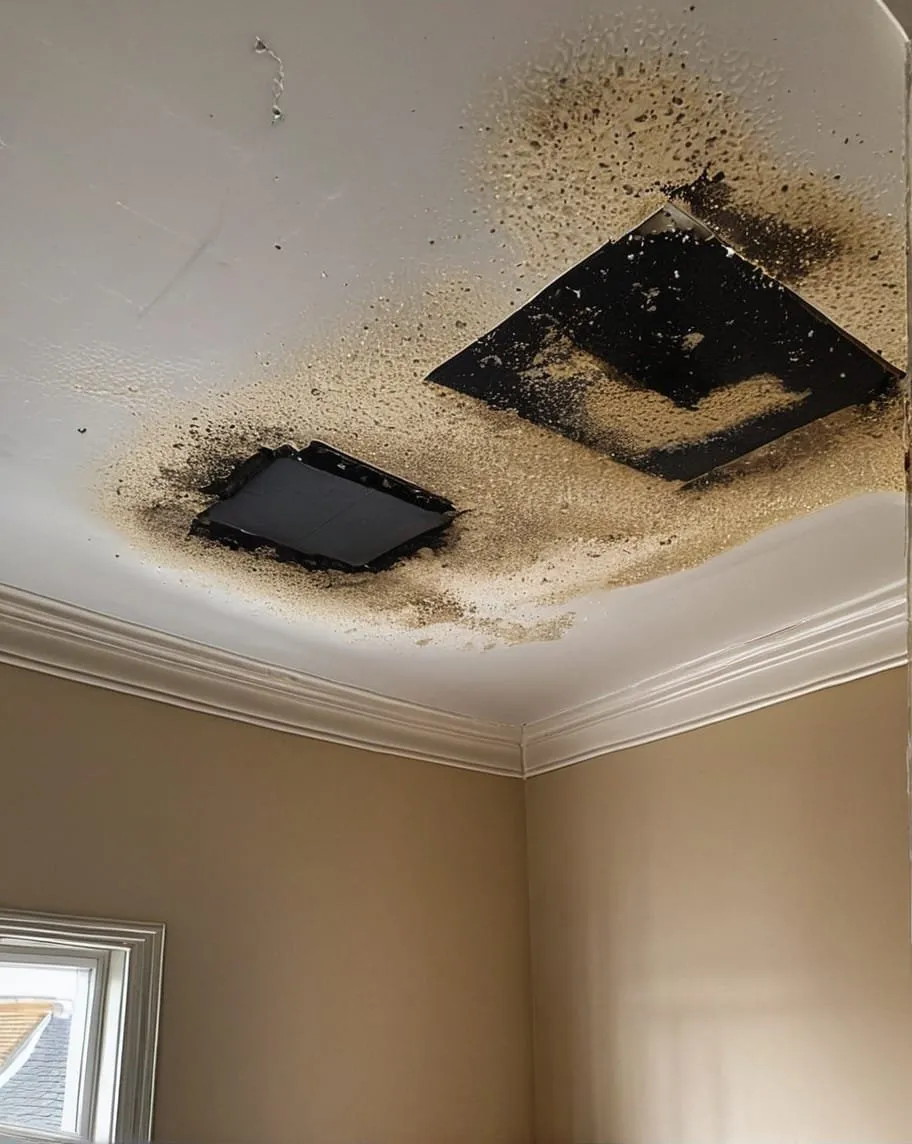
A useful record has three parts. First, describe what is visible: the position, affected finish and changes you noticed. Second, record what remains uncertain, such as whether water is still reaching the area after a repair. Third, state the proposed next action. We use the accessible assessment to explain the surface-treatment decision and identify any separate moisture or repair enquiry. Keeping those parts distinct helps you pass the information on without turning a possible explanation into a confirmed cause or confusing a recommendation with work already completed.
Nearby service enquiries
We also take enquiries in the surrounding areas. Call with the property’s address and affected rooms.
QUESTIONS FOR THIS VISIT
Before making arrangements
Can I enquire if I cannot identify the cause?
Yes. Describe the location and changes you have observed. We discuss the relevant assessment or treatment question without requiring you to diagnose the building first. State any previous explanation as background rather than a confirmed current finding.
Will you rely on a damp meter alone?
Moisture readings need interpretation alongside materials, history and access. We explain the assessment context and limits. A single reading should not be treated as a complete explanation of every mark or a substitute for the agreed scope.
What if the exterior cannot be accessed?
Tell us about that restriction in advance. The assessment should make clear which areas can be considered and what remains outside the visit. An inaccessible area should not be represented as fully checked by inference.
Can treatment happen without knowing every source detail?
Discuss the current surface and the purpose of the work. We explain the proposed scope and any unresolved moisture issue, so you can decide with that limitation visible rather than assume treatment has answered the whole source question.
Why keep earlier reports and repair dates?
They help distinguish what was previously observed, what work was completed and what is changing now. Keeping those details together makes a new enquiry more focused and avoids confusing an old recommendation with a completed repair.
Explain the uncertainty, then choose the work
For West Ham enquiries, tell us what you see and what has not yet been established. We can discuss an assessment or remediation scope that addresses the current question and leaves its limits clear.