
LONDON PROPERTY CARE
Mould Remediation Poplar
When several rooms show mould, we help organise the enquiry without treating every patch as the same problem. For Poplar properties, we assess the accessible surfaces and explain how the work can be scoped around each affected space.
A room list supports an explained treatment scope.
- Separate room conditions clearly
- Define the surfaces to be treated
- Identify shared and distinct questions
We organise the rooms before choosing the scope
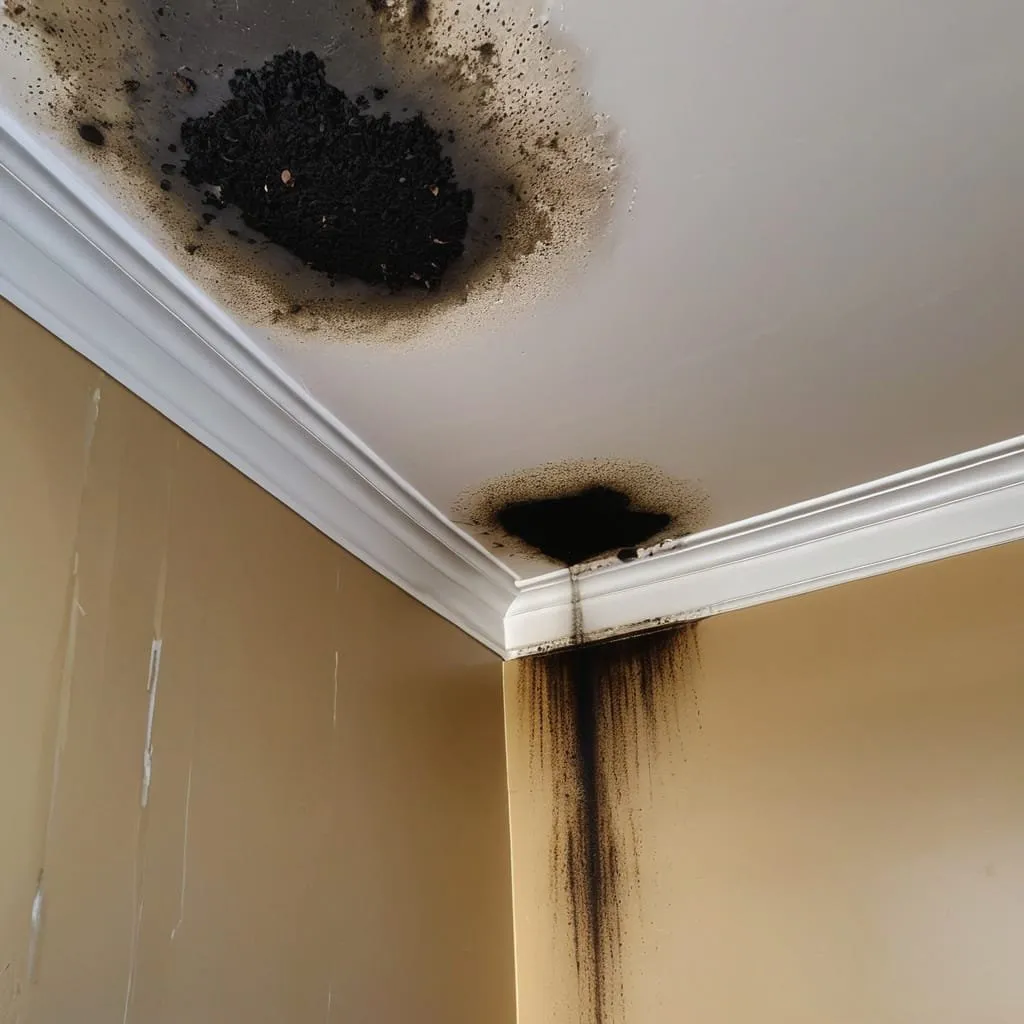
Several affected rooms can make a property enquiry feel much larger than it is. We begin with a simple room list for your Poplar address. Tell us where growth appears, whether the pattern is similar and what you know about each space. A bathroom ceiling, bedroom wall and window reveal should remain identifiable rather than become one combined measurement. We use those details to discuss the appropriate assessment and treatment. If one room is the immediate priority, explain why. That lets us consider a focused scope while retaining the wider history, so a practical starting point does not hide another relevant moisture concern in the building.
We compare patterns without assuming a shared cause
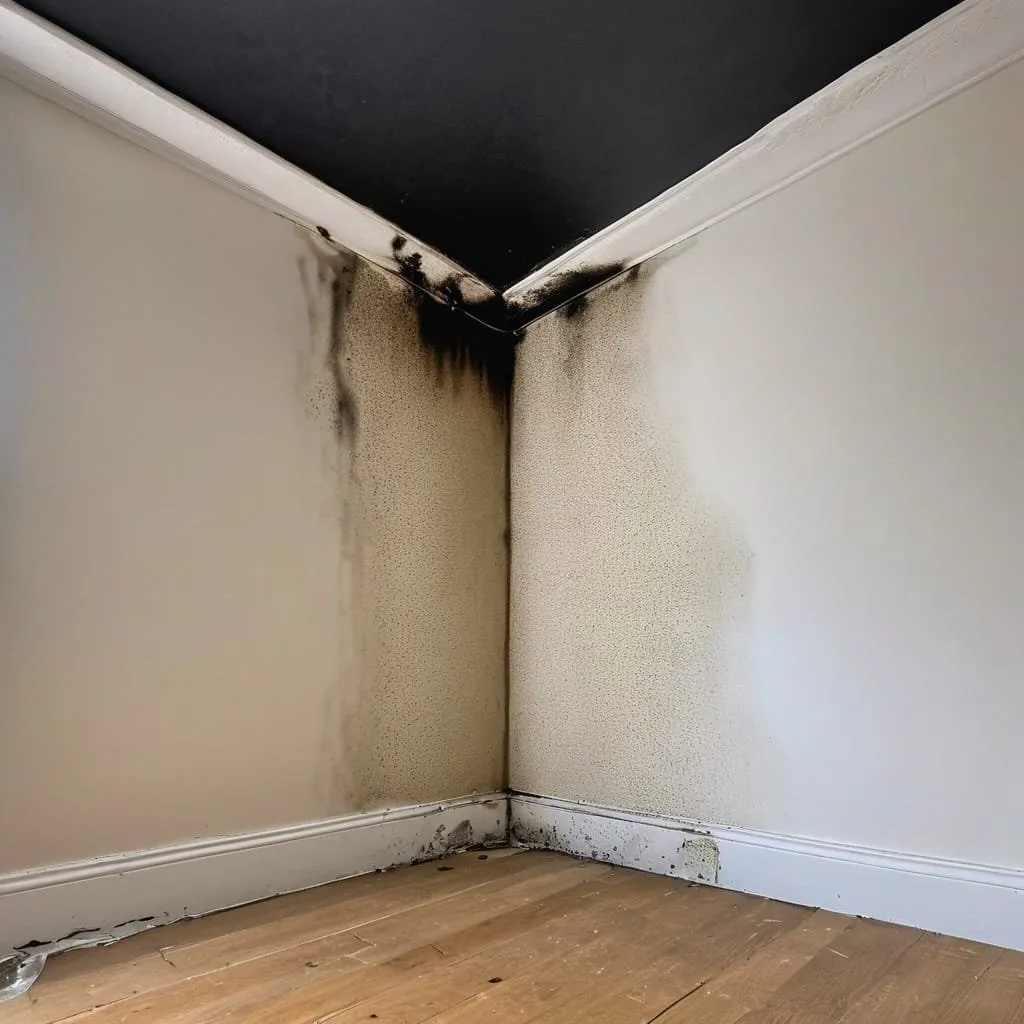
A similar appearance in two rooms does not prove the same conditions are responsible. We ask whether the marks developed together, change at different times or followed separate events. Where the source question needs investigating, our moisture inspection service can be discussed. We consider accessible materials and relevant observations rather than apply one label to the entire property. If evidence points to a connected issue, we explain that relationship. If it remains uncertain, we identify the limit. This approach makes the room list useful for deciding the work, not simply a way to add up patches for a quotation.
Each surface needs its own treatment conversation
Appropriate anti-fungal treatment can form part of the remediation for assessed surfaces. We explain the application approach and preparation in relation to each material. Keeping that detail with the room list helps you understand the actual work, rather than receive a whole-property description that hides differences between finishes.
We look at the condition of the finishes involved. A firm painted ceiling and a wall with loose paper may need different preparation and repair decisions. The ceiling treatment page explains questions specific to overhead surfaces, while wall remediation covers the distinction between treating growth and restoring damaged material. We clarify which surfaces the proposed work includes. Do not assume an entire room is being redecorated because one surface is treated. Separating the material questions helps you arrange subsequent trades and understand why a single whole-house description may be too vague to compare with another proposal.
Agree which rooms are ready for the proposed work
A room with accessible affected surfaces and an explained repair history may be ready for a treatment proposal, while another room still has an unresolved moisture concern or obstructed access. We record those differences instead of treating the property as one undivided job. The proposal should identify the rooms and materials included, preparation needed for each and questions that remain outside that work. This helps you decide whether to arrange the agreed treatment first or resolve an outstanding repair or access issue before including another room.
We connect treatment to practical prevention
Once the surface work is understood, we explain the moisture-related issues that deserve attention alongside it. For a room where condensation is supported by the evidence, our condensation service provides further context. Other rooms may have different repair questions. We do not offer a single household instruction as a guaranteed answer for the whole building. The useful part of the discussion is knowing which recommendation belongs to which room and who can act on it. That is particularly helpful where an owner, occupant and property manager share the maintenance tasks but do not share day-to-day observations of every space.
Why a clear room record supports follow-up
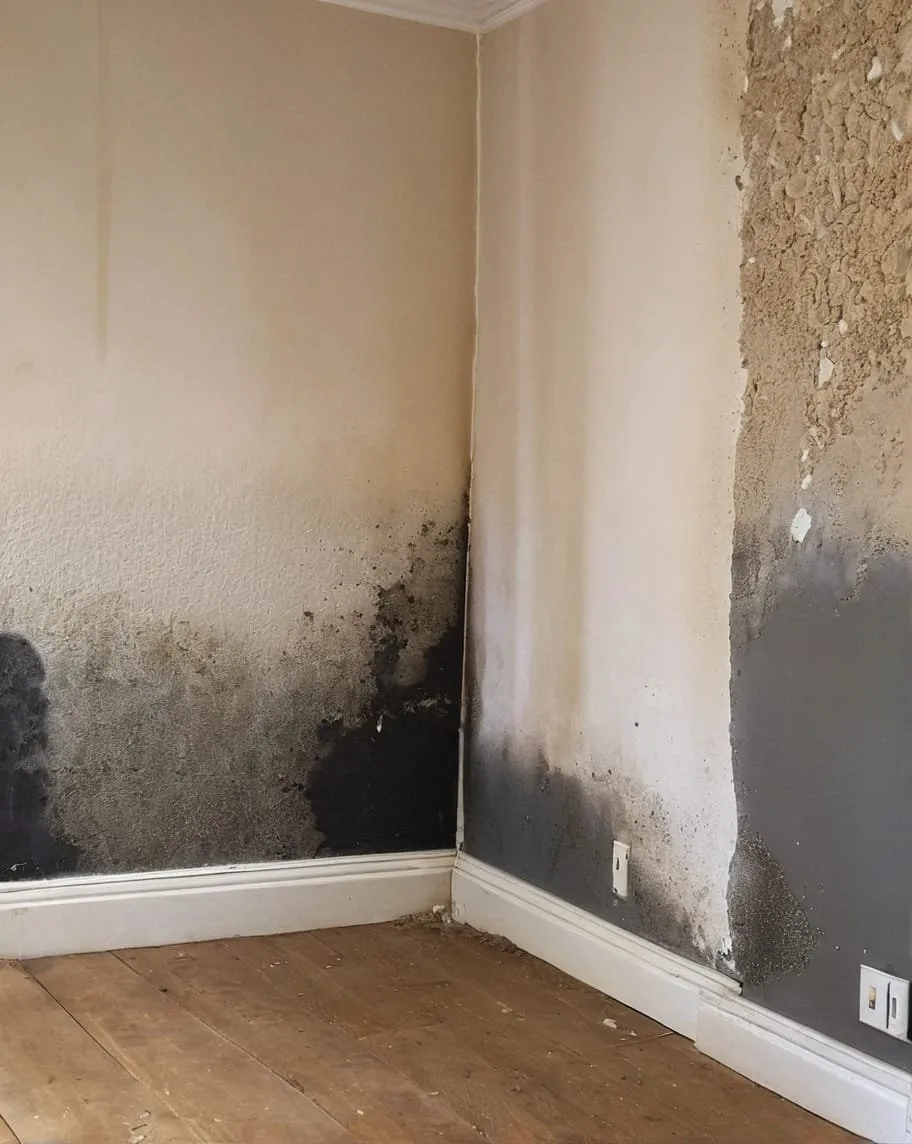
Our service helps turn a broad concern into a scope that can be understood and acted on. Keep a record of the rooms included, the surfaces addressed and any separate tasks left to arrange. After work at a Poplar property, a later report should identify whether the change is in an included area or a previously unaffected room. Add the dates of completed repairs and current photographs showing the surroundings. This lets the next conversation focus on the difference. It also helps you avoid judging all work by one remaining patch when that patch may sit outside the original scope or relate to an unresolved source question.
QUESTIONS FOR THIS VISIT
Before making arrangements
Do all rooms need to be included in one visit?
Discuss the room list and your priority. A focused scope may be appropriate, but the wider observations should still be shared. We explain the agreed areas rather than assume the entire property is covered.
Should I measure every patch before calling?
A clear description of the rooms, surfaces and access is a useful start. Measurements alone do not show material condition or the moisture history. Wider images can help explain the layout without turning the enquiry into a survey.
Can the bathroom and bedroom need different work?
Yes. Surface condition and room history can differ. We discuss the relevant assessment and preparation for each rather than infer that similar-looking growth always has one cause or requires an identical scope.
What happens if a room is inaccessible?
State that limit in advance. The work and findings should reflect the areas that can actually be entered. An inaccessible room should remain an outstanding question, not be represented as checked through assumptions about another space.
How should we track the work afterwards?
Keep a room-by-room record of treatment and related repairs. If growth is reported again, identify the surface and what changed since completion. This makes the follow-up more precise than a general statement that the property still has mould.
Nearby service enquiries
We also take enquiries in the surrounding areas. Call with the property’s address and affected rooms.
Give us the rooms, not just the total area
For Poplar enquiries, describe each affected room and its access. We can discuss a practical scope and show how assessment, treatment and separate maintenance decisions fit together across the property.