
LONDON PROPERTY CARE
Mould Remediation Forest Gate
We help you plan the mould work before a fresh finish is applied. At a Forest Gate property, we consider the accessible material and moisture history, then explain remediation and any separate questions that should guide the decorating sequence.
A fresh finish should follow an understood work plan.
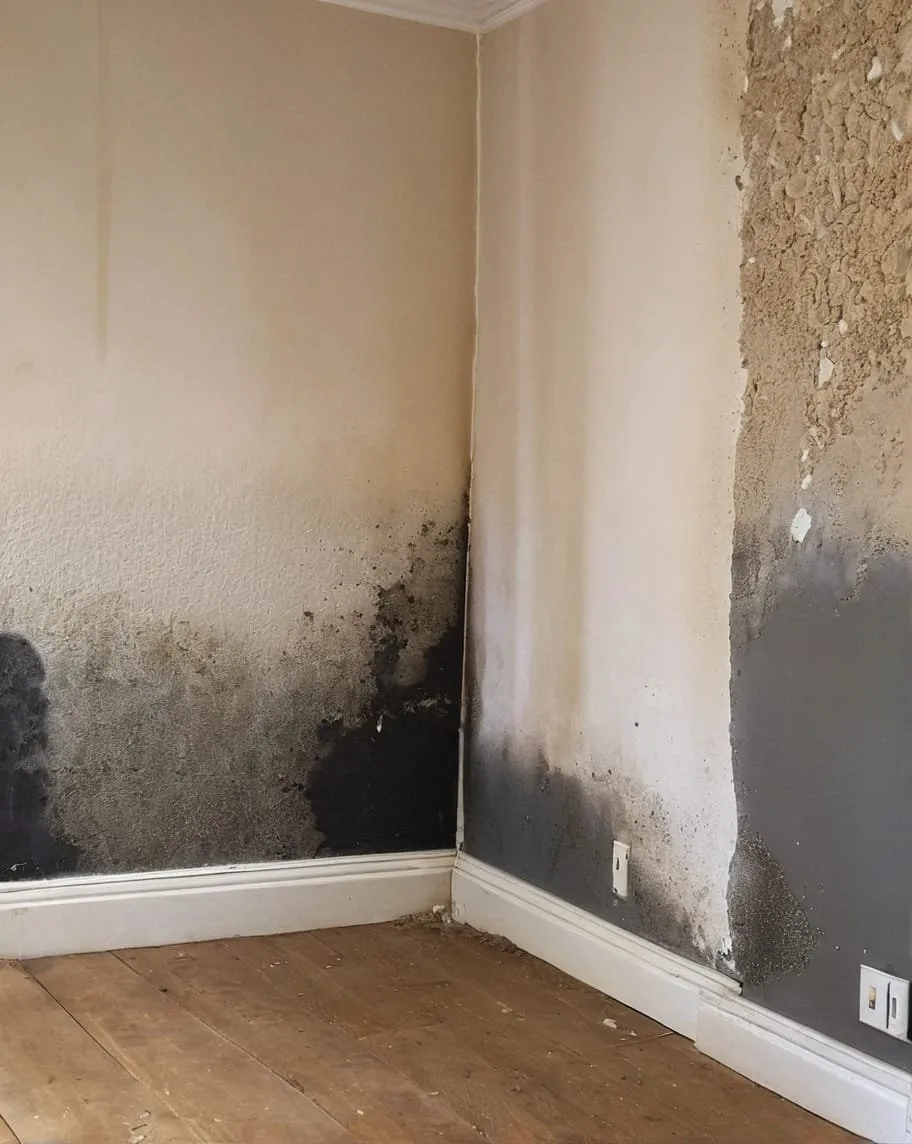
- Assess the existing affected finish
- Explain treatment before decoration
- Keep outstanding repairs in view
We establish what the decorating job is waiting for
If you are planning to repaint or repaper, tell us why mould treatment has become part of the project. The surface may show active growth, an old stain, peeling decoration or a patch with an uncertain moisture history. Those are different descriptions. For Forest Gate enquiries, we ask what you need to understand before the decorator’s work proceeds. We use the room history and accessible condition to discuss the relevant service. This prevents a decorative deadline becoming the only reason to choose treatment. The surface and moisture questions should shape the work, even when the wider project has a schedule already in place.
We consider whether the existing finish is sound
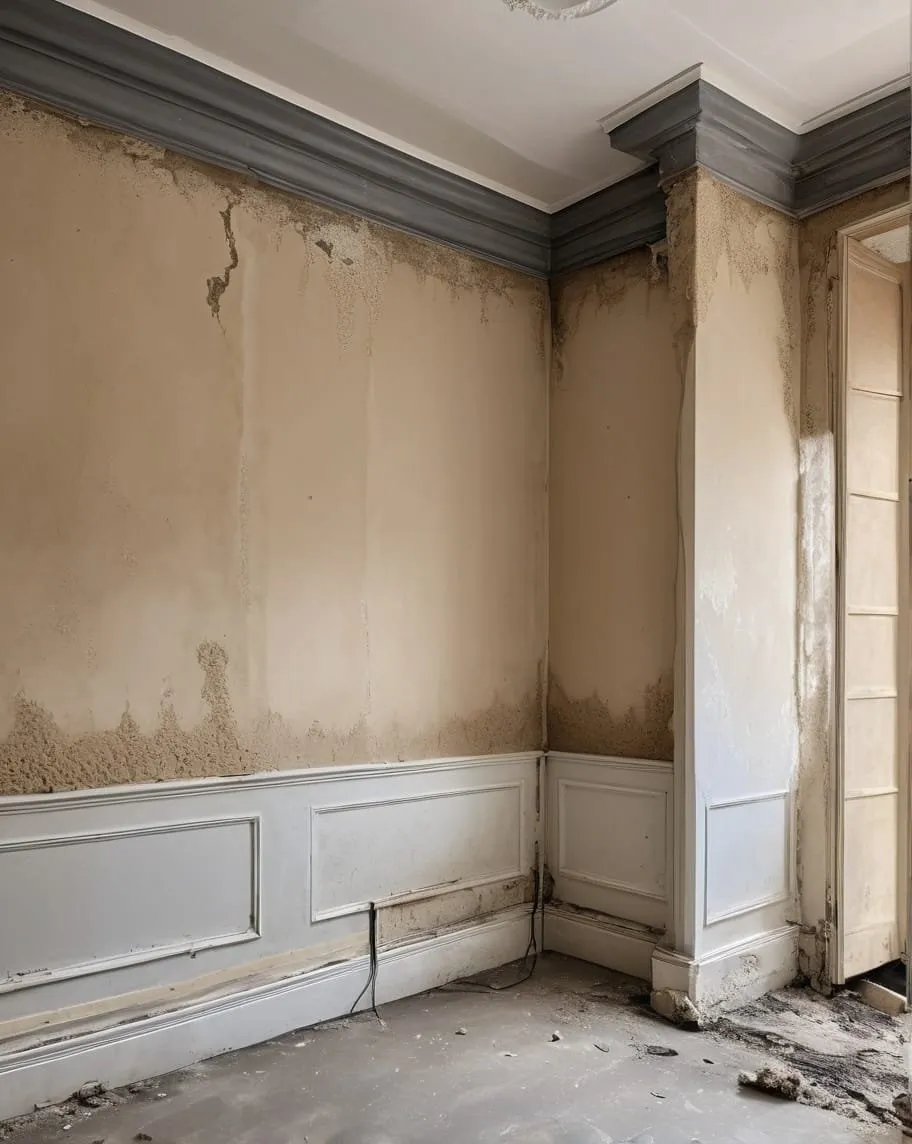
We assess accessible paint, paper and plaster, explaining how their condition affects the remediation discussion. Loose or damaged material may need a separate repair or replacement decision. Our wall treatment page describes the difference between surface remediation and restoring the material beneath the finish. Tell us about deterioration without pulling the finish away to make the enquiry. If a concealed area needs access, establish that as a separate part of the plan. The decorator should not be asked to proceed on the assumption that treating visible growth automatically makes every underlying material sound or removes the need to consider earlier water damage.
Moisture uncertainty should not be painted over
We ask about previous leaks, recurring window moisture and any pattern that changes with weather. Where the source remains unclear, a moisture inspection can be discussed before the decorating stage. The aim is to answer the relevant question using accessible areas and history, not simply approve a wall from its appearance. We explain any remaining limit, including concealed material or an inaccessible connected space. If a building repair is needed, it should remain identifiable in the project. A fresh coat of paint may improve the look, but it should not be treated as evidence that an unanswered source question has disappeared.
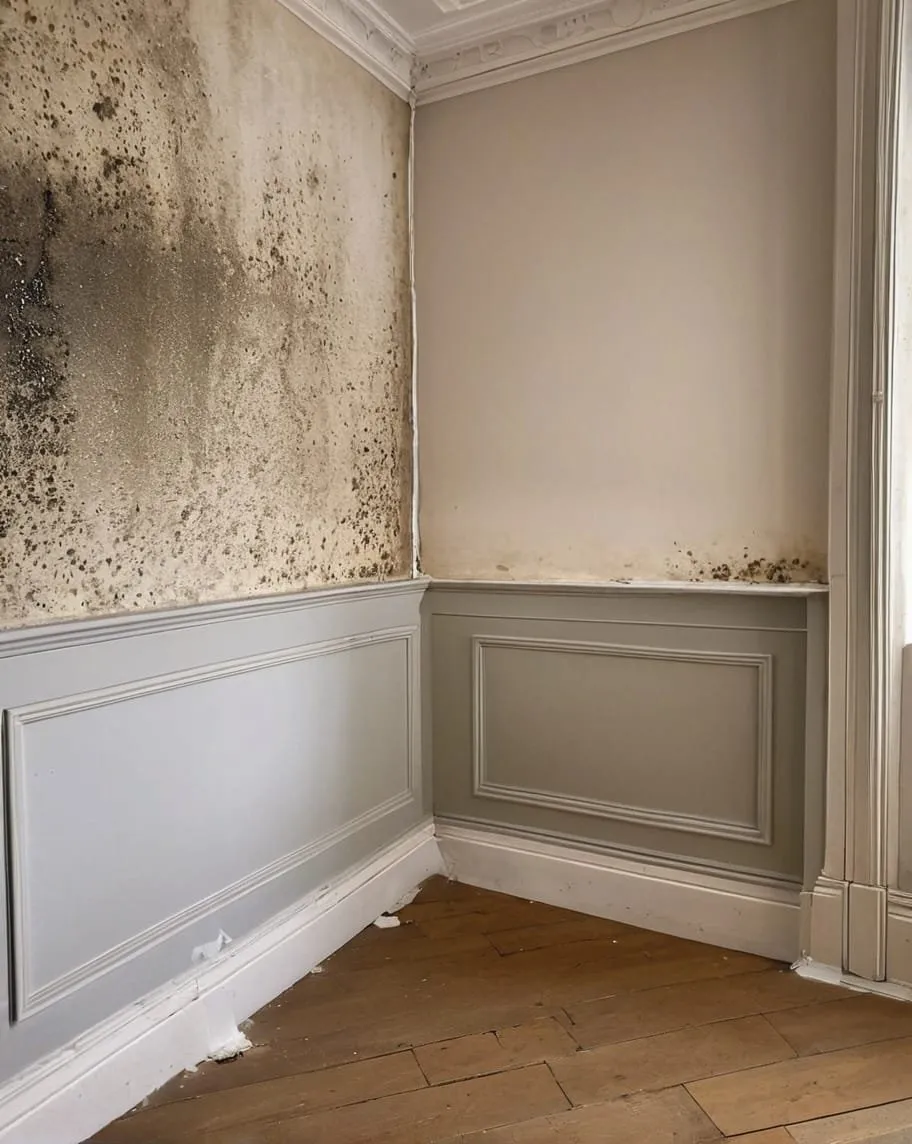
Talk through the property concern
Treatment is explained in relation to the finish
The proposed remediation can include appropriate anti-fungal surface treatment, based on the material and assessment. We explain the included areas and relevant preparation before agreement. Our mould removal overview describes why treatment and moisture recommendations belong together. Decoration is a distinct task unless it has specifically been agreed within a wider scope. Ask about the treatment boundary so the next contractor receives a clear account of what was done. This is particularly useful where a quotation uses a broad phrase such as make good, which can mean very different things to the owner, remediation provider and decorator.
We help keep the work sequence understandable
Share the other planned tasks and who is arranging them. We discuss how remediation fits around source repairs, material decisions and access, rather than presume that every stage can happen in one visit. If the affected finish is overhead, the ceiling treatment service provides more focused context. Each contractor should understand their own brief. We explain what our proposed work covers and identify related issues that need another arrangement. This gives you a basis for coordinating the project without turning the mould visit into an unspoken promise to complete the whole room or sign off work that sits beyond the agreed assessment.
Why a clear handover protects the next decision
Our service connects treatment to the surface condition, so you can give the next person a more useful brief. Keep the scope and any findings with the Forest Gate property record, along with repair and decoration dates. If the finish changes later, note whether the mark appears in a treated area and what work happened between visits. That record helps distinguish new deterioration from an outstanding maintenance issue. We can discuss the follow-up against what was actually included, rather than judge the whole sequence from one photograph of newly painted walls. Good coordination depends on clear tasks, not on treating a decorative result as an answer to every moisture question.
QUESTIONS FOR THIS VISIT
Before making arrangements
Can I book treatment just before the painter arrives?
Explain the project sequence and current condition before fixing arrangements. A moisture or material question may need attention first. The appropriate order should follow the assessed work, rather than assume every surface is ready for the next stage.
Does treatment include a new finish?
Clarify the scope before agreement. Surface remediation and decoration are distinct tasks, and damaged material can raise another repair question. The person arranging painting should know exactly which areas were addressed and what remains outstanding.
What if I have already painted over the mark?
Tell us when, why and whether growth has reappeared. Earlier photographs and repair details help provide context. We consider the current accessible condition without assuming new paint proves that the underlying question has been resolved.
Should the decorator remove damaged paper first?
That needs a clear project and access arrangement. Do not assume stripping is included in a treatment visit or undertake it simply to make an enquiry. Discuss material condition and responsibilities before the sequence is fixed.
What should I keep in the project record?
Retain the treatment scope, separate repair dates and decoration details. If another concern appears, identify the location and what changed between stages. Those facts help a follow-up address the relevant part of the work.
Plan the mould work before the fresh finish
Tell us the affected surfaces and the next stage planned for your Forest Gate property. We can discuss remediation, moisture assessment and the material questions that need clarity before decoration proceeds.
Nearby service enquiries
We also take enquiries in the surrounding areas. Call with the property’s address and affected rooms.