
LONDON PROPERTY CARE
Mould Remediation Bow
We help Bow property owners turn a visible mould problem into a defined piece of work. We examine accessible surfaces, discuss the moisture history and explain the proposed treatment before you decide how to proceed.
You can ask about the scope before agreeing to work.
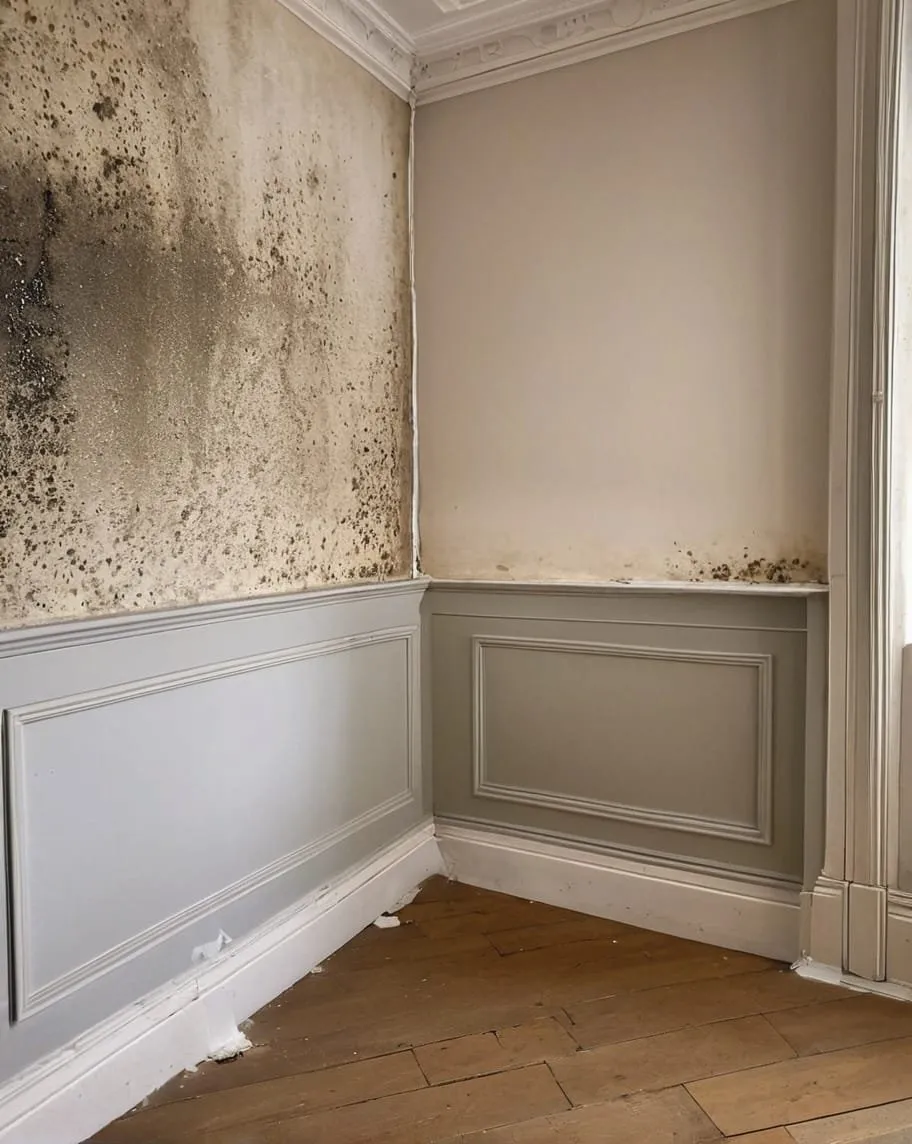
- Identify the surfaces included
- Explain preparation and access
- Keep repairs distinct from treatment
A useful enquiry starts with the work you need
When you contact us about a Bow property, we ask which rooms are affected and what you want the visit to establish. You might need visible growth treated, help understanding a damp patch, or a plan before decorating. Those requests overlap, but they are not identical. We use the conversation to identify a sensible starting point rather than offer every service together. Tell us whether anyone has already inspected the problem and whether a repair is planned. A short account of the room and its recent history gives us more useful information than an estimate based only on the darkest part of a photograph.
We look at the surface as well as the mark
The condition of the material influences the work. We consider accessible paint, plaster, wallpaper and nearby finishes, and discuss whether the visible problem extends beyond the area you first noticed. Sound decoration and a loose, damaged finish raise different preparation questions. Our wall mould removal service explains why those distinctions matter. We do not ask you to strip a wall simply to make an enquiry. Where a fitted item conceals the surface, we explain what can be assessed without moving it and what would require a separate access arrangement. That limitation belongs in the plan, not in small print after a visit.
Moisture questions come before a decorative promise
We ask how the marks developed, whether the surface feels damp and whether the room has experienced a leak or persistent window moisture. These details help us decide when treatment needs to be linked with further investigation. If the source remains uncertain, moisture inspection can address that question. We distinguish an observation from a confirmed cause: a wall next to a window is not automatically a condensation problem. Where the available evidence is limited, we say what remains uncertain. This helps you arrange the relevant next step without paying for a decorative improvement that leaves the same moisture concern unanswered.
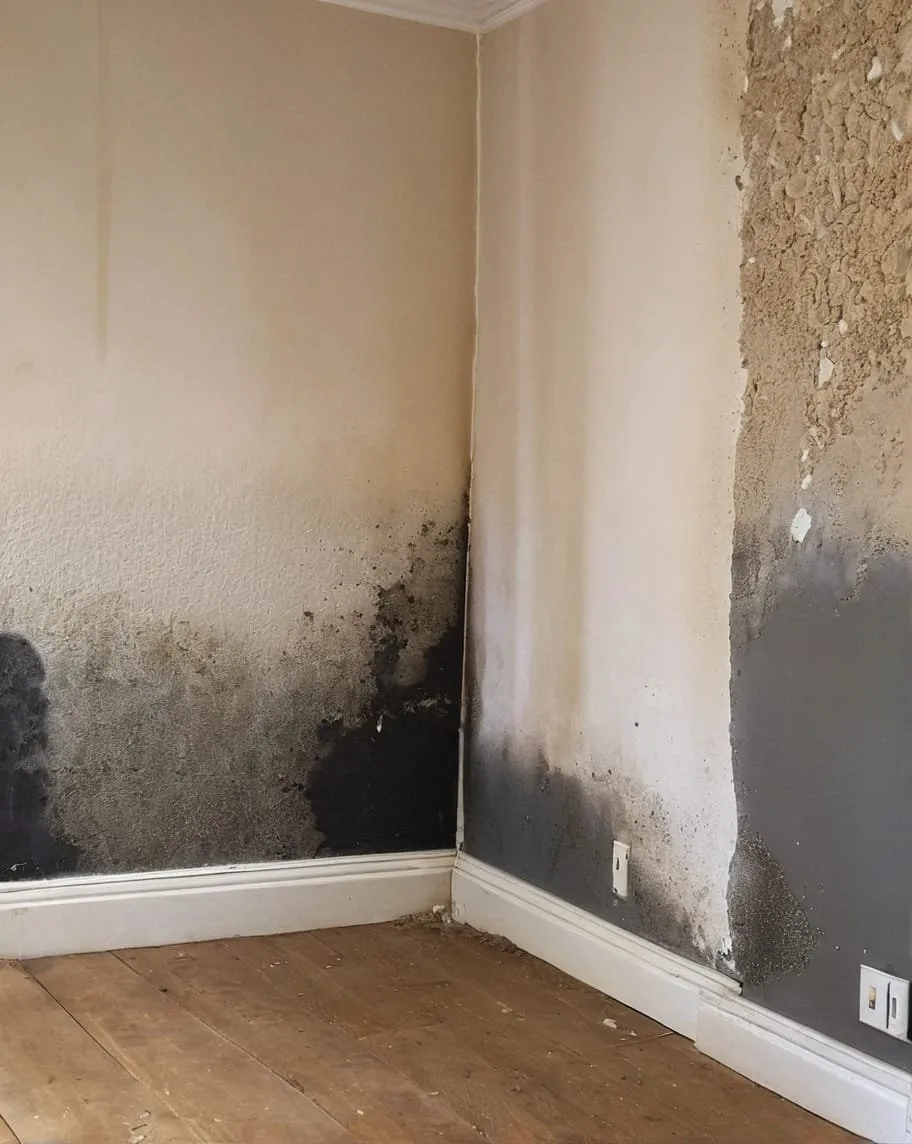
Talk through the property concern
Agree which surfaces the proposal covers
If you can see mould on a painted wall beside a window, describe both the patch and the adjoining surfaces. We assess the accessible materials before proposing treatment. Our proposal should make clear whether it concerns the wall finish, the window area or both, and explain any damaged material that needs a separate repair decision. This gives you something concrete to approve. It also helps you arrange access to the affected surface without assuming that treating one patch includes every nearby finish or the repair of the window itself.
Before work is agreed, the conversation should establish the rooms, surfaces and practical access included. We explain how the visible growth relates to the proposed remediation and which associated tasks need a separate decision. Painting a whole room, replacing damaged plaster and repairing a leak should not be assumed to be part of a mould removal visit. Read our mould removal overview if you are comparing those tasks. A clear boundary is useful even for a small patch because it lets you compare like with like. If further damage becomes apparent, it should be discussed rather than silently folded into an unrelated job.
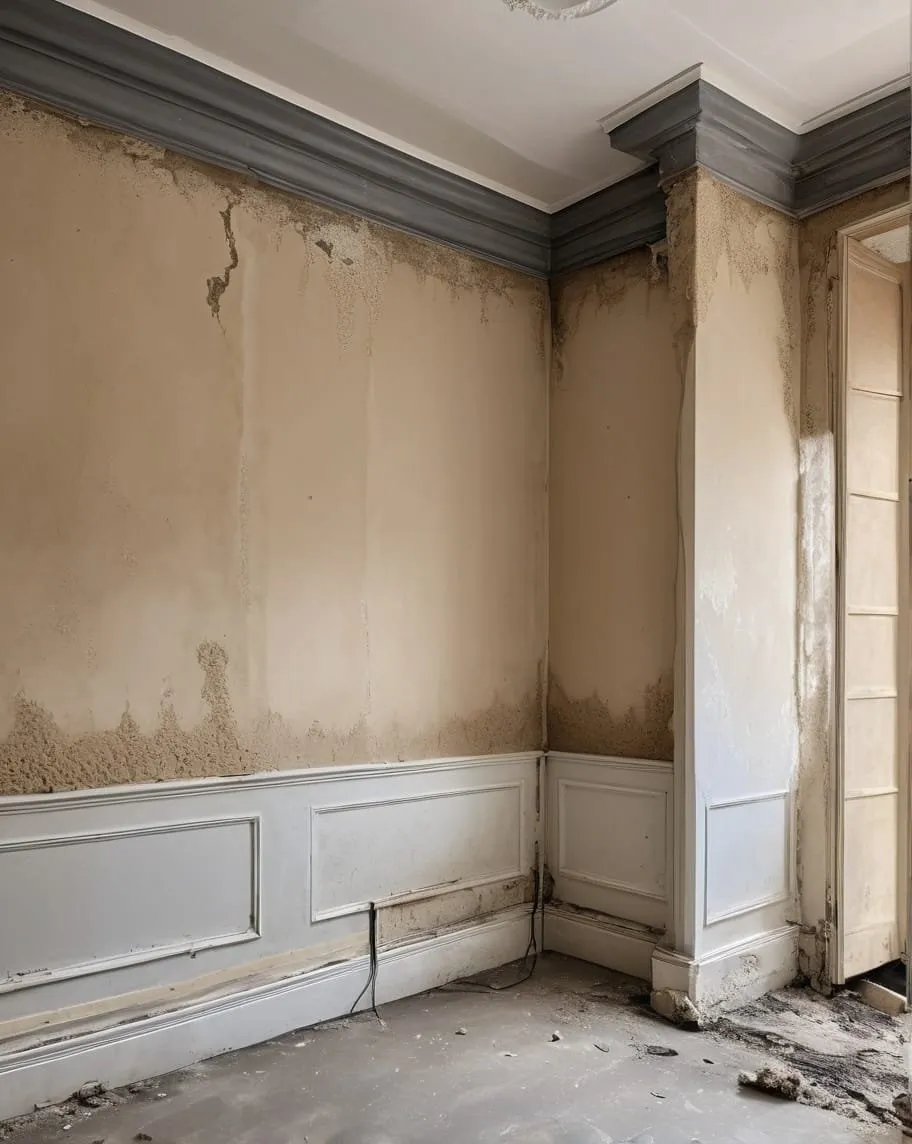
Preparation should suit an occupied property
We talk about the space around the affected area before asking you to rearrange the room. Beds, desks, stored belongings and fitted cupboards may affect access in different ways. Explain what can reasonably move and who has permission to authorise it. We can then discuss preparation for the proposed work and any limits that need resolving first. In a rental, the person arranging the visit may not be the person opening the door. We establish those contacts so the occupant receives the relevant information. Keep questions about use of the room and belongings together with the agreed arrangements rather than relying on generic clearance advice.
Our value is a plan that connects the tasks
We bring surface treatment, moisture assessment and practical prevention questions into the same discussion. That is useful when you need to decide whether to book remediation now or resolve another issue first. We explain the reason for a recommendation in terms of your property, not a promise that every wall will behave the same way. The condensation treatment page covers one possible route where the evidence supports it. After work, keep the agreed scope and record any separate repairs. If you later report a new mark, those details help us distinguish the treated surface from a different area or an unfinished maintenance task.
QUESTIONS FOR THIS VISIT
Before making arrangements
Can you quote from one close-up?
A close-up can show visible growth, but it may hide the material, room layout and access. We discuss those points before treating the image as a complete brief. Wider photographs and repair details help clarify the enquiry.
Does a treatment visit include repainting?
Do not assume that it does. We explain the proposed surface work and identify decoration or material replacement that needs a separate agreement. This allows you to organise the follow-on job around the actual condition.
What if a cupboard blocks the affected wall?
Tell us whether the cupboard is fitted or movable and who can approve access. We discuss the limits before the visit. Do not dismantle furniture or disturb a damaged finish simply to expose it for a photograph.
Why ask about an old leak if the wall looks dry?
The incident and repair dates provide context for the surface condition. They help us understand what has changed, while keeping an earlier explanation separate from the findings of the current assessment.
Who should approve work in a rented Bow home?
Identify the responsible contact when enquiring, along with the occupant who can provide entry. We need clear arrangements for permission and scope; the person reporting mould may not have authority to commission every related repair.
Discuss a scope you can organise around
Tell us the room, the condition of the finish and any access restriction. We can discuss the appropriate service and the questions that need resolving before treatment, so the work you agree matches the property concern.
Nearby service enquiries
We also take enquiries in the surrounding areas. Call with the property’s address and affected rooms.