
LONDON PROPERTY CARE
Mould Remediation Stepney
A damaged finish needs more than a quick decision based on its colour. We assess accessible mould-affected surfaces in Stepney, discuss the material underneath and explain where treatment ends and another repair may begin.
Material condition informs the proposed work.
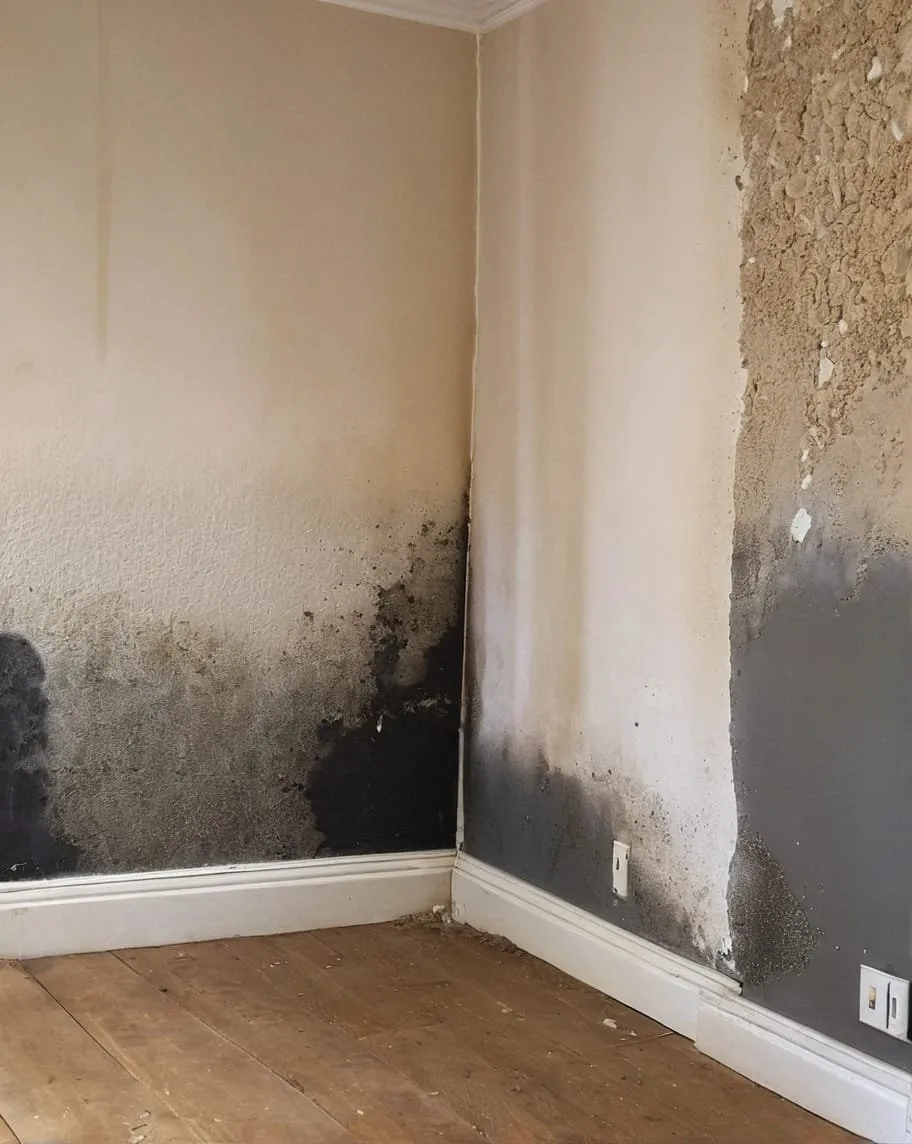
- Consider paint, paper and plaster
- Discuss loose or damaged finishes
- Plan treatment before decoration
We ask what is happening to the finish
When mould appears on a wall, its colour often attracts attention before the condition of the material does. We ask whether paint is firm, wallpaper is lifting or plaster has changed in appearance. For a Stepney property, these observations help define the surface enquiry. You do not need to test the wall or pull off a finish to answer. Describe what you can see and whether the condition is spreading. A wider photograph can show the transition between affected and apparently sound material. That helps us discuss the job without assuming that all of the visible area can be treated in the same way.
Treatment and material repair need separate decisions
Where the assessed finish is suitable, we can propose anti-fungal surface treatment as part of remediation. We explain why that approach fits the accessible material. A deteriorated finish may lead to another repair discussion, so the application is selected with the material beneath the growth in mind rather than offered before its condition is considered.
We explain the difference between addressing visible growth and restoring the complete wall finish. If material is loose or deteriorated, a separate repair or replacement may need discussion. Our wall remediation service covers those questions. We do not conceal the distinction by describing every task as cleaning. Ask which surfaces the proposed work includes and whether decoration is excluded. Knowing that boundary helps you plan subsequent work in the right order. It also avoids a decorator arriving with the expectation of a sound underlying material when the underlying material concern has not yet been considered by the person arranging repairs.
We investigate the history behind the damage
Tell us when the finish first changed and whether a known leak or other water incident preceded it. Where the source is uncertain, damp and moisture assessment may be the more appropriate first service. We consider that information with the accessible surface instead of assuming damaged plaster proves one specific cause. Previous repairs matter too: a newly painted wall can hide the earlier outline without explaining what changed. We ask about the timing because it helps distinguish the current concern from old decoration. If access or available evidence limits a conclusion, we explain what still needs checking rather than promising certainty from appearance alone.
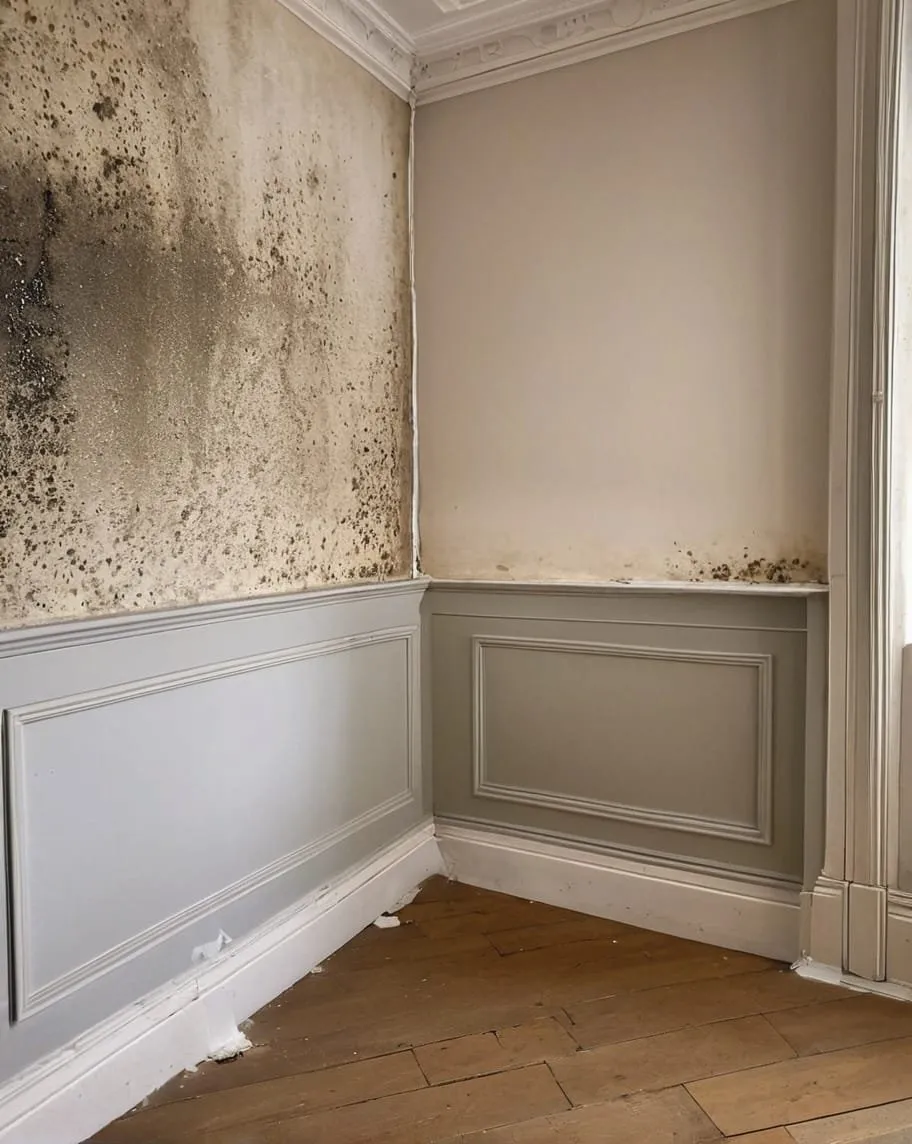
Concealed areas are handled honestly
Wallpaper, fitted storage and furniture may prevent a full view of the surface. We discuss what can be assessed as it stands and what access would be needed for a further check. You should not remove finishes or dismantle fittings merely to support the first call. Our mould removal overview explains why the visible area and the agreed treatment area need a clear relationship. If another contractor is responsible for opening up or repairing a surface, establish that separately. A careful plan states what was reachable; it does not suggest a wall has been fully assessed when part of it remained behind a fixed unit.
Tell the decorator what remains to be done
We explain whether the wall finish needs a separate repair so your decorator knows what remains to be done. A mould-treatment proposal should identify the surfaces included and any damaged material that needs another decision. Pass that information to the person arranging repairs or decoration. They can then assess the actual finish rather than assume that mould treatment has repaired the wall or made it ready for paint. If the growth is near glazing, our window mould treatment page discusses the adjacent materials and room conditions that can matter.
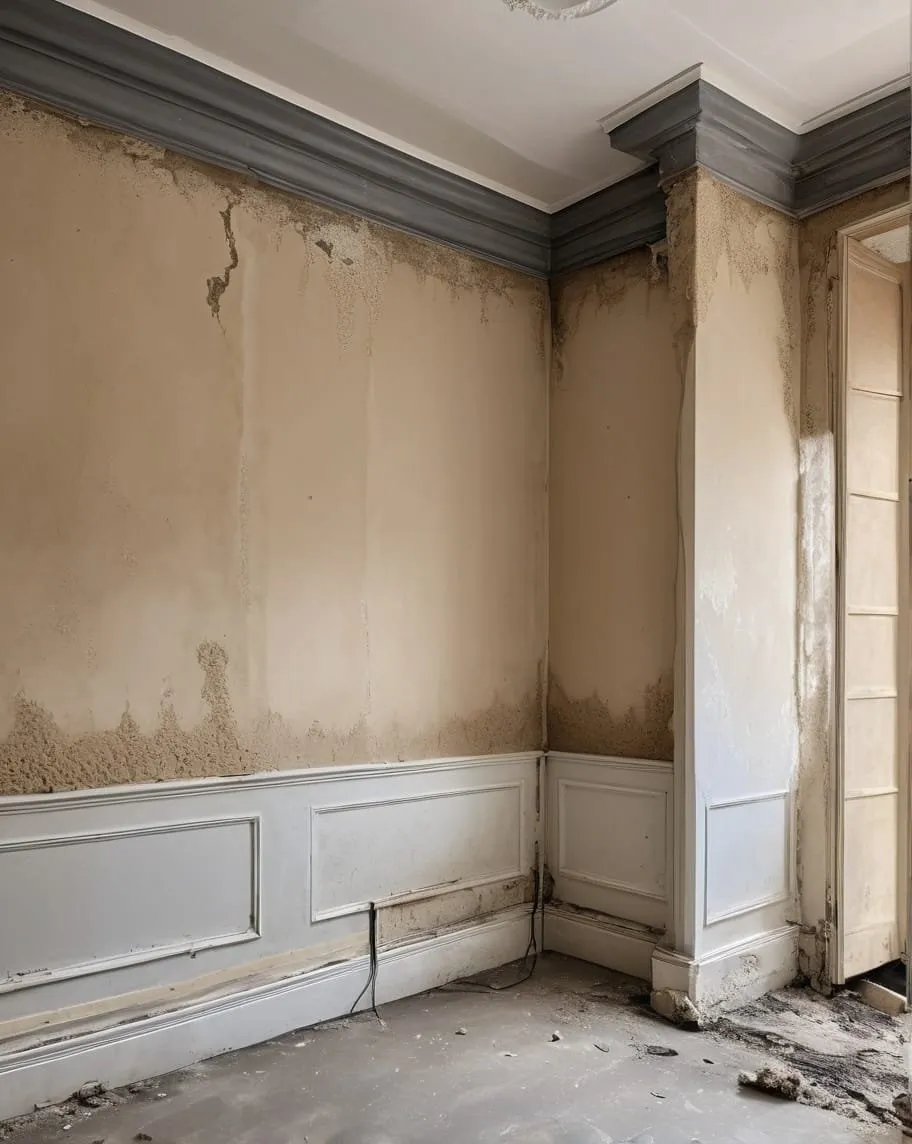
Why attention to materials makes our service useful
We bring the surface condition into the conversation early, rather than discussing removal as if every wall were intact. That helps you understand whether the job is a focused treatment or part of a wider maintenance sequence. For Stepney enquiries, we discuss preparation and access with that sequence in mind. After work, keep the scope alongside any separate material repairs and decoration dates. If something changes later, describe whether the growth, damp appearance or finish deterioration has returned. Those are different observations. A precise record supports a better follow-up conversation and helps the responsible person decide which part of the maintenance plan needs attention.
Nearby service enquiries
We also take enquiries in the surrounding areas. Call with the property’s address and affected rooms.
QUESTIONS FOR THIS VISIT
Before making arrangements
Should I peel back lifting wallpaper?
Discuss it first. A lifting edge is useful information, but removing a finish is a separate task. Tell us how much is affected and whether the material is damaged without disturbing it to make the enquiry more detailed.
Is damaged plaster always included in remediation?
No. We explain which surface work is proposed and whether plaster repair or replacement needs another agreement. Clarify that distinction before comparing a treatment scope with a quotation for a complete wall restoration.
Can new paint hide a problem you need to know about?
It can change what is visible, so tell us when and why the wall was painted. Earlier photographs and repair dates can provide context. We assess the current accessible condition while keeping the previous history in view.
Do you assess behind fixed furniture?
Explain the arrangement in advance. The accessible areas can be considered within the agreed visit, but a concealed surface should not be described as checked unless access has actually been arranged and included.
What should I tell a decorator afterwards?
Pass on the surfaces included in the mould-treatment proposal and any outstanding material or repair question. The decorator should assess the actual finish before deciding what preparation or decoration is suitable. Mould treatment does not by itself confirm that damaged wall material has been repaired.
Talk about the wall beneath the mark
Describe the finish, what has changed and any repair history at your Stepney property. We can discuss assessment and treatment with the material in mind, so the next task is based on more than the visible stain.