
LONDON PROPERTY CARE
Mould Remediation Mile End
For a Mile End home, we connect the visible mould with the room around it. Our assessment and treatment discussion explains what can be addressed on the surface and what may require moisture investigation or another repair.
Recommendations are connected to what can be assessed.
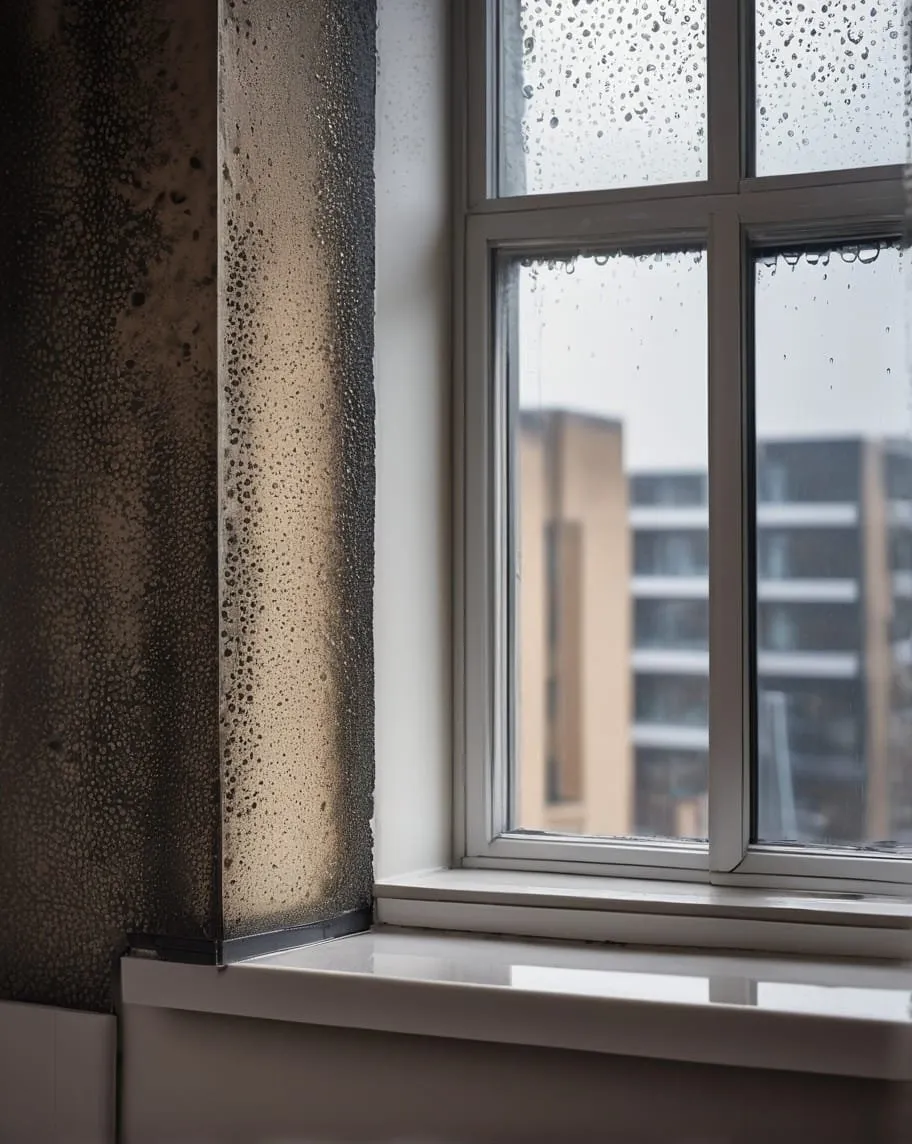
- Check the room around the growth
- Match the work to material condition
- Explain the next maintenance step
We begin with the room, not a product choice
It is tempting to ask which treatment will remove a mark before understanding why that surface is affected. We begin by discussing the room, where the mould appears and what has changed recently. In a Mile End property, the postcode helps arrange the visit; it does not tell us the cause. We consider the accessible surface and the history you provide before recommending the service. Mention persistent wet glazing, a repaired leak, work to the outside of the building or a change in how the room is used. These are useful pieces of evidence, even where they do not immediately point to a single explanation.
Accessible materials guide our surface assessment
We look at the finish beneath and around the growth. The enquiry is different when paint remains firm, wallpaper is lifting or plaster appears deteriorated. Explain those details without trying to remove the material yourself. Our wall mould treatment information helps distinguish treatment from rebuilding a damaged finish. Where surfaces cannot be reached, we discuss the inspection limit. A sound-looking area on one side of a cupboard does not prove that the concealed wall is sound too. We make access part of the service conversation so the proposed work is based on areas that can actually be checked and treated.
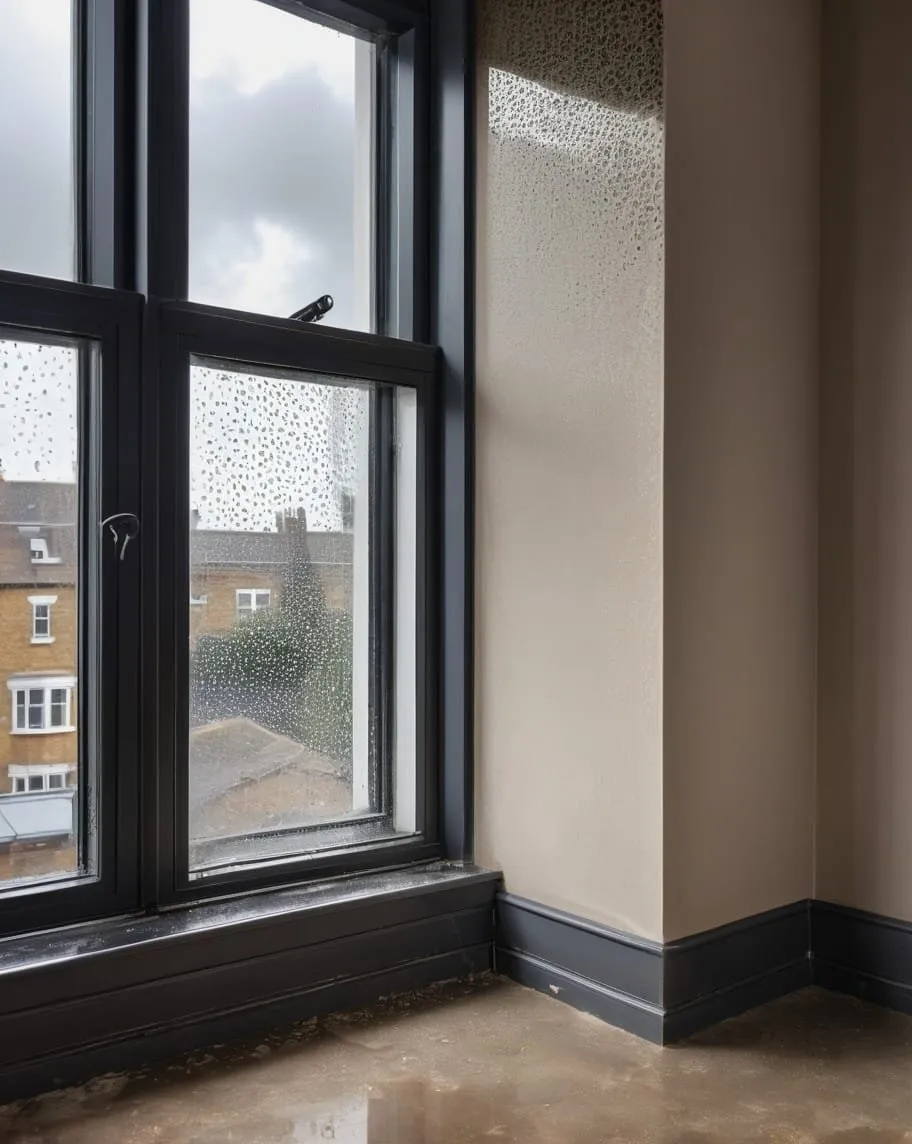
Wet glass and a marked wall are two observations
You may notice water on the glass after the room has been used and a patch on the wall beside it. Tell us about each observation separately: when the glass becomes wet, where the patch sits and whether it changes after rain or a known leak. We assess the accessible surfaces and use that history to frame the moisture question. The wall material guides any proposed mould treatment. Condensation recommendations may form part of the plan, but we do not use wet glass alone to settle a separate concern about water reaching the wall. We ask about timing, position and previous repairs, then explain whether a damp and moisture inspection is a suitable starting point.
Treatment needs a practical order of work
For suitable affected materials, the proposed remediation can include anti-fungal surface applications. We explain that approach in relation to the assessment and room conditions. This gives you a concrete account of the treatment, while retaining any ventilation recommendation or separate source repair that the evidence makes relevant.
We discuss which surfaces can be addressed through remediation and whether another task should come first. An ongoing leak, fragile finish or unresolved access problem may change the order. The plan should help you coordinate those decisions, especially when more than one person is arranging maintenance. Read the mould removal service for the wider distinction between removing visible growth and resolving the conditions around it. We explain the agreed work before you commit. If you are comparing quotations, ask whether each includes the same surfaces and preparation rather than choosing between numbers that describe different jobs.
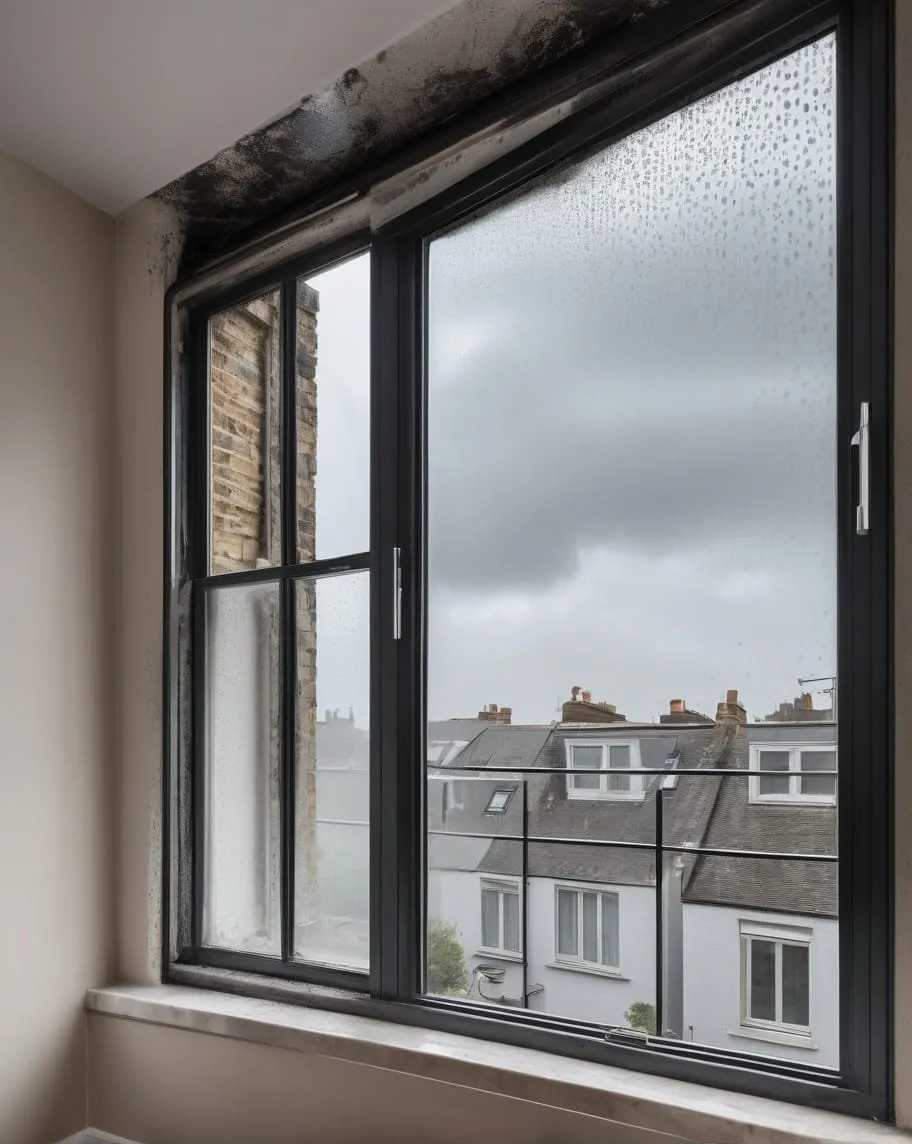
Talk through the property concern
Prevention advice follows the room evidence
Advice becomes more useful when it relates to the affected space. Where condensation is relevant, we discuss the room conditions and the practical changes that deserve attention. Our condensation service describes how this differs from assuming every damp mark needs the same repair. We do not present ordinary household habits as a substitute for investigating a building defect. Equally, surface treatment cannot change every condition in a room. By explaining the role of each task, we help you understand which changes are within your control, which need a responsible owner or manager, and which should be assessed by another appropriate trade.
Why our approach helps you choose the next step
Our service brings the visible surface, moisture question and treatment scope into one organised conversation. You do not have to know a mould species or arrive with a diagnosis. We ask for observations you can reasonably provide and explain how they affect the work. For an occupied Mile End home, that also means discussing access and disruption before arrangements are fixed. Keep the written scope, any findings supplied and the dates of separate repairs together. Should the appearance change later, we can discuss it against that record rather than starting again with an isolated photograph and no account of what has already happened.
QUESTIONS FOR THIS VISIT
Before making arrangements
Do you need me to identify the type of mould?
No. Describe the affected surface, where it sits in the room and how long you have noticed it. That practical information supports the service discussion without asking you to make a specialist identification.
Can two damp marks have different causes?
Yes, separate marks may involve different conditions. We review the history and position of each rather than assume that a wet window explains every affected wall. Tell us which areas change at different times.
Will a moisture reading settle the whole question?
A reading needs context. The material, accessible area and history matter when interpreting it. We explain the assessment limits and any further question instead of treating one measurement as a complete diagnosis.
Should I repair a leak before booking removal?
Tell us whether the leak is active, repaired or only suspected. That changes the discussion about the sequence. Mould treatment and finding or repairing a water source may need different arrangements.
What makes a follow-up enquiry useful?
Keep the original scope, repair dates and photographs showing the room as well as the mark. Explain whether the change is on the treated surface or elsewhere so the next discussion addresses the correct concern.
Nearby service enquiries
We also take enquiries in the surrounding areas. Call with the property’s address and affected rooms.
Bring the surface and its history together
Call about your Mile End property with the affected room and any known moisture incident. We will discuss the work you need and explain whether surface treatment or further assessment should lead the plan.