
LONDON PROPERTY CARE
Mould Remediation Hampstead
Treating mould starts with understanding the material carrying it. Our Hampstead service assesses accessible walls and finishes, considers the moisture evidence and selects an appropriate remediation scope, including suitable treatment applications and any separate repair question raised by the surface condition.
We explain the reasoning behind the material-specific scope.
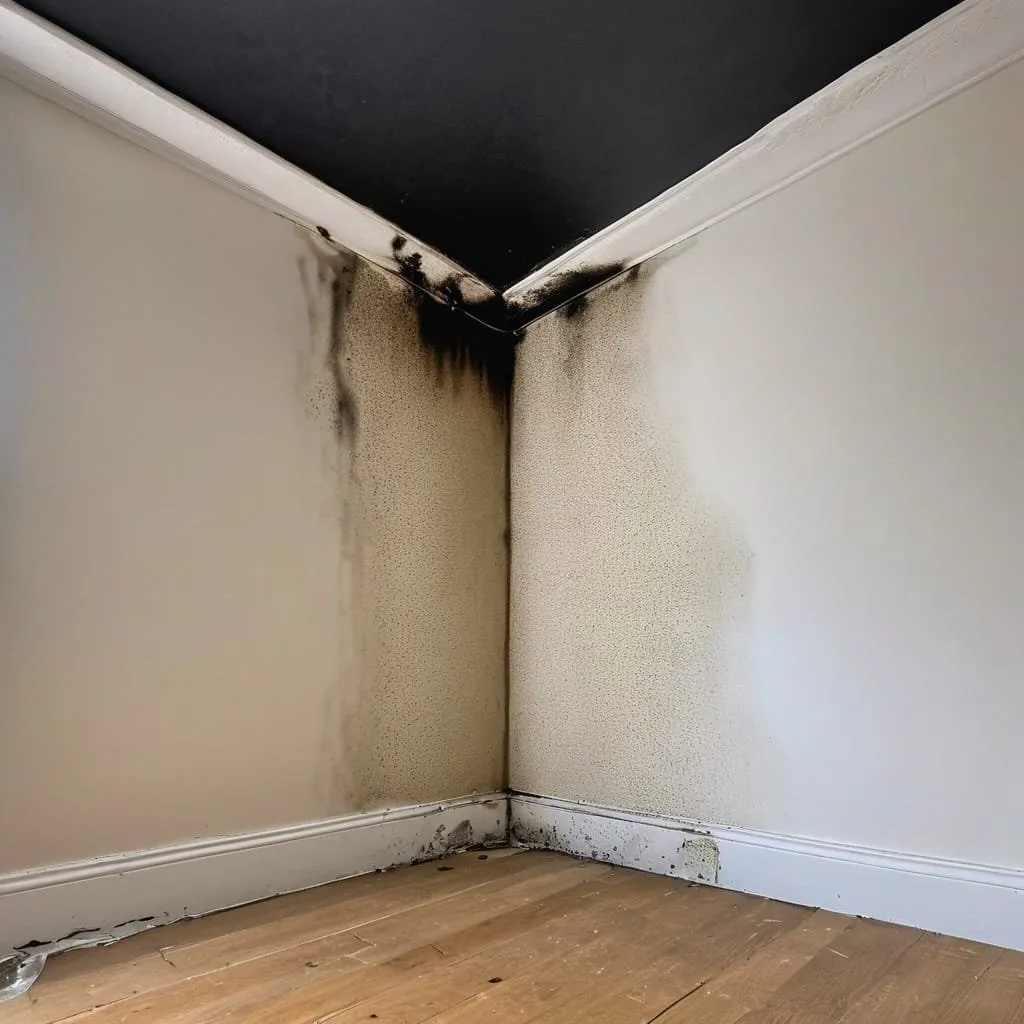
- Check the affected material condition
- Select treatment for accessible surfaces
- Explain repairs beyond remediation
Examine what the growth is sitting on
We consider the surface before deciding how to treat it. Sound paint, loose paper and damaged plaster do not tell the same story. We look at the accessible condition and distribution of growth, then relate those observations to the reported history. This first stage matters because visible removal alone cannot establish that a deteriorating finish is suitable to keep or that the underlying moisture concern has been addressed.
Use moisture evidence to guide the next stage
We review leaks, room conditions and earlier work alongside the surface assessment. Where appropriate, moisture readings support the inspection of accessible areas. Our damp and moisture service can help clarify that part of the enquiry. We interpret observations within the scope and access available, explaining any further question instead of presenting a single reading or photograph as a complete account of the building.
Match treatment to the agreed affected area
Depending on the assessment and material, remediation may include suitable anti-fungal applications to affected surfaces. We explain which areas are included and the purpose of the treatment before the work is agreed. Our black mould removal service covers this process. A material-specific proposal gives you more useful information than a promise to apply the same product across every finish regardless of its condition.
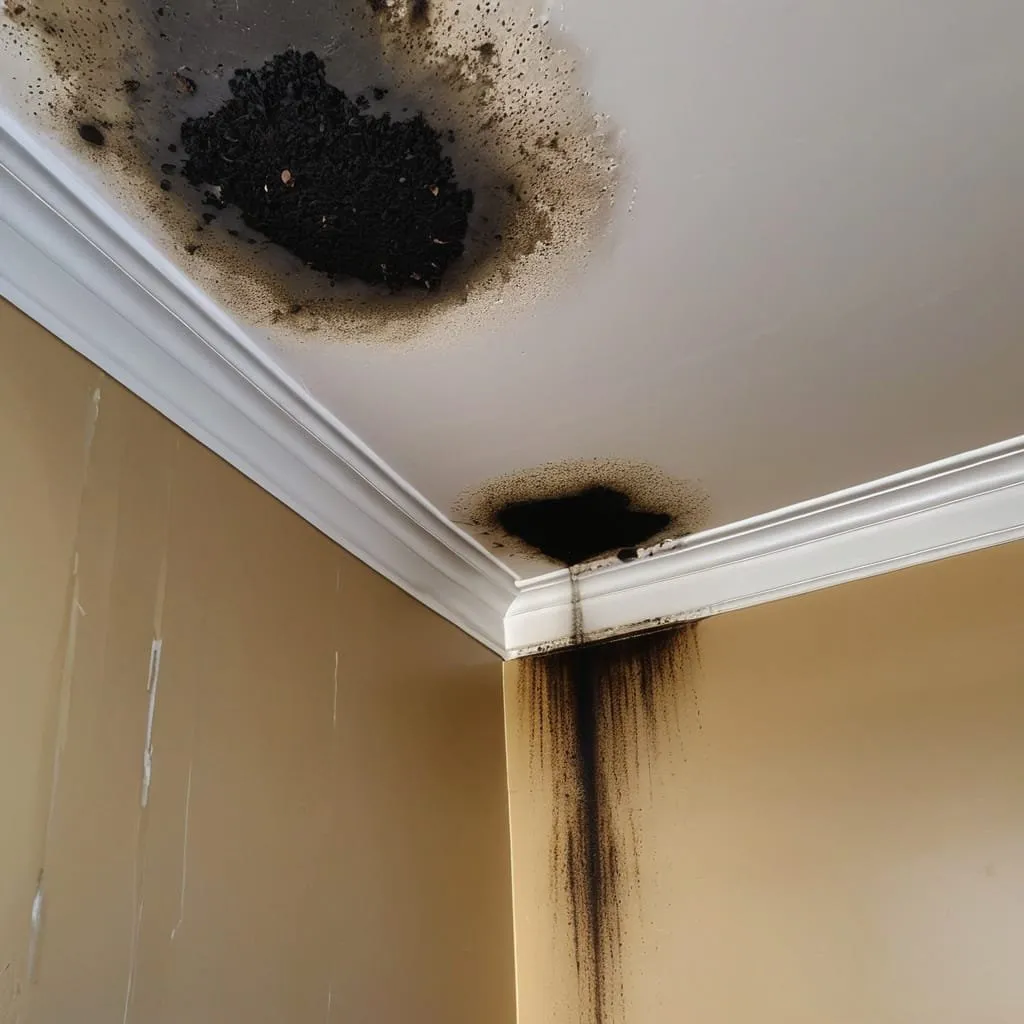
Recognise when repair is a different task
If a surface is damaged, removing growth and restoring the wall need separate consideration. We identify the boundary so you can plan further work with the relevant contractor. Our wall treatment information explains the relationship between remediation and finishes. New decoration should follow an understood moisture and material plan, rather than obscure a question that remained unanswered during the assessment.
Ask what each part of the proposal addresses
Ask us to identify surface treatment separately from any moisture investigation or material repair. We explain which observation supports each recommendation and which task may need another contractor. A suitable anti-fungal application has a different purpose from restoring damaged plaster or resolving a continuing leak. Understanding those differences helps you approve the work you need and arrange any separate repair, rather than treat one service name as a description of the whole project.
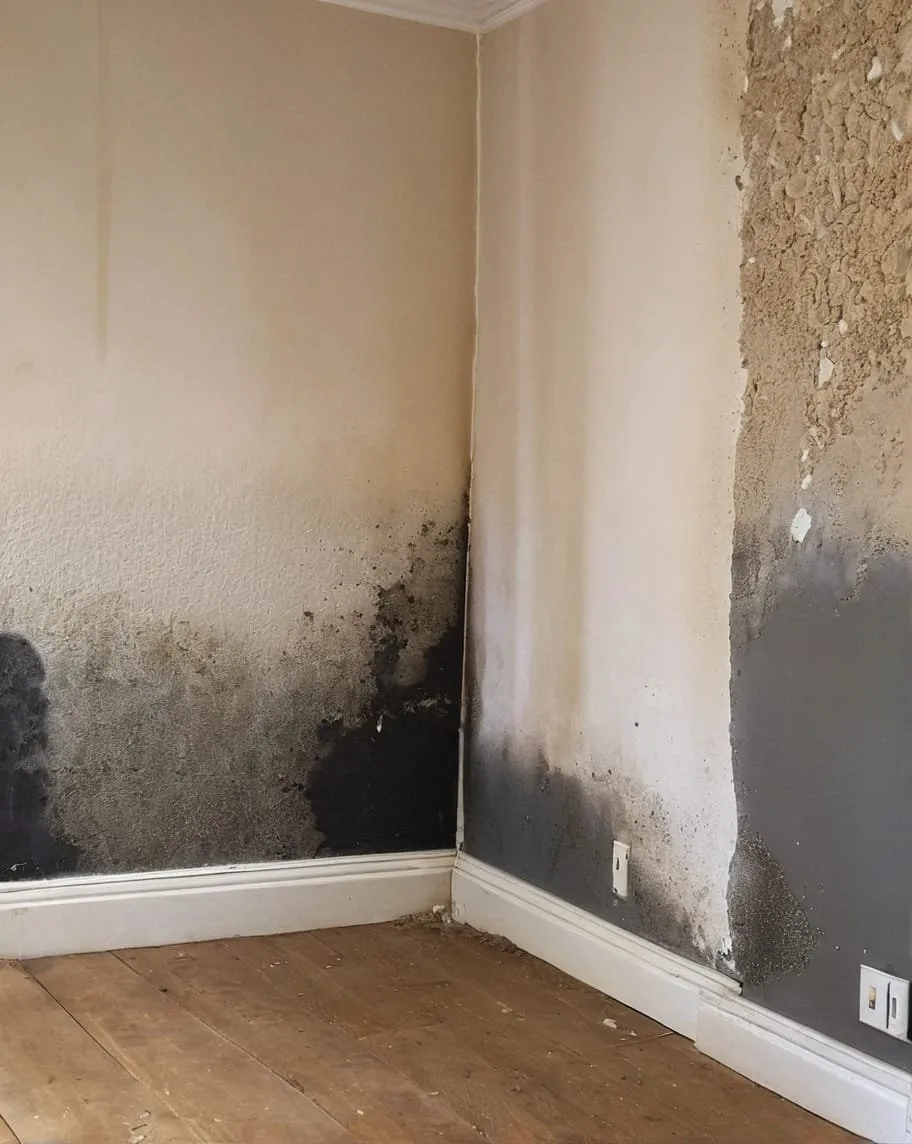
Keep the materials visible in the work record
After agreed work, retain the description of the treated area and any separate repair recommendation. If a finish changes later, that record helps show whether the new concern lies within the earlier surface or elsewhere. Follow-up becomes more focused when we can compare the current material with the work actually completed. The address, room and finish provide the useful detail; you do not need to name the mould to make an enquiry.
Nearby service enquiries
We also take enquiries in the surrounding areas. Call with the property’s address and affected rooms.
QUESTIONS FOR THIS VISIT
Before making arrangements
Do you use the same treatment on every wall covering?
The material and condition need consideration first. Where suitable, remediation may include anti-fungal applications, but the agreed scope should identify the affected surfaces and purpose. We explain the proposal rather than assume one approach fits sound paint, loose paper and damaged plaster equally.
Can moisture readings identify everything behind the finish?
Readings can support assessment of accessible areas, but they need context and do not remove access limits. We consider the pattern and history with the inspection findings. Where concealed material raises an unresolved question, that should remain clear rather than be described as fully assessed.
Why is damaged plaster discussed separately?
Its condition may require repair or replacement beyond surface treatment. We explain the distinction before work is agreed so remediation is not mistaken for restoring every layer of the wall. The relevant tasks should be coordinated around the findings and continuing moisture concern.
Can I ask which surfaces the proposal covers?
Yes. The areas, material concerns and access limits should be understandable. A clear scope helps you compare the proposed work with the room evidence and arrange separate repairs where needed. Ask about anything described broadly before assuming an additional finish or room is included.
What does prevention advice add to treatment?
It connects the completed surface work with relevant room or moisture conditions. Advice should follow the findings, including humidity or ventilation considerations where appropriate. It does not replace a separate leak repair, and we explain that distinction so the next action remains practical for the property.
Ask how the treatment fits your wall
Call about the Hampstead address with the finish type and visible condition. We can discuss material assessment, appropriate treatment and any moisture investigation needed, then explain how the proposed work relates to the affected surface rather than give a generic removal promise.