
LONDON PROPERTY CARE
Mould Remediation East Finchley
Fresh decoration should follow a clear treatment plan. For East Finchley enquiries, we assess the visible growth and the condition of the finish, then explain how remediation fits with moisture investigation and separate decorative repairs.
Treatment and decorative work have clear boundaries.
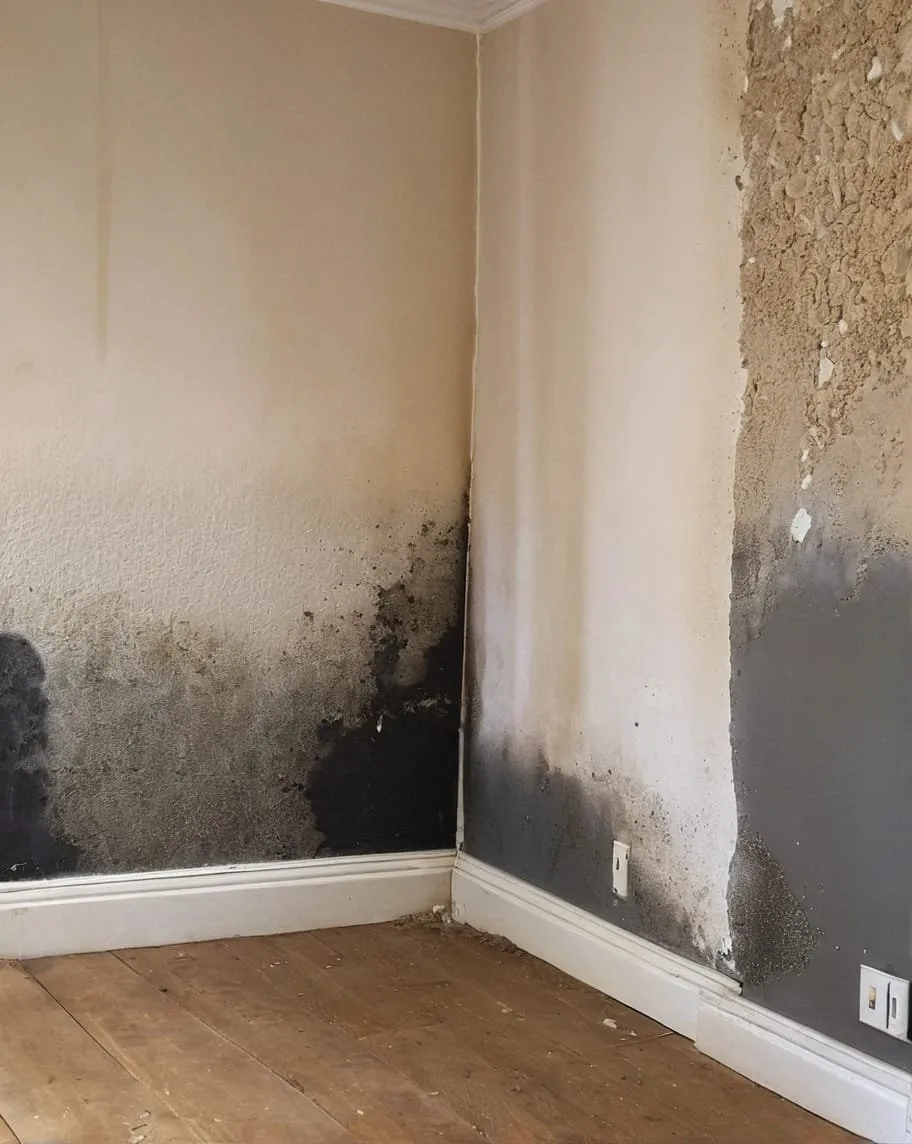
- Review the existing finish
- Keep moisture questions visible
- Plan treatment before decoration
Start while the evidence can still be seen
When a room looks tired, repainting can feel like the obvious next job. Mould changes that order of decisions. We ask what is visible before decoration, whether the mark has appeared before and whether anyone has already covered it. A newly painted surface may provide less information about the original pattern, so a few dated photographs can be useful.
We help East Finchley owners discuss the mould concern before it becomes another decorative job with an uncertain outcome. You do not need to postpone everything indefinitely. The aim is to understand the treatment question and any continuing moisture concern before deciding what should happen to the finish.
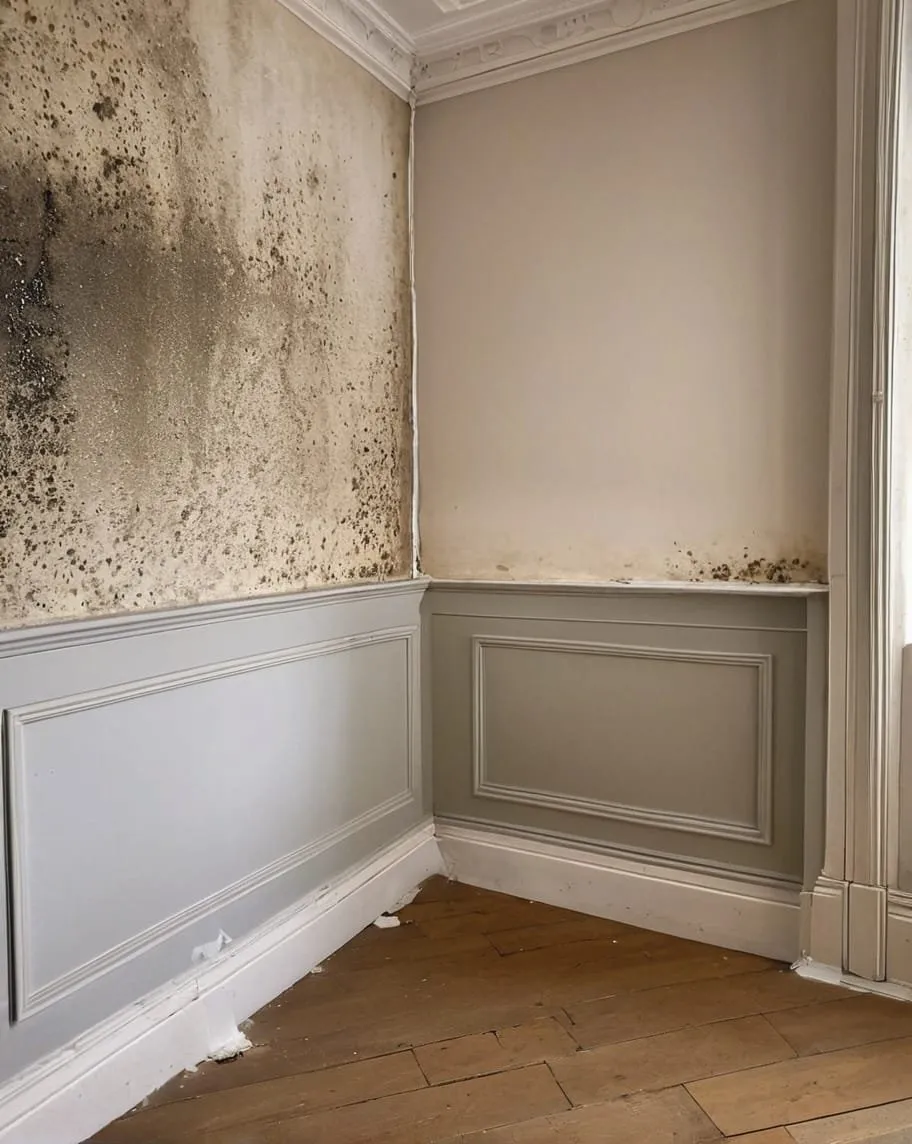
Read the condition of the finish carefully
We consider whether the coating is sound, loose, blistered or peeling. We also ask about wallpaper and any underlying material that has become exposed. These observations influence the practical scope. A wall that needs mould treatment may also need repair, but those are separate tasks and should be described separately.
Our wall mould treatment information explains why the material matters. We do not promise that remediation will leave every surface ready for immediate painting. Ask what the proposed work includes and what condition or further preparation may need to be addressed afterwards.
Establish what happened before the stain
The history can be more useful than the colour of the patch. We discuss leaks, repeated cleaning, earlier decoration and whether the marks change in particular conditions. Where a repair has been completed, we ask what was repaired and when. A statement that the problem was fixed is worth clarifying before it becomes the basis for the whole plan.
If moisture questions remain unresolved, an inspection of damp and moisture may be the appropriate starting point. We assess the accessible areas within the agreed brief and explain the limits. Decoration should not be used as a substitute for resolving an unanswered building question.
Agree remediation as its own task
We explain which surfaces the proposed treatment covers and whether adjacent areas need attention. That helps a decorator or owner understand the boundary between dealing with visible mould and restoring the finish. It also makes the quotation easier to compare with another proposal that might include a very different set of tasks.
The mould removal service sits within that wider conversation. We discuss treatment in relation to the surface and findings rather than ask you to pick a product. If a material is damaged or access is restricted, those matters should be raised before work is agreed.
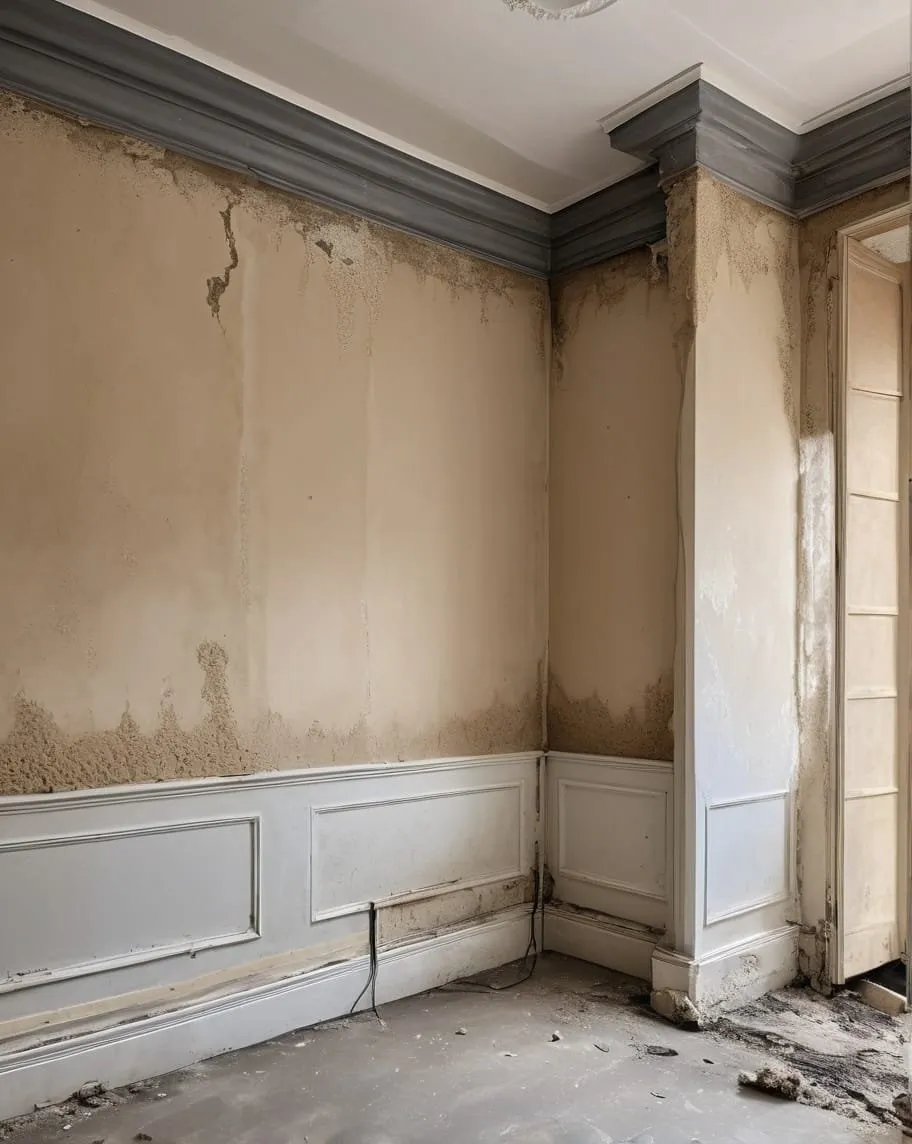
Talk through the property concern
Fit the sequence around the other work
Tell us if scaffolding, plumbing repairs or decoration are already being arranged. We can discuss how the mould assessment relates to those jobs without claiming to carry out every trade. A clear sequence avoids a situation where a newly finished wall has to be revisited because the original moisture question was never considered.
Keep responsibilities clear. An owner may be approving the treatment while someone else controls access or repairs. We ask about those arrangements so the proposed visit has a practical purpose. The useful question is which decision our work needs to support, not how many contractors have already offered an opinion.
Where the assessed material is suitable, anti-fungal surface treatment may form part of the remediation. We explain the areas included before the decorative finish is restored. The application addresses the agreed mould concern; it does not replace a moisture repair or automatically provide all the preparation a decorator may need.
Before the finish is restored
Our contribution is to make the mould treatment understandable within the overall room project. We inspect the accessible concern, discuss the material and moisture history, and explain the proposed remediation. We also identify questions that fall outside the agreed work rather than silently folding them into a broad promise.
Ask what treatment covers, whether the finish is damaged and which moisture question remains. Keep repair dates and current photographs available. Tell us if a decorator intends to strip or replace a surface, because this may change the evidence. We explain the proposed surface work so the next contractor receives a clear account before restoration begins.
QUESTIONS FOR THIS VISIT
Before making arrangements
Should I repaint before an assessment?
Discuss the visible condition first. Paint can hide the pattern that you want assessed. If decoration has already happened, keep earlier photographs and tell us the dates so we can consider the history alongside what is visible now.
Is damaged paint included in mould treatment?
That depends on the agreed scope. Treating visible growth and repairing or replacing a decorative finish are different tasks. We explain the proposed work so you can arrange any further preparation with the appropriate person.
Can my decorator use your findings?
Explain what information the decorator needs before the visit. A clear record of the affected surfaces and outstanding concerns can support planning. Any written reporting requirements should be agreed rather than assumed to come with every treatment enquiry.
What if the wall has been painted repeatedly?
Tell us roughly when and whether the same mark returned. That history may help frame the moisture assessment. We do not treat repeated painting as proof of one particular cause, but it is important context for the next recommendation.
Can you advise on the order of work?
We can explain how the proposed mould inspection or treatment relates to the concern presented. Other repairs and decoration may need their own contractors. The aim is a clear sequence with understood responsibilities, not an undefined promise to complete every job.
Nearby service enquiries
We also take enquiries in the surrounding areas. Call with the property’s address and affected rooms.
Discuss the wall before choosing the paint
If you have a decorator booked, tell us the dates and what preparation has already happened. We can discuss the mould concern and the proposed treatment so the decorating decision follows a clearer understanding of the surface.