
LONDON PROPERTY CARE
Mould Remediation Leytonstone
We help arrange mould treatment in rooms that remain part of everyday life. For Leytonstone bedrooms and living spaces, we consider the affected material, available access and moisture conditions before explaining the proposed work.
Preparation is discussed for the actual room layout.
- Check access around furniture
- Treat the agreed affected surfaces
- Plan around the room in use
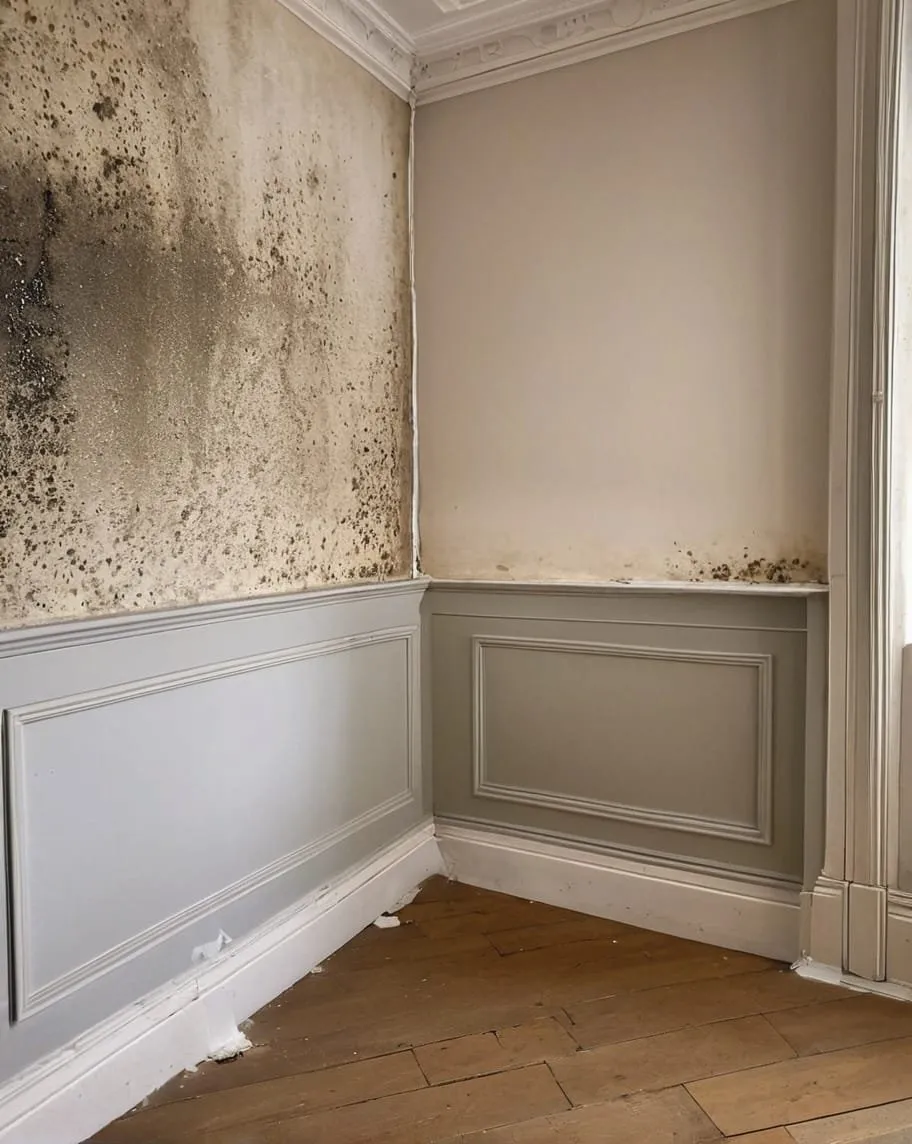
We look at the space around the affected wall
A mould enquiry in a bedroom or living room often involves more than the patch itself. A bed, sofa or wardrobe may stand beside the surface, and the mark may only become visible when the layout changes. We ask about that setting before discussing a Leytonstone visit. Tell us whether furniture is movable, fitted or difficult to reach around. A photograph showing the wider room can help explain the arrangement. We use this information to plan the access conversation, without asking you to move heavy items before the work is understood. The layout matters because the proposed assessment can only address areas that are actually available.
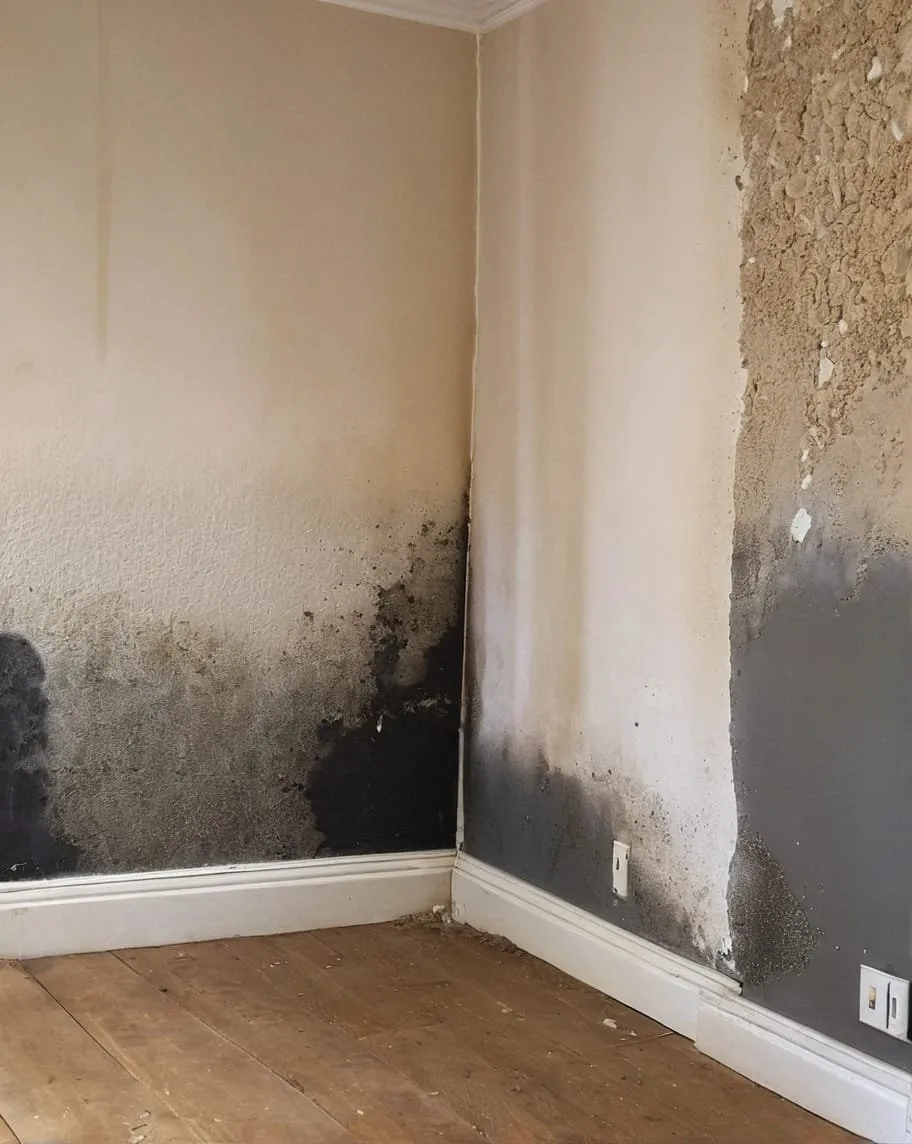
We assess the material behind the visible growth
Paint, paper and plaster may show different signs of deterioration. We consider the accessible finish and discuss whether the proposed treatment can address the visible growth or whether a material repair needs a separate decision. The wall mould service explains that distinction. Tell us if a finish is peeling or damaged, but do not scrape it away simply to make the enquiry. A concealed surface remains an access question until it can be included properly. We do not assume the wall is sound behind a fitted item because the exposed edge looks intact, or that the whole wall needs replacement because one area is affected.
Moisture and room use are considered together
We ask about condensation, previous leaks and changes in the room’s use or ventilation. Those observations help us explain when the enquiry should include further assessment. The condensation treatment page describes one relevant route, while moisture inspection addresses uncertainty about damp. We keep the cause question separate from assumptions about how the occupant uses the room. A colder position can be relevant without proving the explanation. Where the evidence is incomplete, we say which question needs more attention. This makes the recommendation useful for both the resident and anyone responsible for the building’s maintenance.
Appropriate treatment follows the surface assessment
We explain the proposed mould treatment for the agreed surfaces, including suitable anti-fungal applications where appropriate to the material and assessment. The conversation should cover preparation and any work that sits outside that treatment. Our removal service overview distinguishes addressing growth from resolving every underlying condition. If a finish needs repair, that task should be identified before a decorative outcome is assumed. You can ask why the proposed work fits the surface and what another contractor may need to handle. This is more useful than choosing a generic application first and only discovering the material limitations once the room has been cleared.
We discuss occupancy before arrangements are fixed
Explain whether the room is a main sleeping space, a home-working area or the only living room available. These details help frame the practical preparation discussion. Ask about access, belongings and the arrangements relevant to the proposed work before booking, rather than relying on advice intended for a different room. If a landlord or agent approves the work, make sure the occupant receives the agreed instructions too. We keep those contacts clear so the person providing entry knows what to expect. The service scope should include the affected surfaces, while any broader household arrangement is discussed in relation to the actual visit and property.
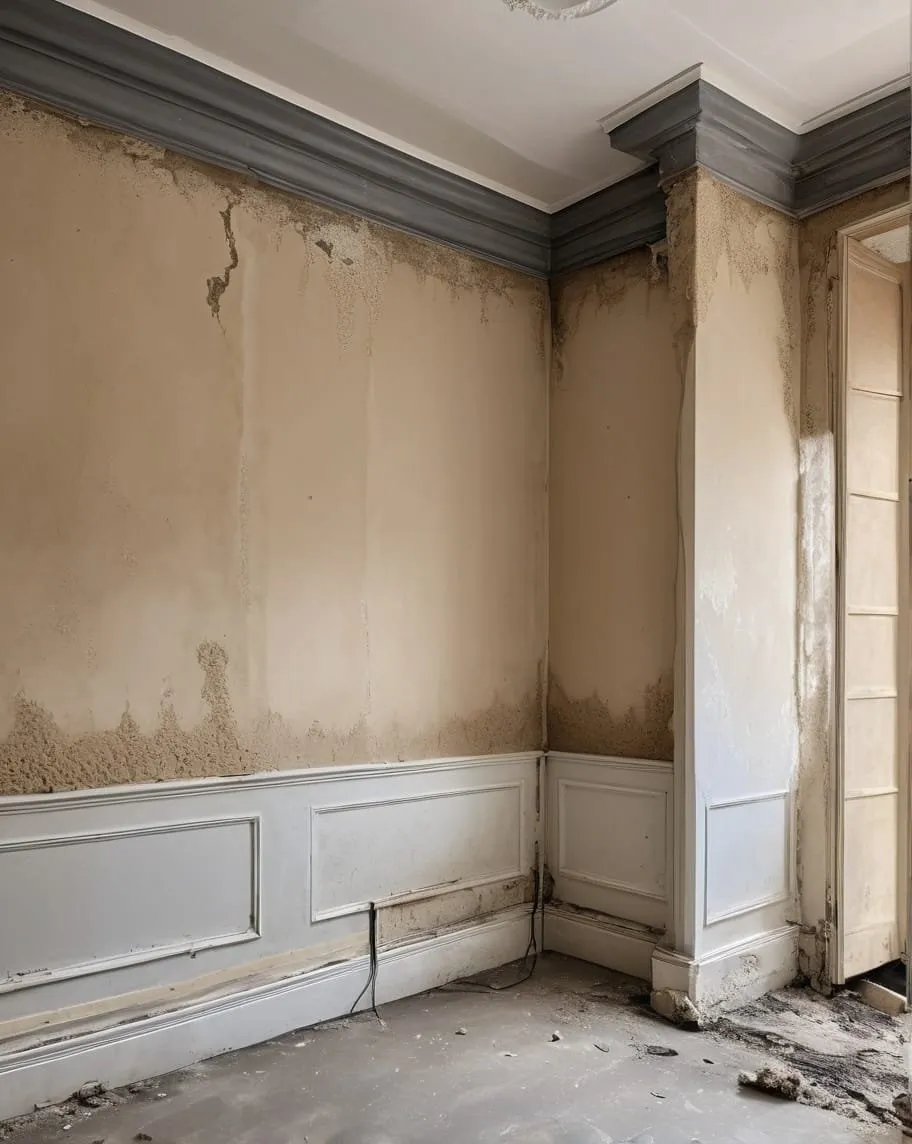
Why a room-specific plan is easier to act on
Our approach brings the layout, surface treatment and moisture recommendations into a plan for the room you use. It helps you understand how remediation fits around an occupied Leytonstone home and where a separate repair may be needed. After work, keep the treatment scope and the dates of any changes to the room or building. If a mark is reported later, note whether the furniture arrangement or moisture conditions changed as well. We can discuss that new information alongside the original assessed areas. A clear room record is more helpful than treating every subsequent mark as an identical problem with an identical answer.
QUESTIONS FOR THIS VISIT
Before making arrangements
Must I move a fitted wardrobe?
Explain its position and who can authorise changes. A fitted unit creates an access question that should be discussed before work. Do not dismantle it merely to make the initial enquiry or assume that is part of remediation.
Can you treat one wall in a living room?
Describe the affected surface and other observations in the room. A focused scope can be discussed, but the history should not be restricted to the visible patch if moisture or growth elsewhere is relevant.
Should a tenant arrange preparation alone?
The access and preparation instructions should be shared with the occupant and the person commissioning work. Permission for moving fixed items or arranging repairs needs the appropriate responsible contact, not an assumption made at the door.
Will the treatment suit wallpaper and paint equally?
The material and its condition influence the proposed approach. We discuss the finish before agreement. Loose or damaged material may require a separate repair decision rather than being treated as the same surface as intact decoration.
What helps explain mould found after furniture moves?
Note where the item stood, what is now visible and whether the wall finish is damaged. A wider room image and any moisture history help us discuss assessment without asking you to diagnose the concealed area’s condition.
Nearby service enquiries
We also take enquiries in the surrounding areas. Call with the property’s address and affected rooms.
Show us the room around the surface
For Leytonstone treatment, describe the wall, furniture and practical room use. We can explain the proposed work and preparation with that setting in mind, including any moisture question that should be addressed alongside remediation.