
LONDON PROPERTY CARE
Mould Remediation Stratford
We help you choose a useful starting point when the enquiry could involve inspection, treatment or both. For a Stratford property, we discuss the visible condition and what you need to understand before the proposed work is agreed.
A clear purpose helps the visit answer the right question.
- Clarify the question for the visit
- Review observations before diagnosing
- Explain assessment and treatment options
Describe the decision you need help with
If a known leak has been repaired and mould remains on an accessible wall, tell us the repair history and the finish involved so we can consider a treatment proposal. If a patch returns and its moisture history is unclear, explain what you have observed so we can discuss the assessment question first. You do not need to diagnose either situation yourself. We use your account and the accessible material condition to explain the suitable next step, any preparation and the distinction between proposed surface treatment and a separate repair.
Your observations help us frame the assessment
We ask where the marks appear, how their appearance has changed and whether a known event preceded them. Mention recurring wet glazing, a repaired leak or previous treatment without assuming those details establish the cause. Wider photographs can help show the surface in relation to the room. Our moisture inspection service describes a starting point where uncertainty about damp is central. We discuss what can be assessed within the available areas and what may remain unresolved. Clear observations make that conversation more useful than selecting a diagnosis from a search result and trying to fit every mark to it.
We distinguish visible growth from the source question
For the agreed affected surfaces, treatment may include suitable anti-fungal applications chosen in relation to the material and assessment. We explain what that work does in the plan and the preparation it requires. The practical surface method is then understood alongside, rather than confused with, the moisture investigation.
Surface remediation and understanding how moisture reaches a material are connected, but they are not interchangeable. The mould removal service addresses the treatment discussion, while other assessment services concern the conditions behind it. We explain which task is being proposed and why. If the history suggests a separate building or water repair needs attention, that should remain visible in the plan. We do not promise that a treatment can change conditions beyond its scope. Equally, a moisture assessment should not be described as completed remediation unless the agreed work actually includes treatment of the affected surfaces.
The material can change the appropriate sequence
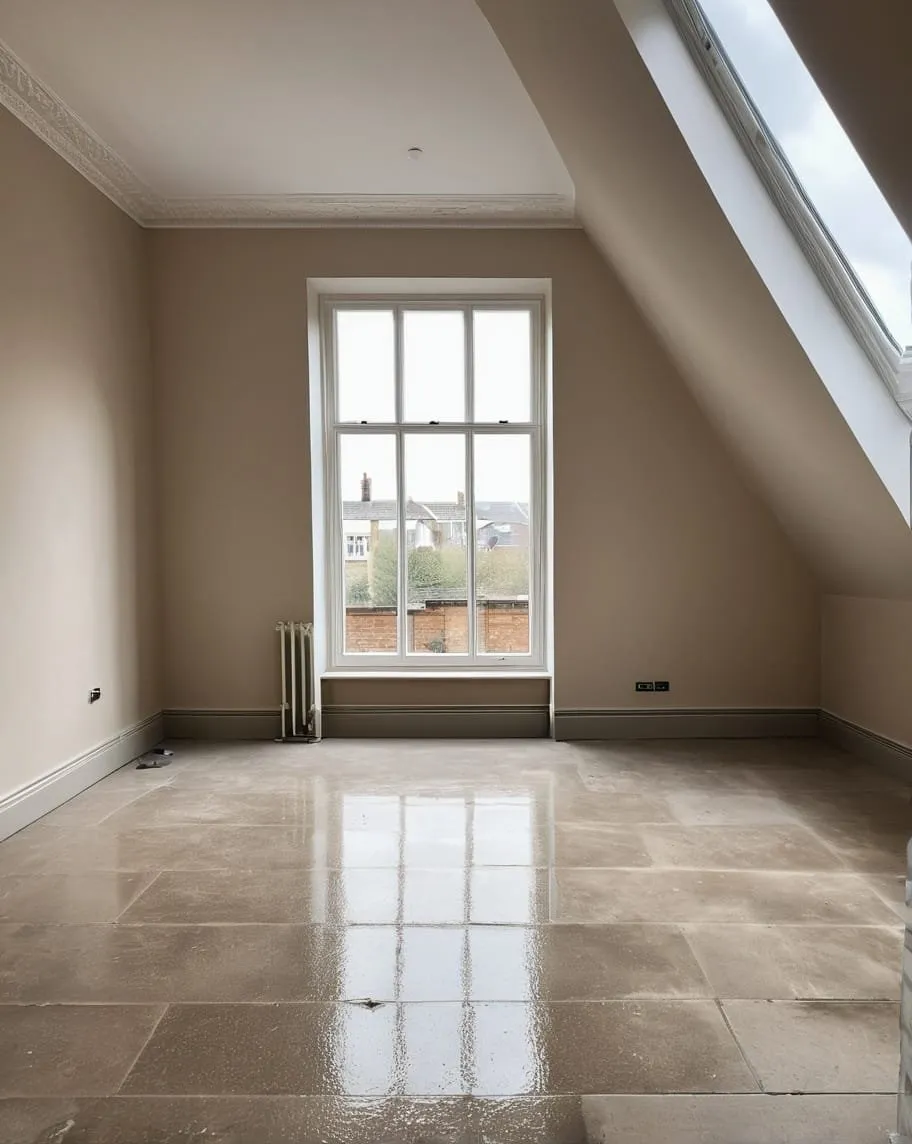
We consider whether the finish is intact, loose or visibly damaged. A room with sound paint raises a different preparation question from a wall needing material repair. If the concern is around a window, our window treatment information explains the adjacent surfaces worth discussing. Tell us about fixed furniture or finishes concealing the area. We clarify what can be reached before suggesting the scope. This helps you decide whether another access or repair arrangement should lead the sequence, instead of agreeing to work on a surface that has not yet been properly described or made available for assessment.
We make the boundaries understandable before booking
Ask which rooms and surfaces are included, whether written findings are required and which related tasks sit outside the proposed visit. Our landlord assessment page provides context when a rental enquiry needs a defined record. We discuss its purpose in advance rather than assume one document serves every possible use. If another contractor is involved, keep their task distinct. A clear boundary helps compare proposals and organise the work, especially where the person approving it is not the occupant. It also gives everyone the same expectation about what the visit will achieve and what still requires a separate decision.
Why explaining the first step is part of our service
We offer connected services for mould and moisture concerns, and use that range to help establish a relevant starting point. The benefit is an explained decision rather than a list of treatments unrelated to the evidence. For Stratford enquiries, we discuss practical access alongside the technical question so the visit can address the brief. Keep the agreed purpose and any subsequent recommendations with the property record. If conditions change, tell us what is different from the original enquiry. The next discussion can then focus on new evidence, a completed repair or a remaining uncertainty, instead of repeating a service choice that no longer matches the condition of the room.
Nearby service enquiries
We also take enquiries in the surrounding areas. Call with the property’s address and affected rooms.
QUESTIONS FOR THIS VISIT
Before making arrangements
Do I need to know which service to choose?
No. Describe the visible concern and the decision you need to make. We can discuss the appropriate starting point using the room history and access, instead of requiring you to identify a technical diagnosis before contacting us.
Can an inspection and treatment be the same booking?
Discuss the required work and sequence before making arrangements. Do not assume both are included simply because they concern the same surface. The agreed purpose and treatment scope should be clear to everyone involved.
Will photographs replace assessment?
Photographs support the initial conversation, particularly when they show the surrounding space. They do not establish every material condition, concealed area or moisture source. We explain what remains to be assessed within the proposed visit.
What if I mainly need information for my landlord?
Say how the information will be used and who is commissioning the work. We discuss the relevant reporting purpose and limits. A treatment enquiry should not be taken to include a document that has never been requested or agreed.
Can I change the brief if another repair is completed?
Tell us before the visit if the circumstances change. A completed repair may alter the question that needs answering. Updating the history helps the service remain useful rather than following an earlier assumption about the property.
Tell us the decision you need to make
For your Stratford property, describe the surface and what remains unclear. We can explain the assessment or treatment enquiry that fits that question, including the scope and access needed for a useful visit.